
Matox News

Truth Over Trends, always!

Unsealed Records Expose Amazon’s Price-Fixing Schemes, California AG Alleges

Amazon, the global tech behemoth that has surpassed Walmart as the world’s largest retailer, now faces serious allegations that threaten to shake the foundation of free-market principles. Internal documents recently unsealed as part of a civil lawsuit filed by the California Department of Justice expose a disturbing pattern of anti-competitive practices. These revelations highlight how Amazon allegedly manipulated its platform to suppress vendors selling below its prices, effectively stifling competition and consolidating its dominant position in e-commerce. This not only raises questions about the integrity of online retail but also about the potential consequences for global markets and consumer choice.

Legal experts and independent analysts warn that such practices, if proven true, could set a dangerous precedent worldwide. The documents include emails, depositions, and confidential presentations that reveal how Amazon’s internal tools and algorithms were used to influence pricing and suppress competing vendors. Rob Bonta, California’s Attorney General, expressed concern that these tactics “unlawfully punish sellers” and are especially harmful during a time when many consumers face an affordability crisis. The case, scheduled to reach court in January 2027, promises to be a pivotal moment in the ongoing debate over market monopolization and corporate accountability. Historically, such revelations serve as harsh warnings that the unchecked power of monopolies like Amazon could erode international competition, threaten small businesses, and distort the natural flow of supply and demand.

From the perspective of international relations, this case underscores a broader issue: the erosion of free-market competition in favor of corporate dominance, which could influence policy decisions across nations. The leaked internal emails mention tactics aimed at “shadow blocking” competitors such as Wayfair and Temu, obstructing their sales channels by manipulating the Buy Box—a critical feature that determines which seller’s offer is prominently displayed. This revelation signals a shift where corporate giants are increasingly acting as gatekeepers rather than enablers of consumer choice, potentially leading to global regulatory crackdowns and international efforts to curb monopolistic behaviors. According to economic historians and global institutions, the consequences of such unchecked power could include higher prices for consumers, reduced innovation, and the marginalization of smaller players unable to counteract the raw force of these corporate strategies.

As the world watches, the unfolding story of Amazon’s alleged anti-competitive practices will be remembered as a significant chapter in the ongoing narrative of free enterprise versus corporate overreach. The outcome of this legal battle will echo beyond California’s borders, influencing how societies view corporate accountability and the balance of power in digital markets. With the world poised at a defining moment in economic history, one cannot help but wonder: are we witnessing the dawn of a new era where the **monopoly** reigns supreme, or will resilient voices — from governments, civil society, and global institutions — rise to challenge the dominance of these corporate giants? Only time will tell, but the pages of history are now being written in real time — a story of rivalry, regulation, and the enduring fight for fairness in the marketplace.
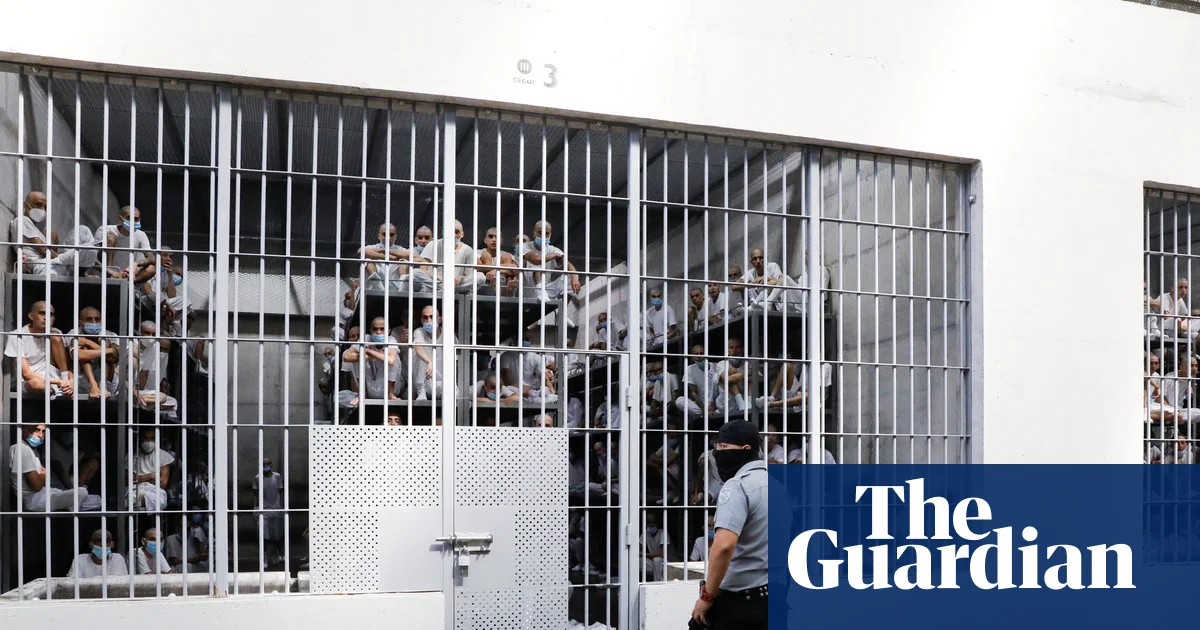
Venezuelan Deportees Expose New Torture Allegations at El Salvador Mega-Prison

The ongoing controversy surrounding the treatment of Venezuelan migrants deported to El Salvador underscores a troubling shift in regional geopolitics and human rights accountability. A coalition of human rights organizations has filed a petition with the Inter-American Commission on Human Rights, exposing grave allegations against Salvadorian authorities for abuses against 18 Venezuelan men. These men, expelled by the United States to Salvador’s notorious Cecot facility, claim they endured torture, sexual assault, and medical neglect—a pattern of abuse detailed in testimonies and supported by medical corroboration. This case highlights the geopolitical impact of US and Salvadorian policy decisions, which some analysts warn may set a dangerous precedent for extrajudicial detention and international complicity in human rights violations.

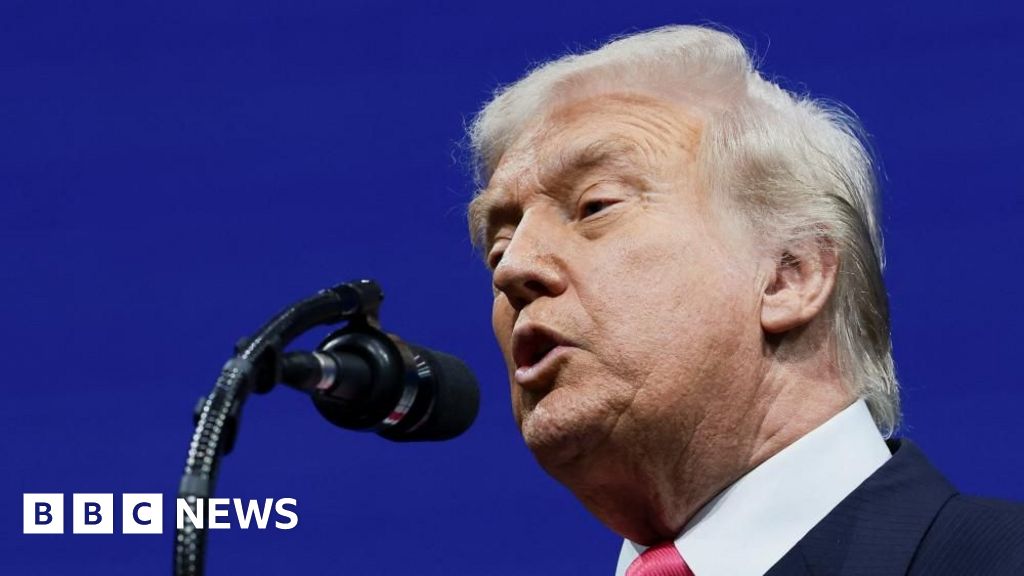
The allegations expose a systematic pattern of mistreatment within Cecot, including beatings, humiliation, and deprivation of basic needs. The men, many of whom faced no criminal records before being expelled, describe prolonged physical and psychological trauma, with scars and post-traumatic stress persisting long after their release. “One man still has scars from shackles, a haunting reminder of what he endured,” reports one survivor, highlighting how detention conditions—windowless cells, constant bright lights, inadequate water, and food—violated fundamental human rights. Human rights groups and legal advocates emphasize that these abuses are not isolated incidents but part of broader violations linked to the US’s controversial use of the 1798 Alien Enemies Act. Critics argue that this law, invoked by the Trump administration to swiftly expel Venezuelan migrants, facilitated the transfer of individuals to countries with questionable human rights records, effectively sacrificing migrants’ dignity in the name of national security.

The fallout extends beyond individual suffering; it exposes a disturbing alliance between U.S. policies and Salvadorian authorities. Under President Nayib Bukele, El Salvador has escalated its suppression, enacting a “state of exception” since 2022 that allows mass detention without due process—impacting approximately 1.4% of its population. This autocratic turn raises alarms among international watchdogs, with critics warning that the government may be complicit in perpetuating abuses cloaked in the guise of security. The international community is divided, as some institutions hesitate to criticize a regime increasingly regarded as drifting toward authoritarianism, while others insist that accountability—whether through the Organization of American States or independent international courts—is imperative to uphold human rights standards.

As legal battles unfold within U.S. courts and international bodies, the weight of history bears heavily on current decisions. The United States’ role in enabling abuses by invoking wartime laws for deportation, combined with El Salvador’s current repression, challenges the legitimacy of regional human rights protections. While some jurisdictions have responded to international mandates, how El Salvador’s autocratic leadership chooses to position itself remains uncertain. Many believe that the outcome of these cases could redefine regional alliances and influence policies for decades to come. The story of these migrants—a microcosm of broader geopolitical struggles—is not yet written, but the message is clear: the shadows of past injustices linger, and history demands that they be confronted before shadows fully eclipse the future of justice and human dignity.

Trump signs bill demanding release of Epstein files to expose the truth

The United States has taken a monumental step in addressing one of its most controversial and secretive criminal investigations by finally signing legislation mandating the release of government files related to Jeffrey Epstein. This development marks a significant culmination of a months-long fight fueled by victims’ advocates, political pressure, and shifting public sentiment — and it signals a *turning point* in how the US approaches accountability for powerful elites.

  • President Donald Trump announced the signing of the law after initially opposing it, citing concerns over revealing sensitive information. However, mounting bipartisan pressure and vocal advocacy from victims’ families prompted a rare political reversal. The law requires the Attorney General to release documents—including investigation transcripts, flight logs, and communications—within 30 days, barring any that could jeopardize ongoing criminal cases or reveal victims’ identities. This act of transparency is hailed by many as vital to uncovering the scope of Epstein’s network and its potential ties to influential figures across politics, finance, and entertainment.
  • Amid this, Congress overwhelmingly supported the measure, with only one dissenting vote on the House floor, a testament to the bipartisan consensus that justice must be served regardless of the powerful people involved. Critics, including some legal experts and advocates, remain cautious, warning that significant redactions are imminent to protect victims’ privacy and national security interests. Nevertheless, this legislation advances the clamoring call for truth and transparency, challenging the concealed hierarchies that have long shielded the rich and powerful.”

Analysts and historians note that this move could reshape the geopolitical landscape, especially considering Epstein’s known associations with high-profile figures such as King Charles’ brother and former US presidents. The released files could potentially expose connections that threaten the public image of some of America’s most influential families and institutions, thereby impacting diplomatic and domestic stability. Internationally, this sets a precedent — pressing other nations to scrutinize their own elite networks and consider the long reach of transparency and justice.

Moreover, the geopolitical impact extends beyond Washington. Countries with longstanding ties to Epstein’s victims, or who suspect their own elites might be implicated, now face increased pressure to review internal affairs. The series of revelations could trigger diplomatic investigations, strained alliances, and policy debates rooted in transparency versus secrecy. International organizations, such as the United Nations or the European Union, are observing these developments closely, as the fight to reveal the truth intersects with broader debates on global accountability and human rights.

Ultimately, the story of Epstein embodies a deeper narrative of societal decay and the silent complicity of those who shield the status quo. As the files are finally subjected to public scrutiny, the tide of history begins a new chapter — one that may reveal uncomfortable truths about the interconnected web of power and depravity. The weight of this revelation underscores a fundamental question: how long can a society sustain its illusions of justice when the shadows of secrecy threaten to engulf the very foundations of democracy? The next few weeks will be pivotal, yet the echoes of this epoch-defining act will resonate through history, reminding us all that in the ongoing battle between transparency and concealment, the truth remains America’s most potent weapon.”

Lisbon funicular crash: Early reports expose numerous safety failures

Lisbon Tragically Reveals Flaws in Infrastructure Oversight

In a harrowing incident that sends shockwaves across the international community, Lisbon’s historic Glória funicular abruptly derailed on 3 September, resulting in the tragic loss of 16 lives and leaving 20 others injured. This tragic event, now under investigation, underscores the dangerous gaps that exist in infrastructure safety oversight worldwide, particularly in aging urban transit systems. The preliminary report released this week exposes a series of critical failures, including the use of untested, non-certified equipment, which have reignited debates about the accountability of public transport management and the importance of rigorous safety standards.

Analysis from industry experts and international organizations highlights that this catastrophe was not merely an accident but a symptom of deeper systemic failings. According to Portugal’s Air and Rail Accident Investigations Bureau, the root cause was a defective underground cable, acting as a counterweight between the funicular’s carriages. Disconcertingly, this cable was acquired in 2022 by Lisbon’s public transport operator Carris without proper certification for passenger transportation, revealing glaring oversight deficiencies. Moreover, the report indicates that the cable had been in use for over 600 days on the historic line without incident, raising questions about the decision-making processes of the authorities entrusted with public safety.

Magnifying this troubling reality, the investigation further exposes lapses in routine oversight, maintenance, and emergency preparedness. The emergency brake system, which could have possibly prevented the full extent of the tragedy, failed to activate properly because it had never been tested beforehand. The Linuxist report hints that multiple layers of safety checks either did not occur or were inadequately executed. Lisbon’s Mayor, Carlos Moedas, has publicly stated the incident “was due to technical causes, not political,” yet critics argue that insufficient oversight and bureaucratic neglect have long plagued the city’s aging infrastructure. These failures illustrate a broader, systemic problem: how governments and local entities often prioritize budget constraints over safety, leaving citizens vulnerable to preventable disasters.

The international ramifications of such failures are profound. As analysts warn, similar urban centers around the globe face the same risk if antiquated infrastructure remains unregulated. The incident in Lisbon serves as a stark cautionary tale—highlighting the importance of updated standards, transparent oversight, and responsible management—core principles championed by institutions like the International Association of Public Transport. Historians of urban development caution that neglecting maintenance and safety protocols can tarnish a city’s legacy and threaten its social fabric. While the full investigation into the Glória funicular accident is expected to take approximately 11 months, the incident has already sparked international calls for stronger safety measures and more accountability in public transportation systems.

As the city grapples with loss and the need for urgent reforms, the weight of history presses heavily on future decisions. Each failure, each avoided crisis, leaves behind a shadow, reminding the world that infrastructure is not merely steel and cables—it is a testament to societal priorities, accountability, and the rule of law. The unfolding story in Lisbon is more than a localized tragedy; it is a defining chapter in the ongoing struggle to safeguard human lives in an era where speed and innovation must never outpace responsibility. Humanity now stands at a critical juncture, where the decisions made today could either build resilient societies or pave the way for future, even more devastating, failures. In this moment of reckoning, the lessons from Lisbon are painfully clear: safety is non-negotiable, and neglect has its price—written in lives lost, and history’s unyielding judgment.

Social Media Auto Publish Powered By : XYZScripts.com