
Matox News

Truth Over Trends, always!

Australia Updates: Free Public Transit Extended in Victoria, Man Charged with Murder in NSW

Global Impact Unfolds as Regional Policies and International Tensions Shape the Future

In a move reflective of the broader geopolitical currents shaping the 21st century, Victoria, Australia, has announced an extension of its ambitious public transport relief program. This measure, which initially aimed to combat rising fuel costs and provide a cost-of-living shield for residents, now extends until the end of May with subsidized fares set to continue through the year. The decision echoes a global trend among youth-oriented governments seeking populist support ahead of key elections, but it also underscores a deeper crisis of economic resilience in the face of shifting energy markets. With $400 million allocated in the upcoming budget, Victoria’s policymakers attempt to navigate the wider fiscal storm impacting many similar jurisdictions worldwide.

Yet, as these domestic moves play out, international tensions continue to simmer under the surface, with a particularly stark example emerging from the Strait of Hormuz. The former Australian Nationals leader David Littleproud has openly called for Australia to intervene in this strategic waterway. Given that roughly 20% of global oil shipments pass through this narrow corridor, the closure of the Strait threatens to trigger catastrophic spikes in global energy prices and, by extension, economic fallout on a scale reminiscent of the 1970s oil crises. Littleproud’s plea for Australia to “interject” aims to restore the “safe navigation” of tankers, warning that a failure to act could induce a worldwide recession, with analysts like those at the International Energy Agency warning of potential chaos if tensions escalate further.

This international dispute fuels the broader narrative of a fractured liberal order, where regional conflicts threaten to ignite larger alliances and rivalries. The specter of a destabilized Middle East, combined with global energy dependency, is prompting thoughtful voices—such as respected historians and foreign policy analysts—to warn that the decisions made today will determine the trajectory of global stability for decades. Furthermore, the political actors in Australia, increasingly aware of their geopolitical importance, are urged to balance regional security interests with the national imperative to avoid entangling military conflicts. The danger of such conflicts spilling into broader proxy wars or economic sanctions underscores the fragility of international peace efforts.

Domestic Turmoil and International Dilemmas Intersect

While political leaders debate intervention in foreign disputes, domestic issues—the tragic loss of life at Melbourne’s Supanova convention and the ongoing investigation into a woman’s murder in New South Wales—highlight the societal challenges faced by nations in turmoil. The incident outside Melbourne Showgrounds, where a pedestrian was tragically killed, and the arrest of a 25-year-old man on murder charges, serve as a grim reminder that social stability remains an elusive goal amidst economic and geopolitical upheaval. These local tragedies resonate globally, prompting international observers to question the societal fabric and the effectiveness of law enforcement strategies.

Conclusion: The Unfolding Tapestry of Today’s World

As the Victoria government extends its economic relief measures and Australia contemplates international intervention, the shards of a fractured global order become painfully evident. Each decision—domestic or foreign—intertwines in the complex, unpredictable fabric of history—a fabric that will define the lives of future generations. The tension in the Strait of Hormuz and the local tragedies on Australian soil serve as stark symbols of a world at a crossroads — where youthful governments seek to reassure their citizens, and powerful nations grapple with the consequences of their actions. In this moment, history whispers again: the choices of today will echo eternally into the uncertain dawn of tomorrow.
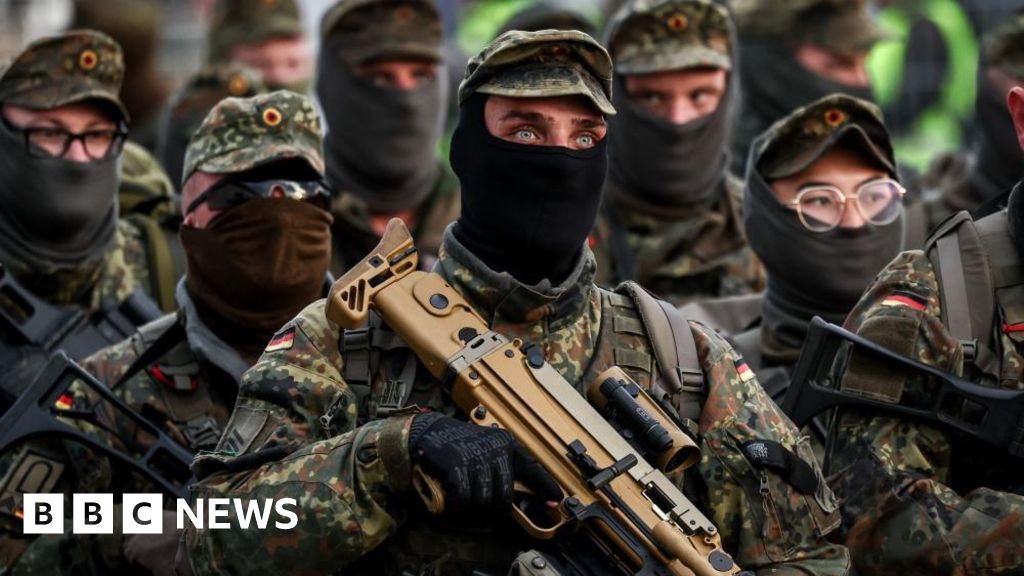
German men under 45 could face military approval for extended stays abroad—what's really behind the move?
German men under 45 could face military approval for extended stays abroad—what’s really behind the move?

In a move that signals a significant shift in international policy, several nations have recently implemented new regulations stipulating that travel approvals must generally be granted before individuals can cross borders. While these rules may seem routine on the surface, their implications extend far beyond simple bureaucratic procedures, potentially reshaping the delicate fabric of global mobility, sovereignty, and international relations.

What makes these developments particularly notable is the ambiguity surrounding enforcement. Officially, authorities have stated that restrictions are to be adhered to at their discretion, yet there remains considerable uncertainty about how breaches of this protocol will be managed in practice. International observers, including the International Organization for Migration and renowned geopolitical analysts, warn that this lack of clarity could lead to increased friction among nations. Countries with differing policies might interpret enforcement variably, raising tensions especially in regions where borders are already fragile or contested. The absence of a clear enforcement mechanism leaves a vacuum that could be exploited, or worse, devolve into conflicting interpretative clashes among sovereign states.

This evolving landscape underscores the how decisions made at the national level can ripple across global networks, affecting commerce, diplomatic relations, and societal stability. Historically, such regulations have often been precursors to broader geopolitical shifts. Analysts note that some governments may leverage these new travel restrictions to tighten control internally while projecting strength externally. For instance, the United States, the European Union, and China have all shown varying degrees of assertiveness regarding border management, a trend that global institutions like the United Nations are closely monitoring. Their response, or lack thereof, will be critical in determining whether these policies deepen divisions or foster a new form of international cooperation rooted in shared security interests.

  • The imposition of mandatory travel approvals reflects a broader global shift toward border sovereignty and national security concerns, especially amid geopolitical tensions in regions like Eastern Europe and the South China Sea.
  • Major powers appear to be recalibrating their borders, emphasizing control over the free-flowing movement of people and ideas — a move that analysts suggest could undermine longstanding principles of international cooperation.
  • This ambiguity in enforcement raises warnings of potential conflicts or misunderstandings, which could escalate into diplomatic crises if mishandled or exploited.

As historians like Barbara Tuchman have noted, such pivotal moments in policy often mark “the thin line between security and overreach,” where nations must tread carefully or risk unintentional destabilization. International organizations are calling for transparency and clearer guidelines to ensure that border control measures do not spiral into tools of oppression or political maneuvering. Yet, the vital question remains: how will individual states balance the power to regulate their borders with the need for *international stability*? As countries reassess their sovereignty in an era of unprecedented connectivity and conflict, their choices will shape whether history records this as a step toward greater global order or the beginning of a new fragmentation era.

Standing at this crossroads, the world watches as decisions made today carry the weight of the future’s destiny—an unfolding narrative where sovereignty, security, and diplomacy are inextricably intertwined. The stakes are high, and the story is still being written, with each policy shift promising to leave an indelible mark upon the annals of history.

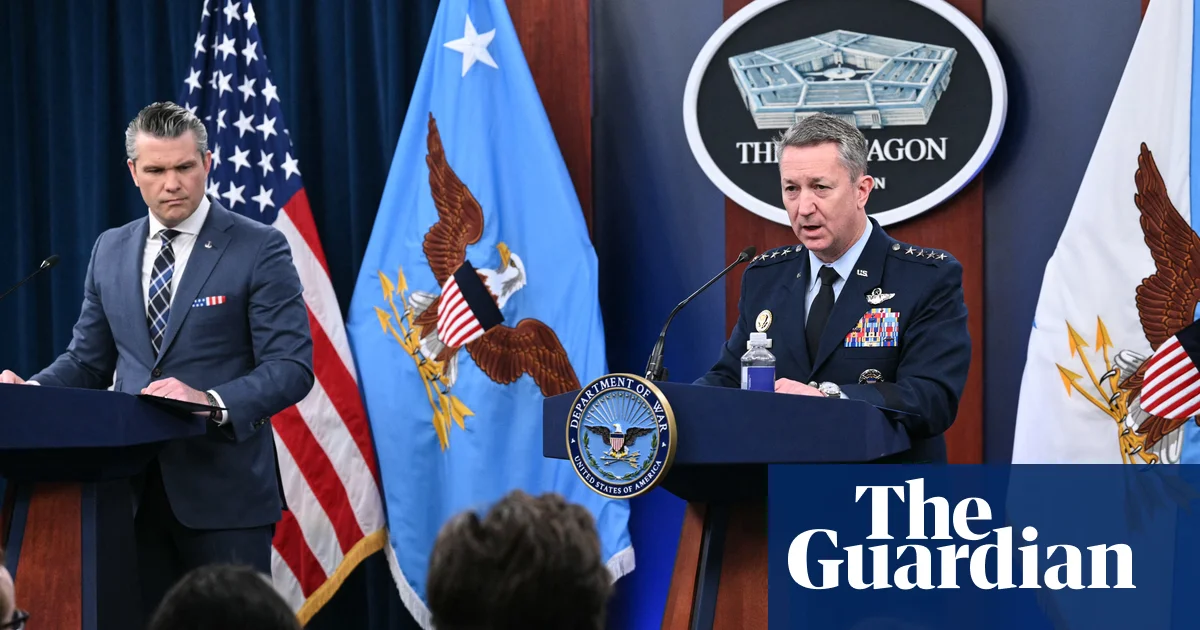
Pentagon gears up for extended ground actions in Iran amid US-Israel tension

The United States finds itself at a critical crossroads amid mounting tensions in the Middle East. Reports indicate that the Pentagon is actively preparing for potential ground operations in Iran, signaling a dramatic escalation in a region already fraught with geo-strategic conflict. As thousands of US troops are repositioned to the area, the decision to pursue limited raids or more comprehensive deployments carries profound geopolitical impact. Analysts warn that such moves could represent a significant shift in US foreign policy—leaving behind the era of cautious, often covert, military interventions in favor of openly confrontational tactics. The decision-making process, largely opaque, is fraught with controversy and uncertainty, especially with President Donald Trump yet to formally endorse any specific plan, fearing public backlash and political repercussions.

Within the US political landscape, there is a palpable debate over the constitutional authority to deploy troops into Iran. Some figures, like Senator James Lankford, emphasize the importance of clear objectives and limits, cautioning against open-ended commitments that could trap US forces in a protracted conflict. His remarks reflect a broader concern that unchecked military escalation could spiral into a full-scale war—something many lawmakers and American citizens alike are wary of, especially after the costly interventions in Iraq and Afghanistan. Meanwhile, Congress remains divided, with previous war powers resolutions having been rejected, allowing the executive branch considerable latitude in military actions. The Pentagon’s request for an additional $200 billion in military funding underscores the seriousness of these plans and the implications for national debt, global stability, and American influence on the world stage.

In the international arena, Iran has issued stark warnings, with Parliamentary Speaker Mohammad Bagher Ghalibaf threatening to set US ground troops “on fire.” Iranian officials have also hinted at countermeasures targeting US interests, including universities and regional alliances. The Revolutionary Guard claims it is poised to retaliate against US and Israeli strikes, raising fears of a broad regional conflict. Such rhetoric underscores how brinkmanship could spiral out of control, with analysts noting that the confrontation is no longer limited to diplomatic exchanges but threatens to ignite a wider war involving multiple nations. Historically, Iran has demonstrated a willingness to escalate militarily when pressed, making any US ground intervention a highly volatile pivot point with unpredictable consequences.

The geopolitical landscape is shifting rapidly, with Israel and Arab nations uniting against the perceived threat of a nuclear-armed Iran—an alliance that policymakers say underscores the serious danger of unchecked regional conflict. For some analysts, these developments echo the precipice of a new, broader confrontation in one of the world’s most sensitive zones. If the US proceeds with military action, it risks destabilizing an already fragile balance, while fueling anti-American sentiments that could linger for generations. As congressional leaders debate funding and legitimacy, and Iran signals potential escalation, history warns us—these moments of crisis often define the trajectories of nations for decades to come. The weight of decision now hangs heavy, as history continues to unfold, and the echoes of future conflicts begin to murmur just beneath the surface of geopolitical shifts. The world watches, awaiting the next chapter in a saga that could determine the fate of global peace and security.

Social Media Auto Publish Powered By : XYZScripts.com



