
Australia’s Fiscal Strategy Amid Global Uncertainty
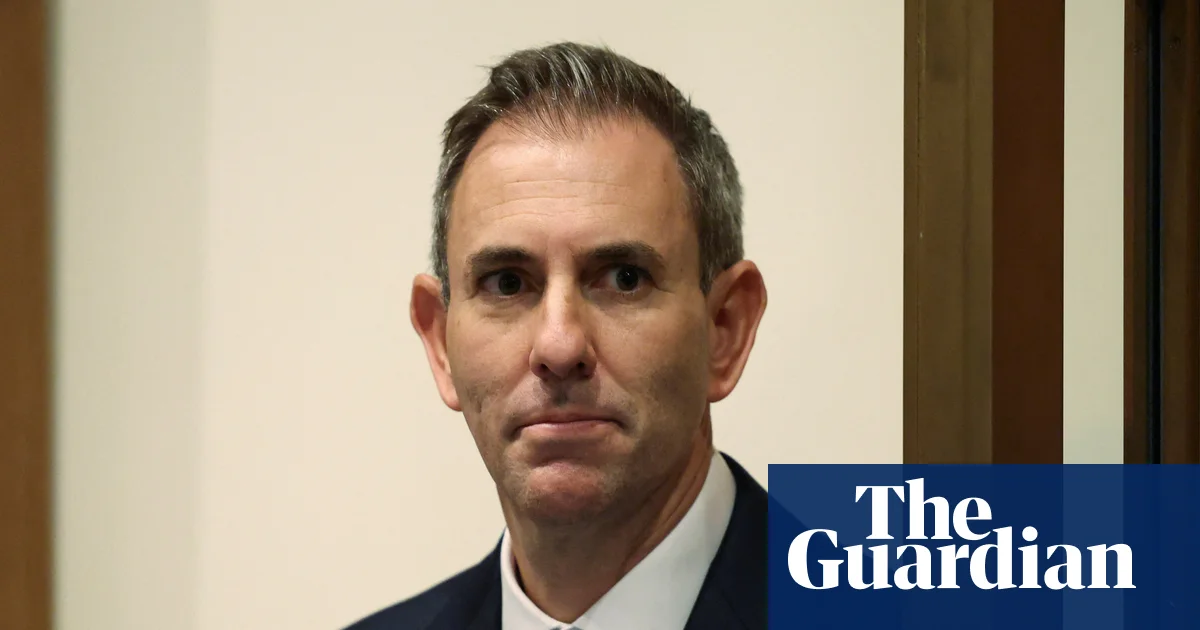
In a climate marked by mounting geopolitical tensions and economic uncertainties, Australia continues to chart a cautious course through its latest budget announcement. Jim Chalmers, the Treasurer, emphasized a commitment to fiscal discipline amidst international conflicts that threaten to deepen inflationary pressures. His pronouncements underscore a broader global trend where nations grapple with the destabilizing effects of ongoing conflicts and supply chain disruptions, most notably influenced by the US-Israel war and its impact on critical commodities such as oil and fertiliser. Recognizing the heightening economic risks, Chalmers pledged that Australia’s budget would aim to play “a helpful, not a harmful role in the fight against inflation,” managing the delicate balance between supporting citizens and safeguarding economic stability.
Domestic Policy Shifts and Political Calculations
Within this tense atmosphere, the Australian government faces mounting pressure over its domestic policies, especially regarding taxation and social support systems. The government’s decision to not extend the temporary halving of the federal fuel excise illustrates a strategic retreat, acknowledging the recent decrease in petrol prices from March highs. However, the decision not to prolong this measure beyond June signals a cautious approach in the face of a potentially deteriorating economic outlook. Concurrently, Labor plans to introduce reforms targeting intergenerational fairness, including changes to the capital gains tax (CGT) discount and negative gearing rules. These measures aim to quell community concerns that younger generations are being left behind due to current tax advantages enjoyed by seasoned investors. Yet, there remains political risk; Anthony Albanese explicitly ruled out modifications to negative gearing, potentially clashing with broader reform ambitions and risking perceptions of electoral compromise.
Geopolitical Ramifications and International Impact
The international landscape remains volatile, with key global institutions warning of how regional conflicts influence broader economic stability. The International Monetary Fund (IMF) and World Bank analysts closely monitor the escalating US-Israel conflict, concerned about how the ensuing supply disruptions could exacerbate inflation worldwide. These concerns are compounded by Australia’s strategic geopolitics, given its role as a significant supplier of resources and its alignment with Western security alliances. The intertwined nature of conflict-driven inflation, energy prices, and supply chain vulnerabilities demonstrates how local fiscal policies are not isolated decisions but part of a complex web responding to international shifts. In such a disturbed arena, Australia’s choices will reverberate beyond its borders, influencing regional stability and global economic health.
History, Analysis, and the Weight of Uncertainty
Historians and international analysts alike observe that, in times of crisis, governments are often forced into difficult choices with long-lasting repercussions. The current Australian government’s decision to recalibrate its fiscal stance, amidst promises and contradictions, echoes past moments where nations prioritized immediate stability over long-term reform. Such decisions echo the sentiments of economic thinkers like John Maynard Keynes, who warned that response to crises requires both restraint and adaptability.
As the world witnesses these unfolding policies, the question persists: will Australia’s prudent, responsible approach withstand the sustained pressures of global upheaval? Or will it succumb to the mounting hysteria of war, inflation, and political turbulence? History reminds us that in these pivotal moments, the choices made by current leaders determine whether nations will emerge resilient or linger in the shadows of economic and geopolitical chaos. With each decision, the faint echoes of history grow louder, warning of the profound consequences that lie ahead when the world’s balance is precariously destabilized.