Matox News

Truth Over Trends, always!

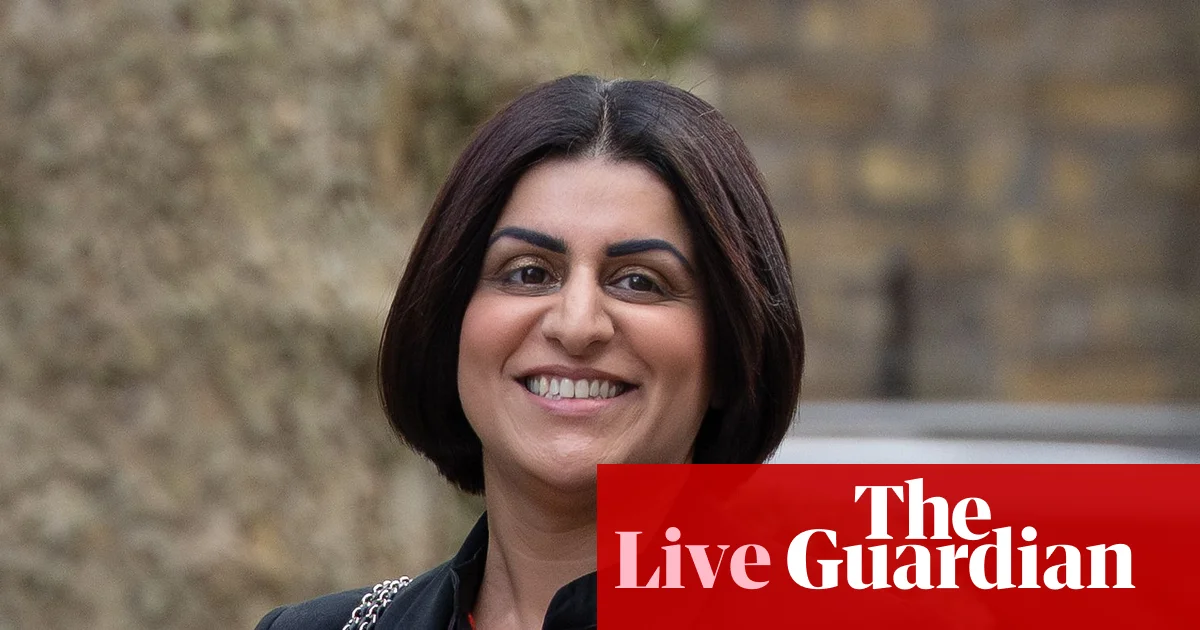
Shabana Mahmood pledges tough but fair asylum plan, opening door for some claimants to work—UK politics in motion

As 2026 unfolds on the international stage, a series of decisive decisions by major powers underscore a turning point in global geopolitics. Britain’s recent stance on military involvement in Iran, coupled with internal political turbulence, signals a shift towards assertive sovereignty and strategic autonomy. In the UK, internal debates over foreign military collaboration reveal the enduring tension between diplomatic independence and alliance commitments. Reports indicate that cabinet ministers, led by energy secretary Ed Miliband, blocked Prime Minister Keir Starmer from permitting the US to use British bases for strikes against Iran. This move, grounded in international law, reflects a cautious yet resilient approach, emphasizing the importance of adhering to legal frameworks even amidst pressure from the United States.

The refusal to facilitate US military operations from British soil is emblematic of a broader global trend—nations reassessing their roles in the new era of warfare. Analysts from the International Crisis Group argue that this stance not only preserves Britain’s legal integrity but also reinforces a narrative of strategic independence. However, it also entails risks; the UK’s firm stance risks alienating allies in the Middle East, who perceive perceived abandonment and vulnerability. Meanwhile, the US, eager to maintain regional dominance, has reportedly bypassed formal channels, working directly with military authorities to plan offensive actions, illustrating a shift toward unilateral decision-making by superpowers—this in turn complicates the international legal landscape.

In the Middle Eastern theater, tensions escalate as UK officials, along with their US counterparts, grapple with provocative drone attacks in Cyprus and the Levant. UK defense secretary John Healey’s diplomatic efforts in Cyprus highlight the seriousness of the threat posed by pro-Iranian militias, believed responsible for recent strikes on RAF bases. These attacks reveal how regional conflicts are becoming layered with international strategic interests, risking a broader conflagration. Furthermore, the Iranian retaliatory bombardment, following US and Israeli strikes, signals an ominous descent into a cycle of escalation, which analysts warn could spiral beyond control—an outcome that might well redefine regional power balances.

Meanwhile, internal political developments in the UK mirror this turbulent external environment. Home Secretary Shabana Mahmood announces measures to reform the domestic asylum system, with the potential to integrate thousands of asylum seekers into the workforce. Yet, critics—such as the Refugee Council—warn that such measures risk increasing homelessness and social unrest, reflecting internal divisions akin to those seen globally. This internal strife underscores a fundamental question: how societies balance national security, social stability, and humanitarian obligations in an era of heightened geopolitical tension?

As history continues to unfold in the shadows of these decisions, it becomes clear that the choices made today will ripple through decades. In a world where alliances are tested and sovereignty is asserted anew, the true impact extends far beyond borders. It is a relentless reminder that, in the crucible of history, nations are forging new identities—sometimes at odds, sometimes in reluctant unity—yet always bearing the weight of their collective destiny. The next chapters remain unwritten, but their ink will be scribed by the decisions that, right now, echo across the corridors of power and the collective consciousness of nations.

Fighting for What's Fair: Claiming Uni Covid Compensation Despite Uncertainty
Fighting for What’s Fair: Claiming Uni Covid Compensation Despite Uncertainty

Universities Face Legal Challenges Over Pandemic-Related Educational Gaps

In recent months, dozens of universities across the country have found themselves embroiled in legal disputes, after receiving legal notices from students claiming their educational experience was severely compromised during the COVID-19 pandemic. These legal actions highlight a persistent crisis in higher education, where students argue that prolonged closures, remote learning deficiencies, and lack of campus engagement have left them with inadequate preparation for the future and diminished educational value. While institutions initially responded with policies aimed at safeguarding public health, the ripple effects have now prompted a broader societal debate on the responsibilities of educational systems and the long-term effects on families, communities, and the fabric of society itself.

The students’ grievances underscore a fundamental social tension—that the pandemic, while a necessary public health measure, inadvertently exposed and exacerbated existing inequalities and shortcomings within our educational infrastructure. Many students contend that they missed out on critical experiences such as campus interactions, extracurricular activities, and hands-on learning opportunities that foster social cohesion, critical thinking, and personal growth. Sociologists like Dr. Jane Monroe warn that these disruptions threaten to widen the demographic gaps in higher education, disproportionately impacting first-generation college students, those from disadvantaged backgrounds, and families who rely on the stability and opportunities provided by a robust educational system.

Moreover, the legal challenges reveal how these educational gaps influence not only individual students but also the collective well-being of local communities. Without equitable access to quality education, families face uncertain futures, communities grapple with rising inequality, and social mobility becomes increasingly elusive. As historian Dr. Arthur Goldman notes, “Institutions of learning are the bedrock upon which societies build resilience and progress. When these are compromised, the societal fabric frays, especially for the youth who are our greatest hope for renewal.” The pandemic’s failure to provide a resilient educational environment serves as a poignant reminder that the social contract between students, families, and institutions must be reconsidered and strengthened.

In response to these challenges, many experts advocate for

  • reforms in online education technology,
  • greater investment in campus infrastructure,
  • and policies aimed at bridging demographic divides

. These initiatives aim to restore trust in higher education and ensure that future generations are not left behind in a society that continually evolves. Nonetheless, the core issue remains rooted in a moral imperative: society must recognize and address the deep, human impacts of educational disruption, especially on vulnerable populations and their families. As society stands at this crossroads, it is crucial to reflect on the lessons learned from the pandemic and the moral duty to rebuild an inclusive, resilient educational system that fosters not only knowledge but also a sense of community and hope.

As society faces these unprecedented challenges, the image of a resilient, equitable future hangs in the balance. For all their struggles and disputes, it is the collective responsibility to nurture a system that empowers families, uplifts communities, and inspires the next generation to forge a collective destiny rooted in opportunity and moral integrity. Only then can society hope to turn the page, transforming tragedy into a foundation for renewal—an enduring testament to the power of resilience and shared purpose in shaping a better tomorrow.

Reeves: Student Loan System Is Fair and Reasonable for Students and Society

The Societal Implications of the Government’s Student Loan Policy Shifts

In recent weeks, significant controversy has surfaced surrounding the government’s decision to freeze student loan repayments, a move that has sparked fierce debate across various sectors of society. The Chancellor’s protective stance on this policy aims to address economic strains faced by young adults, yet critics argue that it underscores a broader issue of social responsibility and moral obligation. Notably, Martin Lewis, a prominent financial commentator, has challenged the government’s stance, labeling the freeze as “not a moral thing,” thereby highlighting the moral calculus intertwined with economic policy.

Such decisions resonate profoundly within families, educational institutions, and communities. For families, particularly those from lower-income backgrounds, the ability to afford higher education can be a matter of social mobility. When loan repayments are frozen, it temporarily alleviates financial burden; however, The underlying societal tension remains the same—are we prioritizing immediate economic relief over long-term social equity?. The policy’s ramifications extend into the educational landscape, where access and affordability serve as gatekeepers to opportunity. Sociologist Dr. Emily Carter notes that “when social policies shift in ways that may disincentivize financial responsibility, we risk creating generations disconnected from the moral fabric that underpins societal cohesion.”

Furthermore, the social fabric of communities endures the ripple effects of these policies. Opponents warn that the freeze could inadvertently entrench economic disparities, leaving vulnerable populations further behind. Conversely, proponents argue that it provides necessary breathing space for young professionals to establish themselves without the crushing weight of debt. Historically, as sociologist Peter Saunders reminds us, “Societies that neglect the moral dimension of economic policy often experience long-term social fragmentation.” The debate thus encapsulates a fundamental question: Should economic policy serve immediate relief or foster sustainable social bonds?

As society grapples with this challenge, community leaders, educators, and families face the task of cultivating resilience amid uncertainty. The social issue of student debt becomes not only a matter of individual finance but a symbol of societal values and priorities. Looking ahead, hope lies in fostering a balanced approach—one that recognizes the moral stakes behind such policies while ensuring that economic strategies bolster social cohesion. Society, after all, is not merely a collection of individuals but a living community rooted in shared responsibility and moral accountability. As the nation navigates these turbulent waters, one cannot help but ponder whether future generations will look back on this era as a turning point—either as a moment of moral awakening or a chapter of societal neglect—calling us to choose the path that preserves the dignity of family, education, and community.

Director of Kim Kardashian’s All’s Fair addresses critics: ‘We’re hopeful opinions will shift’ | U.S. Television

In an era where cultural expression often mirrors societal shifts, the recent reception of the series “All’s Fair” highlights a crucial lesson: not everything curated for mass consumption will resonate universally, and that divergence is itself a reflection of society’s complex fabric. Directed by Anthony Hemingway, a veteran of acclaimed productions such as The Wire and True Blood, the show purports to explore themes of law, femininity, and human frailty through the lens of a female-led law firm specializing in divorce. Yet, despite its ambitious storytelling and the star power of Oscar nominees like Glenn Close and Naomi Watts, it has faced scathing criticism and has been labeled as “fascinatingly, incomprehensibly, existentially terrible” by critics. Such disparagement raises the question: in a culture increasingly obsessed with instant validation, how do we discern genuine artistry from superficiality?

The critics’ aversion to “All’s Fair” exemplifies a broader cultural tendency towards dismissiveness of ventures that challenge the conventional. Hemingway’s response—that “not everything is for everybody”—echoes the insights of thinkers like Ortega y Gasset, who lamented the commodification of culture and underscored the importance of individual aesthetic judgment. In a time preoccupied with the superficial, authentic artistry must often grapple with indifference before claiming its rightful place in the cultural dialogue. Hemingway draws a pertinent parallel between the show’s initial reception and the initial indifference that characterized revolutionary works such as Shakespeare’s or Beethoven’s. Like them, “All’s Fair” seeks to strike a chord that may not resonate immediately but holds the potential for cultural relevance over time, emphasizing that true art often requires patience and openness to new paradigms.

Furthermore, Hemingway’s defense of the show as “wish fulfillment” and a reflection of the human condition highlights an essential argument: culture’s role in shaping identity and societal understanding. In an age where cynicism often dominates, the attempt to grapple with how humans process loss, hope, and justice through storytelling remains vital. This echoes Chesterton’s assertion that “art is the signature of man,” an indelible mark of human aspiration and frailty. As history and philosophy remind us, culture is both memory and prophecy—a record of our collective past that guides and informs our future. Hemingway’s emphasis on the show’s evolving nature and his call for patience encapsulate this notion, suggesting that true cultural works are less about immediate applause and more about planting seeds for future reflection.

In the end, the enduring power of culture lies in its ability to connect us to ourselves and to the times yet to come. Like a song that echo’s through the ages or a monument carved in stone, it embodies our hopes, fears, and memories. As T.S. Eliot noted, “Our civilization is in a state of flux, but culture—true culture—is what sustains and elevates us through change.” Thus, whether “All’s Fair” finds its audience or not, it reminds us of the vital truth: culture is both our collective memory and our prophetic voice—an enduring testament to the nobility and complexity of human life, inspiring us still to dream, reflect, and forge a future rooted in our deepest human essence.

Sikh man with brain tumour detained by U.S. immigration, raising concerns about fair treatment

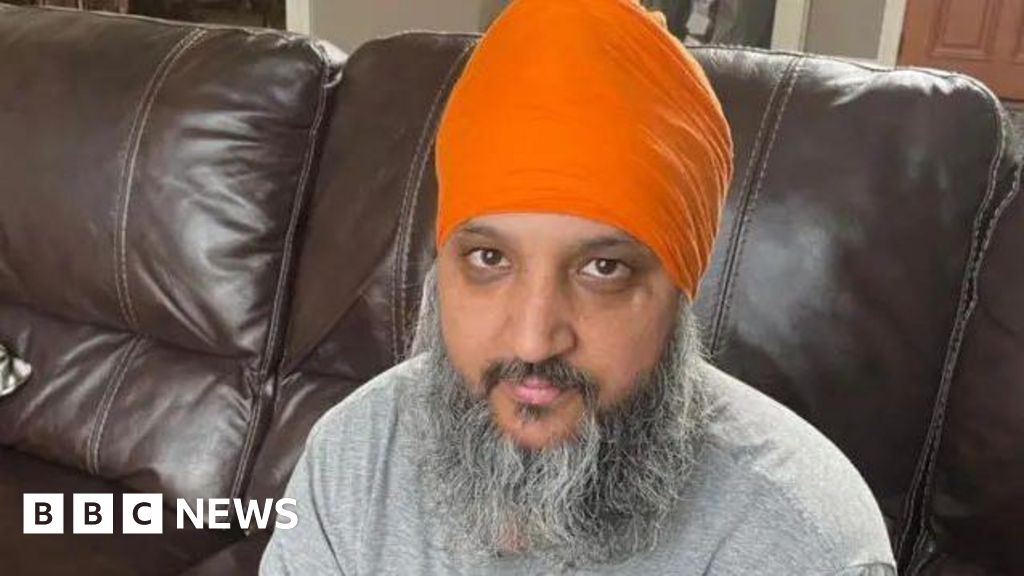
In recent weeks, United States immigration policies have taken center stage, revealing a complex interplay of national security, legal authority, and human rights controversies. The case of Paramjit Singh, a long-time resident of Indiana and US green card holder since 1994, exemplifies the disturbing human consequences of this policy shift. Detained amid allegations based on decades-old criminal records, Singh’s case underscores a broader pattern of aggressive immigration enforcement under the administration of President Donald Trump. As the US government pushes for the deportation of perceived “undesirables,” critics argue that this approach sacrifices fundamental fairness, particularly targeting individuals with no active criminal record or recent infractions, and ignoring humanitarian concerns such as health crises.

Singh’s detention, which has spanned over two months, is emblematic of a wider crackdown on immigration that oscillates between rhetoric and reality. The Immigration and Customs Enforcement (ICE) has invoked old cases—most notably from 1999 and 2008—to justify his detention, although family and legal advocates argue these allegations are either outdated or mistaken. The case involves Singh’s minor conviction for using a public phone without payment, a conviction that nonetheless resulted in his being barred from obtaining citizenship. More troubling is the assertion by authorities that he faces additional charges, which his family contests, claiming no such fingering exists in the state’s criminal records. This pattern suggests a potential misuse or misinterpretation of legal documents, which, when combined with the detention’s conditions, raises serious questions about procedural justice.

International observers and legal experts warn that such policies threaten not only individual rights but also geopolitical stability, especially as the US seeks to project strength through border enforcement. The detention of Singh occurs against a backdrop of a “zero-tolerance” approach emphasized by the Trump administration, with rhetoric promising the deportation of the “worst of the worst.” However, critics highlight that many non-criminal immigrants, like Singh, find themselves caught in this aggressive net, often without proper recourse. Countries such as India and Pakistan have expressed concern over cases involving alleged wrongful detention of their nationals, positioning these incidents within broader diplomatic tensions. The deportation and detention policies are thus mirrored by a rising global scrutiny, as international organizations warn of the erosion of due process and human rights protections—fundamentals upon which international law is built.

  • The detention of Singh is set for a hearing on October 14, highlighting the ongoing legal tussle that underscores the policies’ unpredictability.
  • The US administration’s emphasis on removing individuals based on historical records, regardless of current activity or health status, signals an evolving immigration paradigm that prioritizes security over fairness.
  • International reactions, especially from India, reflect growing concern over the treatment of their nationals, emphasizing how domestic policies can ripple across borders, heightening geopolitical friction in an already tense global atmosphere.

Historians like Howard Zinn and analysts at international NGOs have long warned that policies championed as “security measures” often serve as smokescreens for deeper societal exclusion and racial profiling. The Singh case is more than an isolated incident; it is a symbol of a nation grappling with its identity amidst the shadows of its immigration laws, where the weight of history—both legal and societal—continues to shape individual fates. As Singh’s case prepares for its next court hearing, the question remains: how will the US reconcile its values of justice and compassion with its choice to pursue an increasingly hardline stance? Sometimes, history seems to turn on a dime, revealing that the true cost of such policies is paid not just in legal doctrine but in the lives of ordinary people—whose stories may only be heard when the pages of history are finally turned.”

Social Media Auto Publish Powered By : XYZScripts.com