Matox News

Truth Over Trends, always!

No 10: Falklands Sovereignty Secure with UK After US Review Rumors

Amidst the shifting gears of international diplomacy and increasingly complex security dynamics, an internal Pentagon document has emerged, revealing alarming considerations of a potential change in stance by the United States. The document reportedly indicates that the Pentagon is contemplating a retaliatory shift in policy should the United Kingdom abstain from participating in military operations targeting Iran. Such a revelation underscores the fragile nature of transatlantic cooperation and the volatile landscape of Middle Eastern geopolitics, with profound implications for global stability.

This internal communication reflects growing tensions within the U.S. Department of Defense regarding the strategic approach toward Iran—long a thorn in the side of Western powers. Historically, the United States has maintained a robust stance, often pushing for increased pressure through sanctions, diplomatic isolation, and military readiness. However, the explicit mention of retaliation over the UK’s choice signals an escalation in intra-alliance dynamics and reveals a readiness to leverage military power as a form of coercion. The potential shift could mark a departure from multilateral diplomacy towards a more unilateral, confrontation-based approach, a move that many analysts warn could destabilize already fragile regional cooperation.

Across the globe, international organizations and seasoned geopolitical analysts have expressed grave concern over these developments. The International Crisis Group warns that such internal debates threaten to undermine the very fabric of the global coalition against Iran’s nuclear ambitions, endangering years of painstaking diplomatic efforts. Historians note that internal policy shifts within the Pentagon often serve as harbingers of broader geopolitical contests. The decision-makers’ apparent readiness to escalate tensions, even bordering on brinksmanship, signals a critical juncture—one where the stakes are no longer limited to Iran but extend to the stability of the Middle East, the security of NATO nations, and the balance of power on the global stage.

As this internal controversy unfolds, the geopolitical impact becomes evident:

  • The United Kingdom, traditionally a key partner in Western efforts, finds itself caught between alliance commitments and national sovereignty, especially as repercussions for its choices could directly influence its strategic interests.
  • For Iran, the prospect of intensified military pressure sharpens its resolve to develop clandestine nuclear capabilities, potentially igniting a regional arms race.
  • Allied nations face a widening debate over the efficacy of military intervention versus diplomatic engagement, a dilemma exacerbated by the internal rift suggested in the Pentagon document.

How these decisions will shape the coming months remains uncertain. Yet, the very fact that such internal deliberations are now public demonstrates the increasing volatility and unpredictability of the current international order. Analysts warn that an escalation into outright conflict could ignite a broader confrontation, destabilizing governments and societies alike. As history continues to be written through these high-stakes decisions, the world watches, acutely aware that the next chapter may determine the fate of peace and security in the 21st century, forever etched into the annals of history’s ongoing narrative.


Downing Street asserts Falklands sovereignty is UK’s, responds to leaked Pentagon report

Global Tensions Rise: The UK, US, and the Falkland Islands at the Crossroads of Power

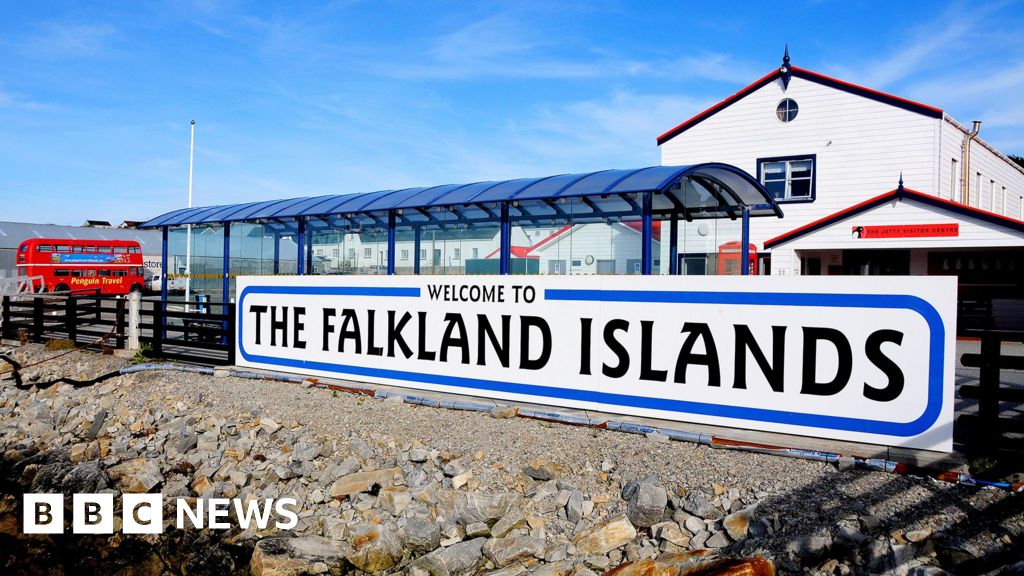
In an era marked by strategic recalibration and fiery national disputes, recent developments exemplify the fragile yet fiercely defended webs of geopolitical power. The U>K government has reaffirmed its sovereignty over the Falkland Islands, dismissing reports suggesting the US might reconsider its stance—a move that underscores the enduring importance of colonial legacies and territorial self-determination in international relations. The UK’s firm stance, echoed by Downing Street officials, highlights a classic defense of sovereignty rooted in balloting and local support: “The Falkland Islands have overwhelmingly voted in favor of remaining a UK overseas territory.” This unshakable position not only highlights the territorial integrity believed to be fundamental to national identity but also signals ongoing resistance to external pressure, particularly from global powers wary of re-drawing colonial maps.

Adding a layer to this complex geopolitical chessboard, the United States’ internal debates reveal sharp divisions. Leaked reports from the Pentagon exposed internal discussions about punishing allies within NATO—specifically, suspending Spain and re-evaluating support for “imperial possessions” such as the Falkland Islands—should they not align with Washington’s geopolitical ambitions. Experts suggest this could be a strategic move aimed at testing European unity and dominance in global territorial issues, gradually shifting US policy towards a more unilateral stance. Notably, the US’s explicit consideration of altering its long-standing support for the Falkland Islands marks a significant departure from diplomatic norms that generally favor stability and respect for colonial legacies, raising fears among global analysts that America’s strategic pivot might threaten the balance of power in the South Atlantic.

Meanwhile, the UK’s political arena is embroiled in its own battles, with Prime Minister Keir Starmer committed to maintaining control amidst scandals and the growing influence of internal critics. Despite calls for resignation stemming from a vetting scandal involving Peter Mandelson, the government affirms that Starmer’s leadership remains resolute, asserting that he will serve “throughout this parliament and beyond.” The debate around the assisted dying bill further exposes internal tensions—highlighted by the loss of legislative momentum in the House of Lords, where numerous amendments threaten its passage. Such domestic disagreements, coupled with external threats, reinforce the notion that the current international environment demands unwavering leadership and strategic resilience from Western democracies, all while societal debates over morality and human rights continue to divide opinions.

In a broader reflection, historians and global analysts warn that these patterns are indicative of a new phase in international order—an era where sovereignty is increasingly challenged, and alliances are tested. The narrative of the Falklands, the US’s assertive posturing, and London’s internal strife point towards a developing landscape where the enduring battle for influence, territory, and national identity is far from over. As decisions made today ripple into future generations, the weight of history presses down, leaving a world on the brink of further upheaval—where the echoes of colonial pride, superpower rivalry, and internal cohesion collide in an uncertain dance of diplomacy and conflict.

Social Media Auto Publish Powered By : XYZScripts.com


