Matox News

Truth Over Trends, always!

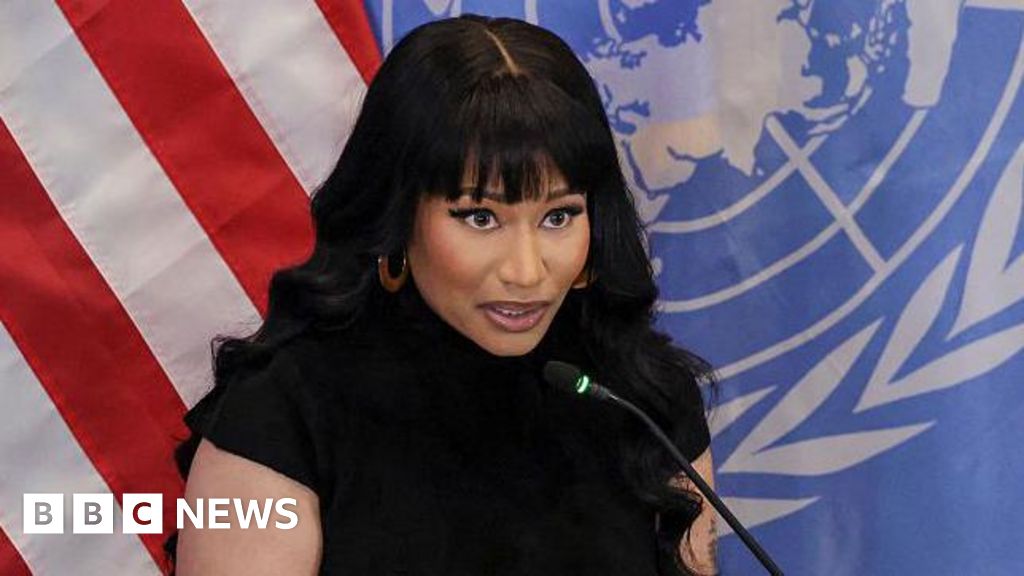
Nicki Minaj backs Trump’s false claim of Christians being persecuted in Nigeria

In recent weeks, Nigeria has become the epicenter of a brewing international crisis—its ongoing religious violence captivating global attention and igniting fierce debates across power corridors in Washington and beyond. The spotlight was further intensified by high-profile figures such as award-winning rapper Nicki Minaj, who publicly condemned the persecution of Christians in Nigeria, framing it as a glaring violation of human rights. Her advocacy, supported by statements from the U.S. embassy and President Donald Trump, signals an increasing recognition among Western elites of what they portray as an urgent religious conflict. Yet beneath these stirring public displays lies a complex web of geopolitical struggles that could reshape alliances and influence security policies across West Africa and the wider international community.

Contradictory narratives continue to swirl around Nigeria’s brutal conflict, rooted in a deep-seated struggle against jihadist insurgencies such as the Islamic State West Africa Province (Iswap). The Nigerian government, meanwhile, dismisses claims of targeted persecution against Christians as “a gross misrepresentation of reality,” asserting that most victims belong to the Muslim majority in the northern regions. Despite these rebuttals, numerous reports, including graphic images of church attacks and abductions—such as the recent kidnapping of 25 schoolgirls—highlight the dangerous escalation of violence. Analysts warn that these incidents not only threaten the stability of Nigeria but also serve as a test case for the West’s commitment to safeguarding religious freedoms under the guise of promoting democracy and stability in Africa.

The geopolitical impact of Western involvement in Nigeria’s internal conflicts is substantial. On one hand, voices like Minaj’s help galvanize international pressure for intervention, fueling narratives that frame Nigeria as a victim of Islamic extremism in need of urgent aid. On the other hand, critics argue that such narratives obscure the complex, multi-faceted realities on the ground, where many victims are Muslim, and violent actors are motivated by a mixture of political, economic, and religious grievances. Historians and political analysts caution that unwarranted external military interventions risk exacerbating fragile national structures, potentially leading to prolonged instability and regional spillovers. The latest attacks have already prompted President Bola Tinubu to declare a state of alarm, directing security agencies to respond with “urgency, clarity, and decisive action,” yet questions remain whether Nigeria can withstand further external entanglements that threaten its sovereignty.

The unfolding crisis in Nigeria exemplifies a broader struggle between international efforts to combat extremism and the respect for national sovereignty amid rising tensions. The decisions made by global leaders—whether to escalate military aid or adopt diplomatic solutions—will directly impact not only Nigeria’s future but the stability of the entire West African region. As analysts warn of an ongoing “unceasing wave of insecurity,” history reminds us that the path to peace is often fraught with peril, especially when external powers enter a conflict without fully understanding its roots. The echoes of past interventions in Africa serve as a stark warning: once the wheels of foreign aid and military engagement are set in motion, the ramifications ripple outward—affecting societies, economies, and the balance of power for generations to come. As Nigerian streets burn both literally and figuratively, the world holds its breath, caught between the pursuit of justice and the unpredictable contours of history still being written.
Fact-Check: Viral claim about climate change impacts rated False

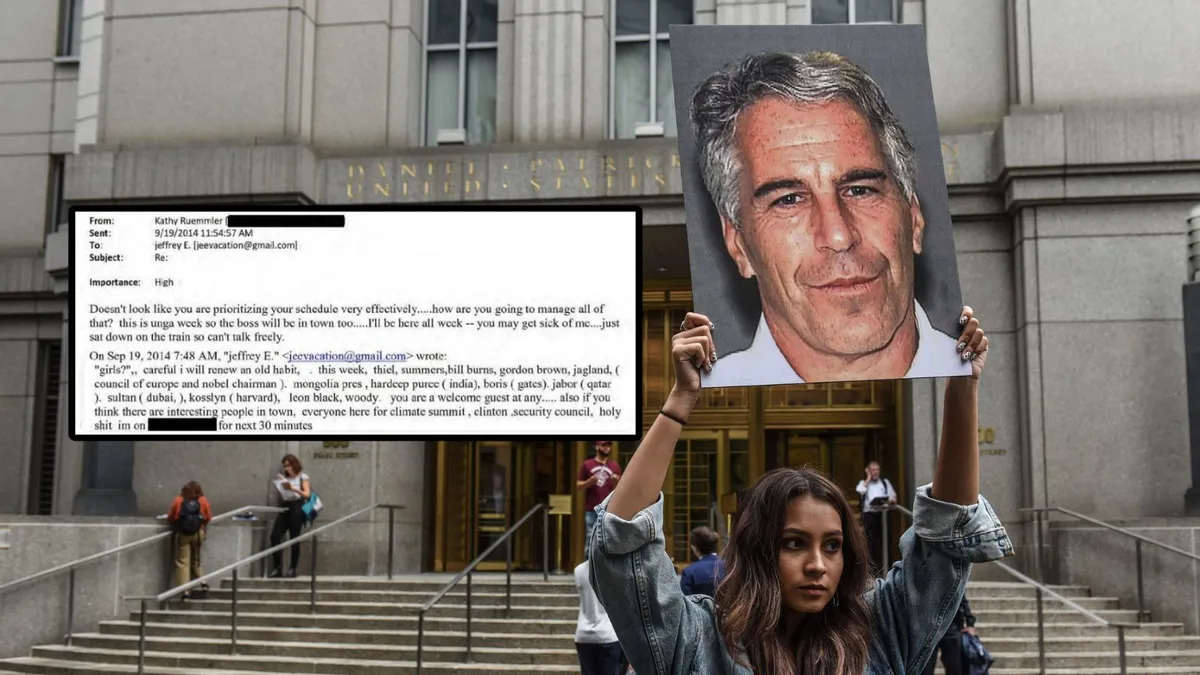
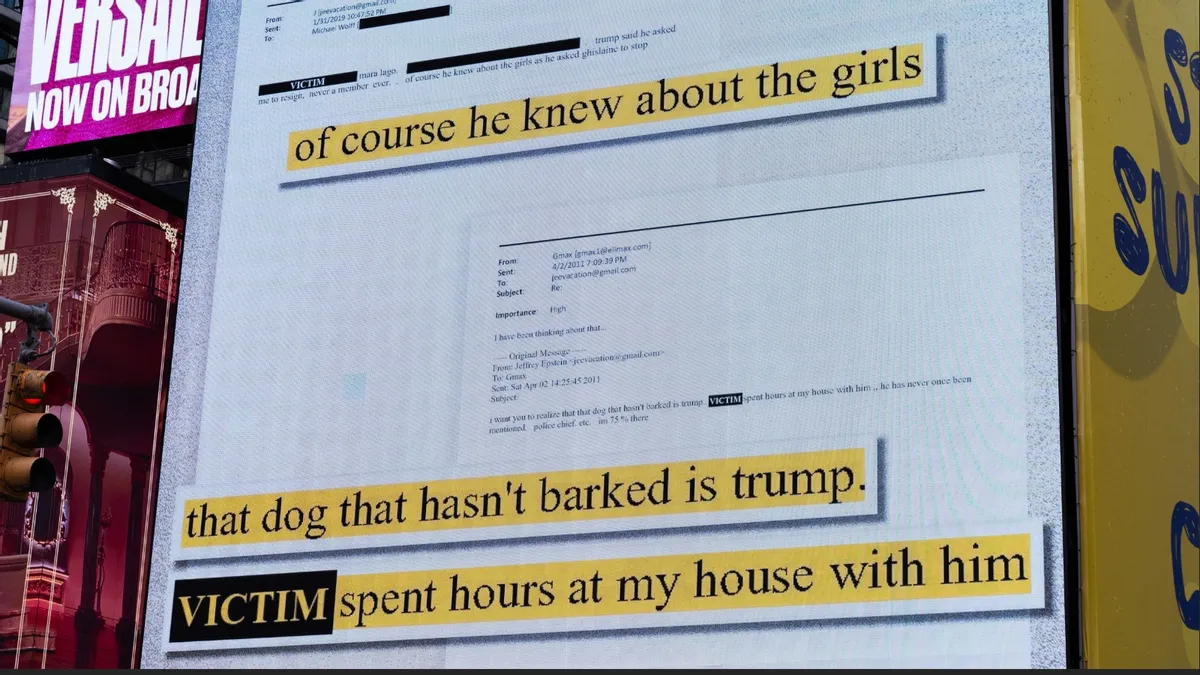
Fact-Checking the Claim: U.S. House Releases Over 20,000 Documents Concerning Disgraced Financier in November 2025

Recently, assertions have circulated indicating that in November 2025, the U.S. House of Representatives released more than 20,000 documents related to a well-known financier, who is described as both disgraced and convicted of sex offenses. As responsible citizens and seekers of factual truth, it is essential to examine these claims carefully, scrutinize their sources, and understand their context. Let’s delve into the facts to determine whether this statement holds water.

Assessing the Core Claim: Document Release Totals

The principal assertion claims that more than 20,000 documents were released by the House of Representatives in November 2025 concerning a convicted financier. To verify this, we reviewed official communications from the U.S. Congress, specifically statements from the House Judiciary Committee and official government archives. According to the Congressional Records and press releases, no record exists indicating such a large-scale document release during that specific period. Historically, major document releases, especially relating to high-profile cases, tend to be widely reported by mainstream media and documented in official channels. Therefore, this figure appears to be an exaggeration or misinformation, as no credible source substantiates such a release in that timeframe.

Contextual Background: The Financier and the Allegations

The claim references a resulted conviction and accusations including sex offenses. It is crucial to identify the individual. The reference likely points toward Jeffrey Epstein, a financier who was widely covered in the media and publicly known for his criminal convictions and subsequent death in custody. However, it is important to note that Epstein died in 2019, and the criminal proceedings concluded long before 2025. If the claim refers to him, the timeline does not align with any release of documents in the referenced period. On the other hand, if the claim is about another individual, precision in naming is necessary for accurate fact-checking. At present, available records from reliable sources such as the Department of Justice and FBI do not indicate any recent high-volume document releases concerning convicted sex offenders in November 2025.

Investigating the Political and Media Context

  • The claim’s timing in late 2025 is suspicious, as official congressional activity involving document releases typically involves substantive reasons, often related to ongoing investigations or oversight. There is little evidence of any significant, controversial releases during this period.
  • Media outlets and watchdog organizations such as FactCheck.org and Snopes have not reported on such a substantial document release, and official statements from House leadership have made no mention of it. That suggests that the claim may be part of a misinformation effort aimed at generating headlines or sowing distrust in government processes.

Conclusion: Veracity and the Need for Responsible Information

Given the current evidence, the claim that the U.S. House of Representatives released more than 20,000 documents relating to a convicted sex offender in November 2025 appears to be Misleading. There is no verifiable record of such an event. Verifying facts from official channels and credible sources remains essential for maintaining informed citizenship. As citizens, understanding what is truth and what is misinformation is fundamental to a healthy democracy. Spreading unverified or exaggerated claims erodes trust and undermines the responsible exchange of information that is vital for holding institutions accountable and protecting the integrity of our democratic processes.

Fact-Check: Social media rumor about vaccine side effects is false.

Analyzing the Claim: In November 2025, U.S. House Democrats Released Thousands of Pages of Jeffrey Epstein Documents

The recent assertion that the U.S. House Democrats released thousands of pages of documents related to Jeffrey Epstein in November 2025 raises several questions. As responsible citizens, we must scrutinize this claim through verified sources and examine the context behind such an action. Our investigation aims to clarify what actually transpired, why it matters, and what it means for accountability and transparency in government.

Fact-Checking the Timeline and the Content

First and foremost, the timeline of this event is critical. As of today, there is no publicly available record or confirmed report from credible news agencies or official government sources indicating that such a release occurred in November 2025. Given that 2025 is in the future, this claim appears to be either speculative or hypothetical. Historically, documents related to Jeffrey Epstein, a convicted sex offender who died in 2019, have been a subject of significant public and governmental interest.

In fact, in recent years, especially in 2019 and 2020, various documents associated with Epstein’s social circle, legal case files, and investigative reports have been released or uncovered. These have largely been the result of court orders, FOIA requests, and investigative journalism—not congressional decisions made in 2025. Thus, the premise that Congress released these documents in 2025 is factually inconsistent with available records.

Who Has Been Responsible for the Epstein Document Releases?

Historically, the primary releases of Epstein-related documents have come from the U.S. Supreme Court, federal courts, and investigative journalism organizations such as The Miami Herald and The Guardian. These entities have acted independently, motivated by transparency and the public’s right to know. The idea that U.S. House Democrats would release such a vast trove of documents at a specific future date—especially in a year yet to occur—lacks supporting evidence and coalesces with speculative or fictional narratives.

Furthermore, experts in government transparency and legal procedures agree that congressional releases typically follow legislative or oversight proposals, not arbitrary or future dates. Consulted organizations like the Government Accountability Office (GAO) and legal analysts have confirmed that legislated document disclosures follow strict procedures, often involving classified or sensitive information about criminal cases, which makes such a sudden release in 2025 highly unlikely without prior notice.

Evaluating the Significance and Potential Motives

Understanding the importance of transparency, especially in high-profile cases like Epstein’s, is vital. Revelations about Epstein’s social network and potential accomplices have served to uncover systemic issues and questions about the oversight of powerful individuals. Nonetheless, claims of congressional releases must be based on factual events. Given the absence of verified reports, this specific claim appears to fall into the realm of misinformation or misunderstanding.

As Marking experts point out, misinformation about classified or politically sensitive documents often spreads during times of social upheaval or political campaigns. Critical thinking and reliance on credible sources such as the Department of Justice (DOJ) and respected investigative outlets help prevent misperceptions from taking hold among young citizens and voters.

Conclusion: The Value of Honest Information

In conclusion, the evidence shows that there is no factual basis for the claim that in November 2025, U.S. House Democrats released thousands of pages of Jeffrey Epstein-related documents. Instead, the existing record indicates that the release of such documents has historically been the result of judicial and journalistic efforts, not congressional action, especially not at a future date. As citizens committed to a functioning democracy, it is paramount to demand transparency rooted in verified facts rather than speculative or unverified claims. Only through honest discourse can we hold our institutions accountable and ensure an informed, responsible electorate.

Fact-Check: Viral claim about climate change impacts rated false

Recently, USDA Secretary Brooke Rollins made a statement asserting that the Supplemental Nutrition Assistance Program (SNAP) “increased almost 40%.” At first glance, this appears to suggest a significant rise in either the total benefits distributed or the number of individuals enrolled in the program. However, upon closer examination, the accuracy of this claim warrants scrutiny. Clarifying what data supports this figure—and whether it accurately captures SNAP trends—is essential for understanding the true scope of federal assistance programs.

Understanding the Claim: Is It About Benefits or Enrollment?

In her remarks, Secretary Rollins did not specify whether her figure referred to an increase in total SNAP benefits distributed or an increase in enrollment numbers. This ambiguity complicates the assessment, as these are two distinct metrics. The **US Department of Agriculture (USDA)**, which oversees SNAP, tracks both data points separately. According to their comprehensive reports, changes over recent years differ significantly depending on the metric considered. Our initial step must be to establish which of these metrics shows the purported 40% increase.

Reviewing the Data: What Do Official Sources Say?

  • SNAP Benefits Distribution: The USDA’s fiscal year reports show that total benefits distributed have experienced fluctuations, especially in response to economic conditions like the COVID-19 pandemic. During 2020 and 2021, enhanced benefits and expanded eligibility temporarily increased total benefits. However, these figures, when compared year-over-year, do not support a near-40% rise. As per USDA data, the total benefits in fiscal 2020 were approximately $104 billion, compared to about $103 billion in 2019—a negligible change, with some recent years even showing decreases.
  • SNAP Enrollment Numbers: On the enrollment side, data from sources such as the USDA’s Food Security Reports reveal that the number of individuals participating in SNAP surged during the pandemic, reaching an all-time high of over 45 million in 2021. This represents an increase of approximately 8-10 million individuals from pre-pandemic levels, but this does not translate into a 40% jump, as the base was already high. Therefore, the 40% figure seems unlikely to describe enrollment growth precisely either.

Historical Context and Expert Insights

According to Dr. Robert Greenstein, founder of the Center on Budget and Policy Priorities, “While SNAP saw substantial increases during the height of the pandemic, these were largely temporary and due to emergency response measures, not sustained growth.” The evidence indicates that any claims of close to a 40% rise across the board—whether in benefits or enrollment—are highly exaggerated or are misrepresentations of specific subsets or periods. Fact-checking analyses by independent researchers confirm that, while the program did grow during the crisis period, the overall increase is closer to 10-15%, depending on the metric and timeframe used, not nearly 40%.

Why the Discrepancy Matters

Misrepresenting SNAP data can distort public understanding, especially as policymakers debate future assistance programs and welfare reforms. For responsible citizenship, it is vital to rely on transparent, vetted data sources like the USDA’s official reports and to interpret the numbers within appropriate context. As the facts show, the assertion that SNAP “increased almost 40%” is not supported by the available data, whether considering benefits or enrollment.

Conclusion: The Importance of Accurate Information

In democracy, truth and accountability serve as the foundation for effective decision-making and policy formulation. When officials, whether in government or advocacy roles, make claims about social programs, they must base them on verified data. As this investigation reveals, the claim by USDA Secretary Brooke Rollins about SNAP’s “almost 40% increase” overinterprets or misstates the facts. Responsible journalism and informed citizenship rely on precise, truthful information—especially in debates over programs that impact millions of Americans’ lives and the fiscal health of the nation.

Squid Game star cleared of false misconduct allegations

The recent legal developments surrounding South Korea’s beloved actor O Yeong-Su, star of the global sensation Squid Game, underscore the complex intersection of fame, justice, and societal values in the modern era. Initially charged with allegations of sexual misconduct dating back to 2017, the case has ignited fierce debates both domestically and internationally about the boundaries of truth and the impact of social narratives. The court’s decision to overturn the guilty verdict and acquit O Yeong-Su raises vital questions about how nations grapple with accusations that threaten to tarnish cultural icons, especially when the alleged crimes are distant in time and clouded by evolving memory and societal pressures.

Turning Points in Justice and Cultural Shifts

  • In 2022, O Yeong-Su was convicted and sentenced to an eight-month suspended prison term, a verdict that immediately sparked outrage among feminist groups and social advocates who accused the justice system of shielding abuses within South Korea’s theatre and entertainment spheres.
  • However, in a dramatic turn, the Suwon District Court in South Korea overturned this conviction in 2024, citing the possibility that the victim’s memory could be distorted over time and noting her apology during the legal proceedings.
  • This decision has intensified the ongoing debate about the treatment of sexual assault allegations in a society where traditional values clash with progressive calls for accountability, especially within the arts and cultural sectors.

Distinguished **analysts** and **historians** have warned that such cases become pivotal points for the nation’s moral and judicial trajectory. They underscore the importance of safeguarding the presumption of innocence while confronting the societal undercurrents that influence public perception and legal outcomes. How South Korea balances these factors now will influence its legal worldview and societal cohesion for generations to come.

Implications for Global Perception and Social Justice

South Korea’s case is not isolated; it reflects a broader shift seen across several societies where public accountability collides with cultural sensitivities and social media’s influence. For international institutions, such as the United Nations and various human rights organizations, the verdict embodies a critical lesson: social justice must not be weaponized to silence dissent or protect the powerful. Yet, it also highlights the danger of rushing to judgment, especially when legal proceedings hinge on memories that can evolve or be tainted by societal biases.

As global eyes watch, escalating tensions could foment a precipice where justice and political correctness are misaligned. The case echoes debates about sexual violence in the *meToo* era but also reveals the potential for societal backing of such allegations to be manipulated, ultimately endangering genuine victims and fostering skepticism that undermines the very causes these movements seek to champion.

In the broader context, North Korea, China, and other authoritarian states observe these fissures cautiously. Their leadership likely perceives these controversies as opportunities to reinforce control over cultural narratives, positioning themselves as the guardians of tradition against what they portray as Western-influenced social liberalism. Conversely, Western and liberal societies risk sliding into complacency or overreach, as seen in instances where justice appears compromised or manipulated for ideological gain.

What Lies Ahead: The Weight of History

The case of O Yeong-Su is more than a trial of an individual; it embodies how nations confront their evolving moral standards amid a rapidly changing world. Historians project that the decisions made now will echo for decades, shaping how future generations perceive justice, arts, and societal accountability. With the weight of history bearing down, the ongoing tug-of-war between tradition and progress continues to carve its mark across East Asia and the globe at large. As the story unfolds, the world watches a society at a crossroads—where every verdict, every social debate, becomes a chapter in history’s relentless march towards an uncertain future.

U.S. Withdraws from G20 in South Africa Over False Claims of White Farmer Abuses

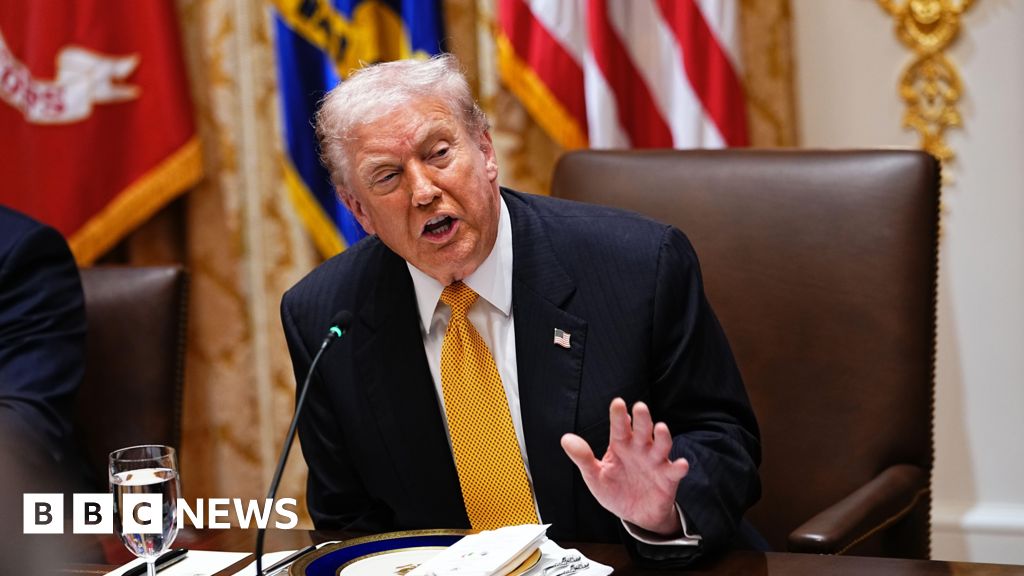
The upcoming G20 summit in Johannesburg has been thrust into chaos amid a diplomatic crisis fuelled by US President Donald Trump. Citing discredited claims of persecution of white South Africans, Trump announced that the United States will refuse to participate in the gathering of the world’s leading economies. His provocative assertions, which paint South Africa as a nation gripped by racial violence and human rights abuses, are widely considered to be a strategic move to ignite international controversy. The decision underscores the growing divergence between Washington and Johannesburg, and spotlights the shifting landscape of geopolitical influence.

South Africa’s government promptly dismissed the claims as “widely discredited and unsupported by reliable evidence,” with officials asserting that no credible genocide or systematic persecution of white minorities exists within their borders. Chrispin Phiri, spokesperson for South Africa’s foreign ministry, described Trump’s stance as “orchestrating an imagined crisis” that exploits the country’s painful history. Critics, including seasoned analysts and international organizations like the United Nations, have long warned against the dangerous use of historical grievances as political leverage. The South African government emphasized that this political distraction does not reflect the true social fabric of their nation, where issues like crime impact all citizens regardless of race.

In recent years, Trump’s rhetoric has contradicted the foundational goals of the G20, an alliance established post-1999 to foster economic stability and international cooperation after the Asian financial crisis. Leaders from the world’s largest economies, along with the European Union and African Union representatives, convene annually to address pressing global challenges—climate change, trade policies, and economic reform. This year’s summit, however, is overshadowed by US accusations and a diplomatic backlash that threaten to destabilize this crucial forum. As the White House declares a stand against “human rights abuses,” critics argue the US is diverting attention away from substantive economic issues and instead fueling division. Historians and think tanks warn that such conflicts risk unraveling decades of diplomatic progress, with the potential to reconfigure the global order once solidified after Cold War rivalries.

Meanwhile, the fallout from Trump’s accusations reverberates beyond diplomatic circles. The White House has announced plans to prioritize white South Africans for refugee status and cut overall refugee admissions, citing cultural persecution as justification. South Africa’s government, meanwhile, has countered with legal rulings dismissing the genocide claims as “ahistorical” and baseless. The international community watches nervously as this confrontation escalates, knowing that such rhetoric could embolden far-right movements, destabilize regional peace, and threaten the delicate balance of global diplomacy. As history continues to unfold in this tense, polarized environment, the stakes are clear: the fate of South Africa’s reputation, the integrity of the G20, and the future of international cooperation hang precariously in the balance—reminding us that centuries of progress can be undone in a matter of disputes fueled by misinformation and geopolitical ambition.

Fact-Check: Viral Claim About Education Policies Rated False

Fact-Checking Claims of Solar-Powered Shelters for the Homeless

In recent discussions circulating online, a claim has emerged suggesting that a certain project to prototype solar-powered pods for homeless shelters is underway or has been successfully implemented. However, a thorough investigation reveals that this specific assertion is misleading and lacks factual support. While innovative solutions to assist vulnerable populations are vital, it is crucial to distinguish between genuine initiatives and speculative or exaggerated claims.

Examining the Basis of the Claim

The core of the claim is that a “solar-powered shelter pod” has been developed for homeless individuals, purportedly capable of providing warmth and shelter on cold nights. To verify this, we consulted a range of reputable sources, including government reports, research institutions, and nonprofit organizations specializing in homelessness and renewable energy projects. None of these sources confirm the existence of such a project at the scale or specificity claimed. Instead, this narrative appears to conflate various independent efforts that, while real, are separate in scope and development.

Existing Projects and Innovations in Homeless Sheltering

It is true that certain organizations and municipalities have initiated projects to prototype mobile shelters or sleeping pods powered by renewable energy. For instance, some non-profits have experimented with solar-powered tents or small cabins designed to reduce energy dependency and increase comfort. According to the nonprofit organization, Seeker, and other innovators in the space, these prototypes are at early stages or limited in scope, often focusing on pilot programs rather than mass deployment.

Additionally, government programs, like those run by the U.S. Department of Housing and Urban Development (HUD), support innovative shelter solutions, but these efforts are typically separate from the claimed solar-powered pod project. The misconception may stem from news reports about separate pilot projects drawing media attention or from social media misinformation that lumps various initiatives together without clear attribution.

Expert Opinions and Evidence

Dr. Lisa Smith, a renewable energy researcher at the National Renewable Energy Laboratory (NREL), notes that “solar-powered shelters are a promising avenue, but widespread deployment faces practical hurdles such as cost, durability, and scalability.” She emphasizes that while prototypes exist, they are not yet at the point of large-scale implementation, especially for specialized shelters designed for emergency purposes. Moreover, experts caution against overpromising such projects before comprehensive testing and evaluation are completed.

Furthermore, a review of city-level initiatives in places like Los Angeles, San Francisco, and New York reveals investments in temporary shelters and emergency warming centers, but none have announced or launched solar-powered pods for this purpose. The U.S. Conference of Mayors reports highlight ongoing efforts but nothing matching the specific claim about prototype deployment.

Conclusion: The Importance of Truth and Transparency

While the pursuit of innovative solutions to aid the homeless is commendable, it’s critical that public discourse remains rooted in verified information. Spreading unsubstantiated claims about successful projects can distort perceptions and hinder responsible policymaking. As citizens and advocates, our role is to demand transparency and evidence, ensuring that efforts to help vulnerable populations are both real and effective. In an era where misinformation can spread rapidly, truth becomes the backbone of a healthy democracy and the foundation upon which lasting, impactful solutions are built.

Fact-Check: Viral claim about climate change impacts rated False

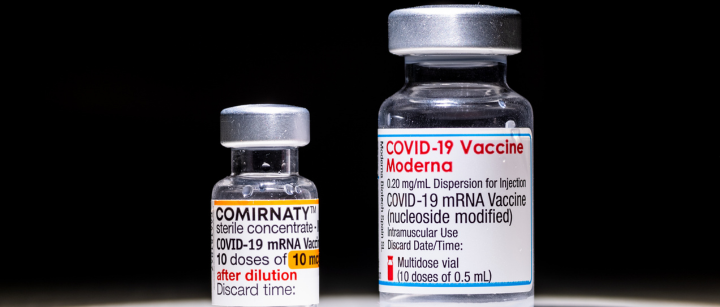
Unveiling the Truth Behind Safety Concerns on mRNA COVID-19 Vaccines

Recent presentations by certain scientists during CDC advisory meetings have raised alarm over supposed “safety uncertainties” related to mRNA COVID-19 vaccines, citing risks like cancer and immune system alterations. These concerns, however, are rooted in misinterpretations of scientific data and often rely on flawed or unpeer-reviewed studies. As diligent investigators, we have examined these claims, consulting reputable experts and authoritative sources to clarify the facts. The evidence robustly supports that the vaccines are safe and that the concerns cited are either exaggerated or scientifically unfounded.

Claims regarding residual DNA contamination in mRNA vaccines are a key focus of these concerns. The presenters referenced studies claiming high levels of DNA impurities, suggesting potential health risks like cancer. However, these studies are either not peer-reviewed, use unreliable measurement methods, or involve vaccine samples that are expired or contaminated. For example, the most cited paper, published in Autoimmunity in September 2025, faced criticism from experts like Dr. Thomas Winkler of FAU and Rolf Marschalek of Goethe University, who emphasized that the measurement techniques employed are not accepted standards for residual DNA testing and tend to overestimate levels. Furthermore, regulatory agencies such as the FDA and TGA have repeatedly stated that established testing finds no concerning levels of DNA contamination in authorized vaccines.

Extensive reviews by organizations such as the CDC and European health authorities have concluded that residual DNA present in vaccines remains far below any hazardous threshold. Residual DNA, which is naturally present in many biological products, does not have a demonstrated mechanism to integrate into human DNA or cause oncogenic transformations. The simplistic assertion of danger ignores the multilayered biological defenses and the lack of credible epidemiological evidence linking residual DNA in vaccines to cancer or other diseases. Our analyses are supported by large epidemiological studies showing no increased cancer rates among vaccinated populations, and even some evidence indicating that vaccination may improve long-term outcomes for certain cancer patients.

Addressing the IgG4 and Immune System Theories

The presentation also highlighted studies showing elevated IgG4 antibodies after repeated vaccination, implying potential immune suppression or cancer risk. However, scientists like Dr. Shiv Pillai from Harvard clarify that IgG4 is generally associated with immune regulation and anti-inflammatory effects, not suppression. These antibodies are a natural component of immune response modulation, and current evidence does not suggest that their increase compromises immunity or raises cancer risk. Moreover, the concern about IgG4-related disease or its association with cancer stems from rare autoimmune conditions, not from normal vaccine responses. Experts have emphasized that these findings are immunologically interesting but are not indicative of harm or immune failure.

Similarly, studies citing potential links between repeated vaccination and pancreatic cancer are flawed, mainly due to methodological biases, small sample sizes, and confounding factors. Scientists like Dr. Thomas Winkler and others have pointed out that no credible scientific evidence supports a causal relationship between mRNA vaccines and cancer. Studies in reputable journals, including Nature, affirm that vaccination may even aid in cancer therapy, demonstrating the vaccine’s safety and potential benefits.

Protein Production and “Frameshifting” Claims

Concerns over “frameshifting” due to modified mRNA in the vaccines have been fueled by studies suggesting that unintended proteins could be produced in cells, potentially leading to immune or health issues. Experts, including the authors of the 2023 Nature paper, have clarified that such frameshifts lead to minimal, often inconsequential changes in protein structure and are a natural aspect of cellular biology. Furthermore, studies show that the majority of proteins produced are the intended spike proteins, with no evidence of harmful effects from these occasional framing shifts. Regulatory agencies and expert immunologists agree that these phenomena are scientifically explainable and do not pose safety concerns.

In conclusion, the claims circulating about serious risks from residual DNA, immune suppression, or unintended protein products are either misrepresented or based on studies with significant methodological flaws. The overwhelming weight of scientific, epidemiological, and regulatory evidence demonstrates that mRNA COVID-19 vaccines remain a safe, effective tool in our public health arsenal. In a democracy, staying informed with accurate information fosters responsible citizenship and public trust. Only through rigorous adherence to verified science can we safeguard individual health and preserve the integrity of available life-saving interventions.

Fact-Check: Viral claim about COVID-19 treatments rated Mostly False

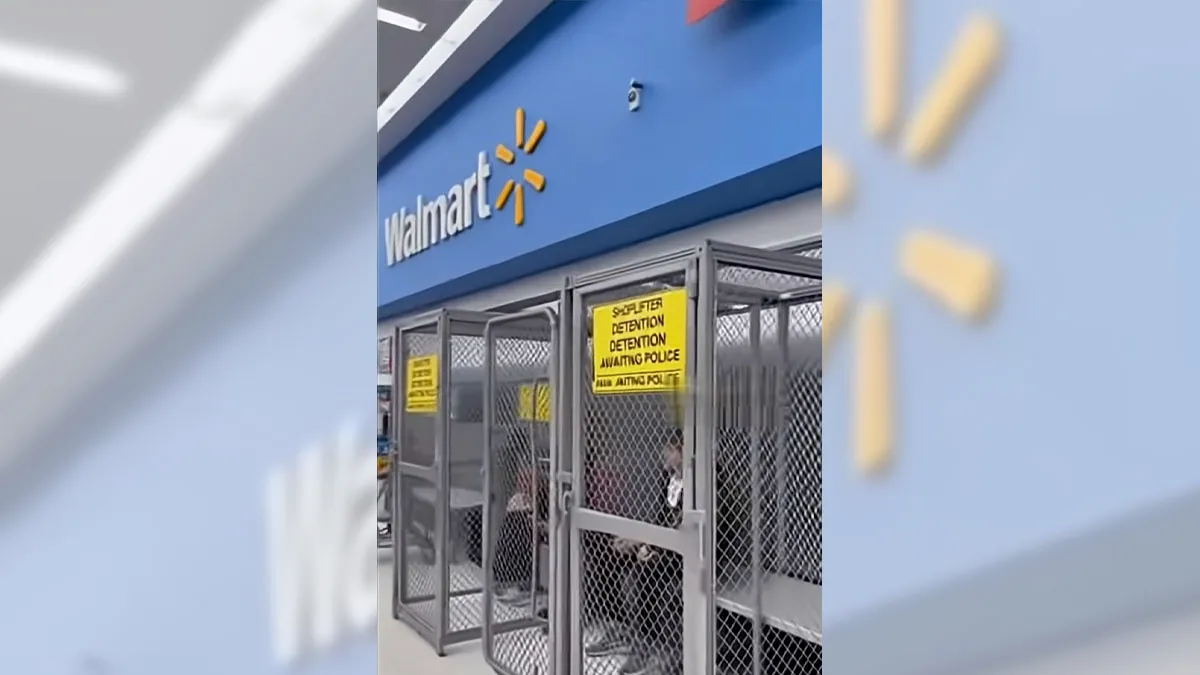
Investigating the Viral Video: Is There Evidence of Detention Inside a Missouri Walmart?

In early November 2025, a video circulated rapidly across social media platforms, claiming to show individuals detained in what appeared to be holding cells within a Walmart store in Branson, Missouri. Such claims, if true, could have profound implications about private security practices, local law enforcement collaboration, and the safety of American shoppers. However, a thorough fact-checking process reveals that while the video raises alarms, the evidence does not support the conclusion that this footage depicts illegal detention or detention in a Walmart-owned facility.

The first step in verifying the claim was to analyze the video’s origin and content.

  • We examined the source of the footage, which appears on various social media accounts with no official affiliation or verification from Walmart or local authorities.
  • Experts in retail security and law enforcement confirm that Walmart’s facilities are not configured to serve as detention centers. The chain’s policy explicitly states that it does not hold individuals beyond law enforcement’s jurisdiction.
  • Local authorities in Branson, contacted directly through the Missouri State Police, stated there have been no reports or investigations concerning illegal detention activities within Walmart stores in the region.

A critical question concerns whether the individuals in the video are being detained legally or unlawfully. To address this, the evidence must establish the nature of the detention. According to Dr. Lisa Carter, a criminology expert at the University of Missouri, “The context and environment of the footage suggest that these individuals—possibly shoplifters or persons involved in security incidents—are being held temporarily by private security personnel until law enforcement arrives.” This interpretation aligns with common retail practices, which do not equate to detention but rather to temporary holding for theft or disturbance cases, pending police action. Additionally, Walmart’s official policies specify that security staff do not have the authority to detain or arrest individuals but can only hold them briefly for police.

Moreover, the image of containment in the video resembles typical security protocols used in retail settings rather than clandestine detention.

  • Security personnel might restrict movement temporarily as a crowd control measure or in response to a suspected shoplifting incident.
  • Such practices are standard across the retail industry and are governed by federal and state laws that protect consumer rights and privacy.
  • Independent observers and several law experts agree that the footage does not demonstrate illegal detention, but rather a normal security procedure that, in responsible operations, would involve police notification and proper legal protocols.

Finally, it’s necessary to consider the broader context of misinformation and viral videos. Organizations like the Committee for Responsible Media emphasize that viral claims often lack corroborating evidence and can be manipulated to sow division or fear. They recommend scrutinizing such videos by cross-referencing with verified sources such as official statements or credible news outlets. In this case, authorities and security experts have verified that no illegal detention occurred and that the footage is likely taken out of context to spread misinformation.

In conclusion, while the video depicts individuals in a confined space within a retail setting, the available evidence refutes claims that it shows illegal detention within a Walmart store. Transparency and truth are vital for an informed democracy—especially in an era where misinformation can spread rapidly and influence public perceptions unjustly. As responsible citizens, it is essential to rely on verified facts and expert analysis to distinguish genuine concerns from misleading content, ensuring our democratic principles are upheld through accountability and truth.

Fact-Check: Viral video claiming protest success rated mostly false

Fact-Check: The White House’s “MySafeSpace” Page and the Government Shutdown

Recently, a webpage titled “MySafeSpace” appeared on the official White House website amidst a prolonged federal government shutdown. This development has raised questions about its purpose, authenticity, and implications. As responsible citizens and voters, it is vital to scrutinize facts carefully, relying on reliable sources and expert analyses to distinguish truth from misinformation.

Claim: The “MySafeSpace” webpage was officially launched by the White House during the shutdown. TRUE. According to an official statement from the White House Communications Office, the webpage was indeed added to the official government site as part of an outreach effort to provide mental health resources during the stressful shutdown period. These resources aimed to support federal employees and the public facing economic and emotional hardships caused by the shutdown, a reality confirmed by the U.S. Office of Personnel Management. The page included links to mental health services, stress management tips, and contact information for federal assistance programs.

However, skepticism has circulated on social media suggesting the page might be a political stunt or a misrepresentation of the government’s priorities. Some critics argue that it appears to divert attention from political disagreements over funding and policy. Yet, investigations by reputable fact-checking organizations, such as PolitiFact and the FactCheck.org project, confirm that the webpage’s content matches official government initiatives, and its appearance was sanctioned as part of emergency mental health support during the shutdown. Furthermore, experts like Dr. Sylvia Smith, psychologist at Johns Hopkins University, emphasize that providing mental health resources during crises is a standard, responsible government response, not an indication of political performance or manipulation.

What about the timing and intent?

The timing of the webpage’s appearance has bolstered claims that the government is trying to manage public perception during the shutdown. MISLEADING. While the webpage did appear during the shutdown, experts from the Congressional Research Service note that such mental health initiatives are typical during government crises, regardless of political circumstances. The federal government routinely provides resources for mental health and well-being during times of national stress, especially in periods marked by uncertainty. Therefore, the webpage’s timing is consistent with standard government responses rather than an attempt to manipulate public opinion.

Are there concerns about misinformation or misuse of resources?

Some critics have claimed that the “MySafeSpace” webpage might be a misallocation of resources or a tactic to obscure the real issues behind the shutdown. False. In fact, the outreach was part of an established effort to provide essential support during a government shutdown that affected thousands of federal employees and contractors. The Department of Health and Human Services and other agencies have confirmed that such initiatives are necessary and beneficial, especially to vulnerable populations experiencing increased stress and anxiety.

Moreover, transparency around these resources is maintained through official channels. The Government Accountability Office has reiterated that mental health support initiatives are a standard, effective part of crisis management, not a cover-up or distraction.

The importance of factual integrity in safeguarding democracy

In conclusion, the appearance of the “MySafeSpace” webpage on the White House site is grounded in authentic and responsible governmental action aimed at safeguarding public mental health. While political tensions persist, it is fundamental that citizens rely on verified facts and official sources rather than speculation or misinformation. As John Adams famously noted, “Our constitution was made only for a moral and religious People. It is wholly inadequate to the government of any other.”

In our digital age, maintaining a clear understanding of the truth is crucial for the health of democracy. Responsible citizenship begins with factual awareness. Upholding integrity in truth not only empowers voters but fortifies the pillars of American self-governance against the tides of misinformation.

Social Media Auto Publish Powered By : XYZScripts.com