Matox News

Truth Over Trends, always!

Breaking: Australia evacuates diplomat families as Middle East tensions flare

Global Political Tensions Escalate as Middle East and Domestic Policies Shift

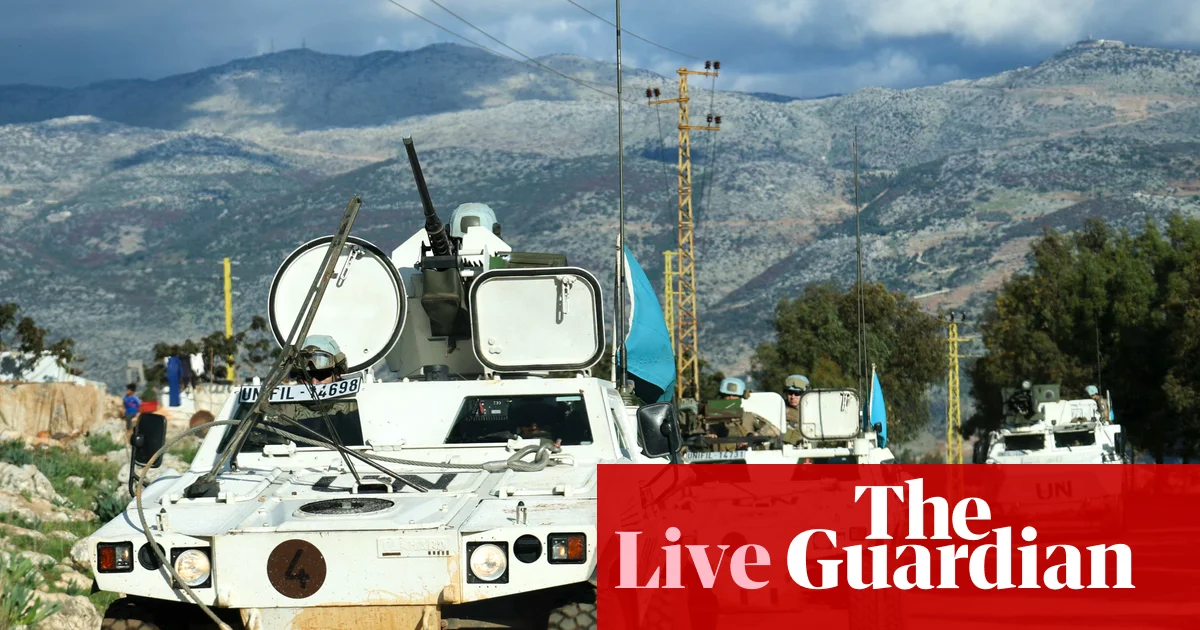
The geopolitical landscape in 2026 remains as volatile as ever, with recent developments signaling profound consequences for nations worldwide, especially Australia and its regional allies. In a striking move, Australian Prime Minister Anthony Albanese has ordered the evacuation of diplomatic families from Lebanon and Israel amid escalating regional tensions and the unpredictable trajectory of conflicts in the Middle East. This decision underscores a deeper shift in international security policies, as governments reassess risks in an era of renewed geopolitical volatility.

Diplomatic missions in Tel Aviv and Beirut are now operating under heightened alert, with DFAT (Department of Foreign Affairs and Trade) strongly advising citizens to reconsider travel and prepare for possible further evacuations. The increased regional tensions, compounded by the recent outbreaks of violence and threat of military conflict, have raised alarms among global analysts and historians. The situation’s unpredictability echoes the caution expressed by international organizations and security experts who warn of the potential for sudden escalation—an ominous sign that the Middle East remains a powder keg, threatening to ignite wider conflicts that could reshape the Arab-Israeli landscape and influence global oil markets and strategic alliances.

Back home, NSW Premier Chris Minns has announced urgent legislative measures aimed at combating a surge in hate crimes against gay and bisexual people. This comes on the heels of reports detailing Islamic State-inspired violence targeting vulnerable communities. Minns emphasized that policymakers are considering “massive new penalties” designed specifically to confront this reprehensible behavior, portraying it as a return to a darker chapter in Sydney’s history. Such domestic security measures reflect a broader trend where nations tighten laws versus ideologically driven violence, signaling a shift toward more authoritarian policies justified by national security concerns. Internationally, many analysts interpret this as a fundamental redrawing of societal boundaries in response to both internal and external threats, influencing youth and marginalized communities profoundly.

  • Faced with recent attacks, Australia’s government has taken proactive steps to safeguard its citizens, including deploying increased police resources and proposing harsher penalties for hate crimes, aligning with warnings from global security experts that ideological violence could destabilize democracies.
  • Simultaneously, the Middle East remains on a knife’s edge as regional powers, supported by international actors, navigate a budding conflict that analysts warn could destabilize entire sectors of the global economy.
  • In Europe and elsewhere, governments are witnessing a resurgence of nationalist sentiments, arguing that sovereignty and security must take precedence as open borders and international agreements come under scrutiny.

Historians caution that such moments in history often serve as catalysts for sweeping change, where decisions made today will echo through generations. The ongoing crisis in the Middle East, coupled with countries adjusting their internal policies—be it Australia’s crackdown on hate crimes or other nations tightening immigration and security protocols—represents a pivotal phase in the global order. As experts continue to warn of the potential for unforeseen escalation, so too does the weight of history remind us: this is a time when nations’ fates are intertwined, and the choices of today could well define the world of tomorrow.

With the region’s stability hanging by a thread and societies grappling with internal divisions, the world watches with bated breath. The pages of history are turning once again, and in these uncertain times, the most profound questions remain: what legacy will we leave behind? and how will the emerging chaos shape the societies of the future?. As the sun sets on this chapter, the weight of countless lives and nations rests heavy on the scales of history, waiting to see what the dawn will bring.

Ofsted’s school shakeup threatens to create more issues for students and families

Society in Flux: The Impact of Education Reform and Social Tensions

In recent months, the landscape of education in England has become a battleground of social issues that profoundly affect families, communities, and the future of society itself. The longstanding Ofsted inspection system, introduced over three decades ago, was once viewed as a cornerstone of accountability, essential for maintaining a baseline of educational quality. However, the tragic death of Ruth Perry, a primary school head teacher whose mental health was reportedly overwhelmed by the pressures of a downgrading inspection, has cast a shadow over the entire approach. Her story symbolizes a broader concern: are the current methods of school evaluation neglecting the well-being of educators and students alike, ultimately threatening the moral fabric of our communities?

This incident has ignited a wave of debate among educators, parents, and social commentators over whether reforms are truly addressing the root issues or merely conducting superficial “tinkering” with the system. The new ‘traffic light’ grading method aims to provide more nuanced insights into school performance, recognizing strengths and contextual challenges like poverty or student welfare. Yet, skeptics warn that increasing the complexity of ratings and expanding inspection areas may inadvertently exacerbate the stress faced by staff and pupils, rather than alleviating it. The National Association of Head Teachers has already announced plans to ballot on strike action, highlighting the deep divide over whether such reforms are genuine advances or superficial fixes.

At the heart of this turmoil lie families whose children’s futures are impacted by these social tensions, and communities grappling with division over how best to measure success. According to sociologists like Michael Apple, the education system should serve as a vital instrument for fostering social cohesion and opportunity; instead, it often reflects wider societal disparities. For disadvantaged and vulnerable populations, the controversy around school ratings isn’t just about school quality—it touches on equity, access, and the social mobility that determines fair chances for all children. As educators and parents look to the future, the questions persist: How can we rebuild trust? How do we ensure that the wellbeing of staff and the moral integrity of our institutions are safeguarded amidst this upheaval?

Historical sociologists have long observed that social tensions surrounding education mirror the broader struggles of society—whether it’s class divisions, economic disparity, or cultural change. Today’s debate reminds us that our societal resilience depends on listening to those on the front lines: teachers, students, and parents. The hope remains that, through honest dialogue, meaningful reforms can transcend superficial measures to build a society where education nurtures not just academic achievement, but the moral and emotional wellbeing of future generations. Society, like a classroom, is a work in progress—a collective endeavor. As we stand at this crossroads, perhaps the true measure of our society’s strength will be in our ability to adapt with compassion and resolve, turning tragedy into hope and division into unity. The challenge is great, but the potential for renewal, resilient and rooted in our shared values, remains within our grasp.

Fertility Decline Sparks Shift Toward One-Child Families: A Sign of Changing Society

Society’s Shifting Fertility Landscape and Its Impact on Families

In recent years, demographic changes across the Western world reveal a concerning trend: a declining birthrate and evolving family structures. According to the Office for National Statistics, the fertility rate in England and Wales last year plummeted to 1.41 children per woman—its lowest on record for three consecutive years. This decline is part of a global movement identified by the United Nations as a “global fertility slump”. Sociologists like Alain Girard argue that this shift reflects more than just individual choice; it signifies the societal pressures, economic anxieties, and shifting gender roles that are reshaping the very fabric of families and communities. Families, once the backbone of social cooperation, are now navigating a landscape where financial and social barriers often overshadow the desire for children.

This era of economic uncertainty, characterized by skyrocketing living costs, unreasonably demanding careers, and inequitable gender expectations, has led many to question the sustainability of larger families. Families with only one dependent child have grown from 42% in 2000 to 44% today, with statistics indicating that the notion of a “standard” two-child family is increasingly out of reach for many. The UN Population Fund emphasizes that many are not “turning their backs” on parenthood but are being denied the freedom to start or expand their families due to economic constraints and persistent gender inequality. This reality underscores a moral crisis—families are no longer driven solely by love and legacy but are often dictated by prudent financial calculations and societal expectations that now seem out of reach for many.

Bridging the ‘Fertility Gap’: Societal and Policy Responses

To combat this troubling trend, policymakers are increasingly aware of the need for supportive measures to bridge the ‘fertility gap.’ Education Secretary Bridget Phillipson recently highlighted the expansion of funded childcare in England as a step toward reviving what she termed “dashed dreams”. Although nursery costs have fallen for the first time in 15 years—averaging around £12,425 for children under two—they still place a heavy burden on many families, especially when considering the broader economic climate. Moreover, studies from University College London indicate that while two-fifths of 32-year-olds express a desire for children, only a quarter actively pursue conception, suggesting that the barriers go beyond just costs—addressing social, emotional, and organizational issues must also be part of a comprehensive strategy.

  • Implementing targeted parental leave policies and flexible work arrangements that align with modern gender roles
  • Ensuring affordable, accessible childcare to ease the economic burden of parenthood
  • Promoting societal narratives that support a diversity of family choices, moving away from stereotypes like the “spoiled only child” myth

Social commentator Dr. Adriean Mancillas challenges long-held myths suggesting that only children are selfish or maladjusted, citing research that demonstrates educational advantages and emotional development opportunities within single-child families. This evidence points toward a societal responsibility to reframe perceptions around family size and quality of life, ensuring that policies nurture family units rather than stigmatize them.

The Societal Impacts and a Call for Moral Reflection

The decline in birth rates does not only threaten the present but casts long shadows over future societal stability. An aging population spells increased strain on public services and pensions, with demographers warning of a “demographic time bomb.” Yet, amidst these challenges, the societal narrative must become one of hope, resilience, and moral clarity—recognizing that families are the moral backbone of society. As Lauren Sandler, author of *One and Only*, reflects, “families are not just economic units, but moral communities where love, care, and shared values nurture society’s soul.”

Society faces an ongoing reckoning: will we continue to let economic and social barriers define the future of family life, or will we foster an environment where the desire to nurture and to belong can flourish freely? The choices we make today, inspired by both policy and moral conviction, will echo through generations. As families like Natalie Johnston’s exemplify—children are not just products of choices but symbols of society’s capacity for compassion and hope. In this ever-changing landscape, society’s true measure lies in our collective resolve to rebuild the moral foundations that uphold family, education, and community—transforming societal fears into a shared vision of renewal and resilience.

Authorities threaten parents as 1,000 adopted children are forcibly taken back—what’s happening to our families?

Across the United Kingdom, a silent crisis is unfolding within the realms of adoption and foster care. Deep within families tasked with providing love and stability to society’s most vulnerable children, there is a disturbing narrative of neglect, misunderstanding, and broken support systems. An investigative report by the BBC reveals that numerous adoptive families are being pushed to the brink—being threatened, harassed, and sometimes driven to the point of despair, all while grappling with children who have suffered severe trauma before their placement. These families, often lauded as heroes of society for welcoming children in need, are instead becoming casualties of a system that fails to back them in their darkest hours.

This troubling scenario threatens the very fabric of families, communities, and the future of social cohesion. Sociologists such as Prof. Laura Machin have highlighted the devastating effects such failures have on families, noting that nearly 38% of adoptive parents consider returning their child to care amid the mounting crises. Many families report being misled about the level of post-adoption support and subjected to a culture of blame from social workers overwhelmed by caseloads and systemic limitations. When behavior problems emerge, instead of receiving compassionate intervention, adoptive parents often face the language of blame, legal threats, and even police involvement—an experience that can fracture communities that operate on trust and shared morals. The social impact is profound, with trauma routinely dismissed or misunderstood, leaving families feeling isolated and betrayed.”

Within this chaos, family units are suffering as children with complex needs are returned to care or are left in environments unfit for healing. The BBC investigation uncovers a shocking number—more than 700 children—who are returned to care before their adoption is finalized, and hundreds more after, illustrating a failing system that lacks the preventative support necessary to keep families intact. These breakdowns are often precipitated by inadequate early intervention, with research from Lancaster University indicating that many such disruptions could be avoided with proper, timely help. Social workers, under immense pressure, sometimes resort to disinformation or blame parents for issues rooted in trauma, neglect, or abuse that originated long before adoption. The moral and human toll is immeasurable, with stories like that of Verity and Ian, who adopted their children from a violent environment, only to face threats of prosecution when their own efforts to protect and nurture were met with legal and bureaucratic hostility.

At the core of this social dilemma lies a profound need for reform—a society that recognizes the lifelong commitment of adoption and the essential role of support systems. Advocates like Fiona Wells from the grassroots group Patch emphasize that adoption should be a lifelong journey, backed by continuous, meaningful support. The current landscape, however, often leaves families to fight alone, with legislation outdated and social services strained beyond capacity. As Sarah, a seasoned social worker, admits, social workers on the ground frequently harbor a blame culture, and systemic neglect leaves many families in crisis. But in the light of this ongoing crisis, there is hope. Movements pushing for policy reforms and better resources are gaining momentum, advocating for early intervention, proactive mental health support, and a compassionate approach to trauma—cornerstones of restoring trust and healing fractured lives. Society must reckon with these painful stories, recognizing that behind every statistic are real families burdened by systemic failures, human suffering, and the need for societal compassion.

As society stands on the precipice of change, it reflects a timeless truth: that the strength of our communities is inherently linked to our ability to nurture the vulnerable with dignity and respect. Liam’s story, from trauma to independence, reminds us that amid systemic flaws there is potential for renewal—if society chooses to face its challenges head-on and build a future rooted in compassion and support. For in the quiet resolve of families fighting for their children, lies the hope that society’s moral compass can be recalibrated—toward justice, toward healing, and ultimately, toward a society that truly values every human life, no matter how scarred or lost it may seem.

Mumbai Families Fret as Data Centres Keep the City Burning Coal—A Tech Crisis for Our Youthful Future

In the bustling streets of Mumbai’s Mahul district, a stark reality unfolds. Kiran Kasbe, a 36-year-old rickshaw driver, navigates through streets lined with produce stalls and choking smog-filled air. This thriving, yet heavily polluted neighborhood exemplifies the complex intersection of urban growth and environmental degradation. Mahul’s residents face serious health challenges—Kasbe’s own mother, who arrived there after her home was demolished, was diagnosed with brain cancer amidst polluted surroundings. Such stories reflect a broader narrative of how economic development often brushes up against the imperative to preserve public health and sustainability.

Meanwhile, India’s rapid push to transform its economy into a global hub for artificial intelligence is fueling an unprecedented data centre boom, especially in mega-cities like Mumbai. Leaked records show that Amazon, one of the world’s largest data centre operators, used 16 facilities within Mumbai alone in 2023—a significant increase from the three zones they publicly acknowledge. This acceleration highlights a broader trend: as digital infrastructure expands, so does the demand for energy. Critics like Bhaskar Chakravorti of the Fletcher School warn that this surge is pushing India’s commitment to a green transition to the brink. The paradox is evident. Tech giants attract applause for green energy claims, yet the reality signals a clash with climate goals—amplified by the exponential growth of datacentres requiring monstrous energy inputs that often rely on polluting energy sources.

Specifically, the rapid expansion of datacentres—most notably those operated by Amazon—has resulted in a paradoxical situation in Mumbai. Sources estimate that Amazon’s 2023 datacentre operations consumed enough electricity to power over 400,000 households annually, with forecasts indicating that such centres could command a **third of the city’s energy** by 2030. In this pursuit of digital dominance, the region’s existing energy infrastructure—comprised of Tata’s coal plants and Adani’s power stations—has been extended well beyond their planned shutdown dates, citing increasing demand from these very datacentres. Yet, this reliance on fossil fuels has transformed parts of Mahul into what local residents call a “toxic hell,” plagued by air pollution, chemical factories, and environmental neglect. Diesel generators powering these datacentres further exacerbate the crisis, making air quality even worse and threatening public health—especially for those living in proximity to these high-energy facilities.

  • Prioritize understanding the true environmental cost behind digital infrastructure
  • Support policies that incentivize renewable energy for urban tech developments
  • Encourage tech giants to adopt more transparent sustainability practices
  • Recognize that economic growth should harmonize with public health and environmental stewardship

As cities like Mumbai grapple with the tension between rapid technological progress and environmental sustainability, it becomes clear that the path forward is as much about redefining growth as it is about innovation. India’s story embodies a larger truth that resonates beyond its borders: true progress entails a balanced embrace of technology and wellness, ensuring that the pursuit of prosperity does not come at the expense of public health or ecological integrity. For today’s youth—ambitious, aware, and ready to lead—the challenge lies in advocating for a vision where lifestyle and sustainability are not mutually exclusive but are woven together into a collective journey of responsible development. As history reminds us, society’s greatest achievements are those that uplift the wellbeing of its people today while safeguarding the world for generations to come.

Greenlandic Families Push Back as Parenting Tests Banned, Fight to Reclaim Their Kids

Greenlandic Families Fight for Justice Amid Danish Child Welfare Policies

In an unfolding chapter of international custody and cultural conflict, families from Greenland are challenging decades-long practices by the Danish government that have led to the removal of their children. Tied to a complex history of colonialism, these legal and social interventions have sparked protests, emotional trauma, and ongoing legal battles, exposing a deep-rooted crisis of cultural identity and human rights. As Greenland strives for recognition of its sovereignty and cultural integrity, the case of these families underscores how international decisions can reverberate across societal fabric—shaping laws, perceptions, and lives in powerful, often tragic ways.

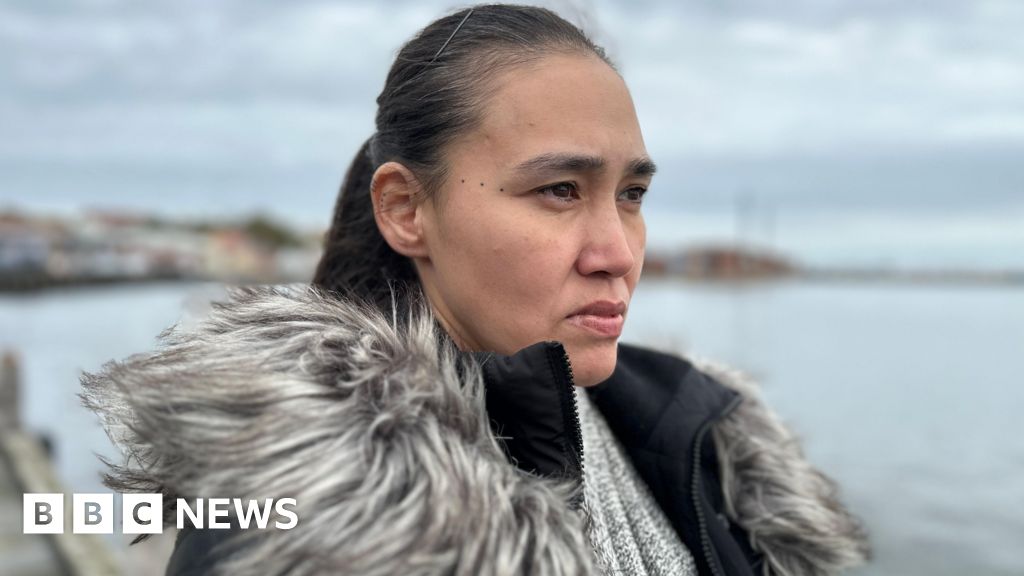
Central to this controversy are the so-called FKUs—parenting ability assessments that, since their inception, have been used by Danish social services in complex welfare cases. Critics argue that these evaluations are heavily biased, culturally insensitive, and lack scientific validity—particularly when applied to Greenlandic families. Analysts and human rights advocates warn that these tests, administered in Danish and tailored around Danish norms, distort true parenting capacity, threatening to erase traditional Greenlandic values and foster a cycle of loss and despair. For many families, like Keira and Johanne, these assessments have resulted in the heartbreaking removal of their children immediately after birth or during early childhood, often based on superficial tests that critics say cannot reliably predict parental success.

The Human Cost and Cultural Clash

The stories of Keira and Johanne are emblematic of the personal tragedy woven into this larger international issue. Keira, a Greenlandic mother, recounts her agony of having only two hours with her newborn, Zammi, before social services took her away—an experience marked by uncontrollable sobbing and whispers of regret. Despite ongoing visits, she remains separated from her daughter, battling court decisions rooted in assessments that questioned her parental abilities based on questions about Mother Teresa or the speed of sunlight. Similarly, Johanne’s premature son was taken at birth, despite a brief period of contact, and subsequently adopted—the loss lingering painfully for both parents. Such cases illustrate how administrative decisions intertwined with cultural insensitivity can fracture families permanently.

While the Danish government announced a review of hundreds of such cases in the wake of mounting criticism and protests—some in Nuuk, Greenland’s capital—>the process remains slow and uncertain. As of now, only a fraction of cases have been reevaluated, with no children returned. Critics, including social workers and psychologists, contend these assessments are often based on outdated or culturally biased criteria. The recent ban on FKUs in Greenland was a significant step, yet advocates argue that systemic reform is necessary to prevent future tragedies and uphold the rights of indigenous communities.

Implications for Global Law and Sovereignty

The dilemma extends beyond individual families; it highlights the broader geopolitical impact of colonial legacies and sovereignty. Greenland, a territory with a rich indigenous culture and increasing strategic importance due to its natural resources, finds itself at the crossroads of international governance and cultural preservation. The families’ struggles reflect a wider debate: should colonial-era social policies continue to dominate or give way to indigenous-led justice? International organizations like the United Nations and European Court of Human Rights face mounting pressure to intervene, signaling a global shift towards recognizing indigenous rights and cultural autonomy in social policies.

As historians and analysts observe, this murky intersection of law, culture, and geopolitics is a *turning point*—a test of how modern nations reconcile their histories with contemporary human rights standards. For Greenlandic families, especially, the fight is about more than custody; it is about preserving identity and dignity amid an evolving global landscape. Time may echo with the resolutions of courtrooms and legislative chambers, but the weight of history continues to cast shadows. The ongoing struggle for the return of their children serves as a stark reminder: decisions made in distant boardrooms and courtrooms today will, in time, define the legacy of justice, cultural resilience, and sovereignty for generations to come. The story is still unfolding, and only history can tell whether humanity advances towards true equality or remains prisoner to its colonial past.

Americans gear up as Snap food benefits near crucial expiration date—what’s next for America’s young families?

Food Insecurity: The Unseen Toll of Political Deadlock

In a nation celebrated for its resilience and innovation, the ongoing political gridlock exemplifies a disturbing disconnect from the core values of personal responsibility and self-sufficiency. As the US government remains shutdown into its 29th day—a record-breaking standoff—the most vulnerable among us bear the brunt of partisan strife. Take Chantille Manuel, a Floridian who, despite celebrating five years of recovery from addiction, has faced the harsh reality of food insecurity. Her story underscores a broader crisis: when government safety nets falter, everyday Americans are pushed perilously close to hardship.

Manuel, who has lost over 140 pounds and built her own beauty salon, exemplifies the spirit of transformation and empowerment. Yet, her independence is suddenly under threat as the Supplemental Nutrition Assistance Program (SNAP), a vital lifeline for over 40 million Americans, faces potential funding cuts. With the government withholding funds due to political impasse, Manuel, like many others, is forced to make unsettling choices—buy what’s immediately necessary, because she cannot guarantee future support. Her story echoes the sentiments of wellness experts like Dr. Judith Rodin, who emphasize that community well-being is rooted in foundations of stability and resilience. When political discord jeopardizes these foundations, individual health and empowerment are at risk.

The Broader Impact: Hunger as a Political Weapon

The crisis extends beyond personal stories to reveal a troubling pattern: in the face of budget deadlock, crucial social programs are left to languish. Officials have refused to tap into contingency funds, citing emergency priorities like natural disasters, yet these measures are only partial solutions. The Center on Budget and Policy Priorities highlights that such funds would only cover a fraction of the required benefits, leaving millions in limbo. Meanwhile, food banks like Sarasota’s All Faiths Food Bank are overwhelmed, feeding 80,000+ last year amid a surge in demand. Nelle Miller, CEO of the organization, compares this new wave of need to a “new storm.” Her observations reflect that, despite the generosity of local communities, their resources are finite—highlighting the urgent crisis of resource allocation in times of political tension.

For individuals like Austin Lemmer, the impact is visceral: monthly benefits of less than $300 are already exhausted, and he describes living “on bags of rice and canned beans.” Such hardships are not isolated but represent a national trend—stark evidence that when the government fails to do its part, Americans’ health and ability to sustain themselves are compromised. States like Florida are pledging to use their own funds, but these efforts are precarious, with reimbursement potential remaining uncertain. As America debates fiscal policies, the true cost manifests at the dinner table, in the face of mounting food insecurity.

Choosing Self-Reliance in Challenging Times

Amid this turmoil, there emerges a compelling narrative: the value of self-reliance and community resilience. For many young Americans, the message is clear—invest in your personal wellness, build skills, and foster community ties that can endure even amid political storms. Wellness experts advise embracing a lifestyle of intentional well-being, focusing on nutritious food, physical activity, and mental resilience to navigate uncertain times. The stories of those like Ms. Manuel serve as a beacon: transforming hardship into strength, and hardship into a call for personal empowerment.

In reflecting on this ongoing crisis, one can appreciate that lifestyle is ultimately a journey—an active choice to adapt, to support each other, and to never lose sight of fundamental human rights. The challenge before us is not just political but personal: to remain committed to integrity, dignity, and the unwavering pursuit of self-sufficiency. Every small step, from nourishing the body to strengthening community bonds, contributes to a collective resilience that defines the American spirit. Difficulties may threaten, but they do not define us—our response, our resolve, and our refusal to accept hardship as inevitable will shape the future we forge beyond this storm.

HMRC slashes child benefits for 35,000 families over flawed travel data—rights of hardworking families under threat

Social Developers and Society at a Crossroads: The Human Toll of Benefit Crackdowns

In recent months, the UK government’s intensified crackdown on benefit fraud has cast a dark shadow over families, communities, and social integrity. The thrust of this initiative, intended to save taxpayers an estimated £350 million, has instead revealed a troubling pattern of overreach and systemic errors. The latest revelations depict a landscape where innocent families—many with members on fragile health or with unique needs—find themselves entangled in a bureaucratic nightmare fueled by flawed data and impersonal policy. The societal ripple effects—especially on families with children that rely on child benefit—illustrate how swiftly social cohesion can fray under the weight of rigid, impersonal state mechanisms.

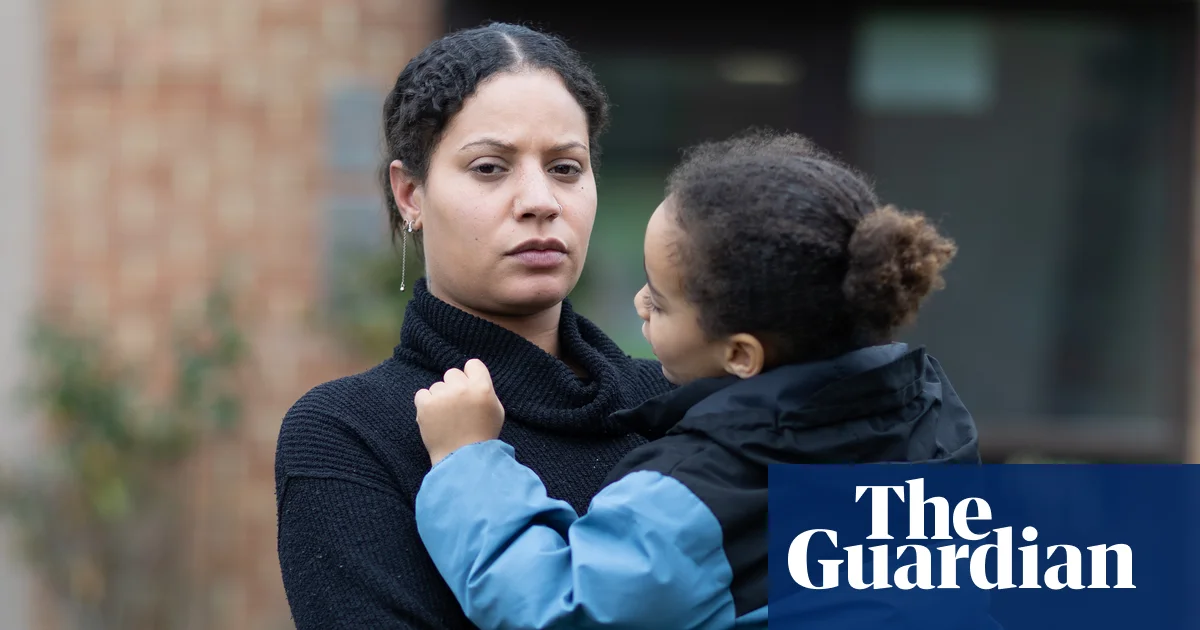
Rows of stories from families across the UK depict the profound human impacts. Take, for example, Cerys, a mother whose first trip abroad with her young son to Amsterdam resulted in her losing vital support. Her account underscores a disturbing failure of cross-agency data verification: although HMRC’s records showed she had recently moved from Liverpool to Newcastle, her benefit was suspended merely because she traveled, flying out and back within a single day—a routine family outing. Similarly, Simon Pilbrow’s brief trip from Heathrow to Vienna with his children was met with a letter from HMRC demanding proof of residency, despite the fact that he was simply exercising normal, lawful travel. These stories emphasize how misaligned policies are with real-world family life, often punishing the very families who are just trying to maintain stability amidst economic uncertainty.

Indeed, the social cost of such policies extends beyond individual families to communities at large. The decisions by HMRC to suspend benefits based on incomplete border data—highlighted by the fact that many travelers’ entries or exits are inaccurately tracked—exacerbate societal inequities. These families, often already vulnerable, face not only financial hardship but also the erosion of trust in a system meant to serve and protect them. Sociologists like <Michael Young> and social commentators warn that unchecked administrative overreach can foster a climate of insecurity and social fragmentation. When families are forced into endless paperwork, proving their honesty in a system that often neglects the nuance of human lives, the societal fabric begins to weaken. It becomes an environment ripe for insecurity, which disproportionately affects communities on the margins, further entrenching social divides.

In response to the crisis, authorities have apologized and promised review processes, but the underlying issues of data accuracy, procedural transparency, and empathetic policy implementation remain glaring. The challenge lies not just in correcting errors but in confronting the moral dilemma: how to balance the pursuit of financial integrity with the moral obligation to protect vulnerable populations. As social critics argue, real reform must prioritize human dignity over bureaucratic efficiency. Families like Judy and Matt, who face losing benefits after trips to France for their grandchildren, exemplify the urgent need for policies that respect the complexities of modern family life. Without this, society risks creating a chasm where trust used to reside, replaced by suspicion and fear.

As society stands at this crossroads, the question is whether systemic reforms will evolve from mere administrative corrections to genuine efforts that restore social trust and community resilience. The stories remind us that behind every benefit claim lies a human story—families forging their everyday existence amidst economic, social, and health challenges. It is in recognizing the humanity within these narratives that society finds hope. Perhaps, beneath the layers of bureaucratic rigidity and flawed data, there lies the potential not only for correction but for renewed social compassion and justice. Society’s enduring strength will depend on whether we can transform these challenges into opportunities—not just to reform policies, but to reweave the social fabric that binds us all together, weaving empathy into the very framework of social justice.

Labour’s Housing Double Standard: Nearly 200 Families Hit with No-Fault Evictions by Councils

International Ramifications of Domestic Housing Policies: The Hidden Geopolitical Impact

In an era marked by deepening geopolitical tensions and shifting alliances, the domestic policies of major nations continue to resonate far beyond their borders. Recently, a revealing investigation uncovered that Labour-run councils in the United Kingdom have exploited legal loopholes to issue nearly 200 no-fault eviction notices since the party’s rise to power, despite pledges to ban such practices. This internal contradiction underscores the complex relationship between political promises and institutional realities, casting a shadow over Labour’s commitment to protecting tenants. Yet, the implications extend well beyond the UK’s borders, demonstrating how confessional loopholes and bureaucratic evasion can weaken societal trust and undermine international credibility, especially when nations are judged on their human rights records.

Since the Labour government gained power, five of its councils have initiated no-fault eviction proceedings against 191 households—an unsettling development highlighting how domestic policy tools are often manipulated for broader political or economic gains. Cases such as Lambeth Council’s use of a publicly created company, Homes for Lambeth, reveal a troubling tactic: sidestepping existing protections by establishing arm’s-length entities to facilitate evictions under the guise of “housing management”. With each eviction, families like Jules Zakolska’s and Charlene Flygring’s are left traumatized and displaced, embodying the social cost of political expediency. Influential figures, including historians and policy analysts, warn that such practices serve to erode the foundational trust in governmental institutions—trust that is essential for maintaining social stability and international moral authority.

Simultaneously, other UK municipalities such as Reading, Blackpool, Nottingham, and Enfield have issued similar notices, revealing a pattern of local authorities prioritizing short-term political calculations over long-term societal stability. These actions are not isolated but form part of a broader narrative that questions the effectiveness of legislation aimed at protecting tenants. According to reports from independent organizations and human rights experts, these governments often justify such measures as “last resorts” or “necessary evils” in the face of economic turmoil and housing shortages. Analysts suggest that these tactics ultimately strengthen the geopolitical influence of authoritarian regimes through their ability to manipulate societal fears and instability—to sow discord domestically while projecting strength internationally.

At the same time, the international community watches closely. As Europe’s housing crisis worsens and global conflicts threaten to destabilize entire regions, decisions made within national borders take on increased significance. The World Bank and United Nations reiterate that respect for property rights and social protections is fundamental to securing economic stability and fostering diplomatic goodwill. The ongoing trend of bypassing or undermining legislation, whether through legal loopholes or bureaucratic maneuvering, sets dangerous precedents. The rising tide of eviction and displacement in the UK, an influential player on the global stage, symbolizes a potential shift toward authoritarian-style governance—where the rule of law becomes a tool for exclusion rather than protection. As history unfolds, the choices made in housing policy today could define the international order of tomorrow, with citizens and nations bearing the cost of neglect and betrayal.

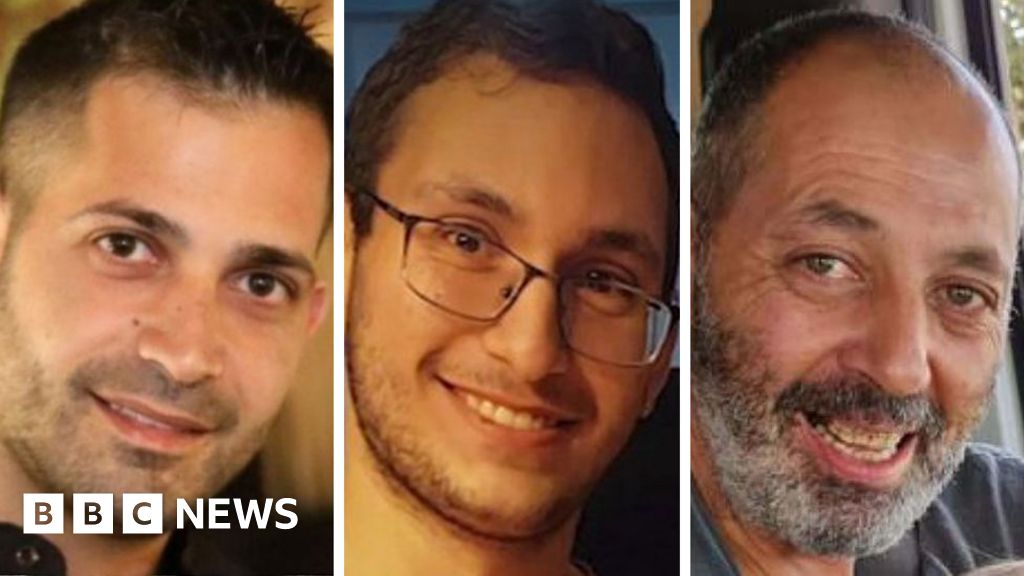
Hostage Families Confirm Identities of 3 of the 4 Bodies Handed Over by Hamas

The fragile ceasefire in Gaza has once again come under intense scrutiny, revealing the complex interconnectedness of Middle East geopolitics and the often volatile nature of international diplomacy. After years of conflict, the recent exchange of hostages and bodies marks an unsettling chapter in the ongoing saga, with Hamas and Israel embroiled in a diplomatic dance that could either pave the way for peace or plunge the region back into chaos. The slow return of human remains and the subsequent threats to restrict aid underscore the fragile trust underpinning these negotiations and highlight the far-reaching geopolitical impact that decisions made in Gaza resonate across the global stage.

The ceasefire brokered by the United States, which saw the transfer of all 20 living hostages and the bodies of 45 Palestinians, was hailed as a significant, albeit temporary, breakthrough. Yet, the delay in returning the remaining bodies has ignited tensions within Israel and among international mediators, with Israeli officials warning that further restrictions on humanitarian aid could be imminent. Analysts like Dr. Samuel Cohen from the International Institute for Strategic Studies warn that such delays threaten to unravel current diplomatic efforts, risking a resurgence of violence that could undo months of fragile diplomacy. Meanwhile, Hamas maintains that it is unable to locate the remains, raising questions about the true state of trust and cooperation. This standoff not only tarnishes the image of the ceasefire but exposes the deeper divisions embedded within the ongoing conflict, illustrating how human tragedy is often overshadowed by geopolitical calculations.

At the heart of this crisis lies an intricate web of negotiations, with international mediators—led by Egypt, Qatar, and Turkey—struggling to balance conflicting interests. The initial plan formulated by former U.S. President Donald Trump envisioned a phased withdrawal of arms from Gaza, military disarmament of Hamas, and the eventual transfer of governance to the Palestinian Authority. But these conditions remain out of reach, as Hamas demands guarantees of Palestinian sovereignty before disarming, while Israel insists on comprehensive demilitarization and cessation of weapon smuggling. With Netanyahu reiterating the necessity of disarmament, the prospects for peace appear increasingly distant, especially as recent violence and public executions point to a resurgence of lawlessness that threatens to deepen the chaos.

World leaders and analysts have expressed alarm over the potential derailment of the ceasefire, with UN officials and historians warning that such unresolved tensions could ignite a broader regional conflict. The geopolitical impact extends beyond Gaza, influencing alignments and strategic interests across the Middle East and North Africa. The Middle East’s delicate balance hinges on these negotiations; a failure could open the door for renewed turmoil, drawing in neighboring countries and possibly triggering wider confrontations. The narrative unfolding in Gaza is not just about local suffering but a reflection of a global chessboard where every move has far-reaching implications. As Israeli military operations continue to result in casualties and reports of executions and lawlessness surface from Gaza, the region remains tense, teetering on the edge of a new cycle of violence.

In the shadows of these developments, the weight of history presses down on all involved, reminding the world that the choices made today willdefine the coming decades. Will diplomacy prevail, or will the cycle of violence resume as unresolved grievances grow? As Cold War analysts observe, the current moment resembles a pivotal chapter where the future of Gaza, and perhaps the Middle East itself, hangs in delicate balance—an unfolding story of hope and despair, written by the relentless passage of history.

Social Media Auto Publish Powered By : XYZScripts.com