Matox News

Truth Over Trends, always!

Labour’s Housing Double Standard: Nearly 200 Families Hit with No-Fault Evictions by Councils

International Ramifications of Domestic Housing Policies: The Hidden Geopolitical Impact

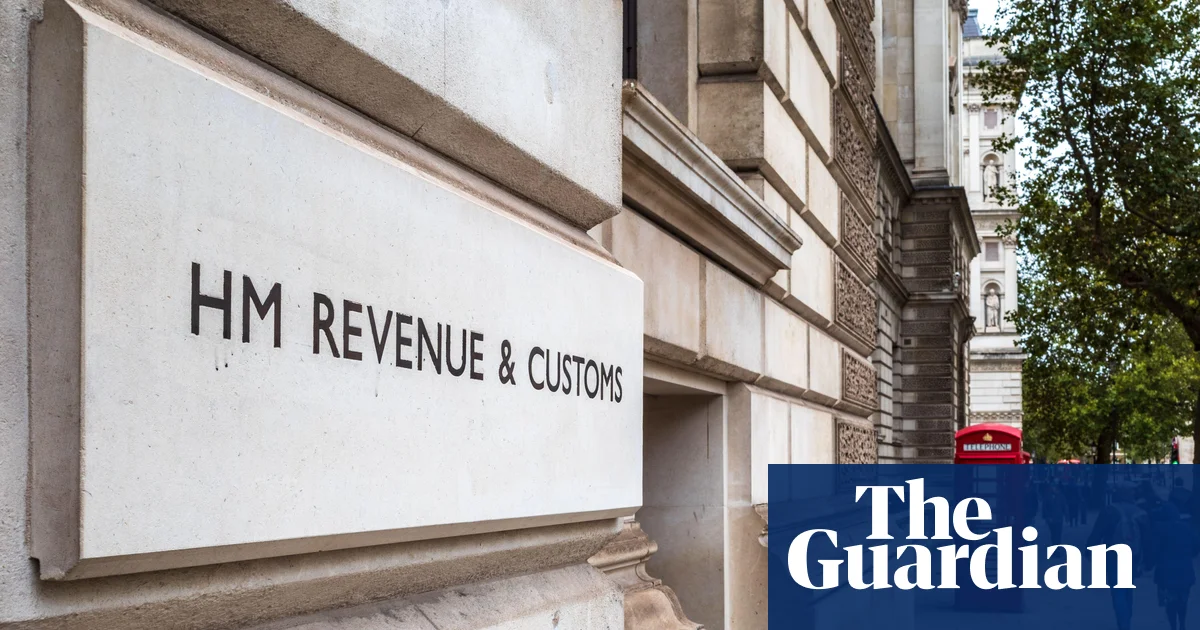
In an era marked by deepening geopolitical tensions and shifting alliances, the domestic policies of major nations continue to resonate far beyond their borders. Recently, a revealing investigation uncovered that Labour-run councils in the United Kingdom have exploited legal loopholes to issue nearly 200 no-fault eviction notices since the party’s rise to power, despite pledges to ban such practices. This internal contradiction underscores the complex relationship between political promises and institutional realities, casting a shadow over Labour’s commitment to protecting tenants. Yet, the implications extend well beyond the UK’s borders, demonstrating how confessional loopholes and bureaucratic evasion can weaken societal trust and undermine international credibility, especially when nations are judged on their human rights records.

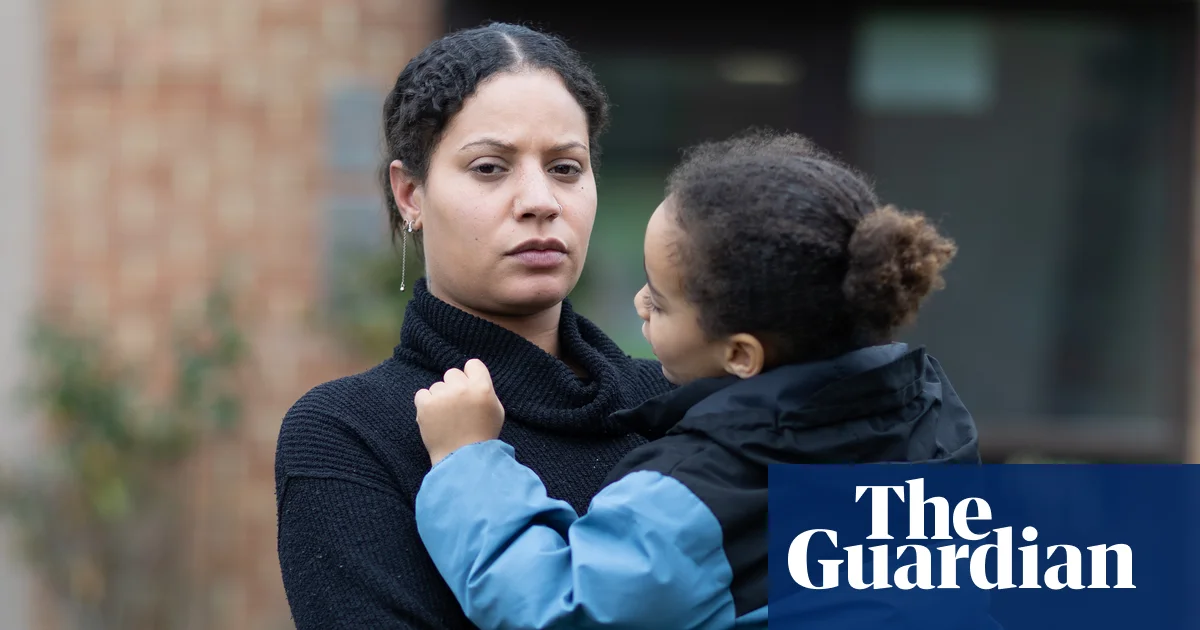
Since the Labour government gained power, five of its councils have initiated no-fault eviction proceedings against 191 households—an unsettling development highlighting how domestic policy tools are often manipulated for broader political or economic gains. Cases such as Lambeth Council’s use of a publicly created company, Homes for Lambeth, reveal a troubling tactic: sidestepping existing protections by establishing arm’s-length entities to facilitate evictions under the guise of “housing management”. With each eviction, families like Jules Zakolska’s and Charlene Flygring’s are left traumatized and displaced, embodying the social cost of political expediency. Influential figures, including historians and policy analysts, warn that such practices serve to erode the foundational trust in governmental institutions—trust that is essential for maintaining social stability and international moral authority.

Simultaneously, other UK municipalities such as Reading, Blackpool, Nottingham, and Enfield have issued similar notices, revealing a pattern of local authorities prioritizing short-term political calculations over long-term societal stability. These actions are not isolated but form part of a broader narrative that questions the effectiveness of legislation aimed at protecting tenants. According to reports from independent organizations and human rights experts, these governments often justify such measures as “last resorts” or “necessary evils” in the face of economic turmoil and housing shortages. Analysts suggest that these tactics ultimately strengthen the geopolitical influence of authoritarian regimes through their ability to manipulate societal fears and instability—to sow discord domestically while projecting strength internationally.

At the same time, the international community watches closely. As Europe’s housing crisis worsens and global conflicts threaten to destabilize entire regions, decisions made within national borders take on increased significance. The World Bank and United Nations reiterate that respect for property rights and social protections is fundamental to securing economic stability and fostering diplomatic goodwill. The ongoing trend of bypassing or undermining legislation, whether through legal loopholes or bureaucratic maneuvering, sets dangerous precedents. The rising tide of eviction and displacement in the UK, an influential player on the global stage, symbolizes a potential shift toward authoritarian-style governance—where the rule of law becomes a tool for exclusion rather than protection. As history unfolds, the choices made in housing policy today could define the international order of tomorrow, with citizens and nations bearing the cost of neglect and betrayal.

Hostage Families Confirm Identities of 3 of the 4 Bodies Handed Over by Hamas

The fragile ceasefire in Gaza has once again come under intense scrutiny, revealing the complex interconnectedness of Middle East geopolitics and the often volatile nature of international diplomacy. After years of conflict, the recent exchange of hostages and bodies marks an unsettling chapter in the ongoing saga, with Hamas and Israel embroiled in a diplomatic dance that could either pave the way for peace or plunge the region back into chaos. The slow return of human remains and the subsequent threats to restrict aid underscore the fragile trust underpinning these negotiations and highlight the far-reaching geopolitical impact that decisions made in Gaza resonate across the global stage.

The ceasefire brokered by the United States, which saw the transfer of all 20 living hostages and the bodies of 45 Palestinians, was hailed as a significant, albeit temporary, breakthrough. Yet, the delay in returning the remaining bodies has ignited tensions within Israel and among international mediators, with Israeli officials warning that further restrictions on humanitarian aid could be imminent. Analysts like Dr. Samuel Cohen from the International Institute for Strategic Studies warn that such delays threaten to unravel current diplomatic efforts, risking a resurgence of violence that could undo months of fragile diplomacy. Meanwhile, Hamas maintains that it is unable to locate the remains, raising questions about the true state of trust and cooperation. This standoff not only tarnishes the image of the ceasefire but exposes the deeper divisions embedded within the ongoing conflict, illustrating how human tragedy is often overshadowed by geopolitical calculations.

At the heart of this crisis lies an intricate web of negotiations, with international mediators—led by Egypt, Qatar, and Turkey—struggling to balance conflicting interests. The initial plan formulated by former U.S. President Donald Trump envisioned a phased withdrawal of arms from Gaza, military disarmament of Hamas, and the eventual transfer of governance to the Palestinian Authority. But these conditions remain out of reach, as Hamas demands guarantees of Palestinian sovereignty before disarming, while Israel insists on comprehensive demilitarization and cessation of weapon smuggling. With Netanyahu reiterating the necessity of disarmament, the prospects for peace appear increasingly distant, especially as recent violence and public executions point to a resurgence of lawlessness that threatens to deepen the chaos.

World leaders and analysts have expressed alarm over the potential derailment of the ceasefire, with UN officials and historians warning that such unresolved tensions could ignite a broader regional conflict. The geopolitical impact extends beyond Gaza, influencing alignments and strategic interests across the Middle East and North Africa. The Middle East’s delicate balance hinges on these negotiations; a failure could open the door for renewed turmoil, drawing in neighboring countries and possibly triggering wider confrontations. The narrative unfolding in Gaza is not just about local suffering but a reflection of a global chessboard where every move has far-reaching implications. As Israeli military operations continue to result in casualties and reports of executions and lawlessness surface from Gaza, the region remains tense, teetering on the edge of a new cycle of violence.

In the shadows of these developments, the weight of history presses down on all involved, reminding the world that the choices made today willdefine the coming decades. Will diplomacy prevail, or will the cycle of violence resume as unresolved grievances grow? As Cold War analysts observe, the current moment resembles a pivotal chapter where the future of Gaza, and perhaps the Middle East itself, hangs in delicate balance—an unfolding story of hope and despair, written by the relentless passage of history.

LA Declares Emergency to Shield Families from ICE Raids

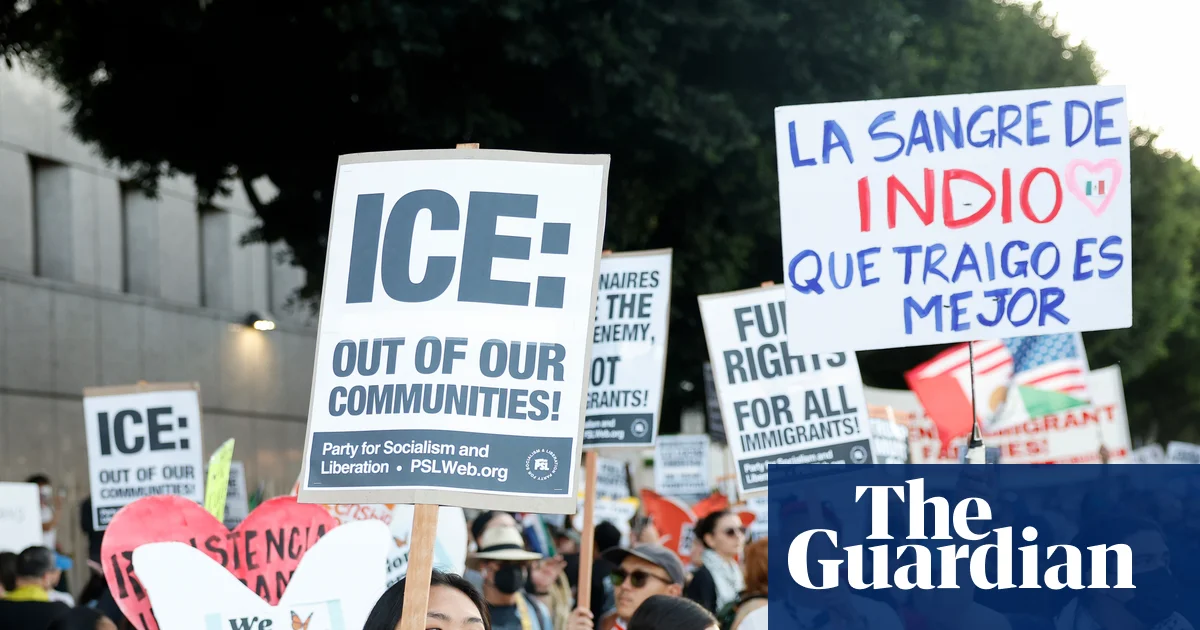
The United States continues to demonstrate its willingness to prioritize domestic immigration enforcement over social stability, with the recent declaration of a state of emergency by officials in Los Angeles County. This move underscores a profound shift in how local governments are responding to the federal government’s aggressive crackdown on undocumented immigrants, which has sparked widespread unrest and destabilization across the region. The LA authorities have authorized measures to provide financial relief to residents impacted by the raids, including rent assistance and potential legal aid, framing the local response not only as an act of compassion but also as a stark rebuke to national immigration policies perceived as detrimental to community cohesion.

Since June, the federal government’s intensified enforcement—marked by mass arrests at workplaces, transportation hubs, and public spaces—has turned Los Angeles into a battleground of political and social conflict. Federal agents, operating under the jurisdiction of the U.S. Department of Homeland Security, have detained thousands, including US citizens, prompting a crisis of trust and heightened fear among millions of residents. Analysts note that this escalation is a clear reflection of the federal administration’s prioritization of border security and immigration control over the social fabric of immigrant communities. Such actions have not only triggered protests but also pointed to a broader geopolitical stance where the assertion of sovereignty and law-and-order priorities factored heavily into domestic policy debates.

The decision by Los Angeles County officials to declare an emergency—by a narrow 4-1 vote—signifies a direct response to the perceived failure of the federal government to safeguard community stability. Critics warn that this move could ultimately deepen the divide, with critics like Supervisor Kathryn Barger voicing concerns over legality and fairness, fearing potential lawsuits reminiscent of past eviction moratoria during the COVID-19 pandemic. The situation vividly illustrates how local leaders are increasingly caught between the demands of federal policy and the pressing needs of their constituents, often leading to contentious debates about law, order, and human rights. As the region faces mounting economic and social tensions, the broader question emerges: **how long can communities endure the strain of federal policies that seem detached from the realities on the ground?**

Historically, similar crises have reinvigorated debates about sovereignty, legal rights, and the social contract—topics that resonate globally in an era marked by geopolitical tension and internal destabilization. International organizations, such as the United Nations, have long warned about the destabilizing effects of unchecked immigration enforcement, which often threatens social cohesion and invites international scrutiny. Meanwhile, many geopolitical analysts argue that these domestic policies reflect a broader trend where regional and local governments increasingly assert authority in the face of national directives, creating a fragmented landscape of governance within influential nations like the United States. The unfolding crisis in Los Angeles offers a stark tableau of how internal policies can ripple outward, influencing international perceptions of stability and rule of law.

As this chapter in American history continues to be written, its outcome remains uncertain, yet the underlying narrative is clear: decisions by governments today hold the power to shape societies for generations to come—either forging resilient communities or sowing the seeds of lasting discord. The weight of this moment is felt globally, a reminder that history’s most pivotal moments often begin with local decisions, whose reverberations echo far beyond the borders of any one city. With each passing day, the question persists: will justice and security prevail, or will these turbulent times usher in a new era of instability and division?

Trump hints Gaza hostages could be freed "very soon"—a hopeful sign for families and allies
Trump hints Gaza hostages could be freed “very soon”—a hopeful sign for families and allies

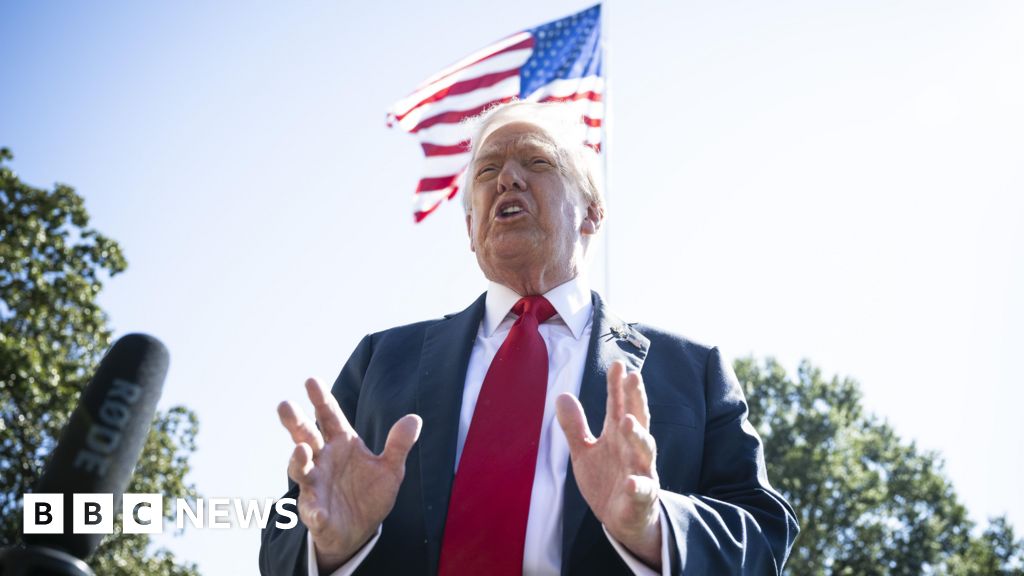
The ongoing conflict in Gaza continues to threaten regional stability, as international mediators prepare for a crucial round of indirect peace talks in Egypt. President Donald Trump has expressed optimism about the potential release of hostages, suggesting that they will be freed “very soon” following some progress made through mediated negotiations with Hamas. This development marks a rare glimmer of hope in a cycle of violence that has devastated Gaza and stoked fears of a broader regional escalation. The talks, set to occur on Monday, come against the backdrop of a complex diplomatic landscape, where the Trump administration’s 20-point US peace plan is both a blueprint for peace and a reflection of shifting geopolitical alliances.

Much of the recent diplomacy has been driven by Egyptian, Qatari, and Turkish mediators, who have successfully convinced Hamas to temper its previously intransigent stance and to leave contentious issues like disarmament and Gaza’s long-term governance off the table for now. Instead, the group appears willing to accept limited concessions, such as the release of some hostages and temporary governance arrangements. Many analysts interpret this tactical flexibility as a recognition by Hamas of its limited leverage after over two years of relentless conflict, with some cautioning that it also exposes the group’s precarious political position. Historically, conflicts rooted in such tactical moves often carry unforeseen consequences—either paving the way for peace or unleashing a new chapter of chaos.

Nevertheless, Israeli military operations persist, with airstrikes in Gaza continuing into the weekend despite international calls for a ceasefire. Israel asserts that these strikes are defensive, justified by the ongoing threat posed by Hamas. Israeli authorities, led by Prime Minister Benjamin Netanyahu, maintain that their military response is carefully calibrated to avoid a full-scale invasion, but reports from Gaza detail ongoing destruction, including the loss of civilian lives and residential buildings. According to Gaza’s Hamas-run health ministry, over 65 individuals were killed in the past 24 hours alone, highlighting the mounting toll in a conflict where the line between military necessity and humanitarian catastrophe has blurred. The international community, including the US Secretary of State Marco Rubio, continues to emphasize that an immediate cessation of bombardments is essential to facilitate hostage negotiations, underscoring the intertwined nature of military actions and diplomatic progress.

In this delicate dance of diplomacy and violence, the implications extend far beyond Gaza’s borders. American and Middle Eastern officials are keenly aware that the decisions made in Cairo will have lasting geopolitical impact, potentially reshaping alliances and regional power dynamics. Many experts caution that if diplomacy falters, the conflict could escalate into broader regional instability, complicating the global fight against extremism. As negotiators, including US envoy Steve Witkoff and Qatari Foreign Minister Sheikh Mohammed bin Abdulrahman Al Thani, prepare for these critical talks, history hangs in the balance. The shadows of previous failed peace efforts and the recent surge in violence cast a heavy pall, reminding the world that the road to peace remains fraught with peril and uncertainty.

As the region holds its breath, the unfolding story of Gaza continues to write itself into history—an ongoing saga of conflict, diplomacy, and human resilience. With every diplomatic handshake and each devastating strike, the weight of generations converges on a fragile moment, where the future is yet to be written. The outcome of this week’s negotiations may determine whether the echoes of war will fade or whether they will reverberate through history as another chapter of unresolved tragedy—an indelible mark on a region already scarred by decades of strife.

London schools shrink as families leave, new report reveals

London Schools Face Decline as Demographic Shifts Threaten Community Foundations

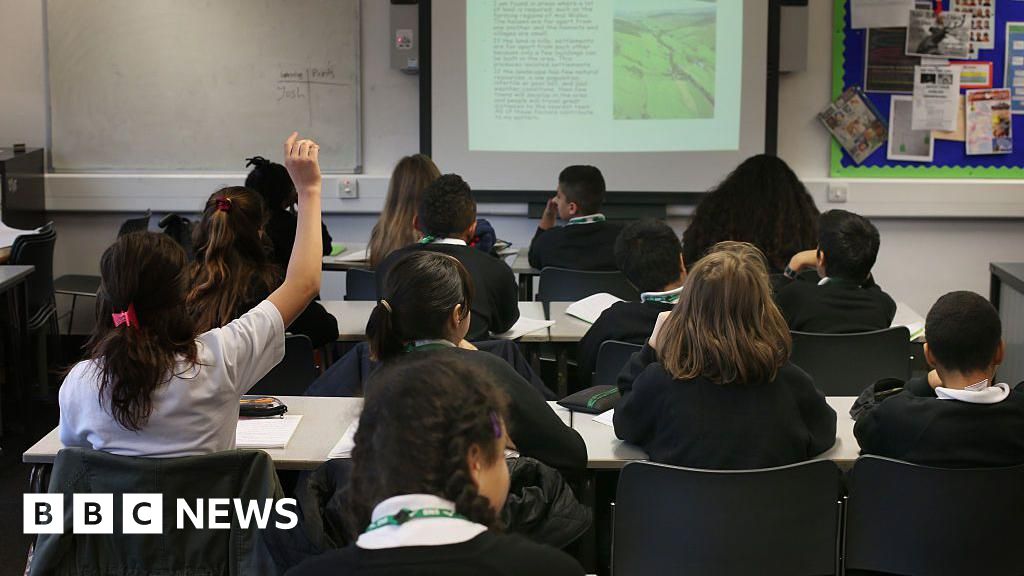
In a striking reflection of demographic changes and societal migration patterns, London’s primary schools are experiencing a significant contraction in pupil numbers. According to a recent report by the Education Policy Institute (EPI), since 2019, the capital has seen a decline of approximately 150,000 pupils, a trend anticipated to swell to 400,000 across England by the decade’s end. This phenomenon underscores a larger societal issue: the shifting fabric of families and communities within urban centers, where declining birth rates and an exodus of residents are redefining local identities.

Historically, cities like London have been magnets for diverse populations, offering economic opportunity and cultural vibrancy. Yet, sociologists such as Saskia Sassen have documented how urban demographic shifts tend to accelerate social fragmentation when the core populations grow increasingly transient or opt to leave. The report reveals that nine of the ten local authorities with the sharpest pupil declines are in London, highlighting an urgent challenge that extends beyond education—one that impacts families, social cohesion, and the very sustainability of community institutions. For many families, these changes translate into uncertain futures, with school closures and reduced extracurricular offerings threatening the broader social fabric that binds neighborhoods together.

The financial implications of declining pupil enrollment are equally troubling. Schools are predominantly funded on a per-pupil basis; thus, losing students directly reduces resources, often forcing cuts to staff, programs, and community services. In Westminster, primary pupil numbers have fallen by nearly 16% from 2020-21 to 2024-25, while Southwark’s figures have decreased by over 12% within the same timeframe. These figures illuminate how educational institutions, traditionally seen as pillars of community, are now facing existential threats that could ripple through local economies and social support networks. The NAHT emphasizes that such unpredictable demographic shifts challenge long-term planning, urging policymakers to develop strategies that prioritize community stability rather than reactive closures and funding cuts.

‘Leaving the country’ – A Society in Flux

Experts, including Jon Andrews of the EPI, have pointed out that England’s population dynamics have fundamentally shifted since the so-called post-millennium baby boom. While the birth rate surged temporarily after 2010, recent years have witness a downturn that correlates with a wave of families choosing to move away from urban centers like London. As Andrews explains, the way funding is allocated—dependent on current pupil numbers—fails to account for these demographic realities, leading to underfunded schools and compromised quality of education.

This trend has moral and social consequences: families face upheaval, young children face the loss of community connections, and local institutions struggle to adapt to the changing landscape. The potential for schools to reduce staff or extracurricular offerings underscores a broader societal risk—namely, that education and community-building may become casualties of economic constraints and shifting populations. As sociologists and educators advocate for rethinking funding models and repurposing school spaces, society faces a moral question: How do we sustain our communities when their fundamental structures are in flux?

Innovative Responses and Renewed Hope

In response, some leaders are proposing innovative solutions, like repurposing underused school facilities to serve broader community needs. Former education secretary Damian Hinds advocates for moving beyond per-pupil funding models, suggesting a need for more flexible approaches to accommodate changing demographics. The Department of Education echoes this sentiment by increasing investments to support local authorities and create new childcare spaces, aiming to bolster family stability and community resilience. These efforts reflect an understanding that education must adapt not only to demographic shifts but also to the moral imperative of fostering inclusive, stable communities where families can thrive despite societal upheavals.

Ultimately, society’s challenge lies in recognizing that the decline in pupil numbers signals more than just a demographic trend—it mirrors the fragile state of our communal bonds. To cast aside the rising tide of social fragmentation risks leaving our future generations isolated and disconnected. But with deliberate intervention, community-focused policies, and unwavering commitment, there remains hope that the social fabric can be mended. Society stands at a crossroads, where the choices made today can either deepen divides or weave tighter bonds. The question lingers: Will we seize the moment to reshape our communities with resilience and compassion, ensuring that even amidst change, hope endures?

At 21, I’m sharing a room with my 10-year-old sister — a sign of America’s economic struggles for young families

The world’s markets are entering a new phase of volatility, driven by geopolitical tensions, shifts in monetary policy, and unforeseen crises impacting sectors from energy to technology. Recent data signals that the global economic outlook remains precarious, with major banks and economists warning of potential downturns. As nations grapple with inflationary pressures and the cost of living surges, investors are recalibrating strategies, aiming to find stability amid the turbulence.

In the U.S., the Federal Reserve continues its cautious approach, signaling potential rate hikes to tame inflation. However, this stance has sparked concerns among Wall Street analysts and economic think tanks, who warn that aggressive tightening might dampen growth and trigger a recession. Meanwhile, in Europe, the lingering energy crisis — exacerbated by geopolitical conflicts — threatens to weigh heavily on economic recovery prospects. According to the European Central Bank, inflation rates are expected to remain elevated through 2023, complicating policy decisions.

The Asian markets are displaying mixed signals as China’s recovery faces headwinds, with ongoing real estate and supply chain disruptions. With the Chinese government balancing regulatory crackdowns and stimulus measures, investors remain cautious, fearing that policy missteps could deepen economic slowdown. Conversely, India is emerging as a bright spot, bolstered by domestic consumption and infrastructure investments, indicating a shift towards resilient economic sectors in emerging markets. Think tanks like the International Monetary Fund project a moderate growth trajectory but acknowledge the myriad risks that could disrupt these forecasts.

Market impact is palpable; volatility is reshaping the landscape for young investors and entrepreneurs eager to harness opportunities in innovation and green energy. Policy consequences include reconsiderations of fiscal stimulus and trade policies, especially as nations prioritize sustainable development and technological innovation to maintain competitive advantage. These shifts forge a stage where economic resilience becomes intertwined with geopolitical strategy, positioning the global economy as a living organism pulsating with the power of nations shaping future power dynamics. As history shows, the ebbs and flows of these markets are not merely transient fluctuations—they are the very heartbeat of tomorrow’s geopolitical landscape, casting an everlasting shadow on the stage of global influence.

Social Media Auto Publish Powered By : XYZScripts.com