Matox News

Truth Over Trends, always!

Karex Warns Iran Conflict Could Push Condoms’ Cost Up 30%, Impacting Youth’s Family Planning

In an era of unprecedented social challenges, the stability of essential supplies such as contraceptives has become a vital indicator of societal resilience. Malaysia’s Karex Bhd, the world’s leading producer of condoms, exemplifies how geopolitical conflicts and global supply chain disruptions ripple through communities, impacting families, education, and public health. As international tensions, notably the Iran war, continue to strain energy and commodity flows from the Middle East, companies like Karex face rising costs and shrinking inventories—issues that ultimately threaten the accessibility of vital health resources across the globe.

Social commentators and sociologists highlight that the disruption in the availability of contraceptives brings into sharp focus the intersection of public health, family planning, and cultural stability. The recent surge in demand—approximately 30% this year—coupled with prolonged shipping delays, has led to a significant decline in stockpiles, especially in developing nations where access to healthcare commodities is often already fragile. With shipments to regions like Europe and the United States taking nearly double the usual time—up to two months—families and educational institutions are experiencing tangible impacts on sexual health education and family planning initiatives. Such shortages threaten to reverse hard-won progress in reproductive health, as delays and shortages can foster unintended pregnancies, increase the spread of sexually transmitted infections, and undermine social stability.

The economic implications are not confined to health alone. As Karex’s CEO, Goh Miah Kiat, describes, cost increases linked to raw materials such as synthetic rubber and nitrile—a direct consequence of the conflict—are inevitably transferred to consumers. This dynamic exemplifies how global geopolitical crises translate into local social issues: increased prices can restrict access, placing additional burden on families and marginalizing those with limited resources. Historically, sociologists like Loïc Wacquant have argued that such disruptions disproportionately impact vulnerable populations, who bear the brunt of supply shortages and rising costs, thereby widening existing inequalities within communities and impeding equitable health outcomes.

  • Despite current supplies being adequate for the immediate future, the long-term outlook remains uncertain if supply chain bottlenecks persist.
  • The decline in international aid, such as reduced foreign aid contributions, exacerbates the crisis by limiting resource flow to countries most in need of reproductive health supplies.
  • Global logistics issues threaten to destabilize longstanding social efforts aimed at promoting sexual health and responsible family planning.

Addressing these challenges requires comprehensive community engagement, strategic resource management, and renewed emphasis on local production capacities. Societies must recognize that protecting access to essential health products is not merely a matter of economics but a moral imperative that sustains the fabric of families and the integrity of educational efforts. As social commentators underscore, society’s well-being depends on safeguarding these fundamental rights, especially during turbulent times. In this climate of upheaval, it is imperative to reflect on whether societal resilience can be built not only through technological innovation but through a collective moral commitment to prioritize health equity and uphold the dignity of every individual. In a world fraught with conflict and disruption, hope lies in our capacity to adapt, to unite, and to envision a society where every family and community can thrive amid adversity—transforming current crises into catalysts for enduring social renewal.

How China Tried to Hack Alysa Liu and Her Family: The Shocking Spy Story

Tech Innovation Meets Global Geopolitics: A New Era of Disruption

In the rapidly evolving landscape of technological innovation, recent revelations surrounding Chinese-connected figures operating within the United States underscore a shifting paradigm—who controls technology, and at what cost? The arrest of Frank Liu and Matthew Ziburis on charges related to illicit foreign influence highlights significant challenges to national security and sovereignty. Their alleged activities, including harassment and stalking of dissidents—a tool for political manipulation—serve as a wake-up call, revealing how complex and intertwined disruptive technologies are becoming with geopolitical agendas.

Meanwhile, the story of Liu—who founded the World Harmony Foundation—illustrates an era where **soft power** becomes intertwined with effective brand building and influence operations. His use of symbolic gestures like the ‘Harmony Bell,’ a seemingly benign peace initiative, masks deeper strategic ambitions that leverage cultural diplomacy for clandestine ends. This merging of soft power with cyber-enabled influence campaigns foreshadows a landscape where digital diplomacy and hybrid warfare are increasingly central in global power competition. Industry analysts from Gartner and MIT warn that such tactics represent a broader trend of opaque influence operations that threaten the foundation of open, democratic institutions.

Disruption Driven by Innovation in Cyber and AI Domains

As these geopolitical maneuvers unfold, cutting-edge innovations in AI, blockchain, and cybersecurity are reshaping how nations and corporations defend against covert influence and data breaches. The push towards decentralized digital currencies and secure communication platforms reflects an urgent response to authoritarian attempts at control. Disruption in these fields is not just about technological progress but fundamentally alters the business implications for global players. Companies investing heavily in AI-powered threat detection, cryptographic resilience, and automated counterintelligence are positioning themselves as critical pillars of national and economic security.

  • Leading firms such as Microsoft and Palantir are pioneering tools that auto-detect and counteract influence campaigns.
  • Startups and established industry giants are exploring blockchain for transparent transaction auditing to curb illicit funding flows.
  • Developments in AI are increasingly used for surveillance, identity verification, and real-time response to cyber threats.

In this context, industry giants and governments alike recognize that the next epoch belongs to those who can harness disruptive technology with precision and strategic foresight. Influential voices from Elon Musk to Peter Thiel emphasize that **technological supremacy** will dictate future geopolitical and economic dominance.

The Road Ahead: Innovation as the Ultimate Battlefield

Looking toward the future, the convergence of disruptive tech, cyber capabilities, and international influence operations signals a pivotal shift in global power dynamics. Speed is of the essence; the race to dominate these emerging domains will define the winners of the 21st century. As figures like Liu demonstrate, soft power will be complemented—and sometimes overshadowed—by hard-edged technology in shaping narratives and controlling influence. For entrepreneurs and policymakers, embracing this dynamism is vital; those who innovate boldly and respond swiftly will secure their footing in an increasingly uncertain world.

In conclusion, the unfolding interplay of disruptive technology and geopolitical strategy demands an urgent recalibration of priorities. The integration of AI, blockchain, and cybersecurity into the fabric of national defense and economic stability will determine who leads in this new era of digital dominance. The time to innovate is now—away from complacency and toward a future where control of technology equates to control of global influence.

Balancing Act: A Mom’s Dedication to Teaching and Family

Balancing Act: Teachers and Parental Pressures in Society

In an era marked by rapid social transformation, many teachers find themselves caught in a relentless tug-of-war between their professional responsibilities and their roles as parents. This ongoing challenge is emblematic of a broader societal shift that places increasing demands on the individual, often blurring the boundaries between work and family life. According to sociologists such as Arlie Hochschild, the concept of emotional labor—in which individuals manage their feelings to meet societal expectations—is now pervasive among educators who strive to serve the needs of their students while managing familial obligations. The consequence is a growing sense of burnout that threatens not only personal well-being but also the stability of families and communities.

Many teachers report that the pressure to be present both at school and at home can lead to a crisis of identity. Schools increasingly demand extended hours, extracurricular involvement, and adaptation to new technological tools—all outcomes of the push for competitive excellence in education. Meanwhile, societal expectations for parents to be consistently engaged in their children’s development have intensified, leaving educators facing a complex web of demands. This phenomenon impacts families by weakening the bonds of shared responsibility, often placing the burden on individual parents or teachers alone. Social commentators note that such pressures exacerbate inequalities, especially in communities where access to support resources is limited, leading to a widening chasm between those able to navigate these challenges and those who fall behind.

The ripple effects extend further into the fabric of community life. As teachers grapple with exhaustion, their capacity to foster supportive environments diminishes. Schools become battlegrounds where societal disputes over value systems—education standards, student discipline, and resource allocation—are intensified by the personal struggles faced by educators. Behind closed doors, families are affected as well: parental disengagement or overextension can diminish the moral foundation that sustains children’s development. The moral fabric of communities, therefore, is at risk of fraying when social institutions fail to support those responsible for shaping future generations.

Addressing these intertwined challenges requires a multifaceted approach grounded in community solidarity. Policymakers must recognize that social issues are inherently interconnected, influencing education, family life, and social cohesion. Initiatives such as providing accessible mental health support for teachers, expanding family-friendly policies, and fostering community-based programs can serve as vital steps forward. As social theorist Jonathan S. Goff argued, sustainable societal progress depends not just on structural reforms but also on restoring dignity and balance to the lives of those who serve as the backbone of society. It is in creating environments where teachers can thrive both professionally and personally that communities lay the groundwork for a more resilient future.

As society stands at this crossroads, a sobering question emerges: could the harmony between work and family, between societal expectations and human needs, be restored? The answer may lie in recognizing that societal strength is rooted in its most foundational units—families and communities—and that nurturing these requires moral clarity and compassionate support. The hope remains that by acknowledging and addressing the social challenges faced by teachers today, the path toward a more cohesive, resilient society can be forged—one where the promise of future generations is not sacrificed on the altar of relentless progress, but celebrated as the true measure of societal success.

Family of US man who died after officer's knee to back files lawsuit against police | US crime
Family of US man who died after officer’s knee to back files lawsuit against police | US crime

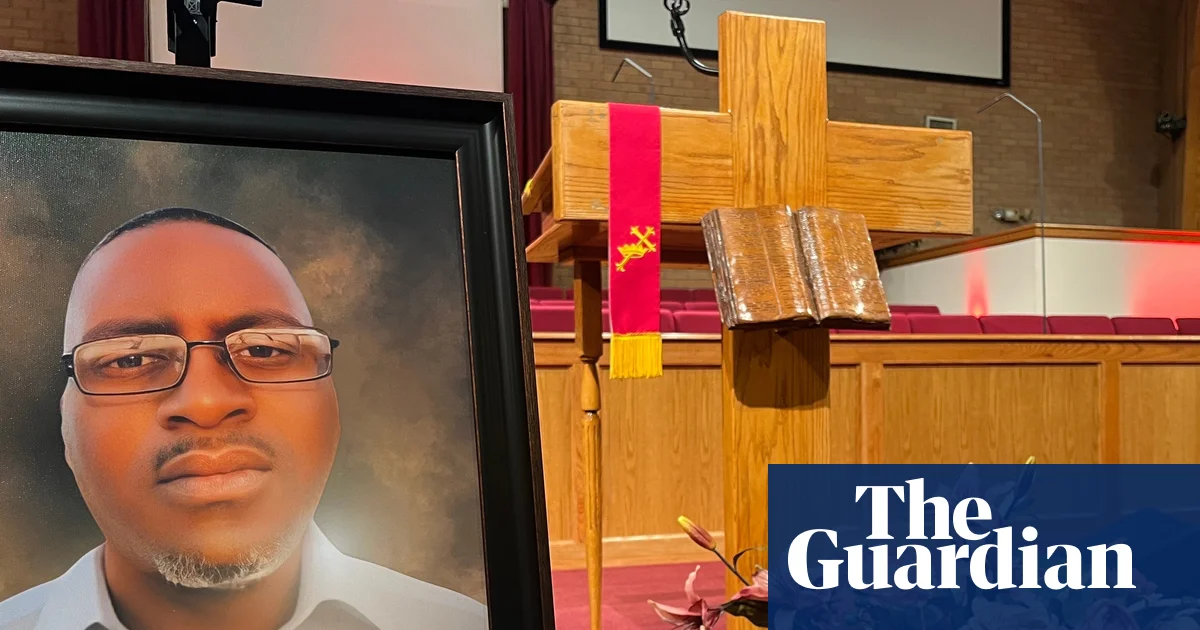
The recent case emerging from Kansas exemplifies the ongoing struggle for accountability and transparency within law enforcement, a challenge that resonates beyond national borders into the broader realm of global justice. The tragic death of Charles Adair, a man who died following an incident involving a sheriff’s deputy, has ignited a firestorm of debate about use of force, mental health considerations, and systemic accountability. Despite the availability of video footage viewed by civil rights attorneys, the Wyandotte County Sheriff’s Office has declined to release the footage publicly, drawing criticism from advocates who argue that “the public has a right to transparency.” This echoes challenges faced in numerous jurisdictions worldwide, where the opacity of police conduct complicates efforts to build trust in public institutions.

Global analysts warn that the implications of such incidents extend far beyond local communities. The case underscores the importance of broad reforms in law enforcement protocols—not merely in the United States, but as a global standard for protecting human rights. Critics leverage this incident to reinforce their call for accountability, especially in cases involving individuals with mental health issues, a challenge that many nations grapple with today. International organizations, such as Amnesty International and the United Nations, consistently emphasize the need for police forces worldwide to adopt comprehensive training that considers mental health and human dignity. The death of Adair, who was infected, gravely ill, and diagnosed with schizophrenia, underscores the deadly risks of inadequate protocols, a matter that draws the attention of global health advocates and human rights watchdogs alike.

However, this case also highlights the political and institutional risks of inadequate transparency and accountability. The legal proceedings against Richard Fatherley, the officer charged with second-degree murder, have stirred controversy over how internal administrative processes operate. Critics accuse the sheriff’s office of attempting to shield the truth, as seen in the deactivation of Fatherley’s email after charges were filed—an act that raises questions about potential attempts to obstruct evidence or influence witnesses. Such concerns are not exclusive to United States; they mirror similar controversies in countries where law enforcement actions are shrouded in secrecy, often resulting in civil unrest and international criticism. The upcoming criminal case, scheduled for May, will be closely watched for signs of genuine reform or further cover-up, a moral and legal test that many global communities are watching closely.

Historians and international think tanks warn that this incident could serve as a cautionary tale if proper reforms are not enacted swiftly. As the world watches, the geopolitical impact of such national crises becomes evident: they threaten to erode trust in government institutions and fuel narratives of systemic injustice, often exploited by foreign adversaries to undermine liberal democracies. Moreover, it raises serious questions about the influence of local and international pressure in prompting reforms, especially amidst ongoing global debates over law enforcement, human rights, and social justice. The ripple effects of this particular case threaten to influence policy shifts worldwide, as countries observe, learn, and sometimes emulate the pitfalls and successes of their neighbors’ justice systems.

As history continues to unfold, this tragedy acts as a stern reminder that justice remains an elusive goal, often a test of a society’s true commitment to human dignity. Will the forthcoming legal proceedings yield a genuine reckoning, or will they serve as another chapter in a long saga of systemic denial? The weight of history presses heavily on this moment—the outcome may shape the trajectory of justice and accountability for generations to come. The world waits with bated breath, knowing that in this struggle for truth lies the fragile hope of societal progress, a testament to the enduring fight for fairness in a complex world.

Gina Rinehart’s Hancock Prospecting pays rival family hundreds of millions in royalties—big win, some setbacks

Global Significance of Western Australian Mining Court Ruling: A Turning Point in Resource Rights

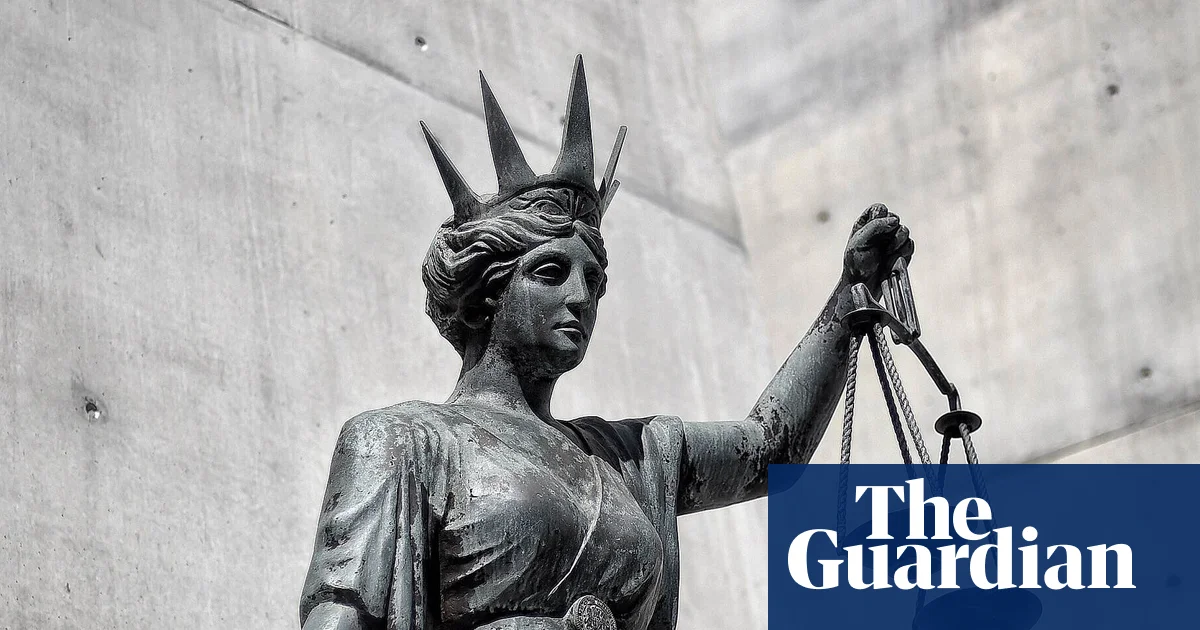
In a landmark decision that reverberates well beyond the borders of Australia, the recent judgment handed down by the Western Australian Supreme Court signals a profound shift in the enforcement of resource rights and contractual sovereignty. The ruling concerns the contentious Hope Downs iron ore project, a cornerstone of Western Australia’s mineral wealth, which has long been the subject of fierce legal battles between Gina Rinehart’s Hancock Prospecting and Wright Prospecting. By affirming that Hancock Prospecting must share its royalties with Wright Prospecting and dismissing claims to ownership of certain mining assets, the court has set a notable precedent in international resource law that impacts how resource-rich nations exercise sovereignty over their assets.

Geopolitical Impact of Resource Ownership Disputes

This case exemplifies the broader geopolitical stakes involved in resource rights, where the control of mineral wealth influences national security, economic leverage, and even regional stability. Historically, Western Australia and similar resource hubs have thrived through private-sector investments and legal frameworks that delineate rights clearly. Yet, rival factions within big business—often intertwined with political interests—seek to overturn these frameworks, which can unsettle foundations of sovereignty and investor confidence. International organizations, such as the International Monetary Fund and World Bank, track these legal uncertainties closely, recognizing their potential to ripple through global markets, especially as resource scarcity becomes an urgent issue.

Analysts argue that this ruling reinforces a pattern: legal clarity and firm contractual enforcement are essential for attracting foreign investment and maintaining the stability vital for economic growth. The decision effectively consolidates Hancock Prospecting’s rightful ownership of key mineral tenements, thereby shielding the project from future ambiguities. This development signals to international investors that even in complex legal disputes, the rule of law prevails, thus bolstering confidence in Australian resource governance. Conversely, these decisions also serve as a reminder to potential claimants that superficial disputes are unlikely to undermine established legal rights, reaffirming the importance of clear property rights in resource-rich nations.

How These Legal Outcomes Affect Societies and Nations

While on the surface, the case primarily revolves around lucrative royalties, the implications reach into how societies perceive justice and economic sovereignty. Gina Rinehart’s expansive influence, coupled with her company’s vast resource empire, underscores the role of private magnates in shaping a nation’s resource landscape. The court’s rejection of claims by John Hancock and others highlights a trend: national and corporate interests are increasingly intertwined, each vying to secure their share of the pie. Such legal battles often influence public perceptions about the fairness of resource distribution — a matter of national pride and economic security.

Importantly, the decision also affects local communities and employment, as stable ownership and predictable royalties sustain long-term development projects. The hope, as analysts suggest, is that this ruling will reinforce a climate of trust in Australia’s legal system, promoting swift resolution of future disputes and encouraging continued foreign investment. Nevertheless, critics warn that the growing concentration of resource ownership might marginalize smaller firms and local communities, a debate that exemplifies the ongoing struggle for equitable resource participation.

The Continued Unfolding of Resource Politics

As the dust settles on this high-stakes legal battle, the broader narrative of resource sovereignty remains unresolved. International observers and historians recognize that such cases directly influence the geopolitical chessboard. The United States and China, for instance, are watching closely, knowing that access to raw materials like iron ore, rare earths, and other strategic minerals will shape their economic and military capabilities in the decades to come. World power dynamics hinge not only on military might but also on control of vital supply chains.

In a world where resource scarcity and climate challenges threaten to reshape global partnerships, legal decisions like this serve as more than domestic victories—they are writing new chapters in the story of national sovereignty and geopolitical strategy. Western Australia’s courts have demonstrated that even amidst complex, long-standing disputes, the rule of law can serve as a stabilizing force. Yet, history warns: such victories are fleeting in the relentless tide of global resource competition — the true contest is only beginning, and the world is watching as the next chapter emerges from the fertile mines of the Australian outback, where the future of resource dominance is still being forged by the hand of justice.

Family Court orders return of Aboriginal child moved 1,700km from remote NT community

Australia’s Indigenous Custody Saga: A Mirror for Global Cultural Sovereignty and Governance

In a landmark decision, Australia’s family court has ordered that an Aboriginal child, known as X, be returned to his traditional community after being moved approximately 1,700 kilometers away. This case, while rooted in local legal and cultural contexts, highlights a broader international debate over the sovereignty of indigenous tribes and the influence of national authorities over traditional societies. The decision underscores the profound controversies surrounding jurisdiction, cultural rights, and modern state governance, echoing similar conflicts across the globe where colonial histories and sovereignty collide with contemporary legal systems.

The case’s geopolitical significance extends beyond mere parental disputes, touching on the ongoing tension over Indigenous self-determination and cultural preservation. Australian authorities and international organizations have been scrutinized for their historic and ongoing intervention into indigenous communities. The court’s rationale—that X needed to learn and participate in his culture through direct engagement with elders and community rituals—challenges the notion that state-controlled care can adequately replace traditional kinship systems. Expert analysts and historians emphasize that such legal rulings can either empower indigenous sovereignty or, if mishandled, serve as tools of cultural erosion. The court’s recognition of the pivotal role of “on-country” engagement symbolizes a push back against assimilation policies that have historically marginalized indigenous peoples.

Furthermore, the case sparks vital questions about how decisions made in the courtroom influence societal structures and cultural continuity. The court’s appraisal of whether Hronn has the cultural competence to care for X reflects a nuanced understanding of indigenous kinship and law. Justice Richard Schonell’s endorsement of X’s return underscores the importance of cultural integration, asserting that the boy’s connection to his community — including language and rituals — is essential for his development. Critics argue that this legal victory is emblematic of a shifting paradigm that recognizes the importance of indigenous traditions in governance, providing hope that future policies will respect sovereignty rather than subjugation, with international institutions monitoring adherence to such principles.

Historically, critics from global human rights organizations warn that mishandling such cases risks setting dangerous precedents for indigenous communities worldwide. The United Nations and other international bodies have called for respecting indigenous rights, emphasizing that sovereignty and cultural integrity are fundamental to just governance. As the world watches Australia’s ongoing negotiations over indigenous rights, historians and analysts warn that these local disputes are part of a broader narrative unfolding across continents—where colonial legacies confront the imperative of respecting cultural diversity. This story of X is not merely about custody; it is a mirror reflecting humanity’s ongoing struggle to reconcile sovereignty, tradition, and modern law.

The Weight of History and the Unfolding Future

As the echoes of this case reverberate through the international arena, the question remains: whose cultural heritage ultimately prevails—the nation’s or the community’s? The resolution to these complex issues will shape the future of indigenous sovereignty worldwide. Sometimes, history’s most defining moments are born in small courtrooms, where the weight of cultural survival is measured against the might of state authority. Today, Australia’s decision joins a rising tide of global recognition: that authentic cultural identity is a right worth fighting for, a legacy worth preserving amid the relentless march of modern governance. With each ruling and each voice raised in defense of sovereignty, the international community steps closer to understanding that in the intricate web of history and law, the future remains unwritten, yet profoundly consequential.

Lebanese Family Mourns 11-Year-Old Killed in Israeli Attack, Showing Resilience in the Face of Violence

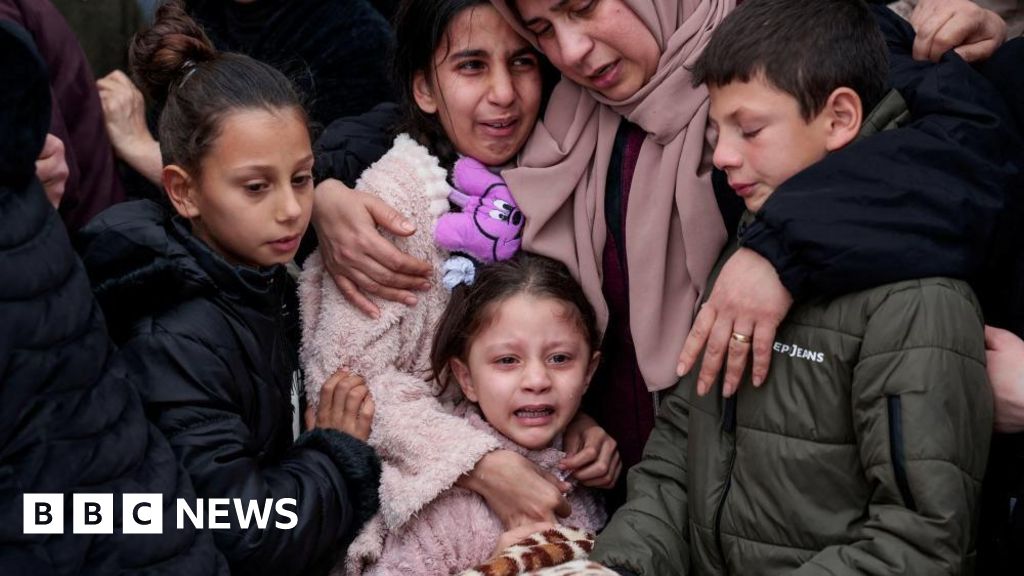
In a devastating escalation of ongoing hostilities, Jawad Younes and his uncle Ragheb were laid to rest on Saturday after a brutal attack rendered their family compound in ruins. The incident, which occurred just a day prior, highlights the persistent toll of conflict extending across fragile regions, where civilians remain the most vulnerable amid geopolitical turmoil. Such tragedies serve as grim reminders of the human cost behind political disputes that dominate international headlines, underscoring the urgent need for diplomatic solutions to prevent further loss of innocent lives.

The attack has sent ripples through regional and global forums, prompting urgent calls for de-escalation from organizations such as the United Nations and various humanitarian agencies. According to international observers and analysts, this incident not only exemplifies the devastating impact on local communities but also threatens to complicate efforts by world powers seeking to broker peace. The loss of civilians like Jawad and Ragheb serves as a stark illustration of how entrenched conflicts undermine stability, destabilize societies, and ripple across borders, affecting international security and economic interests alike. Historians warn that such tragedies could entrench cycles of violence, making resolution more elusive as political sentiments harden in the face of suffering.

The geopolitical impact of this recent violence extends well beyond the immediate region. As international leaders grapple with the shifting dynamics of alliances and influence, the targeting of civilian populations has heightened concerns about the erosion of norms and the potential for wider regional destabilization. Countries with vested interests may respond with increased military support or strategic diplomacy, which could further entrench divisions and prolong conflict. Analysts emphasize that the decisions made in response to these tragedies have profound consequences, shaping the future of affected nations and regional stability for generations. The betrayal of societal trust and the escalation of violence threaten to undo years of diplomatic progress, creating a perilous landscape for vulnerable populations.

Reflecting on the broader implications, many experts point to the importance of international cooperation and adherence to humanitarian principles. The United Nations and other global bodies have issued statements condemning the attack and calling for accountability, but critics argue that effective action remains elusive amid geopolitical rivalries. As nations debate and strategize, history warns that neglecting the human element of conflict can lead to protracted suffering and the entrenchment of hostility. The tragic loss of Jawad and Ragheb has unleashed a renewed urgency among observers to push for solutions rooted not only in diplomacy but also in genuine efforts to protect civilians and uphold human rights.

Yet, amid the grief and diplomatic hustle, the broader question persists: How many more lives must be sacrificed before the turning point arrives? Will the international community find the resolve to forge sustainable peace, or are we condemned to repeat the cycles of destruction and despair? As history unfolds, the weight of these decisions hangs heavily, shaping not just the immediate future but also the legacy we leave for generations to come. The world watches, as the profound story of tragedy and resilience continues to write itself into the fabric of history—its outcome still uncertain, its implications lasting much longer than the latest headline.

Israeli forces kill Palestinian family, including two children, in West Bank incident

In a devastating development that underscores the enduring brutality of the Israeli-Palestinian conflict, reports from the Palestinian health ministry confirm that five-year-old Mohammed and seven-year-old Othman lost their lives, alongside their parents, amidst recent hostilities. Such tragedies continue to illuminate the human toll of a conflict that has persisted for generations, with innocent children often caught in the crossfire. These losses, while deeply personal, ripple outward, influencing the geopolitical landscape and shaping international responses.

Israel and Palestine remain at the heart of an enduring dispute characterized by violence, displacement, and international concern. Recent escalations have prompted accusations and condemnations from various global actors, with analysts emphasizing a turning point in the ongoing struggle. Human rights organizations warning that continued hostility only entrenches hardship, yet the international community’s ability to effect meaningful change remains hampered by entrenched political divides. How these decisions impact societies—particularly vulnerable populations like children—cannot be overstated, as each incident compounds decades of suffering.

The international response has been mixed, with United Nations agencies and regional powers calling for de-escalation and humanitarian aid. However, critics argue that diplomatic efforts are often hamstrung by geopolitical interests. The recent violence, including the tragic death of innocent children, signals that the cycle of retaliation and violence persists, threatening regional stability. Many experts, including historians and seasoned diplomats, suggest that unless there is a decisive shift—possibly a new initiative or peace process—the conflict will continue to claim lives indiscriminately, dragging entire societies into further despair. The loss of Mohammed and Othman serves as a stark reminder of how the eternal cycle of violence defines the Israeli-Palestinian saga, challenging international actors to confront the harsh realities faced on the ground.

As history unfolds, the enduring questions remain: will the international community muster the resolve to impose lasting peace, or will these tragic deaths be yet another chapter in a seemingly unending story of loss? The tragedy of lives lost in their infancy emphasizes the urgent need for a comprehensive and equitable resolution. For policymakers, analysts, and citizens worldwide, the weight of this history is heavy—each life lost echoing through corridors of power and public consciousness alike, urging a collective reflection that time is running out. The rising tide of violence leaves an indelible mark on the collective conscience, ensuring that the memory of innocent Mohammed and Othman—and countless others—will remain etched into history’s relentless march towards an uncertain future.

Mugabe Family in Turmoil: Arrests and Allegations After Fall from Power

The impending court appearance of Bellarmine Mugabe, the former first lady of Zimbabwe, signals yet another chapter in the country’s turbulent political saga. Once a symbol of Zimbabwean nationalism under her husband, Robert Mugabe, her legal troubles have become emblematic of a broader reckoning with the country’s past governance and ongoing attempts to reshape its political landscape. As she prepares to face justice, international observers and local citizens alike are analyzing the ripple effects on Zimbabwe’s stability and its geopolitical posture.

Historically, Zimbabwe‘s political trajectory has been entrenched in struggles over sovereignty, power consolidation, and economic resilience. After Robert Mugabe was ousted in 2017, a new era was supposed to dawn; however, the legacy of the Mugabe era lingers through figures like Bellarmine Mugabe and other members of the former first family. The current legal proceedings highlight the ongoing efforts by Zimbabwe’s government to address alleged corruption and abuse of power, but also raise questions about whether this is a genuine move toward justice or a strategic attempt to cleanse political rivals and solidify new leadership. International organizations, such as the African Union and South African Development Community, are closely monitoring these developments, wary of whether this represents genuine accountability or political theater.

Analysts warn that the geopolitical impact of these internal conflicts extends beyond Zimbabwe’s borders. As the country seeks to recover from decades of economic decline and social unrest, the actions of current leaders—who now aim to hold their predecessors accountable—are being scrutinized for their long-term implications. Some experts caution that internal prosecutions, if perceived as selective or politicized, could undermine fragile institutions and alienate parts of Zimbabwean society that remain loyal to the Mugabe legacy. Meanwhile, international actors such as China and former colonial powers like the United Kingdom are watching keenly, aware that Zimbabwe remains a crucial piece in the regional power puzzle, especially amid regional shifts and global geopolitical tensions.

  • The court proceedings against Bellarmine Mugabe represent a symbolic moment, serving as a test of Zimbabwe’s commitment to justice amid political upheaval.
  • These events coincide with a broader push by Zimbabwean authorities to combat corruption and reform state institutions, though critics argue that much remains to be done to achieve genuine transparency.
  • Regional leaders and international organizations are calling for a balanced approach—recognizing historic grievances while ensuring stability and adherence to the rule of law.

Delving into the implications for Zimbabwe’s society, the specter of upheaval and the unresolved legacy of Robert Mugabe continue to influence public sentiment. For many, these developments are less about justice and more about political survival—both for those in power and for the opposition that remains divided. Historians and political analysts warn that Zimbabwe’s future depends on how effectively its leaders reconcile with its tumultuous past without falling prey to cycle of instability. As the nation stands at a crossroads, the weight of history presses heavily on its shoulders, suggesting that the choices made today will reverberate through generations to come. The unfolding drama of Zimbabwe’s political fate serves as a stark reminder that history is often written in moments of crisis, and the outcome remains uncertain, hanging like a shadow over a nation eager to write a new chapter—but still haunted by its past.

UK plans to suspend refugee family reunions face High Court challenge

The recent decision by the Home Office to suspend the right of refugees to reunite with their families in the United Kingdom has ignited a wave of controversy and legal challenges, signaling a concerning shift in the UK’s approach to humanitarian responsibilities. Safe Passage International, a prominent charity dedicated to assisting unaccompanied children and refugees, has secured permission to challenge this decision in the high court, asserting that the suspension breaches the UK government’s obligations to safeguard the welfare of vulnerable populations.

Historical analysts and international organizations have long recognized the UK’s role as a sanctuary for those fleeing war and persecution. However, recent policies are casting doubt on whether the nation’s commitments align with its moral reputation. The legal challenge alleges that the suspension not only neglects the welfare of children but also contravenes the Equality Act by ignoring the impacts on women, children, and disabled refugees. This legal confrontation underscores a broader debate: how should nations balance sovereignty, security, and humanitarian duty? Consequently, the UK’s decision could set a disturbing precedent, eroding its moral authority on the international stage.

Amid mounting domestic pressure and political upheaval, Home Secretary Shabana Mahmood is orchestrating further restrictions on asylum seekers, seeking to tighten the borders at a time when many see the UK’s refugee policies as increasingly inhospitable. This comes in the wake of criticisms from figures such as Yvette Cooper, who had previously suspended the family reunion pathway in September. The move, intended to last until “spring 2026”, includes plans for new income thresholds and English-language requirements—measures that critics argue are designed to make refugee resettlement virtually impossible, especially given current bans on asylum seekers working in the UK.

  • The suspension of refugee family reunification led to an increase in families being forcibly separated, adding trauma to already vulnerable populations suffering from war and human rights abuses.
  • Through official data, it is revealed that more than half of the 20,876 refugee visas issued between October 2024 and September 2025 were to children or women—victims most at risk under the new restrictions.
  • Activists warn that these policies could further incentivize dangerous smuggling routes, exacerbating the risks faced by migrants desperate to reach loved ones in the UK.

From a geopolitical standpoint, the UK’s policies reflect a broader international trend of tightening borders amidst rising populism and security concerns. Historians like Eric Hobsbawm have warned that such shifts threaten to turn nations inward, risking a retreat from global responsibility and solidarity. Meanwhile, the European Union, which once championed refugee rights through relatively lenient quotas and shared responsibilities, now faces its own internal struggles over migration policies. The UK’s approach may influence a domino effect, encouraging other nations to follow suit, leading to a fragmented international landscape where humanitarian values are sidelined for political expediency.

As the legal proceedings unfold and the UK government defends its policies, the world watches with mounting concern. The decisions taken today will shape the legacy of a nation that once symbolized hope for the oppressed. Will the UK uphold its moral duty to protect vulnerable refugees, or will it embody a new chapter of insularity and detachment from human rights? As history continues to write itself, one truth remains clear: the fate of these vulnerable souls hangs in the delicate balance of political will and international conscience. Ultimately, the unfolding drama serves as a stark reminder that in the global narrative, the true measure of a society is how it treats its most vulnerable in times of crisis—an enduring testament yet to be written, with the weight of the future resting heavily upon the actions taken today.

Social Media Auto Publish Powered By : XYZScripts.com