Matox News

Truth Over Trends, always!

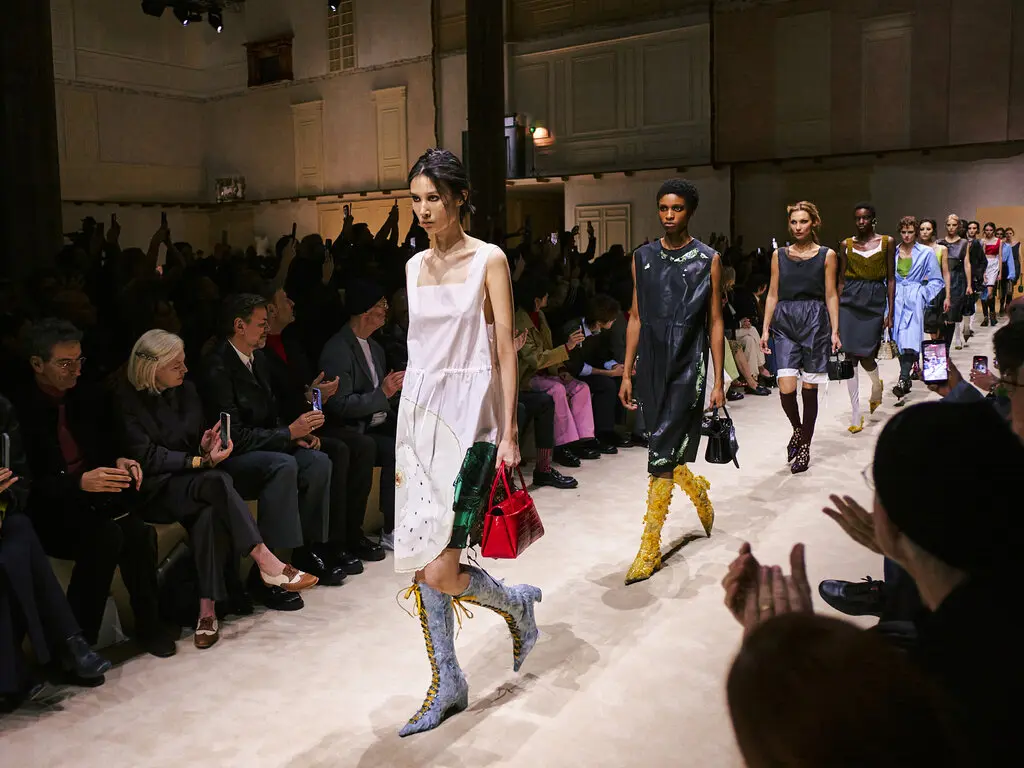
Prada Keeps It Real: Unveiling Bold New Layers at Milan Fashion Week

As Milan Fashion Week continues to be the epicenter of cutting-edge style and innovation, Prada set a compelling tone this season with a collection that speaks not just to aesthetics but to the evolving lifestyle shifts affecting our generation. The show was a masterclass in layering, transformation, and reinvention, echoing broader cultural currents that emphasize personal expression through fluid, adaptable fashion. Each model’s walk was akin to shedding an old skin and emerging anew—symbolic of a society increasingly embracing renewal and individuality.

The concept of layering in Prada’s collection transcends traditional fashion boundaries. It invites young people to view their wardrobe—and by extension, their identity—as a canvas for ongoing reinvention. Such runway theatrics are reflective of a cultural push toward wellness and self-care, where minds and bodies are cultivated through a conscious assembly of styles that empower. Influential voices like Dr. Mark Hyman and Tim Ferriss have championed this flexible approach to wellness, encouraging a lifestyle that evolves in sync with personal growth. Prada’s runway serves as a reminder that fashion can be both a statement of personal sovereignty and a tool for navigating the complex layers of modern life.

This emphasis on layered self-expression aligns with a broader movement among youth toward embracing holistic wellness—mind, body, and soul. More young individuals are seeking to craft their environments and routines to foster resilience and authenticity, much like the runway’s dynamic shifts. Travel tips for the modern explorer suggest focusing on versatile, high-quality pieces that serve multiple purposes and reflect a personal impact: better health, increased leisure, and inspiration. Whether it’s visiting bustling metropolitan hubs like Milano or carving out time for mindful practices, today’s youth are rewriting the fashion and wellness playbook based on _adaptability_ and _self-awareness_.

  • Prioritize **quality over quantity** for a wardrobe that adapts with your changing needs.
  • Explore **cultural hotspots** as sources of inspiration for both style and personal growth.
  • Embrace **mindful routines**—from meditation to active leisure—to foster holistic well-being.

Ultimately, Prada’s runway isn’t just about leather and fabric; it’s about embracing the journey of self-discovery. Fashion becomes a lens through which we see our capacity to shed old limitations and emerge resilient, vibrant, and ready for the next chapter. This attitude reflects a culture that values not just superficial trends but the **genuine evolution** of the individual. As we navigate personal and societal layers, the overarching message is clear: lifestyle is an ongoing journey of layered transformation. In an era marked by rapid change, the pursuit of authenticity and wellness remains the most stylish statement of all.
Royal Style on the Rise: How Trendsetting Royals Are Redefining Classic Fashion for the Next Generation

Royal Fashion: The Subtle Weapon of Power and Social Signaling

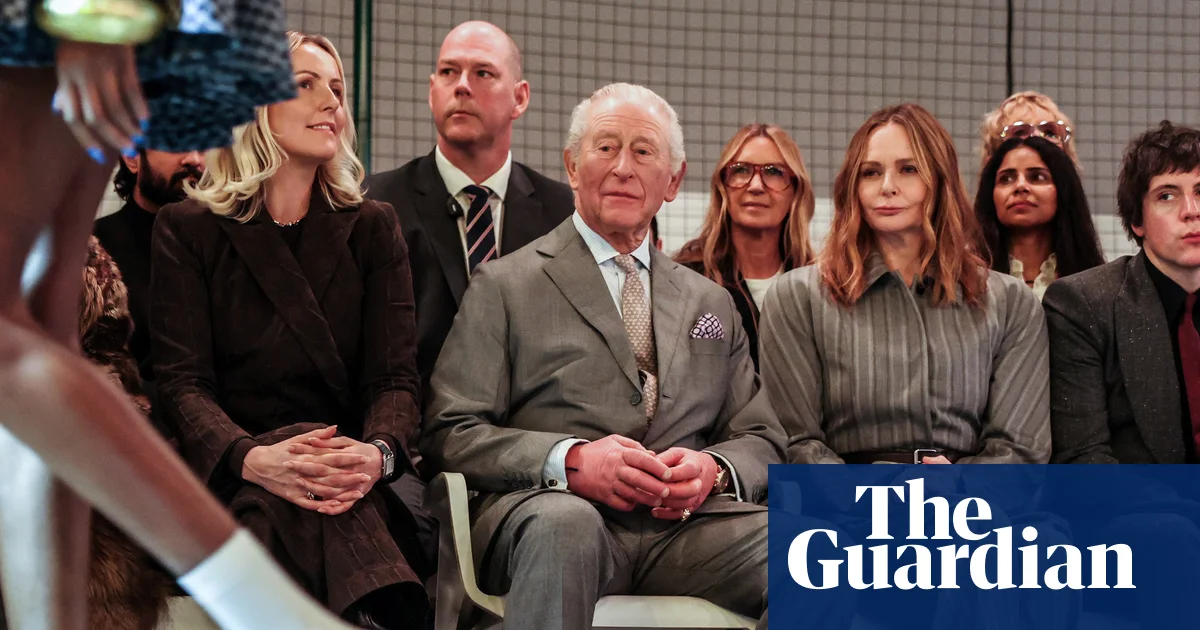
In today’s ever-evolving social landscape, the British Royal Family continues to master the art of dress diplomacy, turning clothing into a potent tool of soft power and cultural influence. While to many their attire might seem like mere tradition or personal style, seasoned analysts like sociologist Dr. Emily Carter argue that the royal wardrobe is a carefully curated narrative device. From King Charles’ British bespoke suits signaling resilience in turbulent times to Princess Catherine’s conscious sustainability choices, royal fashion remains an unspoken language of authority, ethics, and political messaging. It’s an elegant, yet deeply strategic tapestry woven with each carefully selected garment, shaping societal perceptions in subtler ways than any speech or policy could achieve.

Historically, as Justine Picardie notes in her insightful book, Fashioning the Crown, the house of Windsor has wielded fashion as an “instrument of crisis management.” The deliberate choice of attire during pivotal moments—such as Queen Elizabeth II’s wardrobe reforms during the post-war era, or her 2017 colour choices during Brexit debates—illustrate how style functions as situational signaling. When the Prince and Princess of Wales recently appeared in coordinated burgundy velvet at the Baftas, it was dubbed “Pantone diplomacy” by the New York Times. Their outfits symbolized unity and steadfastness—not just fashion statements but social messages of resilience amid the family’s ongoing public scrutiny. Such sartorial signal-coding demonstrates an incredible level of social relevance, as it subtly reinforces the monarchy’s endurance and moral stance amidst crises.

The growing recognition of fashion as “dress diplomacy” underscores an expanding cultural trend. On official visits to countries like New Zealand and Ireland, members of the royal family thoughtfully adopt local symbols—Princess Catherine’s fern-embellished dress or her repeatedly red-and-green ensembles during international outings—further confirming how clothing becomes a language of nationhood and cultural respect. The impact of these choices extends beyond mere aesthetics, shaping national identities and fostering diplomatic goodwill. This strategy, as Picardie observes, is rooted in a long-standing tradition: Elizabeth II, with her famously scrutinized hat choices and her subtle symbolism through brooches, understood how visual iconography could serve as a form of diplomacy and political messaging. Today, her successors continue to refine this craft, ensuring that each outfit maintains social relevance and underlines their role within national narratives.

As royal fashion evolves and the younger generation asserts some independence, questions arise about the future of this coded communication. Will the royal family’s clothing choices become even more transparent and communicative in the age of social media, where every outfit can be dissected and critiqued instantly? Or are we witnessing a shift where fashion’s social and political messages will be replaced by more transparent, direct communication? The next big question for cultural observers and social theorists is whether this “dress diplomacy” will adapt to the digital age—perhaps leaning into influencer-driven, transparent fashion statements or remaining a meticulously guarded tradition. Whatever the future holds, one thing remains clear: the royal wardrobe is not just about elegance; it’s a vital part of the cultural chess game, and understanding it might hold the key to deciphering the subtle power plays shaping our society.

Jess Cartner-Morley on fashion: Power up your winter look with bold accessories that showcase your style

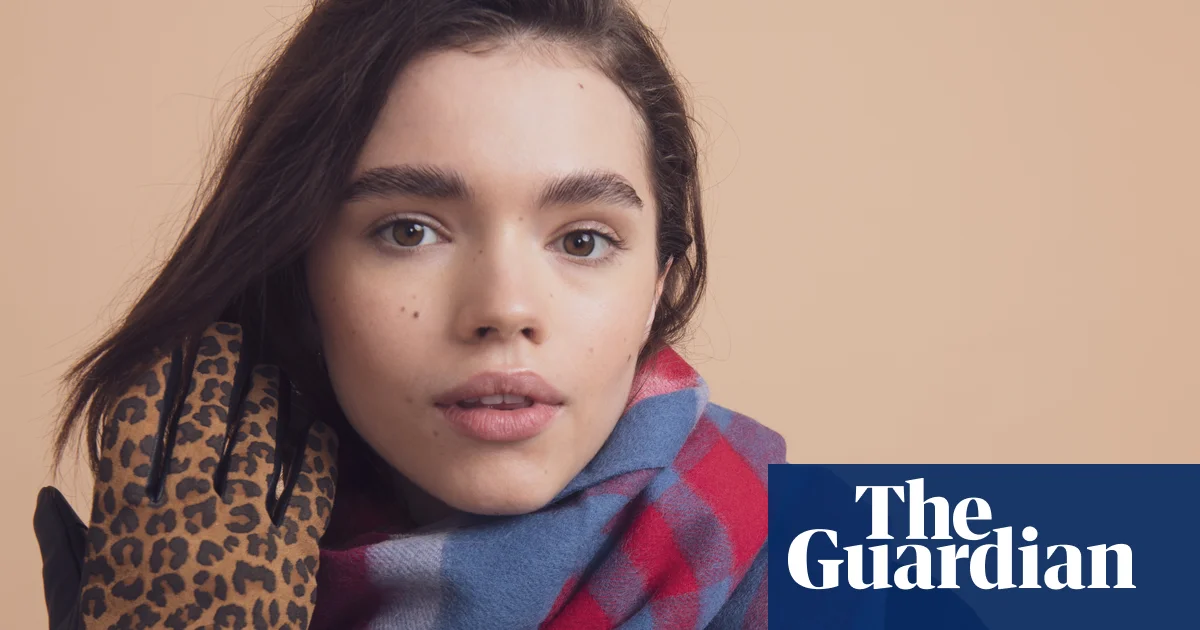
How Winter Accessories Are Redefining Style and Social Relevance for Young Trendsetters

As the chill of winter sets in, many young people are discovering that the true power of cold-weather fashion lies beyond the basics of bulky coats and sturdy boots. In fact, a new shift in behavior is quietly underway—one that elevates accessories like scarves and gloves from simple functional items to essential expressions of personality and cultural identity. This shift reflects a broader societal move towards embracing individuality and creativity even when practicality demands uniformity. Influencers, stylists, and sociologists are tracing this evolution, noting that today’s youth are using these often-overlooked details to make bold statements, challenge norms, and reconnect with a sense of personal warmth amid the urban cold.

Think about the timeless appeal of a personality scarf. It’s no longer just about keeping warm; it’s about making an intentional style choice. Oversized, vibrantly colored, tied in bows, or looped with flair—all serve as a “cherry on top” that signals confidence and individuality. It’s a way for young trendsetters to express themselves unapologetically, reinforcing the idea that what you wear on your neck or hands can have social relevance. More than a fashion statement, this practice fosters a sense of community among those who see these accessories as a form of silent rebellion against the monotony of winter uniformity. As influencers ramp up their styling videos, and fashion-critical sociologists emphasize the importance of self-expression, accessories are becoming more than just utility—they are cultural statements in their own right.

Meanwhile, the social impact of this accessory renaissance is palpable. During major moments in recent history—such as Michelle Obama’s iconic inauguration outfit—accessories played a pivotal role in conveying relatability and authenticity. Her carefully chosen scarves and gloves, subtly contrasting with her elegant ensemble, showcased that fashion could be both functional and meaningful. These details told stories of hope, resilience, and identity—lessons that resonate strongly with young audiences seeking genuine connection in their style choices. Today’s youth are channeling this approach, pairing unexpected colors and details that challenge “safe” fashion norms. This movement shifts the focus from fast fashion to fostering a personal narrative through accessories, cementing their social relevance as tools for identity-building, especially in an age where visual communication is king.

Stylists and fashion analysts agree that embracing these accessory trends isn’t just about aesthetics—it’s about confidence in a climate that often feels impersonal and disconnected. From chic gloves in oxblood or soft green to looped sweaters doubling as scarves, every element becomes part of a larger storytelling canvas. As simple as tying a scarf in a bow or adding a brooch, these choices allow young people to set themselves apart. With coats and boots often standardized, accessories become the playground for individual style, the bits of wardrobe that enable flexible expression. The next big question looming in this evolution is whether this accessible form of self-expression can sustain its social power, or if it will become just another fleeting trend in the fast-paced world of fashion. As society continues to navigate a landscape of shifting norms and digital influence, the future of winter accessories may hold surprising shifts—where even in the coldest seasons, the hottest style conversation remains firmly rooted in the choices we make just above our collarbones.

Alta Teams Up with Public School to Bring Sharp Styling Tools to Your Favorite Sites

Revolutionizing Fashion with Virtual Reality: Alta Sets the Stage for Industry Disruption

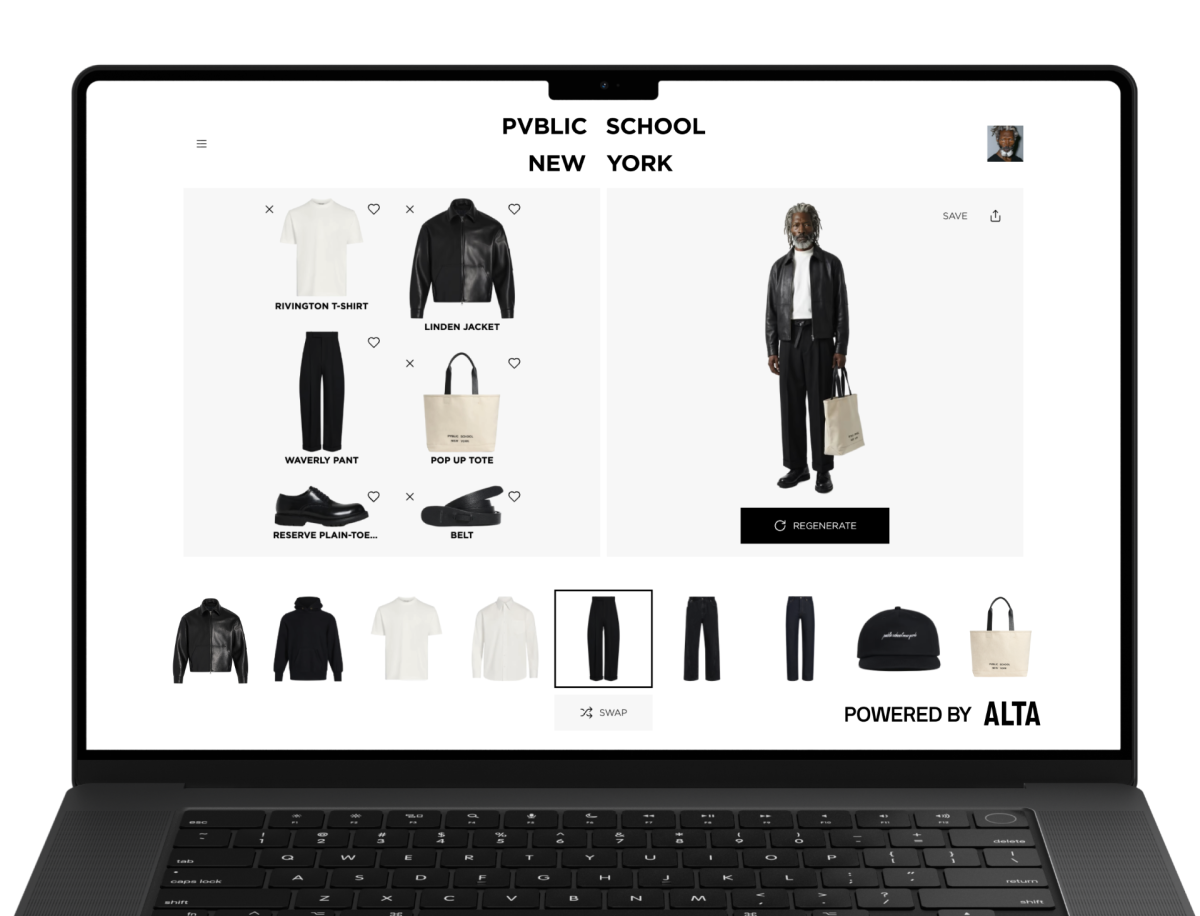
In a bold move demonstrating the transformative power of artificial intelligence (AI) and virtual environments, Alta, an innovative tech startup founded by Jenny Wang, is carving a niche at the intersection of fashion and digital innovation. Having secured an $11 million funding round led by Menlo Ventures, Alta is pioneering a virtual closet ecosystem that allows millions of users worldwide to create digital wardrobes, style outfits, and try them on using hyper-realistic avatars. This disruption is not merely a flashy display of technology—it’s a strategic overhaul of how consumers interact with brands, heralding a new era where digital and physical shopping converge seamlessly.

The business implications are profound: traditional retailers are facing mounting pressure to adapt to these rapid technological shifts. Alta’s collaboration with industry heavyweight brands such as Public School exemplifies how established designer names are embracing AI-driven storytelling and immersive customer engagement. As Wang highlights, the company’s app has already generated over 100 million outfit simulations since its 2023 launch, attracting attention from publications like Time and Vogue—a clear marker of mainstream industry recognition. This datastream signals a pivotal shift towards personalization and immersive shopping experiences, compelling brands to rethink their digital strategies if they are to stay competitive.

What makes these developments standout is the integration of digital fashion with e-commerce platforms. Alta’s platform now features interactions with thousands of brands, providing a direct avenue for consumers to style, test, and purchase fashion items within a unified AI-driven environment. Notably, the recent integration with Public School signifies a major milestone—marking the first time a high-profile designer embeds a fully personalized avatar styling tool directly into its website. This innovation fundamentally alters the consumer journey: shoppers can now style pieces on their Alta avatar directly from brand pages, removing friction and increasing engagement. Such features signal a future where digital try-ons become standard, shifting power away from brick-and-mortar stores and into the hands of data-driven, digitally native brands.

Looking ahead, industry analysts from Gartner and MIT suggest that these must-have technologies will influence broader retail strategies across sectors, blurring the lines between digital entertainment, social media, and commerce. As The Economist warns, the rapid adoption of avatar personalization and AI-enhanced storytelling could lead to “industry disruption on a scale comparable to the advent of online shopping itself.” For entrepreneurs, investors, and established players alike, the message is clear: embracing virtual innovation is no longer optional—it’s imperative for survival. The next wave of tech-driven fashion brands will leverage these tools to personalize experiences at scale, fostering loyalty and unlocking new revenue streams.

In this swiftly evolving landscape, Alta and its peers are setting the pace for a future where virtual identities, AI, and digital fashion not only disrupt but redefine consumer interaction. With investments pouring in and visionary brands like Public School actively integrating these innovations, the race is on to harness these breakthroughs at an industry-wide level. For those who ignore these signals, the risk is clear: being left behind as the digital revolution in commerce accelerates at a relentless pace. The future of retail is digital, personalized, and undeniably disruptive—those who adapt today will dominate the markets of tomorrow.

Ralph Lauren, the U.S. style icon and poet of fashion, kicks off New York Fashion Week with signature swagger

Once heralded as the poet laureate of American style, Ralph Lauren has long held an iconic place in the pantheon of fashion legends. His brand emerged during the gilded era of the 1980s and 1990s, embodying an America of sportsmanship, vigor, and prosperity—think polished golf courses, classic baseball caps, and the timeless charm of a well-pressed shirt. Now, at the age of 86, Lauren is experiencing a remarkable renaissance, thanks largely to a societal shift that has seen the younger generation crave authenticity, tradition, and a sense of reassurance amid the chaos of today’s cultural landscape.

This resurgence isn’t just about nostalgia; it signifies a broader societal re-evaluation of societal values. Generation Z—those who grew up amid social upheaval, climate anxieties, and a new digital landscape—are turning away from the ultra-casual, street-styled wardrobe that once dominated youth culture. Instead, they are rediscovering the refined, preppy codes that Lauren made mainstream, such as knits, collared rugby shirts, and loafers. This shift reflects a craving for stability and *timeless elegance*—a visual reassurance that tradition and manners still matter. Fashion sociologists note that this return to classic American aesthetics is also an act of cultural reappropriation, reclaiming a sense of opportunity, optimism, and civility in an era often characterized by division.

Under the guidance of CEO Patrice Louvet, Ralph Lauren has harnessed this mood, translating it into a compelling social media-driven marketing strategy. The brand’s digital presence has helped it reconnect with a younger audience, many of whom prefer scrolling through TikTok or Instagram to traditional malls. The result? A consistent aesthetic that maintains familiarity—roughly 70% of products remain similar year after year—yet feels fresh and relevant. From the iconic quarter-zip sweater to the re-embraced loafers, Ralph Lauren’s products embody a tailored sense of American pride. High-profile endorsements from Taylor Swift and Olympic athletes, along with viral campaigns like “Ralph Lauren Christmas,” amplify this aesthetic, turning it into a cultural movement that resonates far beyond the fashion industry.

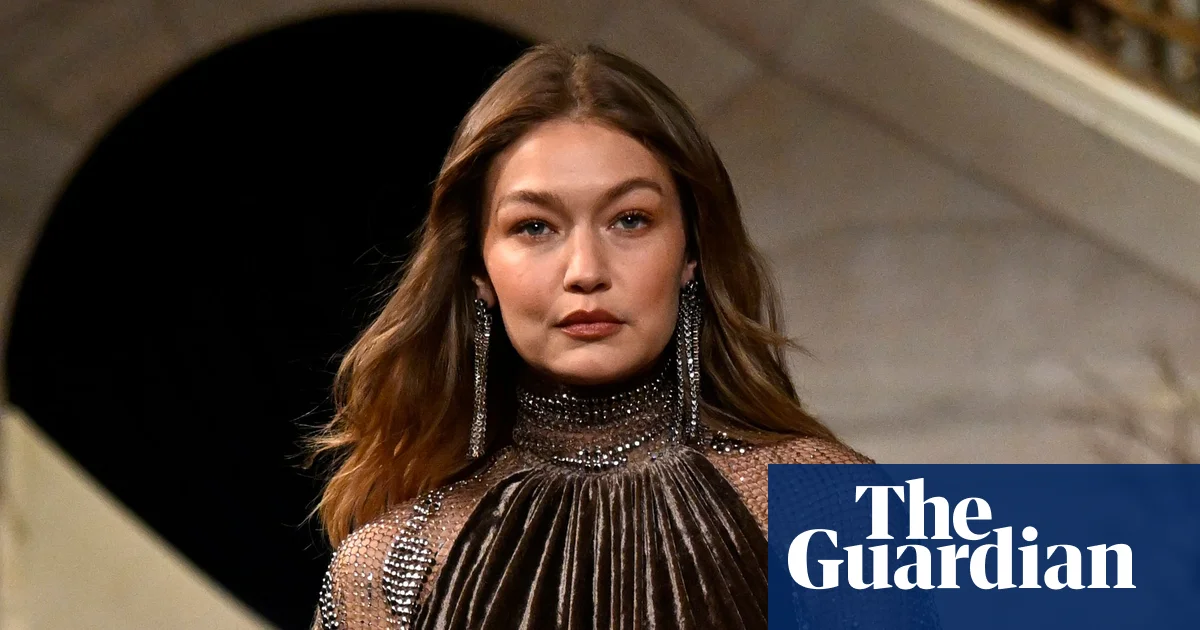
At the recent New York Fashion Week, Ralph Lauren showcased this aesthetic with grandeur, transforming a historic marble palace into a cozy, estate-inspired runway. Models strutted in velvet gowns, tailored evening suits, and layered casual-chic pieces, all designed to evoke the comforting yet aspirational lifestyle that connects the brand’s historical legacy with contemporary sensibilities. This was no ordinary show; it was a statement of how fashion can serve as a cultural anchor—offering beauty and stability in turbulent times. Meanwhile, the brand’s flagship store on Bond Street remains a hub for young consumers, where leather jackets might cost thousands, yet a coffee in the in-house café is just five pounds. Here, the synergy of luxury and everyday comfort becomes a social signature—affirming that high-end fashion isn’t just for the elite but can inspire a shared cultural identity.

Given this compelling cultural shift, the question now becomes: Is this revival of preppy Americana merely a fleeting trend or a fundamental redefinition of youth culture? As designers, sociologists, and marketers watch closely, a true revolution seems to be brewing—one built on nostalgia but rooted in a craving for authenticity, civility, and American optimism. In a world increasingly divided, fashion might just be the next frontier where youth find common ground——a mirror reflecting both the enduring American dream and the hopeful future that lay ahead. The next big question is whether this renewed appreciation for tradition will sustain itself or fade into mere trend hysteria. If history is any guide, it will be fascinating to see whether Ralph Lauren’s timeless signature continues to shape the cultural landscape, or if a new wave will rise, challenging the old guard in unexpected ways.

Decoding Andy Burnham’s Low-Key Style Game: The Outsider’s Fashion Edge for Today’s Youth

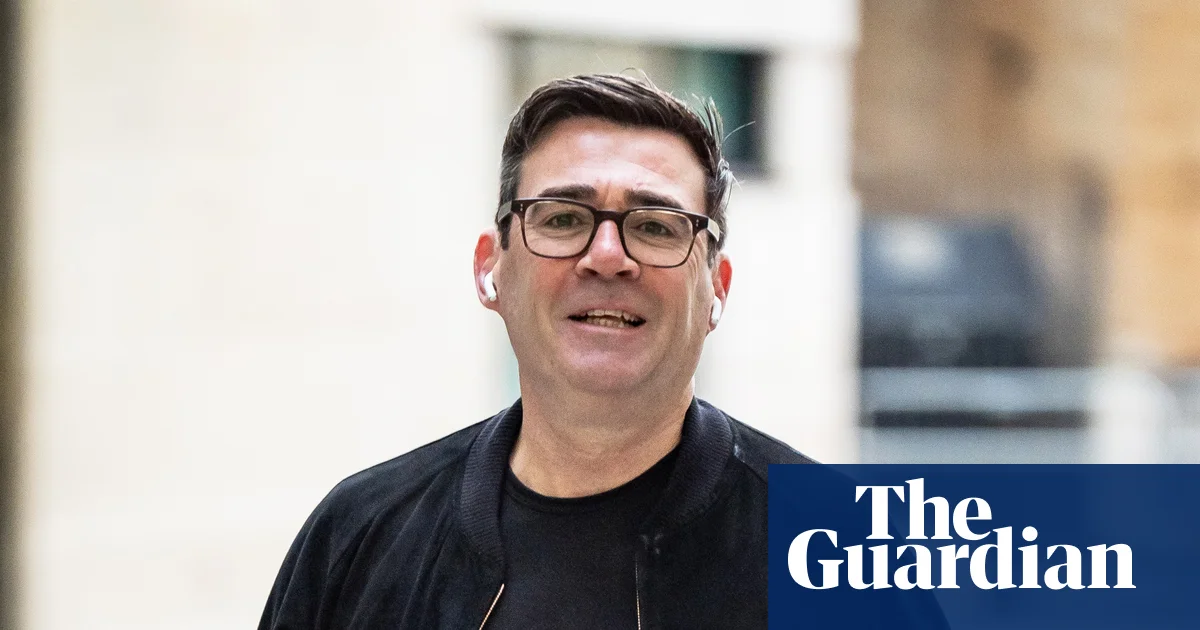
In the evolving landscape of politics, fashion has become an unexpected but powerful tool for shaping identity and making a social statement. Andy Burnham, the charismatic mayor of Greater Manchester and self-styled “king of the north,” has recently embraced a more casual, understated wardrobe during public appearances—trading suits for black joggers, bombers, and simple workwear-inspired pieces. His appearance at the launch of the Class Ceiling report at Whitworth gallery exemplifies a broader cultural shift: politicians are no longer just speaking through speech or policy; they’re communicating through their everyday style. Burnham’s wardrobe signals a departure from the polished, often detached London political class, and instead aligns with the working-class roots and regional pride that fuel his electoral base.

This deliberate shift toward casual, workwear-inspired fashion is more than mere aesthetics. For sociologists and fashion analysts like Andrew Groves, director of the Westminster Menswear Archive, Burnham’s all-black, nonconformist look is “as calculated as any Westminster suit, just aimed at a different audience.” It’s a visual rejection of the “parliamentary polish” that many associate with distant, elitist politics. Instead, it projects an image of practicality, authenticity, and regional solidarity—elements increasingly vital to engaging young voters who crave transparency and relatability in their leaders. As Jonathan Tonge, a politics professor at the University of Liverpool, asserts, Burnham’s fashion aligns with his moderate, left-of-center politics: a statement that “I’m different from Westminster.”

What’s truly fascinating is how Burnham’s personal style also represents a broader societal narrative: the emergence of regional identities in national discourse. His “Manchester way” aesthetic—described as “the Smiths meets Britpop”—evokes local cultural icons and musical heroes, reinforcing regional pride and resisting the homogenizing influence of mainstream London politics. Meanwhile, his style stands in contrast yet subtle proximity to Keir Starmer, whose slightly more mainstream Britpop-inspired look—Stone Island, Harringtons, open-neck shirts—signals a different political momentum. While Starmer maintains hints of non-conformity, Burnham’s more radical authenticity taps into the social momentum fueled by **youth culture** and regional resilience, making style an essential language of political legitimacy.

  • Growing regional pride and identity movements
  • Increased importance of relatable, non-elite visuals in politics
  • The unspoken cultural dialogue between London and the North
  • Fashion as a gateway to authenticity and grassroots trust

As the fashion of Andy Burnham continues to evolve, it raises a compelling question about the role of cultural symbolism in shaping political futures. Will politicians follow suit, turning their style into a strategic form of communication that bridges the gap between their policies and the everyday lives of voters? Or is this merely a fleeting trend, a superficial gesture that masks deeper societal divides? The next big question—possibly the most urgent of all—might be whether this deliberate dressing-down truly signifies a shift towards a more authentic, regional-driven politics or whether it’s just a temporary fashion statement in a landscape still dominated by traditional, top-down hierarchies. As Burnham’s casual yet meaningful style gains traction, the future of political culture may well rest on whether other leaders choose to embrace their regional roots and personal identity—because, in the end, style might yet become the most radical act of all.

Brand Beckham drops the ultimate clapback costume — and the fashion game just got more fierce

In an era where celebrity branding is less about talent and more about strategic image manipulation, the recent spectacle surrounding the Beckham family exemplifies this evolution. Over the past week, the media has been captivated by a series of social media revelations from Brooklyn Beckham that expose unseen cracks within one of the world’s most meticulously crafted dynasties. Meanwhile, David Beckham’s appearance at Paris Fashion Week, wielding a rare Hermès bag and a sashiko-dyed jacket, signals yet another chapter in the art of using fashion as a subtler form of communication. These shifts in behavior underscore how modern celebrities, especially those embedded in traditional institutions like the royals or famed families, are increasingly using clothing and public appearances as signals—either for unity or to send a hint of discord.

Fashion’s role as a social language is nothing new—think of Princess Diana’s iconic looks or Wallis Simpson’s modern take on regal style—yet today’s spectacle is amplified by social media’s immediacy. Influencers, sociologists, and brand strategists argue that what these figures wear isn’t just about aesthetics; it’s about shaping public perception. David Beckham’s choice of sashiko—an *ancient Japanese technique of visible mending*—may seem trivial, yet experts like brand consultant Andy Milligan suggest it could be a deliberate semiotic message. Are Beckham’s wardrobe choices a covert nod of resilience, a statement of humility, or simply a comfortable choice? The current climate makes it increasingly difficult to discern whether these “fashion statements” are organic expressions or carefully curated signals crafted by a team of image architects working behind the scenes.

At the same time, the family melodrama—highlighted poignantly by Brooklyn Beckham’s emotional social media exposé—reflects a broader shift in societal attitudes. In this digital age, transparency is currency, and celebrities are no longer passive figures; they are active participants in shaping their narratives, often blurring the line between authenticity and performance. Though Brooklyn’s claims paint a stark picture of family conflict, critics warn that such revelations serve a dual purpose: they keep the Beckham brand in perpetual conversation, attuned to the shifting values of a social media-driven generation. This combination of high fashion, family feud, and social media theatrics sets the stage for a powerfully modern brand of public spectacle—one where image is everything and vulnerability is often strategic.

Looking ahead, one has to ask: as families and celebrities fine-tune their appearance for both the camera and the subconscious, what does this say about the *future* of influence? Will fashion and personal narrative become so intertwined that the authentic self is forever mediated through carefully edited symbols? Or is this an inevitable sign of a society where every gesture, every garment, is a piece of the puzzle in a sprawling game of perception management? With the lines between reality and spectacle increasingly blurred, it seems the next big question for youth and society alike is: *are we witnessing the dawn of a new era where true authenticity is the ultimate act of rebellion?*

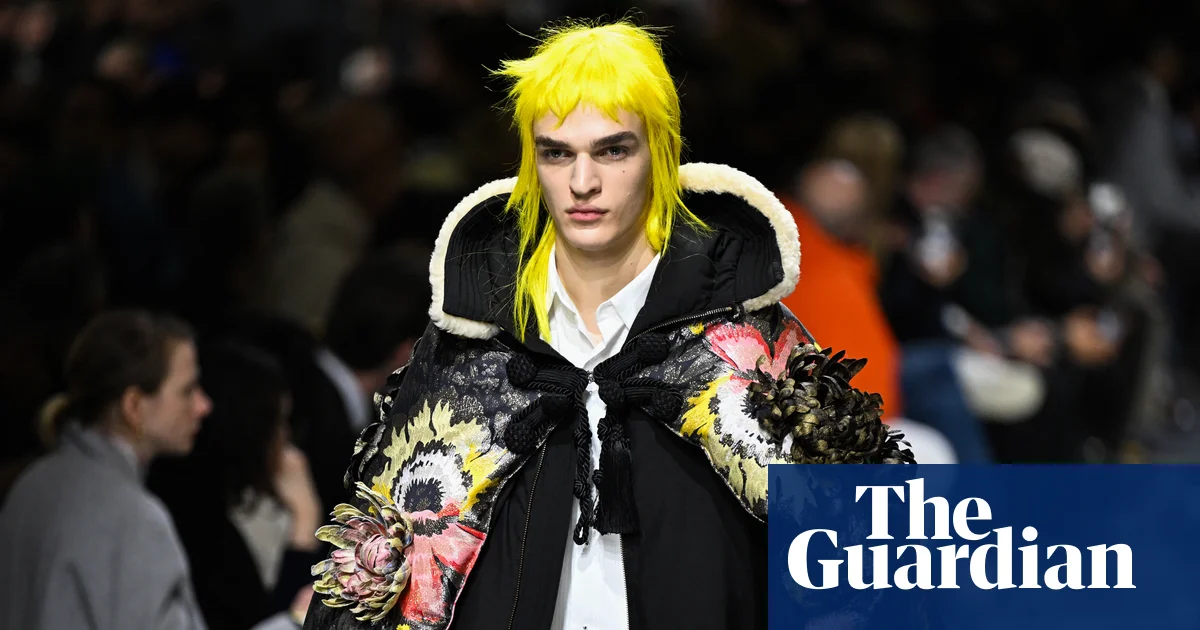
Jonathan Anderson Flexes Eccentric Edge at Dior Men’s Show — Sparking a Fresh ‘New Aristocracy’ at Paris Fashion Week

In the pulsating heart of Paris, fashion is undergoing a remarkable transformation that is as much about societal shifts as it is about style. Jonathan Anderson’s recent Dior menswear show, staged at the iconic Musée Rodin, exemplifies this evolution. With celebrity icons like Robert Pattinson and Lewis Hamilton in attendance, the collection didn’t just showcase clothing—it challenged perceptions about what it means to be part of a new aristocracy. Anderson’s concept focused on eccentricity over wealth, emphasizing the social and cultural relevance of individuality. Instead of traditional signs of status, he spotlighted personal expression—an intriguing reflection of today’s societal trajectory that increasingly favors authenticity and unique identity over old notions of privilege.

His collection, a provocative blend of punk-iness and historic references, took fashion’s boundaries for a deliberate spin. Sequin camisoles, snakeskin boots, and synthetic wigs united to form a character study that questions the norms of normality. Anderson’s use of cropped blazers and tailored pieces from eras just before societal upheaval—the 60s and prewar periods—serves as a commentary on clothing as a premonition of societal change. Influences from eclectic sources like MK Gee and Withnail and I indicate a deliberate move towards a culture that embraces mixed styles and the unconventional. This cultural layering signals a shift where fashion’s role extends beyond aesthetics into the realm of storytelling and social commentary.

Meanwhile, the conversation around fashion’s social relevance continues to evolve as Anderson mentions that consumers are already adopting the “anti-fitting” vibe—wearing men’s jackets designed with a rebellious twist—those traditionally confined to the women’s section. It underscores a broader trend towards bridging gendered styles and killing off the outdated “siloed” thinking of fashion marketing. Anderson sees this fluidity as a reflection of how we shop today, akin to a dessert menu where individuals craft their own personal aesthetic. This isn’t about Christian Dior or the brand; it’s about the next chapter of fashion—a chapter where personal identity reigns supreme, and the social hierarchy is redefined by the choices we make on our own terms.

On another front, visionaries like Pharrell Williams are similarly steering fashion’s future, this time at Louis Vuitton. Williams’ “retro-futuristic” collection, with tech-enabled tailoring, epitomizes the merging of tradition and innovation. Guests such as Skepta and Stephen Graham witnessed jackets glowing under lights and shirts designed to sculpt to the wearer—an explicit focus on technological integration in fashion. This resurgence of technical apparel indicates that luxury is not just about aesthetics anymore, but about enhanced functionality and personal empowerment. It’s a glimpse into a future where fashion aligns seamlessly with technology, digital culture, and individual agency, thus reshaping what luxury means in a world driven by rapid innovation.

Both Anderson and Williams highlight that the next big question for fashion isn’t simply about new styles—it’s about what these styles say about societal values and power structures. The cultural impact of this shift is profound: it signals a move away from the old aristocratic hierarchies based on wealth and social class, towards a society where self-constructed identities define one’s cultural capital. As fashion becomes more fluid and expressive, it challenges sociologists and trend analysts alike to reconsider the future of cultural influence. The true innovation may lie not just in the clothing itself but in how these visual stories will influence social norms and cultural narratives in the years ahead. The question remaining: are we witnessing the dawn of a new era where style democratizes power, or is this just the beginning of a new grand spectacle of identity politics—and what does that mean for the future of young, fashion-conscious generations?

“Forget the Runway: How This Podcast Is Changing How Young Trendsetters See Fashion”

In a world captivated by fleeting trends and viral influencers, a new wave of curiosity is emerging—one that digs beneath the surface of our everyday wardrobe to uncover the profound cultural and social significance of clothing. At the forefront of this movement is Avery Trufelman, a sharp and engaging podcast host whose show, Articles of Interest, offers a fresh, insightful perspective on fashion’s history, symbolism, and societal impact. Her approach is a reminder that what we wear isn’t just about aesthetics; it’s a mirror reflecting profound societal shifts and hidden histories. As her episodes navigate topics from the evolution of pockets to military-inspired gear, Trufelman redefines fashion as a form of cultural expression with enduring social relevance.

Her explorations reveal how clothing connects to pivotal societal developments. For example, she highlights how the seemingly mundane zipper was actually born out of personal passion—a love story involving Swedish-American engineer Gideon Sundback—illuminating that even the most ordinary objects have rich histories intertwined with innovation and romance. Similarly, her podcast delves into the history of military uniforms, exposing the unexpected links between civilian fashion and warfare. Today, American civilians and the military are more interconnected than ever, with military-grade fabrics and camouflage becoming staples in everyday wardrobes. Trufelman’s narrative suggests that our clothing often embodies the echoes of national conflict, societal shifts, and technological progress, making it a potent indicator of broader social dynamics.

This cultural lens elevates fashion from superficial trends to a form of social commentary. Influencers, sociologists, and industry analysts increasingly recognize that clothing choices reflect and influence societal values. The phenomenon of gorpcore, for instance, emerges not just as an aesthetic trend but as a response to the desire for practicality and resilience in uncertain times. Likewise, debates about gender privilege in pockets expose ongoing conversations about gender roles and societal expectations. Trufelman’s ability to connect these dots demonstrates that today’s youth aren’t merely chasing styles—they’re engaging in a dialogue with history, power, and identity through what they wear. Her work encourages a generation to view everyday garments as symbols of collective memory and societal resilience.

As her podcast gains traction, it’s clear that Gear—her deep dive into the relationship between clothing and war—exposes uncomfortable truths about how military and civilian clothing are intertwined in ways that often escape notice. With each episode, Trufelman underscores that fashion’s real power lies in its capacity to embody cultural narratives, challenge stereotypes, and reflect societal tensions. But perhaps the most compelling question her work raises is: what will the next chapter in this story look like? As military influence continues to shape civilian fashion, and as societal values evolve, the next big question is whether clothing will remain a silent reflection of history or become an active tool in shaping social change. The future of fashion, it seems, is not merely about what’s on the surface, but about how what we wear might help us navigate and redefine our societal landscape in a rapidly changing world.

Stylish and bold, but always classy: sheer skirts punch above their weight in youth fashion trends

In an era where extreme fashion trends often push the boundaries of everyday wear, a compelling shift is quietly reshaping the style landscape. Enter the sheer skirt, a versatile piece that combines daring transparency with an innate sense of modern sophistication. While the concept of naked dressing—wearing transparent or minimal attire on red carpets—still turns heads at events like Cannes, today’s fashion scene is embracing a more accessible, yet equally impactful, alternative. This trend is bridging the gap between high-octane runway statements and wearable street style, signaling a societal shift toward more nuanced expressions of individuality.

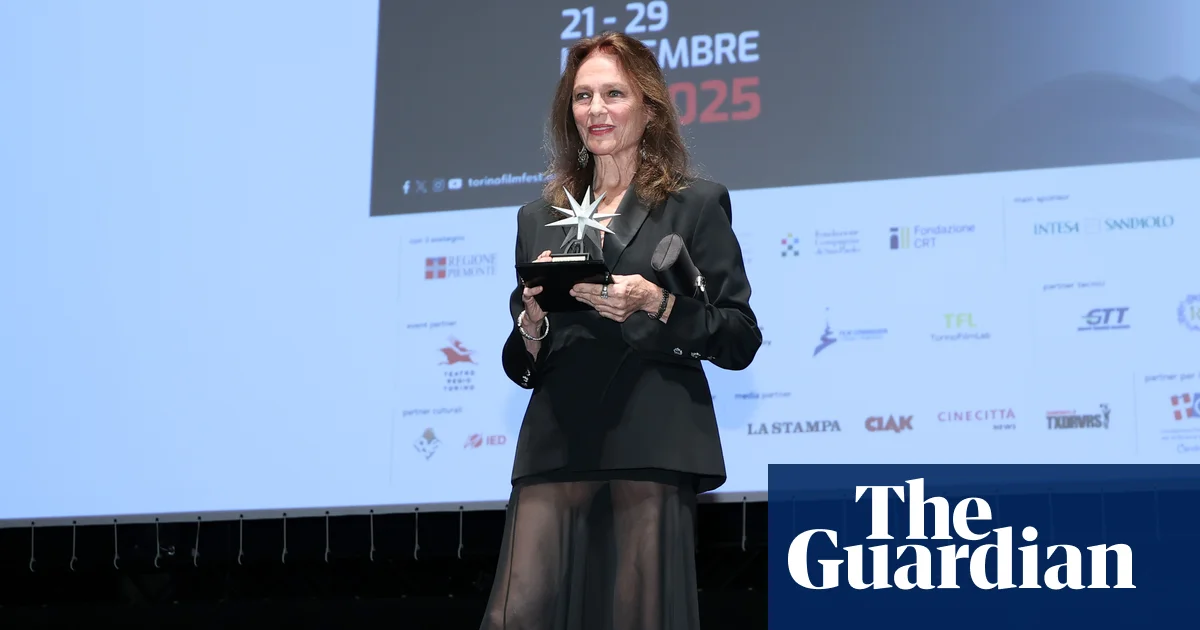
What makes the sheer skirt particularly noteworthy is its cultural and social relevance. With appearances on influential runways at brands like Chanel and Simone Rocha, and celebrities such as Jacqueline Bisset and Victoria Beckham sporting them at high-profile events and casual outings alike, the sheer skirt has transcended its initial novelty status. It’s not just a passing trend; it symbolizes a broader movement emphasizing layered, multi-dimensional fashion. According to sociologists and trend analysts, this shift mirrors society’s fascination with reinterpreting classic femininity and masculinity through the lens of subtle transparency, allowing wearers to convey confidence without fully revealing themselves. The trend’s popularity on platforms like Depop, with searches up nearly 100% since January, underlines its burgeoning appeal across generations, especially among youth eager to express their bold individuality within a socially conscious framework.

Experts like Gaëlle Drevet, founder of The Frankie Shop, highlight how the perceived balance of daring and subtlety makes the sheer skirt a modern staple. Drevet notes that their bestselling Peri skirt exemplifies this, striking a “sexiness” that remains approachable. Meanwhile, Karin Gustafsson, creative director of Cos, attributes its rising popularity to the “underwear as outerwear” trend” and a fresh approach to layering, especially with transparent fabrics that radiate color and light. This desire for innovation in self-expression is also reflected in how fashion-forward individuals imagine pairing sheer skirts with winter-ready pieces, such as turtlenecks, tights, and boots—making transparency a year-round statement of style.

Interestingly, the appeal isn’t solely rooted in exposing skin. Many see the sheer skirt as an elegant tool to hint at sensuality—a delicate balance that allows women to “show their legs without showing,” as Gustafsson describes it. This shift indicates a broader cultural conversation about the power of modesty and confidence in fashion. As layering becomes more sophisticated, the sheer skirt offers a platform for personal storytelling through style, emphasizing that fashion’s next frontier isn’t about revealing everything but about revealing just enough. So, as we enjoy this low-key revolution in the wardrobe, one glaring question remains: Will future trends continue to blur the lines, making transparency and layering not just a temporary phase but the next permanent evolution in how society defines beauty and self-expression? Only time will tell, but one thing is clear—fashion’s willingness to experiment with boundaries reveals much more than just style; it reflects a society increasingly eager to challenge norms and redefine identity.

Social Media Auto Publish Powered By : XYZScripts.com