Matox News

Truth Over Trends, always!

Jess Cartner-Morley on Fashion: Party Season Brings Glitter and Glam—But Not Everything Shines Bright

If there’s one thing that captures the spirit of modern youth culture, it’s the eagerness to embrace the festive season from the earliest possible moment. While traditionalists might scoff at jumping into holiday preparations as soon as September, a significant shift in social behaviors indicates that this newfound enthusiasm for holiday cheer isn’t just about the cheer itself—it’s about the statement it makes. Now, booking Christmas food deliveries in September isn’t just practical; it’s a lifestyle choice that blends forward-thinking consumerism with societal mindfulness about embracing small joys early. This trend signals a cultural shift toward the anticipation and personalization of holiday traditions, positioning the season as a form of self-expression even before December arrives.

The fashion landscape, however, remains more traditionally aloof — at least on the surface. The current narrative is flooded with curation from influencers and fashion analysts emphasizing that holiday partywear should be deliberate, meaningful, and smartly selected. Amid the glitter and the sparkle, there’s a conscious pushback against the *”more is more”* mentality that once defined Christmas shopping sprees. Influencers like Jess Cartner-Morley advocate for a pared-back approach—like opting for a long, elegant coat instead of multiple mini ensembles. This is not just about fashion; it’s a reflection of a generation that values quality over quantity, mindful consumption, and the social relevance of dressing intentionally. The emphasis is on selecting pieces that evoke nostalgia or timeless sophistication, rather than succumbing to fleeting trends driven by social media hype.

What’s fascinating about this shift is the way social influences are reshaping the cultural impact of holiday fashion. Instead of impulsively buying on a whim, youth consumers are increasingly engaging in mindful browsing, muting the noise of fast fashion and social media to connect with clothing that truly resonates with their personal style. Influencer-driven platforms like Instagram and TikTok are making this change palpable—many users are curating feeds filled with understated, classic pieces, drawing a stark contrast to the over-the-top, glitter-fest trends of years past. The result? A more meaningful, socially conscious approach to festive dressing, where each outfit tells a story and aligns with individual values. As analyzed by sociologists studying consumer behavior, this approach promotes a healthier attitude toward materialism, encouraging youth to scrutinize their choices rather than default to consumption driven by societal pressure.

Yet, beneath this veneer of conscious consumerism lies an intriguing question: Will this commitment to thoughtful purchase and subdued style redefine holiday fashion forever? Or is it just another trend that will eventually be swept away by the allure of instant gratification and viral hype? As the next wave of influencers reshapes the scene—perhaps emphasizing sustainable materials, vintage finds, or DIY fashion—the real question becomes: What will the next generation wear when they pause to reflect on what truly connects fashion to their social identity? The future of holiday dressing might not be about the flashiest sequins but about what this trend signifies—a cultural movement towards authenticity, sustainability, and self-designed narratives in an age dominated by social media-driven spectacle.

Got a Trendy Halloween Costume Idea? Check Out Your Own Wardrobe’s Hideaway! | Fashion

As the spooky season approaches, a fascinating cultural shift is unfolding in the realm of Halloween festivities. Traditionalists may still be rummaging through boxes for that dusty, decade-old costume, but a new wave of trend-savvy youth is redefining what it means to celebrate. Halloween has transitioned from a night of simple fun to a playground of creative expression, fueled by social media influencers, trendsetters, and the rising obsession with “in-the-know” cultural nods. This generation isn’t just dressing up for the night; they are making statement looks with effortless, last-minute touches that scream trend consciousness.

Leading the charge are the so-called cultural high achievers—from A-list celebrities like Kim Kardashian and Heidi Klum to innovative artists like Janelle Monáe. These icons spend weeks curated their costumes, leveraging platforms like Pinterest and Instagram to craft intricate, highly conceptual outfits. Their obsession isn’t just about costumes but about crafting a narrative that resonates with ever-evolving cultural moments. This influence trickles down to mainstream youth, who now see Halloween as an opportunity to join the conversation on societal trends, pop culture, and political commentary through their fashion choices. The result is a holiday that’s less about candy and more about cultural cachet — a kind of Halloween “manifesto” where costumes are loaded with meaning, parody, or insider references.

However, not everyone is investing hours or dollars into elaborate ensembles. Instead, a new subset of trend-hunters is embracing the art of the “stolen idea”. Inspired by recent headlines—like the daring Louvre jewel theft or viral crime stories—youth are assembling quick, punchy costumes that shout social relevance. For example, donning a hi-vis vest and piling on jewelry from their own collection transforms into an instant costume mimicking the infamous €76m jewel thieves, blending satire with social commentary. It’s a clever way of turning viral stories into wearable, relatable statements. Sociologists like Dr. Emily Chen argue this reflects a broader societal shift: we’re increasingly defining our identities through rapid commentary on media phenomena, where humor and irony are primary tools for social engagement.

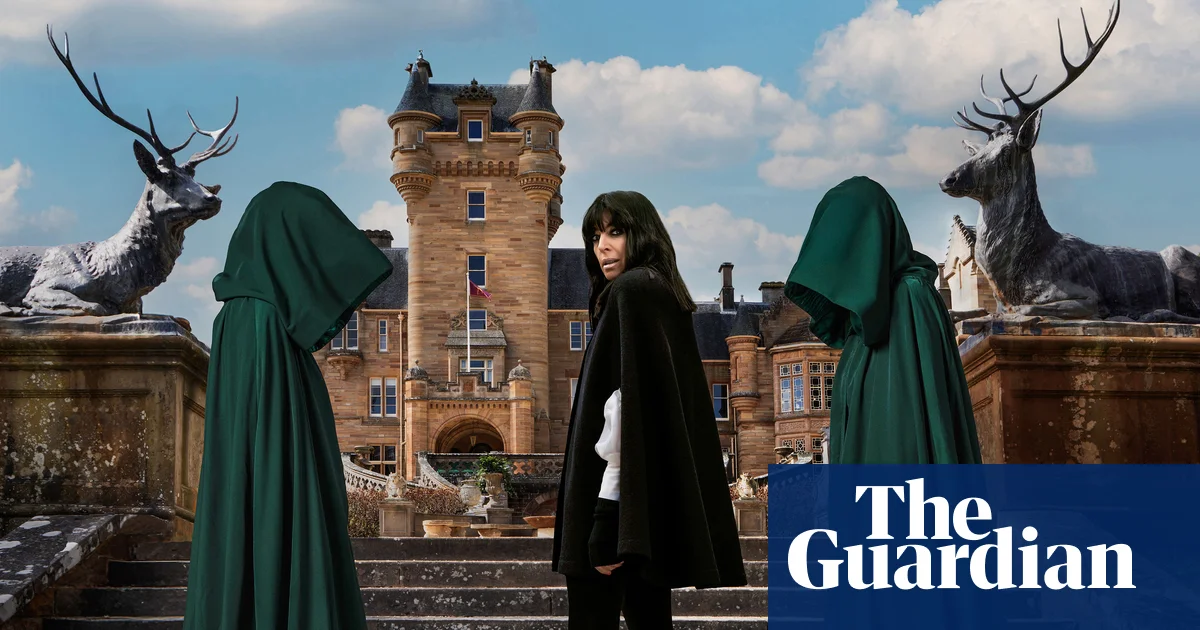
This trend isn’t just about aesthetics; it’s reshaping the social fabric of Halloween. As influencers like Claudia Winkleman showcase DIY accessories—snipping old gloves or layering eye makeup—young people are redefining what it means to participate authentically. The iconic “incognito mode”— Leo DiCaprio’s face-covering at a Venice wedding—embodies this desire to balance social spectacle with a curated sense of mystery, pushing the boundaries of traditional costume conventions. Meanwhile, comfort and humor reign supreme with options like wrapping oneself in a sleeping bag as a “Demon Hunter” or going retro with 2000s-inspired fashion staples—think boat shoes and baggy jeans—reminding us that even throwbacks can amplify current cultural conversations.

Ultimately, the next question we should be asking is whether this rapid, socially charged approach to Halloween costumes signals a deeper shift in youth culture. Are we witnessing the emergence of a new form of digital-era storytelling—where costumes serve as semiotic short-cuts and social commentary—destined to influence fashion, media, and social activism beyond October 31? As trends continue to evolve at breakneck speed, one thing is clear: Halloween’s cultural impact extends far beyond candy and costume contests. This is a reflection of a generation that’s increasingly savvy, strategic, and willing to use their appearance as a canvas for expressing complex societal narratives. The next big challenge? Deciphering how far this desire for meaningful, quick-witted self-expression can take us in shaping tomorrow’s cultural landscape.

Hollywood icons and trendsetters champion bold cinematic fashion

Global Power Shifts as Nations Navigate an Era of Uncertainty

In a world grappling with unprecedented geopolitical shifts, recent developments underscore the fragile state of international stability and the profound consequences of diplomatic decisions. Central to this evolving landscape is the complex interplay of major powers vying for influence, while international organizations grapple with maintaining order amid mounting challenges. As analysts warn of an impending recalibration of global alliances, nations are forced to confront the realities of a multipolar world where decision-making bears the weight of history.

The United States remains a dominant actor, yet its diplomatic posture appears increasingly cautious as tensions with China and Russia intensify. According to historians such as Dr. Elizabeth Carter, recent policies signal a retreat from unilateral engagement towards a more strategic balance of power, emphasizing resilience rather than dominance. Meanwhile, European Union nations face their own dilemmas, balancing economic recovery with the rising tide of internal and external dissent. Crucially, the G7 summit’s resolutions reveal a commitment to shoring up defenses and fostering alliances, yet critics argue this may be insufficient against the backdrop of a resurgent Russia’s assertiveness.

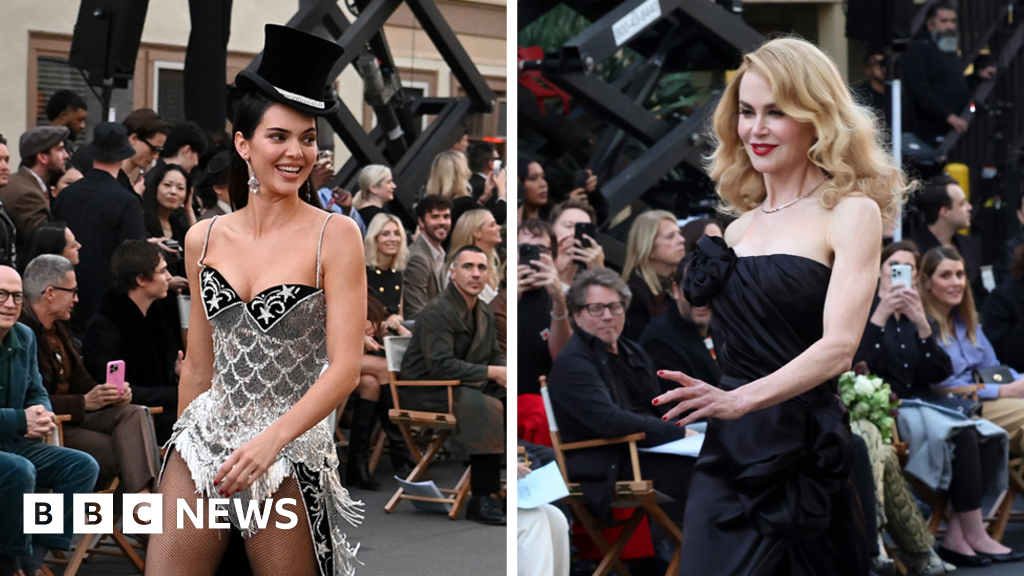
Simultaneously, a wave of cultural and social upheaval continues to shape domestic policies. Events such as Vogue World: Hollywood exemplify how nations project soft power and influence through spectacle and celebrity. The recent gathering in Los Angeles, showcasing luminaries from Nicole Kidman to Miley Cyrus, exemplifies the strategic use of media and culture to bolster national prestige. Beyond glitz and glamour, these moments reflect a deeper narrative: how nations choose to present themselves to the world influences not only perception but also diplomatic leverage. International organizations such as the United Nations caution that these cultural displays are no substitute for substantive policy, yet the spectacle continues to serve as a reflection of a world obsessed with image and influence.

As geopolitical tensions deepen, the choices made today will echo through history’s corridors. Analysts warn that a failure to address core conflicts risks ushering in an era of instability where societal divisions widen and the fabric of international order unravels. In the shadow of these monumental decisions, societies are left to ponder the future—whether unity can be restored or if history’s relentless tide of change will forge a new world order in flames of conflict or in the quiet whispers of diplomacy. It is here, at this crossroads of history, that the true weight of our era is being written, a story yet unfinished, destined to shape the generations to come.

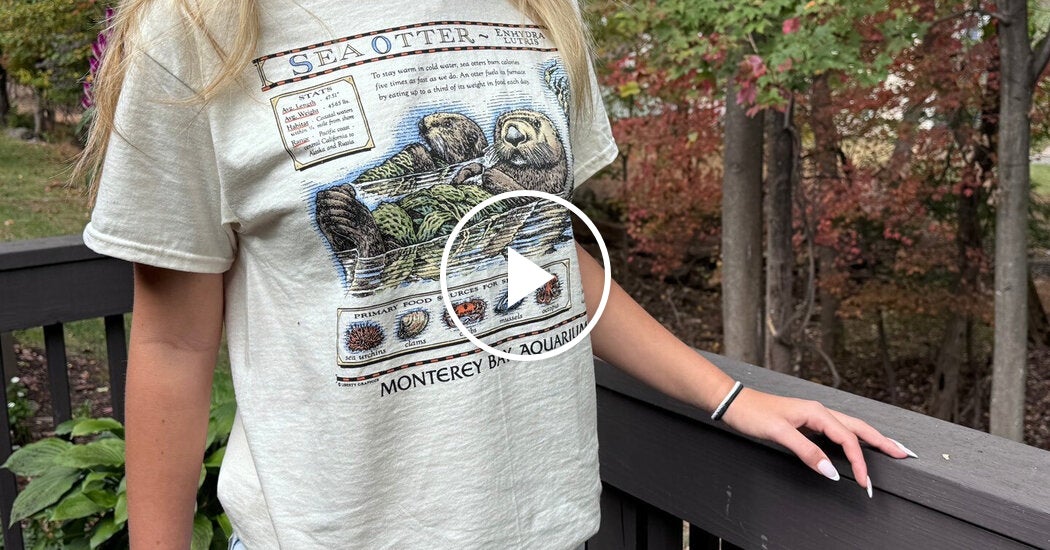
California Aquarium Raises Millions as Taylor Swift Rocks Otter-Inspired Fashion

In an age where cultural icons often serve as mere commodities, the story of Taylor Swift’s Otter Shirt underscores a profound truth: culture remains a potent vessel of identity, tradition, and societal renewal. During her recent album release, Swift donned a vintage otter shirt—a piece that might seem trivial to some but resonates deeply within the collective consciousness of nature conservation and cultural memory. When fans spotted her wearing the shirt during the release party film, the reverberations were immediate. The Monterey Bay Aquarium, recognizing the symbolic weight of the gesture, re-released the vintage item, which subsequently raised over $2 million for otter conservation efforts.

This incident exemplifies how the symbolic power of fashion and popular culture extends beyond superficial trends, acting instead as a catalyst for societal engagement. Artistic expression, as philosopher G.K. Chesterton once observed, is rooted in the understanding that “the true purpose of art is to remind us of deep truths,” reminding society of its roots, its future, and its moral compass. Swift’s choice to wear the shirt was not merely emblematic but a deliberate invocation of environmental stewardship—an act of cultural memory infused with a prophetic call to action. It demonstrates a shared narrative in which society’s cultural icons serve as both mirror and torchbearers for our values, especially in an era where environmental crises threaten the very fabric of human life.

Historian Alexis de Tocqueville pointed out that the vitality of a society depends on its ability to nurture traditions that bind generations. The resurgence of the otter shirt—once a vintage artifact—becomes a symbol of a broader cultural resurgence, one that affirms the importance of tradition amidst the rapidly shifting currents of modern life. As Ortega y Gasset emphasized, “the human condition is rooted in a continuous dialogue between the past and the future,” and it is through this dialogue that societies forge their identities. Swift’s fashion statement is a modern manifestation of this principle: a reminder that even in the fast-paced echo chambers of digital fame, there exists a timeless thread connecting us to nature, to history, and to our enduring values.

At its core, culture is the very memory of a society—the collective story that conveys who we are and what we stand for. Yet, it also serves as the prophetic voice of what we might become. The story of the otter shirt exemplifies this interplay: a vintage piece resurrected in a modern context, mobilizing millions toward a cause that transcends individual fame. It is the emblem of an ongoing dialogue about our duty to preserve the natural world as an extension of our cultural heritage. As T.S. Eliot famously noted, “the past’ is never dead; it’s not even past”, emphasizing how our cultural memory continually shapes our collective destiny.

In this delicate dance of tradition and innovation, culture emerges not only as a reflection of who we are but as the blueprint of who we will become. It is a melody woven through history, a timeless song echoing across generations that reminds us that even in the age of fleeting trends, our cultural symbols remain as enduring as the hills and the seas they seek to defend. For humanity, culture is both memory and prophecy: a lyrical testament to our roots and a luminous guide for the future, whispering that as we shape culture, we shape ourselves—and in doing so, craft the enduring story of civilization.

Fashion Shift Alert: Less Plus-Size Presence at Runway Shows Sparks Conversations Among Young Trendsetters

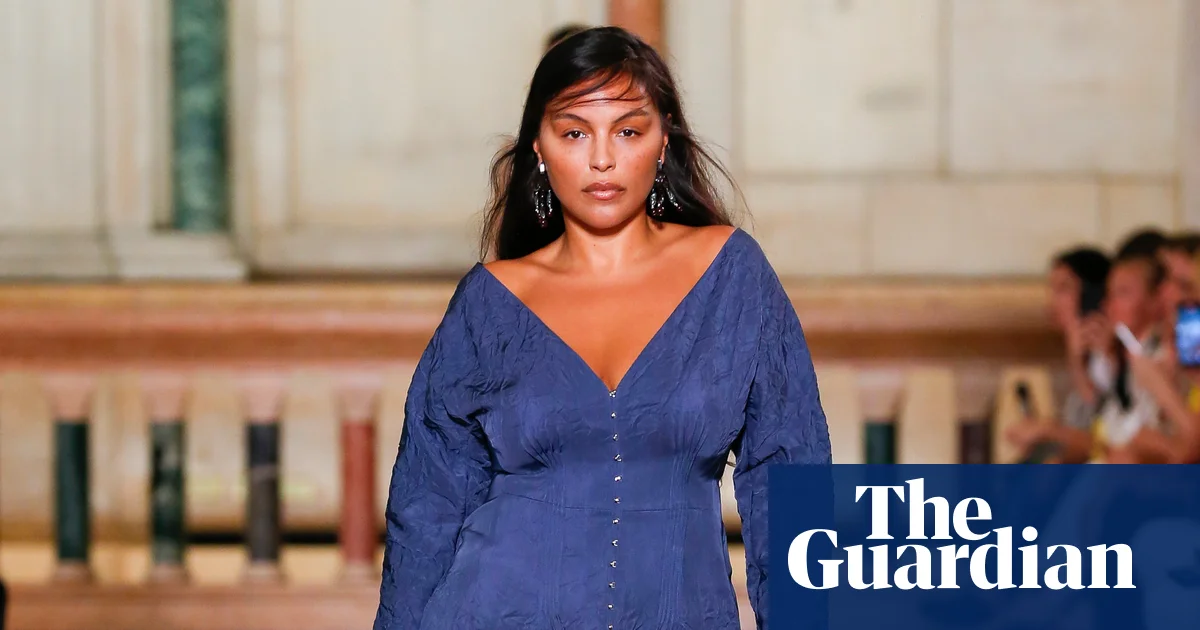
In recent years, the fashion industry was beginning to show signs of embracing true inclusivity. Runways were dominated by models of varied sizes, and campaigns spotlighted body diversity as a message of progress. However, new reports reveal a disturbing regression toward a predominantly thin ideal. According to a recent Vogue Business analysis, a staggering 97.1% of the 9,038 looks across 198 womenswear shows featured models measuring between US size 0-4 — hardly a sign of genuine size diversity. This trend underscores a broader societal push back, with catwalks and advertising reinforcing a narrow beauty standard that many critics argue is both unfair and unhealthy.

Among industry insiders, alarm bells are ringing. Elektra Kotsoni, Deputy Editorial Director of Vogue Business, describes the current situation as “horrible,” highlighting that in Milan alone, only 4 of 55 brands showcased models outside the straight-size range — the lowest proportion since such data collection began. This resurgence of skinny-shaming, bolstered by the widespread use of weight-loss drugs like Ozempic, signals a societal shift fueled by consumer obsession with thinness. Celebrity endorsements and a rising trend among influencers promoting extreme weight management reveal how the #bodypositivity movement is increasingly sidelined in favor of commercialized perfection. Such drugs, originally designed for diabetes treatment, are now contributing to shortages and a parallel online market that encourages rapid, often unhealthy, weight loss.

Yet, despite the industry’s flirtation with inclusion just a few years ago, the trend is veering sharply in the opposite direction. The decline of plus-size visibility on the runway is lamented by models like Felicity Hayward, who describes the previous era (2011-2017) as a “golden age” of representation. Today, plus-size models are reportedly losing ground, with some resorting to weight loss to stay relevant in a market that is increasingly favoring the ultra-thin. Designer Rick Owens exemplifies this shift; after showcasing a handful of plus-size models last season, he has now entirely excluded them. Such decisions threaten to reduce fashion to a mere product of societal standards—an unsettling placeholder for a culture that once prided itself on progress and diversity.

While this reversion to conventional standards might appear to be a superficial industry trend, it bears profound social implications. Brands are removing dedicated plus-size sections and shrinking their ranges, effectively making inclusion inaccessible outside online platforms. Meanwhile, critics like sociologist Susie Orbach argue that these developments reflect the commodification of bodies—a societal shift where physical appearance is increasingly dictated by market forces rather than individual authenticity. The unsettling reality is that the fashion world, and by extension society, may soon face a pivotal question: are we returning to a narrow definition of beauty because it’s easier to sell, or because society is truly more comfortable with it? As influencers and sociologists continue to debate, the next big question might be whether this push toward superficial uniformity is masking deeper societal anxieties about identity, health, and progress itself.

Vivienne Westwood’s granddaughter calls out brand as Riyadh Fashion Week deal sparks controversy

Fashion’s Fight for Social Justice: The Vivienne Westwood Legacy in a Changing World

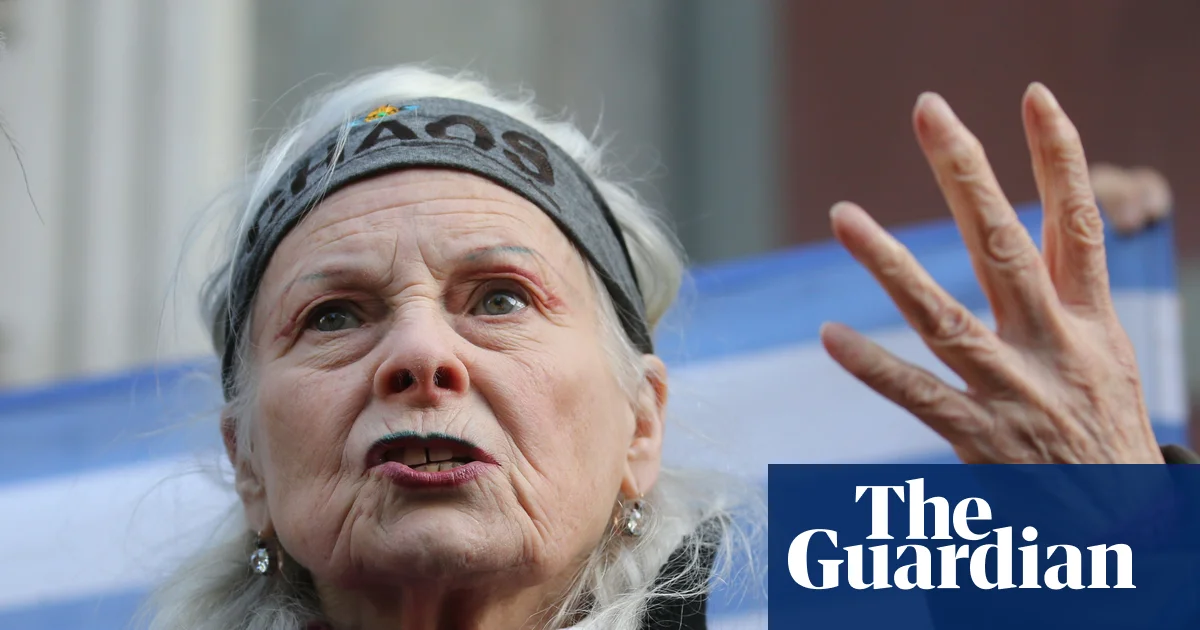
The recent decision by Vivienne Westwood’s brand to showcase in Riyadh fashion week has ignited a fierce debate about the delicate balance between artistic expression and social responsibility. While the brand insists that their presence in the Gulf state is meant to facilitate dialogue and understanding, critics—including the granddaughter, Cora Corré—argue that such moves undermine the very values Westwood championed during her lifetime. This controversy underscores a larger, cultural shift within the fashion industry: the tension between global commerce and social activism, especially when powerful brands become unintentional agents of geopolitical diplomacy.

At the heart of this debate is the cultural impact of celebrity and brand influence on social values. Westwood, known for her punk rock ethos and outspoken activism, used her platform to challenge injustice—campaigning against fracking and advocating for Julian Assange. Yet, her brand’s decision to participate in Saudi Arabia’s glitzy fashion scene raises questions about how much influence elite fashion has in shaping societal norms. Influencers, sociologists, and analysts suggest that this dichotomy between style and substance exposes a broader societal undercurrent: are these gestures of cultural exchange or silent endorsements of controversial regimes? The fact that Kate Moss recently appeared in a charity T-shirt—featuring vintage Westwood graphics—further complicates the narrative, blurring lines between activism, fashion, and commercial interests.

This move also awakens concerns about the social relevance of fashion—particularly in nations with documented human rights violations. Human Rights Watch has called Saudi Arabia’s record “abysmal,” citing brutal repression of dissent and the criminalization of LGBTQ+ individuals—who face fines, flogging, or imprisonment. Despite this, Saudi Arabia is aggressively cultivating a global image as a hub of luxury and entertainment, investing heavily in high-profile events and celebrity-driven spectacles. Critics argue that these efforts, often endorsed by iconic brands, serve as a fine veneer masking deep-rooted abuses—raising the key question: are we commodifying human rights issues, or are these cultural exchanges genuinely fostering change?

As the winds of change blow through fashion, the implications extend beyond style into societal narratives. The questions that remain are profound: does stepping into an oppressive society simply normalize its realities, or can it be a catalyst for progressive dialogue? The answer may depend on perspective, yet one thing is clear—how iconic brands leverage their influence could define the next era of cultural activism. With Stella McCartney being approached for comment and ongoing discussions about the true impact of such high-profile endorsements, the next big question may be: Will fashion continue as a tool for social change, or will it become merely a business of appearances—lost in the glamour and gloss of luxury?

France’s Frustration Mounts Over Shein’s Fast Fashion Frenzy

Shein’s Bold Leap Into France: A Turning Point in Global Fast Fashion

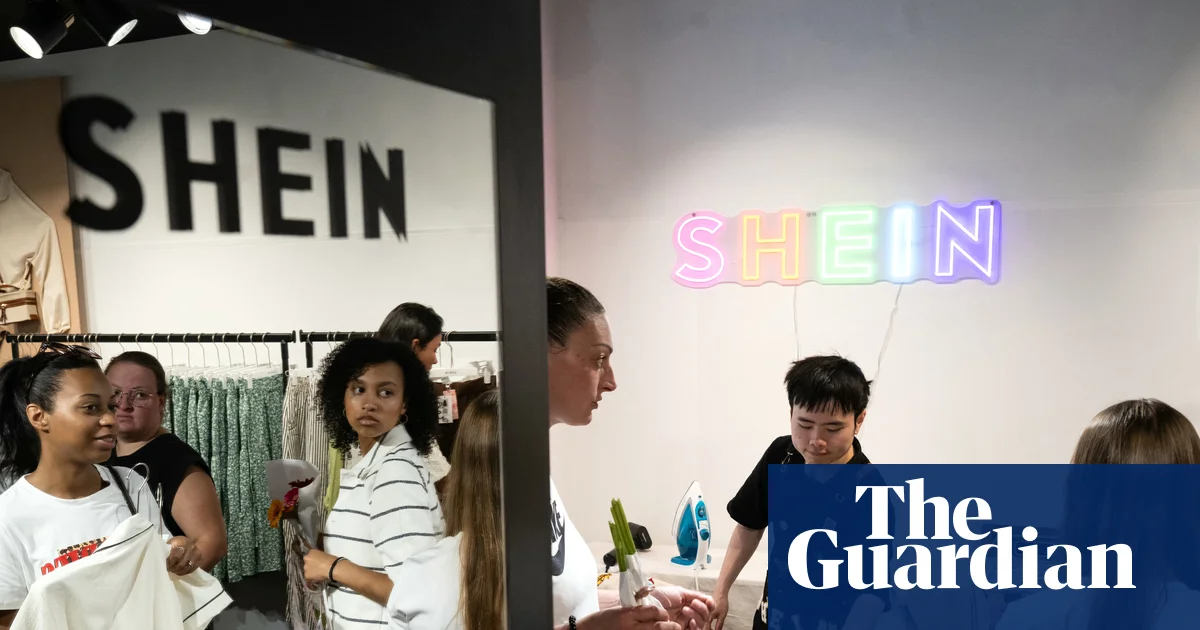
In a striking display of how geopolitical shifts and market forces intertwine, Shein, the Chinese-founded fast fashion juggernaut, is venturing into the heart of France’s renowned fashion industry. Despite vocal opposition—evidenced by graffiti calling out exploitation and forced labor—Shein announced plans to establish permanent stores within prestigious district names like Galeries Lafayette and BHV in Paris. This move reflects a broader strategy, emphasizing the company’s relentless drive to dominate global markets, even in societies with rich cultural traditions of craftsmanship and durability. Such expansion signifies more than mere retail growth; it underscores a paradigm shift in how international trade, labor practices, and cultural values collide and influence societal landscapes.

The Cultural Clash and Economic Power Play

Historically, France has revered its tradition of quality craftsmanship and the idea of objects—clothing included—being treasured and passed down through generations. Yet, the rise of ultra-fast fashion like Shein disrupts this ethos by promoting ephemeral trends, rapid turnaround, and mass production, often in questionable supply chains. Analysts highlight that Shein’s model—listing thousands of new items daily and shipping directly from Chinese factories—marks a decisive break from France’s traditional approach, which valued savoir-faire and sustainability.

Despite widespread protests, including a petition with over 270,000 signatures seeking to ban Shein, economic realities prove compelling. In 2022, Shein posted net profits exceeding $1 billion, bolstered by its ability to rapidly flood markets with trend-driven apparel. This aggressive growth highlights how geopolitical influence and market deregulation create space for transnational corporations to undermine local industries—challenging France’s cultural identity and economic sovereignty.

Globalization, Labor Criticism, and Cultural Resistance

Critical scrutiny of Shein’s supply chain reveals allegations of forced labor and child exploitation—issues the company publicly denies but cannot entirely dispel. Critics, including renowned historians and industry observers, warn that such practices threaten to tarnish global trust and reinforce a narrative of exploitation embedded within the fabric of fast fashion. The debate echoes the history of France’s own textile districts, like Sentier, which once thrived on local production but ultimately succumbed to international competition and delocalization efforts by major brands like Zara and H&M.

These developments serve as a stark warning: the fragile balance between economic growth and moral responsibility is under threat, with societal values—particularly those centered around environmental sustainability and fair labor—being pitted against the immediacy of consumer demand. The pushback from cultural institutions and consumers alike demonstrates that in a globalized economy, the decisions of corporate giants can sway national identity and social cohesion, often at tremendous cost.

The Future of Fashion and Society’s Role in Shaping It

Industry insiders and academics stress that regulation alone cannot undo the inherent overproduction and disposable culture that companies like Shein have engineered. Instead, they call for a fundamental reimagining of fashion—moving toward durability, repairability, and a respect for craftsmanship. France’s historic tradition of keeping objects and valuing savoir-faire could serve as a blueprint for resisting the commodification of clothing in the digital age.

As the story of Shein continues to unfold, so too does the larger narrative of international power, cultural resilience, and ethical responsibility. The choices taken at this juncture—whether to accept the relentless tide of ultrafast capitalism or to champion a renewed respect for tradition—will shape the legacy of generations to come. With history echoing from the past and the future still unwritten, the world watches as the forces of globalization threaten to redefine the fabric of society itself—fast, fleeting, and yet, profoundly consequential.

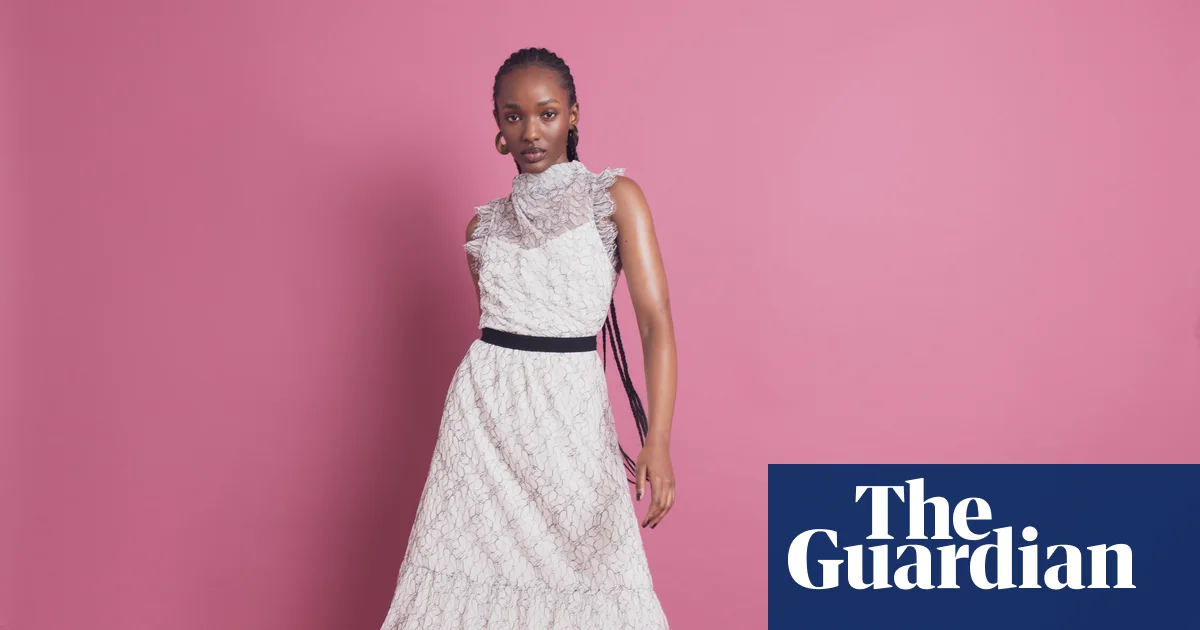
Jess Cartner-Morley on Fall Fashion: Go All-In on White Shades — No Rules, Just Style

The Rise of Winter White: A Cultural Trend Reimagined

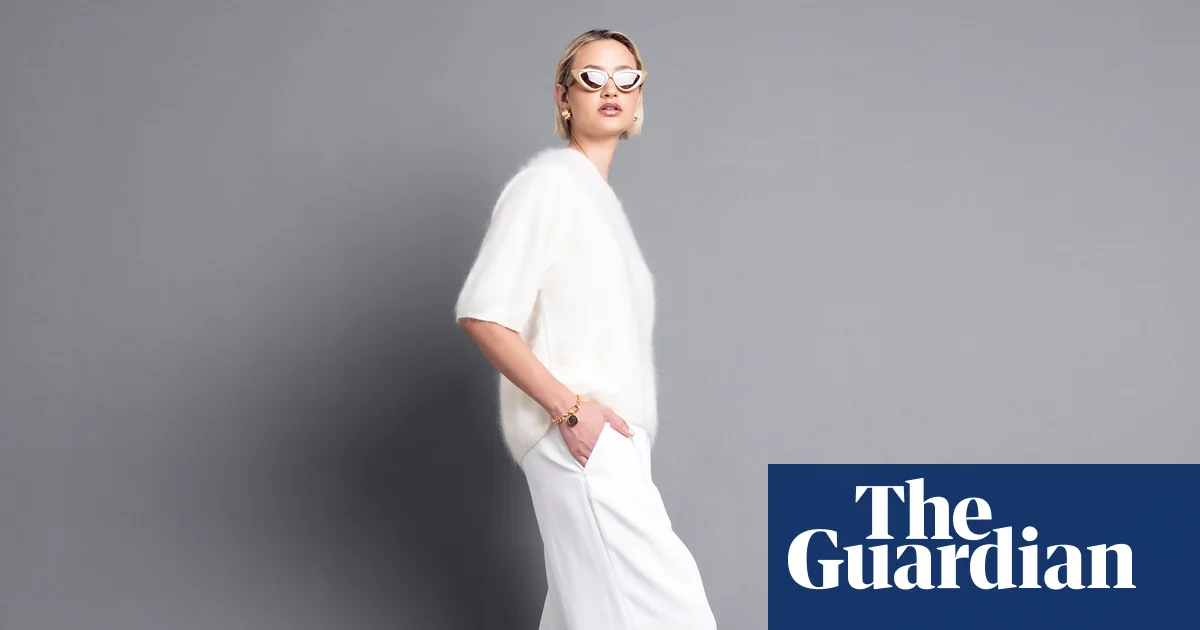
In recent fashion circles, winter white has emerged as the unexpected star of the season, redefining not just how we dress but also touching on larger societal shifts towards minimalism and sophistication. Drawing inspiration from the elegant aesthetics of The White Company and reimagined through the lens of visionary designers like Sheila McKain—whose background spans Donna Karan, Jaeger, and Oscar de la Renta—the trend elevates traditional winter wear to a statement of calm luxury and discreet confidence.

This movement isn’t just about aesthetics; it’s a cultural statement challenging ingrained notions of color as expressive of mood or identity. Instead, white—particularly shades like cool-toned scandi, creamy porcelain, and warm butter—is now positioned as a powerful tool for social signaling—signaling restraint, elegance, and a nuanced approach to style that resonates with a generation seeking authenticity without excess. Influencers like Tiffany Hsu are showcasing this new winter wardrobe, emphasizing how this clean color palette acts as a blank canvas for personal expression while remaining effortlessly sophisticated.

Beyond clothing, the cultural impact of this white renaissance extends into lifestyle and social values. Embracing white attire embodies a shift towards simplicity and intentionality, resonating with a younger demographic eager to balance style with social consciousness. As fashion analysts interpret this trend, they note that it’s not about being one-note but about embracing a broader spectrum of whites: from transparent and beige to subtle greys—an inclusive approach that redefines what “white” can be. This plays directly into the current societal penchant for individuality within conformity, where less is more, yet more is also more—more textured, more nuanced, more meaningful.

The significance of this trend is vividly captured through candid celebrity renders and street style takes, making it clear that winter white is no longer reserved for the privileged or the ultra-formal. Instead, it’s becoming a versatile style that bridges professionalism and leisure, lending itself to a range of contexts — from high-street shopping to high society galas. As this visual aesthetic gains momentum, it raises an intriguing question: will our society’s collective jump to purity and minimalism in fashion signal an even deeper societal desire for clarity and stability amidst chaotic times? Is the dominance of white simply a fleeting trend, or a reflection of a larger cultural pivot towards purity and authenticity?

Giorgio Armani’s Last Walk: A Iconic Catwalk Tribute Crafted by the Master Himself at Milan Fashion Week

In an extraordinary tribute to a fashion icon, Giorgio Armani orchestrated what would be his final grand moment in Milan’s storied fashion scene. Known for redefining elegance with his softly assertive tailoring and Mediterranean-inspired color palette, Armani spent his last months meticulously planning a celebration of five decades of his iconic brand. This event, set in the romantic Pinacoteca di Brera, became more than just a runway show — it solidified Armani’s cultural relevance, blending high art with haute couture in a manner that resonated deeply with his loyal followers and fashion critics alike. Despite his passing earlier this month, the show went on, merging mourning with celebration, and forging a narrative that underscores his lasting influence on global style.

The event’s design reflected Armani’s signature blend of tradition and innovation. Invitations bore a black tie dress code alongside a T-shirt featuring a youthful portrait of Armani, a testament to the designer’s acknowledgment of his enduring legacy among younger generations. The guest list was a Who’s Who of Hollywood and fashion icons: Cate Blanchett, Lauren Hutton, and Richard Gere, whose early career was punctuated by Armani’s modern iconography in American Gigolo. It was a moment that merged social relevance and cultural impact: a celebration of style as power and a reminder that fashion continues to be a language of social identity, especially for the youth seeking to make bold statements through timeless elegance.

Armani’s latest collection, inspired by his personal experiences and favorite locations such as the historic Brera district and the island of Pantelleria, captured the mood of an era yearning for authenticity. The designs featured softly assertive tailoring again, with bold but refined double-breasted jackets, featherlight dresses in Mediterranean blues, and island-inspired looks designed to catch the breeze — an ode to freedom and individual expression. As fashion analysts highlight, Armani’s work exemplifies the “cultural significance of clothing as an extension of personal identity,” a trend championed by influencers turning to style as a form of subtle defiance against fast fashion’s fleeting trends. It’s this narrative of lasting impact that cements his place as “one of fashion’s heads of state,” as described by Anna Wintour, and it raises a fascinating question about the future trajectory of his empire.

Looking ahead, Armani’s heirs face a critical juncture. His explicit instructions to sell the brand to strategic buyers like LVMH, L’Oréal, or EssilorLuxottica signal a shift in how fashion powerhouses are viewing legacy brands. As the industry contemplates the next evolution—balancing heritage with innovation—the looming question becomes: Will Armani’s descendants preserve his understated, high-culture ethos, or will commercial pressures push the brand in a more mainstream, youthful direction? This dilemma encapsulates a broader societal shift — a generation increasingly eager to engage with authentic, culturally rich storytelling through fashion, yet also craving the accessibility and immediacy of contemporary trends. The future of Armani’s legacy isn’t merely about business; it’s about whether true style can remain a form of cultural commentary or if it will become just another fleeting commodity whether artfully curated or mass-produced. That’s the next big question for fashion, youth, and society: how will the enduring influence of a legend shape the aesthetic and social language of tomorrow’s cultural landscape?

Fendi’s Fresh Take: Childish Charm Meets Luxe at Milan Fashion Week

As Fendi marks its historic centenary this year, the fashion world witnesses more than just a celebration of legacy — it reflects a broader shift in societal attitudes towards inclusivity and family-centric branding. Under the creative direction of Silvia Venturini Fendi, the house has seamlessly blended tradition with modernity, showcasing a new generation that values authenticity and social relevance. The recent runway event highlighted this evolution, featuring models of all ages and sizes, utilizing adjustable elastics and elegant grosgrain pull-tapes, once thought to be purely functional, now reimagined as symbols of style and adaptability. Many fashion analysts view this as a cultural shift towards accepting & celebrating diversity, especially in the younger demographics seeking brands with a conscience, not just a heritage.

One cannot ignore the cultural impact of this movement; it resonates deeply with the rising tide of youth-driven social activism. Influencers like Chiara Ferragni and Marina Benetti have championed brands that embrace inclusivity and family values. As Silvia vented her pride backstage, she encapsulated the sentiment: it’s not just about creating luxury items but fostering a sense of belonging and social consciousness. Meanwhile, the fashion industry at large is grappling with a steepening slowdown, causing brands to innovate with fresh faces and reimagine traditional luxury. With Fendi opening new flagship stores in Milan, the focus is shifting from mere exclusivity to cultivating a culture that appeals to a younger, more socially aware consumer base.

While Fendi’s approach demonstrates a reverence for its roots, other brands are pivoting towards minimalism and strategic reinvention. The Jil Sander show, led by Simone Bellotti, returned to the brand’s minimalist melting pot, emphasizing crisp silhouettes and industrial tones that appeal to those longing for understated elegance amidst the extravagance. The trend of minimalism signifies more than aesthetic choice; it aligns with a societal desire for authenticity and sustainable luxury. Industry insiders, including sociologists like Dr. Laura Jensen, argue this signals a collective move away from ostentation toward a more intentional, purpose-driven fashion culture. Still, as the scene grows ever more innovative, one must ask: what will be the next big thing that truly captures the social imagination? Could future trends make fashion not just an expression of identity, but a catalyst for social change?

Social Media Auto Publish Powered By : XYZScripts.com