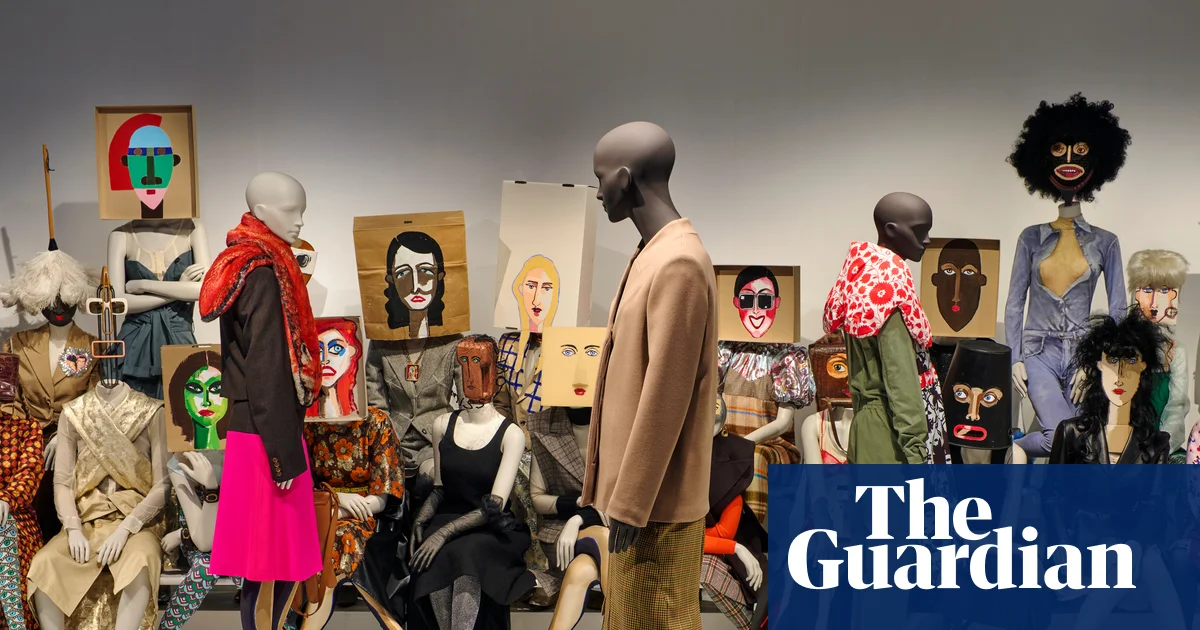

In the heart of Europe’s fashion frontier, Antwerp is proving that a city’s style isn’t just a matter of trend—it’s woven into its culture and history. Once considered the “parish of misery” in the 19th century, Antwerp has undergone a remarkable transformation, becoming an epicenter of avant-garde design and entrepreneurial spirit. This city, famous for its sumptuous guild houses and cobblestone streets, now showcases a thriving fashion scene that’s redefining how we think about style’s social and cultural relevance. From ancient guild halls to modern ateliers, Antwerp is living proof that **fashion is more than fabric—it’s a statement of resilience and identity**.
The city’s evolution into a fashion Mecca kicked into high gear with the rise of the Antwerp Six, a legendary group of designers who burst onto the international scene in the late 1980s, injecting vitality into a European fashion scene dominated by Paris and Milan. Led by visionaries like Dries van Noten and Ann Demeulemeester, these designers transformed Antwerp from a forgotten neighborhood into a vibrant fashion district. Today, walking along Nationalestraat feels like flipping through a living magazine—vintage stores, cutting-edge boutiques, and secondhand kilo stores sit side by side, forging a visual dialogue between the past and future.
The cultural impact of this fashion renaissance extends beyond the runway. Designers like Van Noten and Demeulemeester are celebrated globally, yet they remain deeply rooted in Antwerp’s community-oriented ethos. This is evident not just in their designs but also in projects like ReAntwerp, a social enterprise founded by local designer Tim van Steenbergen. ReAntwerp revitalizes leftover textiles from renowned Belgian ateliers, creating limited-edition classics that embody sustainability, craftsmanship, and social responsibility. Its mission to employ and empower refugees highlights fashion’s capacity to serve as a social equalizer, mixing culture and commerce in the process. This **blend of creativity and activism** underscores how fashion’s social relevance is being reshaped in Antwerp, making it more than just style—it’s a movement.
Antwerp’s deep roots in trade and art continue to influence its fashion scene as well. Once Europe’s largest port, the city thrived on the import of textiles, spices, and artisanal skills—heritage that now feeds its contemporary design ethos. The MAS Museum tells stories of this rich history, offering panoramic views from its roof terrace overlooking the bustling dockyards and river. Meanwhile, the Royal Museum of Fine Arts and the Cathedral of Our Lady showcase masterpieces by Rubens and Van Dyck, emphasizing that Antwerp’s cultural DNA is inseparable from its fashion identity. This heritage fuels a new wave of designers who see style as a form of storytelling, linking past and present in powerful, provocative ways.
The future of Antwerp’s fashion scene raises compelling questions. Will the city’s blend of history, art, and social activism continue to inspire a new generation of designers who prioritize sustainability and social impact? Or will the global fashion industry’s relentless commercial pressures threaten to dilute this unique cultural fabric? As young designers and cultural critics debate, one thing remains clear: Antwerp isn’t just shaping fashion—it’s rewriting its very definition. The next big question we should be asking is whether other cities will follow in Antwerp’s footsteps, transforming fashion districts into spaces of cultural and social dialogue. After all, in a world increasingly defined by quick trends and disposable style, Antwerp’s story is a reminder that true fashion begins with identity, resilience, and the courage to stand out—no matter how misunderstood or humble the origins might be.