
Matox News

Truth Over Trends, always!

Voters will decide Trump's fate based on the economy
Voters will decide Trump’s fate based on the economy

The recent escalation of U.S. military actions in the Middle East has sent shockwaves through the global geopolitical landscape. President Donald Trump authorized targeted strikes on Iran, a move that has significantly destabilized a region already rife with tensions. These strikes, coupled with Iran’s subsequent decision to close the Strait of Hormuz, a critical route through which approximately 20% of the world’s oil passes, have created a geopolitical tinderbox that threatens to ignite a much larger conflict. Financial markets responded instantly: Brent crude, a benchmark for international oil prices, surged to $126—a four-year peak—before gradually retreating to $111. However, this volatile spike underscores an unsettling truth: the global economy remains heavily vulnerable to regional conflicts in the Middle East.

International analysts, including those at the International Energy Agency and leading geopolitical think tanks, warn that such disruptions not only threaten energy supplies but also accelerate the reshaping of global power architecture. Historically, control over the Strait of Hormuz has been a strategic cornerstone for Persian Gulf states, with Iran viewing any interference with its navigation routes as a desperate effort to counterbalance Western influence and uphold regional sovereignty. Conversely, the United States and its allies see these actions as necessary to curtail Iran’s regional ambitions and nuclear developments. The Trump administration has clearly signaled a willingness to challenge Iran’s assertive posture, but these moves risk further destabilizing a fragile peace and drawing in greater regional powers, including Russia and China.

Historically, the geopolitical impact of such crises has been profound, impacting not only regional stability but also global economic development. The surge in oil prices—signified by a spike of nearly 70 dollars—has rippling effects, from inflationary pressures in Europe and Asia to an intensification of energy insecurity among Western nations. Economists warn that sustained disruptions in oil supply could lead to a chain reaction of economic instability, potentially derailing recovery efforts post-pandemic. As international organizations scramble to contain the fallout, analysts emphasize that when energy markets are shaken, entire societies are at risk—especially those already grappling with economic inequalities and political unrest.

Looking ahead, the immediate question remains: how will this crisis redefine international diplomacy and the pursuit of strategic dominance? The unfolding drama in the Middle East echoes the warnings of historians and security experts who stress that conflicts over resources and regional influence have often foreshadowed larger global confrontations. As the world stands on the precipice of an uncertain future, the impact of these decisions will shape the geopolitical map for decades to come—whether as the catalyst for a new era of stability or a descent into chaos.

In this moment of history’s unfolding narrative, the urgency lies in understanding that the stakes are far beyond mere oil prices. They are about the balance of power, the sovereignty of nations, and the security of future generations. As ships remain stranded in a narrowed Strait, and global markets fluctuate like a pendulum, the echoes of this conflict will resonate through the corridors of power—reminding the world that in the struggle for dominance, history’s pen waits to record the decisive strokes.
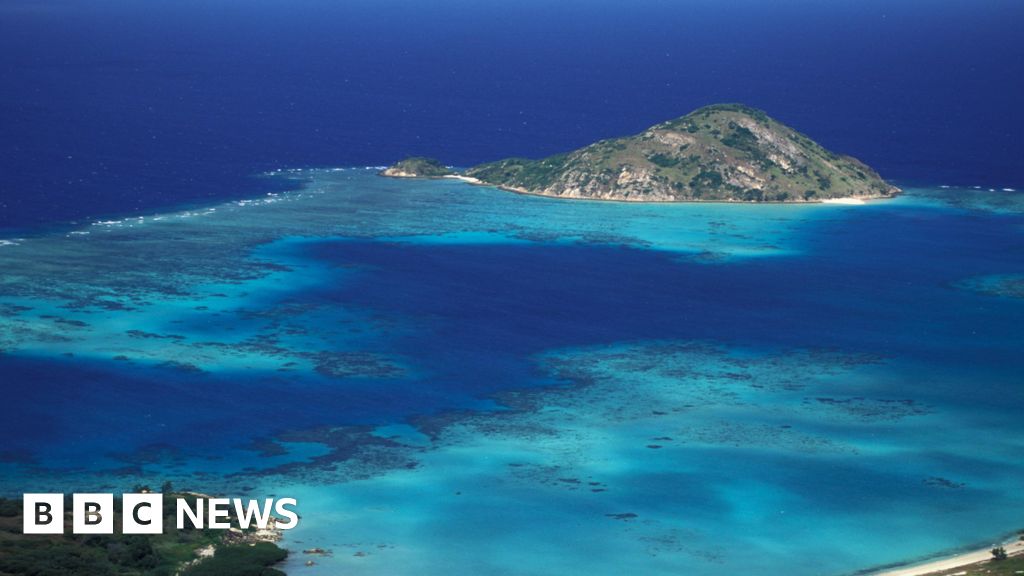

Young Woman's Tragic Fate After Cruise Ship Leaves Her Stranded on Australian Island
Young Woman’s Tragic Fate After Cruise Ship Leaves Her Stranded on Australian Island

The recent discovery of an 80-year-old woman’s body on Lizard Island, part of Australia’s Great Barrier Reef, underscores a broader issue gripping international attention: the safety of high-class tourism in remote and fragile environments. The woman, who was participating in a 60-day cruise around Australia—a journey costing tens of thousands of dollars—became separated from her group during a hike on the island’s highest peak, Cook’s Look. Despite her fellow travelers and the crew’s efforts, she was tragically found dead after an extensive search operation involving helicopters, boats, and volunteer groups. The incident has provoked a stern response from authorities and illuminated the dangers faced by those indulging in luxury exploration in remote locations.

While the details remain under investigation by the Australian Maritime Safety Authority (Amsa), experts and analysts warn that this tragedy is a *symptom* of larger issues: the increasing risks associated with adventure tourism in sensitive ecological zones. According to the cruise company’s chief, Mark Fifield, support has been extended to her family, yet many voices are raising concerns over the safety protocols employed in these remote expeditions. The incident has sparked pertinent debates among international safety organizations, with some critics questioning whether enough measures are in place to protect elderly travelers venturing into unpredictable environments. History reminds us that such accidents, when not prevented, serve as stark warnings of humanity’s overreach into nature’s most delicate corners.

The geopolitical impact of this event extends beyond Australian shores. The case has brought international scrutiny to Australia’s burgeoning tourism industry, especially its focus on luxury and eco-tourism. Analysts argue that nations with expansive coastlines and unique ecological sites are increasingly becoming battlegrounds for attracting wealthy travelers, which can compromise safety standards if not properly regulated. Australia’s commitment to safeguarding its natural heritage and tourists has faced questions as it balances economic interests with risk mitigation, especially as the incident coincides with ongoing climate debates impacting reef preservation efforts. The incident also raises alarms about how governments coordinate disaster response and maritime safety, with some experts warning that these procedures must be globally standardized to prevent such tragedies from becoming commonplace.

Beyond immediate concerns, international organizations such as UNESCO and the UN continue to evaluate Australia’s environmental policies and safety protocols, framing this incident as a critical juncture. As the world’s gaze intensifies, the response from Australian authorities and global observers will be pivotal in setting future standards. The public reaction, from both local residents and international travelers, reflects a broader shift — a demand for responsible tourism that not only commands respect for local ecosystems but also ensures the safety of those who seek adventure and luxury amid nature’s marvels. This incident, though devastating, is not merely an isolated tragedy; it is a grim chapter in a larger story of humanity’s complex relationship with nature and the ongoing, relentless pursuit of exploration. As history continues to unfold, the weight of this moment serves as a potent reminder: the paradise of today can, in an instant, become the site of another tragedy, etching itself into the collective memory of a world still striving to balance progress with prudence.

Social Media Auto Publish Powered By : XYZScripts.com


