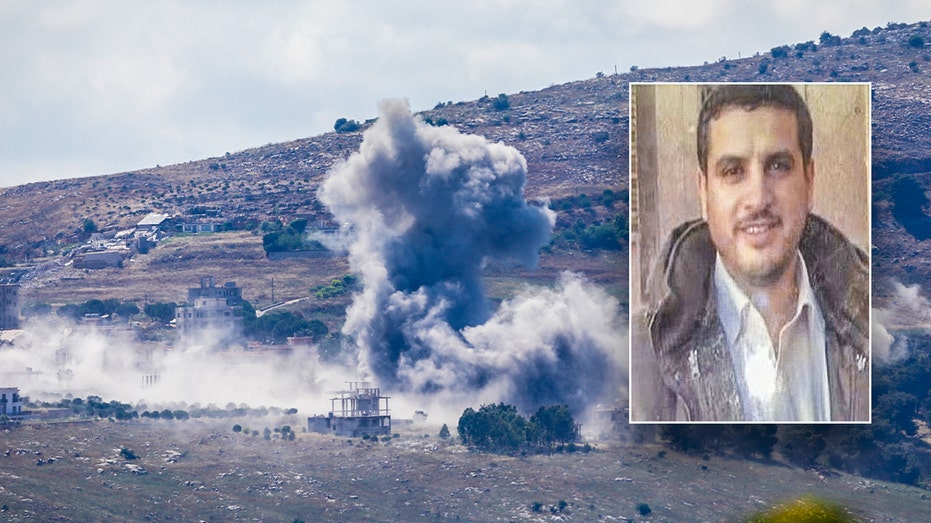
The recent escalation of U.S. military actions in the Middle East has sent shockwaves through the global geopolitical landscape. President Donald Trump authorized targeted strikes on Iran, a move that has significantly destabilized a region already rife with tensions. These strikes, coupled with Iran’s subsequent decision to close the Strait of Hormuz, a critical route through which approximately 20% of the world’s oil passes, have created a geopolitical tinderbox that threatens to ignite a much larger conflict. Financial markets responded instantly: Brent crude, a benchmark for international oil prices, surged to $126—a four-year peak—before gradually retreating to $111. However, this volatile spike underscores an unsettling truth: the global economy remains heavily vulnerable to regional conflicts in the Middle East.
International analysts, including those at the International Energy Agency and leading geopolitical think tanks, warn that such disruptions not only threaten energy supplies but also accelerate the reshaping of global power architecture. Historically, control over the Strait of Hormuz has been a strategic cornerstone for Persian Gulf states, with Iran viewing any interference with its navigation routes as a desperate effort to counterbalance Western influence and uphold regional sovereignty. Conversely, the United States and its allies see these actions as necessary to curtail Iran’s regional ambitions and nuclear developments. The Trump administration has clearly signaled a willingness to challenge Iran’s assertive posture, but these moves risk further destabilizing a fragile peace and drawing in greater regional powers, including Russia and China.
Historically, the geopolitical impact of such crises has been profound, impacting not only regional stability but also global economic development. The surge in oil prices—signified by a spike of nearly 70 dollars—has rippling effects, from inflationary pressures in Europe and Asia to an intensification of energy insecurity among Western nations. Economists warn that sustained disruptions in oil supply could lead to a chain reaction of economic instability, potentially derailing recovery efforts post-pandemic. As international organizations scramble to contain the fallout, analysts emphasize that when energy markets are shaken, entire societies are at risk—especially those already grappling with economic inequalities and political unrest.
Looking ahead, the immediate question remains: how will this crisis redefine international diplomacy and the pursuit of strategic dominance? The unfolding drama in the Middle East echoes the warnings of historians and security experts who stress that conflicts over resources and regional influence have often foreshadowed larger global confrontations. As the world stands on the precipice of an uncertain future, the impact of these decisions will shape the geopolitical map for decades to come—whether as the catalyst for a new era of stability or a descent into chaos.
In this moment of history’s unfolding narrative, the urgency lies in understanding that the stakes are far beyond mere oil prices. They are about the balance of power, the sovereignty of nations, and the security of future generations. As ships remain stranded in a narrowed Strait, and global markets fluctuate like a pendulum, the echoes of this conflict will resonate through the corridors of power—reminding the world that in the struggle for dominance, history’s pen waits to record the decisive strokes.