Matox News

Truth Over Trends, always!

Nick Reiner, Son of Filmmaker Rob Reiner, Detained in Connection with Tragic Deaths of His Father and Wife

In a world increasingly detached from its roots, culture remains the vital mirror and prophetic voice of a society’s soul. It is through enduring works, shared traditions, and collective memory that communities find their identity—an anchor in chaos and a blueprint for the future. Today’s cultural landscape, whether through the lens of cinema, literature, or art, continues to serve as both a repository of historical truth and a vessel of moral guidance. As Ortega y Gasset observed, society’s vitality depends on its capacity to preserve its racion, its reasoned continuity, against the erosive forces of nihilism and superficiality.

Yet, recent tragedies starkly remind us of culture’s delicate role in shaping character and society’s moral fabric. The shocking murder of Rob Reiner’s family in Los Angeles underscores how even the most iconic and celebrated—those etched into the collective consciousness as creators of cultural milestones—are not immune to the darkness lurking in the human condition. Rob Reiner, a notable figure in American cinema whose works like When Harry Met Sally and This Is Spinal Tap have become cultural landmarks, was reminded that behind the shield of fame and success lies the ongoing challenge of moral stability. The loss of his wife Michelle, and the tragic suspicion surrounding his son Nick, have reignited pressing questions about the inner struggles that threaten to unravel even the most celebrated families.

Once, as Chesterton noted, society was anchored in the “drama of the ordinary”—families, faiths, traditions—all serving as moral anchors. Today, the chaos within individual hearts often spills over into the social fabric, revealing that culture is more than entertainment; it is the moral architecture of civilization. In our cultural discourse, we witness the tension between the creators of meaning and the forces of dissolution. The tragic circumstances surrounding Reiner’s family echo a broader truth expressed by thinkers like Tocqueville: that society’s strength depends on its capacity to uphold moral virtues amid the allure of consumerism and moral relativism. Our art, our stories, and our shared history serve not only as memories but as prophecies of what humanity can become—either uplifted or destroyed by its own moral choices.

  • The enduring influence of cinema and literature as vessels of cultural memory, shaping notions of heroism, morality, and beauty.
  • The importance of tradition as a safeguard against chaos and a beacon guiding future generations.
  • The role of public figures as moral exemplars or warning signs in the collective conscience.

As T.S. Eliot mused, “Between the idea and the reality falls the shadow”—a reminder that culture’s true power lies in its ability to illuminate the shadowy depths of human nature, revealing truths that instruct and inspire. Our contemporary challenges—moral, spiritual, or societal—are rooted in the same fundamental question: can culture be the foundation upon which we build a society worthy of human dignity? Or will it succumb to the transient idols of superficiality? The tragic loss of Rob Reiner’s loved ones serves as a stark reminder that beneath the veneer of fame, the moral backbone of society must be constantly reaffirmed. Because in the end, culture is both our collective memory and the prophecy of our highest aspirations, whispering that human greatness is neither accidental nor inevitable, but cultivated through shared stories, traditions, and moral resolve.

Yet, even amid tragedy, there remains a whisper—a voice that echoes through history, urging us to see culture not merely as entertainment but as the living memory and prophetic voice of humankind. As we navigate the shadows of our times, let us remember that the true art of society lies in its capacity to preserve its soul—writing its stories into the eternal fabric of time. It is this memory and prophecy intertwined that forge the enduring spirit of civilization, a testament that from the depths of darkness can still arise the radiant promise of human dignity.
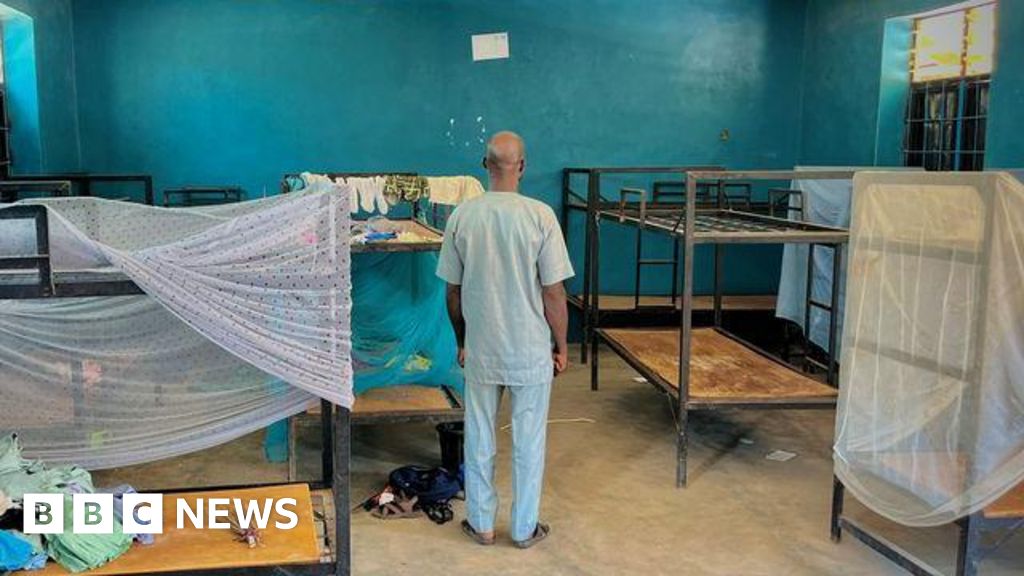
Father helpless as kids are forcibly taken from Catholic school in Papiri, Niger

Intensifying Kidnapping Crisis Threatens Nigeria and the Global Security Landscape

The recent escalation of violent kidnappings in Nigeria reveals a profound failure of the nation’s security apparatus and exposes the fragile fabric of its society. In the early hours of Friday, gunmen operating on motorcycles stormed a Catholic boarding school in Niger, abducting over 300 students and staff, according to the Christian Association of Nigeria. This brutal act underscores the dangerous shift in Nigeria’s insecurity, complicating the country’s internal stability and raising alarm among international observers about the effectiveness of its governance amidst a surge of violent criminal activity.

For years, Nigeria has struggled with a multifaceted security crisis involving Islamist militant groups, regional insurgencies, and criminal gangs. While Islamist militants like Boko Haram have long sought to destabilize the nation, recent kidnappings for ransom, conducted by organized criminal gangs or “bandits,” have become increasingly sophisticated and widespread. These groups exploit Nigeria’s vast forests and rugged terrain—particularly in regions like Niger State—using remote hideouts and routes to conduct their operations. Despite Nigeria’s government policy of outlawing ransom payments, these illicit transactions persist, channeling significant funds into the coffers of criminal entities and fueling ongoing violence.

The security failures are compounded by political decisions, or lack thereof. Niger State governor Umar Bago dismissively downplayed the abductions, suggesting the numbers were exaggerated and blaming school authorities for daring to keep schools open despite credible threats. Such response exemplifies a broader pattern of inadequate crisis management that further destabilizes public trust. Meanwhile, President Bola Tinubu’s decision to cancel his participation in the G20 summit to oversee the crisis signals the severity of the situation. In a rare display of prioritizing internal security, the president vowed to “not relent” in protecting Nigerians, but international analysts question whether such rhetoric can translate into effective action against well-armed, entrenched criminal networks.

  • Despite government claims of rescued hostages, parents and local communities report lingering fears and ongoing searches, highlighting a disconnect that hampers recovery efforts.
  • Widening insecurity has prompted school closures across Nigeria, disrupting the education of thousands and creating a lost generation vulnerable to extremist recruitment and additional violence.
  • The international community, including US President Donald Trump, has expressed concern, with Trump threatening military intervention if Nigeria does not curb the violence—a stark reminder of how internal crises resonate globally.

These events serve as a stark warning about the perilous state of Nigeria, a nation at a crossroads. As violence intensifies and societal trust erodes, the geopolitical implications loom large. Nigeria’s instability threatens not only regional security but also the continent’s economic stability, given its position as Africa’s most populous country and economic powerhouse. International organizations warn that unresolved insecurity fuels migration, arms trafficking, and the spread of extremism, which could destabilize neighboring countries and complicate regional diplomacy.

Historians and analysts caution that the Nigerian government’s current approach—often reactive rather than strategic—risks plunging the nation into a protracted and unresolved crisis. The weight of history suggests that events such as these not only shape the immediate political landscape but also forge the narrative of a nation struggling to keep the promise of stability and progress alive. As families mourn and communities rally against the darkness descending upon them, the unfolding story of Nigeria’s security failure may yet define the legacy of an entire generation—unless decisive, long-term measures are taken. The pages of history turn ever faster, and the future remains uncertain as the world watches how Nigeria confronts its toughest challenge yet, with the echoes of lost innocence haunting its every step into the shadows of chaos.

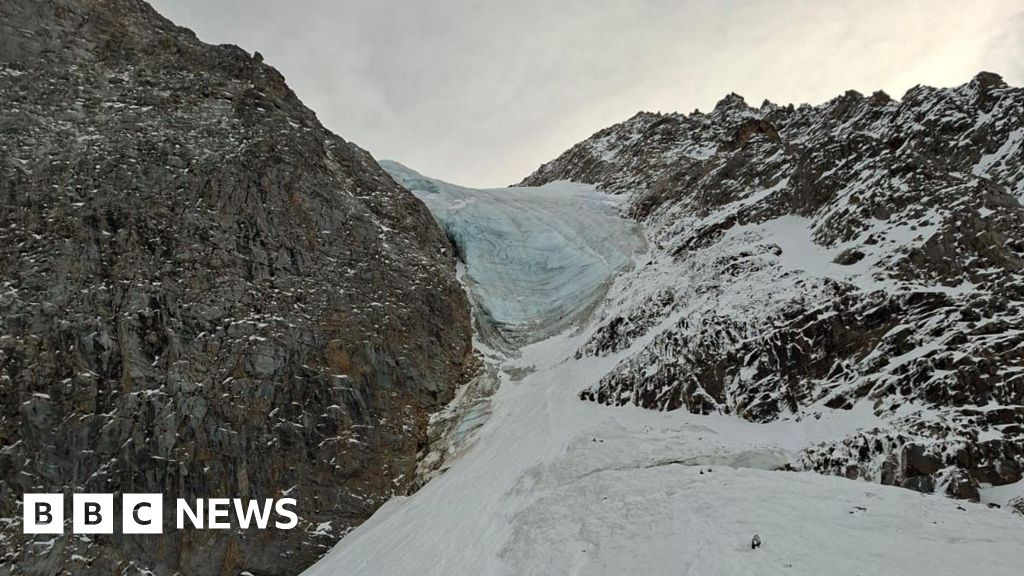
Avalanche in Italy claims five lives, including father and daughter—tragedy strikes the mountains

The recent avalanche tragedy in Italy’s Dolomite mountains has cast a stark light on the growing dangers posed by shifting climatic conditions in iconic alpine regions. Five German mountaineers, including a 17-year-old girl and her father, lost their lives amid a sudden and destructive snowslide on Cima Vertana in the spectacular yet perilous Ortler Alps. This incident underscores the multilateral risks confronting modern mountain sports, even as thousands of enthusiasts continue to pursue adventure in these treacherous terrains. The event has ignited alarm within international mountaineering circles and has prompted urgent questions about how climate anomalies are magnifying the risks faced by climbers worldwide.

According to rescue officials, the avalanche was likely triggered by recent snowdrifts that had failed to bond with the underlying ice, a phenomena increasingly associated with the unpredictable impacts of climate change. Olaf Reinstadler, spokesperson for the Sulden Mountain Rescue Service, pointed out that weather conditions had been generally favorable, yet the timing of the climbers’ ascent—late in the afternoon—may have contributed to the tragedy. This detail raises questions about safety protocols and the decision-making processes of climbers venturing into high-risk terrain when visibility and daylight are waning. As rescue efforts resumed after initial delays caused by fog and low visibility, the bodies of the father and daughter were recovered at 2,600 meters, leaving the international community to grapple with the implications of such incidents amid a changing climate.

The geopolitical impact of rising mountain hazards extends beyond individual tragedies, affecting tourism, regional economies, and international perceptions of risk. The European Union, along with regional authorities, must grapple with how to adapt mountaineering safety standards in light of climate irregularities and unpredictable weather patterns. These events have sparked debate among environmental analysts and historians—some warn that the allure of mountain adventure may be increasingly overshadowed by danger, calling for tighter regulations and better forecasting tools. Organizations such as the United Nations Environmental Programme have emphasized the pressing need to consider the broader environmental shifts contributing to such disasters, framing climate change as a threat to human safety and cultural heritage in alpine zones.

As the echoes of this tragedy fade into memory, the unfolding story of climate variability and human resilience continues to write itself into the annals of history. The mountain’s silent verdict — a reminder that uncontrolled natural forces are reshaping our world — hangs heavy over Europe, urging nations and communities to reconsider how they coexist with the increasingly unpredictable natural landscape. Each rescue mission, each loss, pushes this narrative forward: the question of how society can adapt and survive in a world where even the majesty of the mountains can turn deadly in a heartbeat.

Social Media Auto Publish Powered By : XYZScripts.com