Matox News

Truth Over Trends, always!

Audiences’ favorite influencers hit the scene: championing Britain’s legendary pubs and keeping the spirit alive

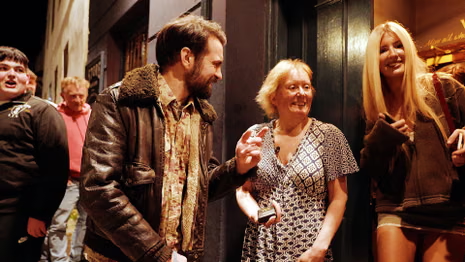
In an era where millennials and Gen Z are redefining social spaces, the humble pub remains an enduring testament to Britain’s rich social fabric. Despite the challenges posed by rising costs, urban gentrification, and changing drinking habits, a surge of fresh enthusiasm is evident in the vibrant scene of traditional wet-led boozers. Social media influencers like Niall Walsh and Jimmy McIntosh are leveraging digital platforms to showcase pubs with distinct character—places with patterned carpets, cozy fireplaces, and personal stories that exude authenticity. Their efforts highlight a cultural revival rooted in preserving community spaces while adapting to contemporary tastes.

Their advocacy underscores a broader cultural shift, one that celebrates “proper boozers,” an often romanticized concept of local pubs that prioritize atmosphere and genuine community over chain-store uniformity. Walsh and McIntosh aim to bring attention back to these establishments—many struggling with skyrocketing rent and cumbersome regulations—by creating content that emphasizes their unique aesthetic and social significance. For example, McIntosh’s detailed exploration of pubs like the Skirrid Inn in Wales or The Old Forge in Inverie demonstrates that even in the remotest corners of Britain, pubs serve as vital cultural landmarks, blending history, storytelling, and shared human experience. Their approach champions a lifestyle where leisure and wellness are intertwined, and where the act of gathering fuels personal resilience and community health.

By actively promoting pubs through Instagram accounts such as London Pub Explorer and Great British Pub Crawl, a new generation is reclaiming these spaces—not just as drinking venues but as catalysts for well-being, cultural connection, and lifestyle enrichment. Initiatives like these inspire young people to rediscover local history, support small businesses, and embrace a slower, more meaningful pace of life amid the chaos of urban existence. Whether it’s a classic pub with velvet curtains or a rugged countryside inn, these hidden gems foster a sense of belonging, making each visit a personal act of community renewal.

  • Visit a pub with historical charm—look for patterned carpets, authentic owner-operated environments, and local crowds.
  • Support social media pages that promote community-focused pubs, contributing to their visibility and survival.
  • Embrace the \”rural pub experience\”—consider exploring remote locations like the Old Forge in Inverie for a truly memorable adventure.

Ultimately, the ongoing narrative of Britain’s pubs is a story of resilience and revival. As individuals, we are invited to see these spaces not merely as places to drink but as living chronicles of our shared history, woven into the fabric of daily life. Through the lens of passionate creators and community advocates, the pub becomes a symbol of whether through tradition or contemporary innovation, a lifestyle that champions authenticity, connection, and personal impact. Their journeys serve as a reminder that embracing such cultural landmarks is more than nostalgia—it is a conscious choice to nurture the roots of our collective identity and, in doing so, find inspiration for the journeys ahead.
Hannah Spencer’s Bold Waistcoat Serves Up Politics with a Trendy Twist — TikTok’s New Favorite for the Youth Style Scene

Viral Colors and Youth Culture: The Rise of “Gross Green”

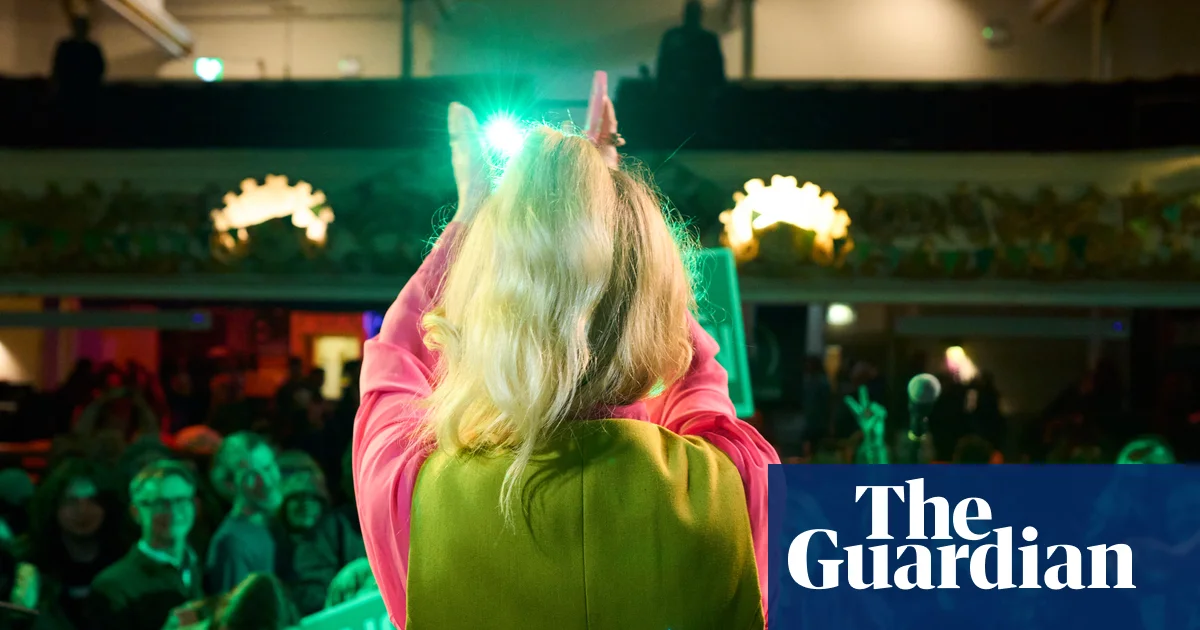
In a world where social media continually reshapes how we communicate, color trends have become more than just aesthetics—they’re now carriers of social identity and political statement. The latest wave? “gross green”. Coined by New York magazine and rapidly making its way onto high street labels and even book covers, this shade of chartreuse isn’t just a color—it’s a mood. It embodies a rebellious, playful attitude that resonates deeply with younger audiences eager to express individuality and cultural alignment through something as simple yet provocative as wardrobe choices. When Hannah Spencer, the newly elected Green Party MP, was spotted wearing this “gross green” outfit during her press conference, she unintentionally became a trendsetter, signaling her awareness of the social zeitgeist.

What’s fascinating is just how intentional and layered this phenomenon is. Spencer, a 34-year-old millennial, appears to understand the social capital in adopting such a viral hue—knowingly embracing a “statement color” that ties her political platform to the broader youth-driven aesthetic. During her brief appearance, she changed her undershirt from one shade of green to another, underscoring the precision with which digital-native figures now curate their image. This shift isn’t random; it’s an astute move to align with the cultural language of her generation. Prior to her, figures like Kamala Harris mastered this art, meme-ing a color into the political landscape with her “brat green”—a summer hit that did more than turn heads; it crafted a viral symbol for political engagement.

These trends underscore a larger socio-cultural shift: the merging of fashion, politics, and social media into a seamless narrative. Influencers, sociologists, and brand analysts argue that in an era of fractured attention spans, symbols—like colors—become vital tools in forging identity and community. Viral colors like Barbie pink or brat green aren’t just a fleeting aesthetic; they serve as social signifiers that bridge generational divides and offer a common language rooted in innocence yet rich in subtext. This phenomenon also reveals how younger generations seek to find meaning in what appears on the surface to be trivial—playing with names and shades as a form of cultural codification that is both fun and strategic.

What is intriguing, however, is the potential for these color-coded movements to extend beyond fashion and into systemic influence. As political campaigns increasingly lean into viral marketing, could these shades redefine how leaders communicate authenticity and relatability? The next question emerges: Will these playful symbols evolve into serious political tools, or are they destined to remain ephemeral markers of youth culture?* With influencers and political figures riding the wave of internet aesthetics, the future of political branding might just depend on our ability to decode the next viral hue—and what it says about the societal shifts at large.

Alta Teams Up with Public School to Bring Sharp Styling Tools to Your Favorite Sites

Revolutionizing Fashion with Virtual Reality: Alta Sets the Stage for Industry Disruption

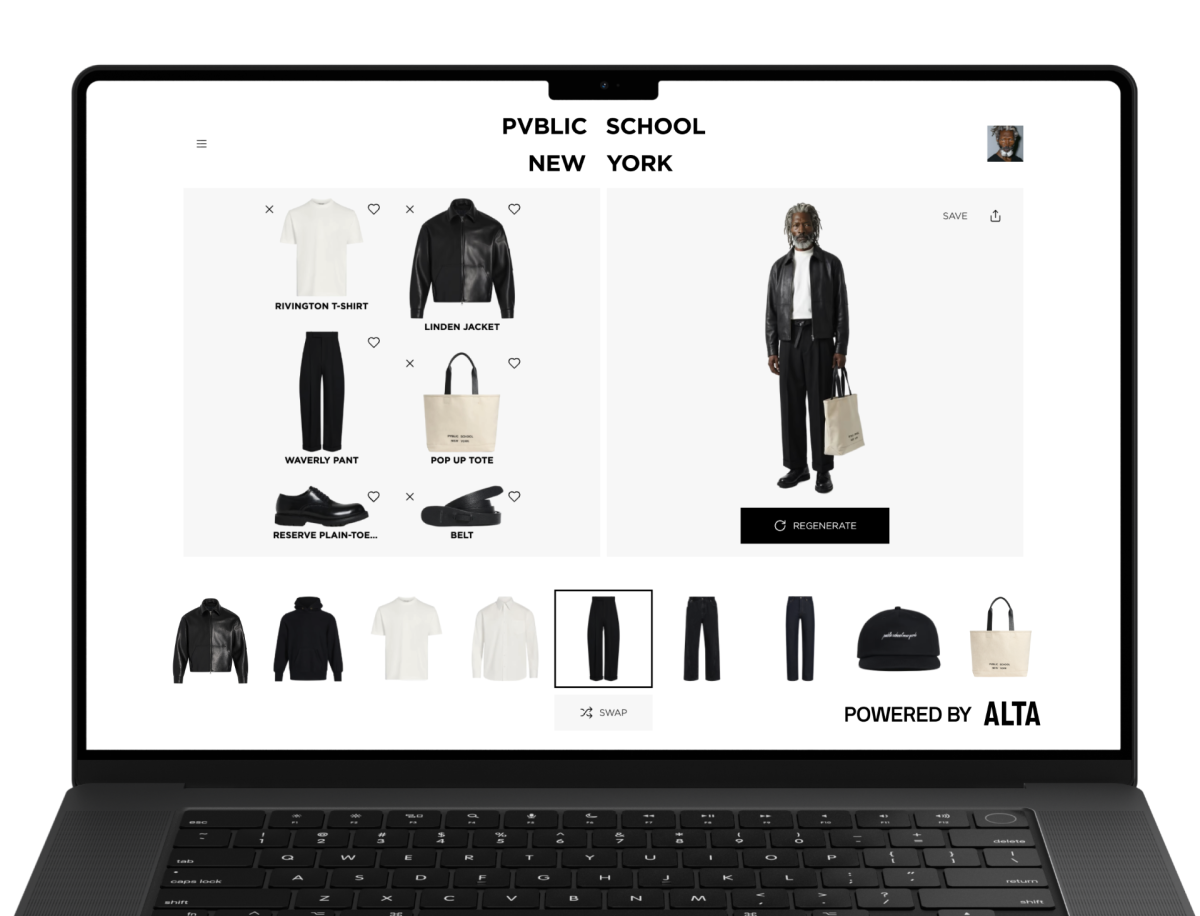
In a bold move demonstrating the transformative power of artificial intelligence (AI) and virtual environments, Alta, an innovative tech startup founded by Jenny Wang, is carving a niche at the intersection of fashion and digital innovation. Having secured an $11 million funding round led by Menlo Ventures, Alta is pioneering a virtual closet ecosystem that allows millions of users worldwide to create digital wardrobes, style outfits, and try them on using hyper-realistic avatars. This disruption is not merely a flashy display of technology—it’s a strategic overhaul of how consumers interact with brands, heralding a new era where digital and physical shopping converge seamlessly.

The business implications are profound: traditional retailers are facing mounting pressure to adapt to these rapid technological shifts. Alta’s collaboration with industry heavyweight brands such as Public School exemplifies how established designer names are embracing AI-driven storytelling and immersive customer engagement. As Wang highlights, the company’s app has already generated over 100 million outfit simulations since its 2023 launch, attracting attention from publications like Time and Vogue—a clear marker of mainstream industry recognition. This datastream signals a pivotal shift towards personalization and immersive shopping experiences, compelling brands to rethink their digital strategies if they are to stay competitive.

What makes these developments standout is the integration of digital fashion with e-commerce platforms. Alta’s platform now features interactions with thousands of brands, providing a direct avenue for consumers to style, test, and purchase fashion items within a unified AI-driven environment. Notably, the recent integration with Public School signifies a major milestone—marking the first time a high-profile designer embeds a fully personalized avatar styling tool directly into its website. This innovation fundamentally alters the consumer journey: shoppers can now style pieces on their Alta avatar directly from brand pages, removing friction and increasing engagement. Such features signal a future where digital try-ons become standard, shifting power away from brick-and-mortar stores and into the hands of data-driven, digitally native brands.

Looking ahead, industry analysts from Gartner and MIT suggest that these must-have technologies will influence broader retail strategies across sectors, blurring the lines between digital entertainment, social media, and commerce. As The Economist warns, the rapid adoption of avatar personalization and AI-enhanced storytelling could lead to “industry disruption on a scale comparable to the advent of online shopping itself.” For entrepreneurs, investors, and established players alike, the message is clear: embracing virtual innovation is no longer optional—it’s imperative for survival. The next wave of tech-driven fashion brands will leverage these tools to personalize experiences at scale, fostering loyalty and unlocking new revenue streams.

In this swiftly evolving landscape, Alta and its peers are setting the pace for a future where virtual identities, AI, and digital fashion not only disrupt but redefine consumer interaction. With investments pouring in and visionary brands like Public School actively integrating these innovations, the race is on to harness these breakthroughs at an industry-wide level. For those who ignore these signals, the risk is clear: being left behind as the digital revolution in commerce accelerates at a relentless pace. The future of retail is digital, personalized, and undeniably disruptive—those who adapt today will dominate the markets of tomorrow.

Emil Ferris Honors Classic Horror Comics in ‘My Favorite Thing Is Monsters’—A Bold nod to underground culture

In the evolving narrative of human creativity, culture functions as both the mirror and mold of our collective identity. It is the language through which societies internalize their history, values, and aspirations, shaping the very fabric of their existence. As Ortega y Gasset suggested, we are not merely individuals navigating a blank universe but are profoundly embedded within the traditions that galvanize our sense of self. This is evident in modern art and literature, where the reinterpretation and expansion of classic motifs serve to renew our cultural heritage, making it resonate with contemporary sensibilities.

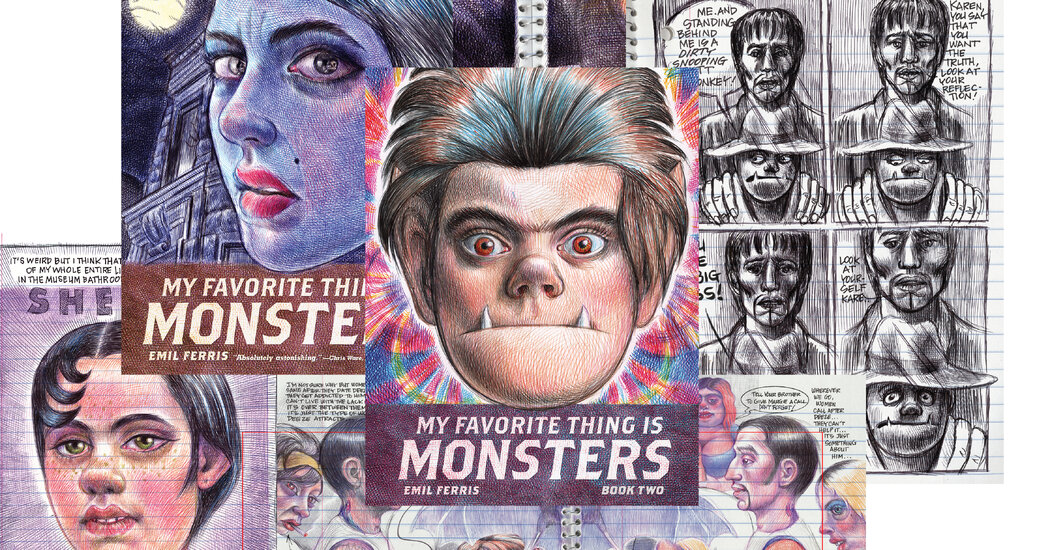
Take, for instance, the daring reimagining found in the *second volume* of *My Favorite Thing Is Monsters*. Here, the artist Ferris elevates figures from Fuseli’s haunting masterpiece beyond its original frame, transforming them into active participants within a fictional universe. These figures cease to be static representations of gothic horror; instead, they morph into *cover artists* for *“Ghastly,”* a horror comic conceived within a private notebook. This act of creative expansion echoes the philosophical insight of Chesterton, who posited that tradition is the democracy of the dead—an ongoing conversation across generations. The figures, once confined to a canvas, now become vital players in a living, breathing cultural dialogue that bridges past fears with present fantasies, illustrating how art breathes new life into timeless motifs.

Such reimagining embodies the profound role of cultural continuity in asserting societal identity. It challenges the notion that tradition is static; rather, it underscores that culture is a vessel for renewal, a reservoir from which society draws strength and meaning. This process also exemplifies Tocqueville’s insights into democracy’s capacity for fostering the collective voice—each reinterpretation and creative reinvention serving as a testament to our shared heritage. In a world increasingly driven by rapid change, the enduring relevance of cultural icons reminds us that tradition sustains us, anchoring us to enduring values even as we explore novel expressions of human imagination.

Ultimately, culture embodies both memory and prophecy—the echoes of those who came before and the visions of those yet to come. It is through this dynamic interplay that societies preserve their essence while forging paths into the future. As T.S. Eliot reflected, true culture is rooted in the tension between preservation and innovation, where the past informs the present, and the present shapes what is to come. Culture becomes the poetic landscape where history’s shadows and hope’s light blend—an eternal testament to humanity’s capacity for both remembrance and rebirth. It is here that our collective soul resides, a luminous thread in the tapestry of human destiny, continually weaving our shared story toward an infinite horizon.

Social Media Auto Publish Powered By : XYZScripts.com