Matox News

Truth Over Trends, always!

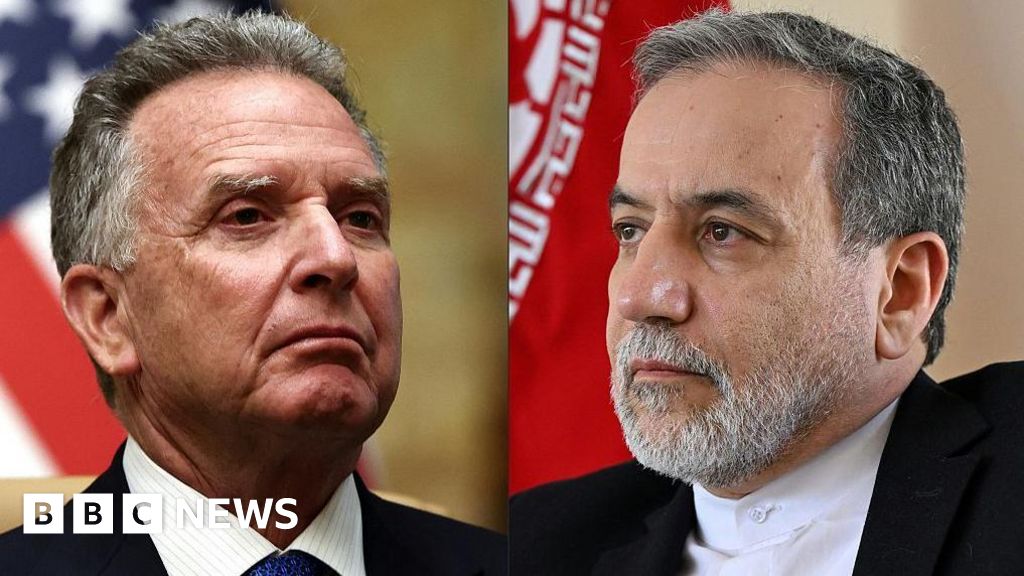
US-Iran Talks Restart Amid Rising Tensions and Fear of Fresh Clash

The United States has significantly enhanced its military presence throughout the Middle East following Iran’s recent crackdown on nationwide protests. This escalation underscores the enduring volatility in the region, where local unrest often intersects with broader global strategic calculations. The Biden administration, responding to both regional stability concerns and its commitments to its allies, has increased troop deployments and military assets into key locations across countries such as Iraq, Syria, and the Persian Gulf. This move is not merely a display of strength; it signals a recalibration of U.S. foreign policy amid intensifying geopolitical tensions.

Analysts and international observers view the heightened U.S. military activities as indicative of a broader pattern of American strategic realignment. With Iran’s persistent influence in regional conflicts and its ongoing nuclear ambitions, the United States aims to curtail Tehran’s sway and prevent what some describe as the emergence of a new Middle Eastern Cold War. Scholars from institutions like the Council on Foreign Relations warn that these military enhancements could increase the risk of inadvertent conflict, yet they also reflect America’s determination to assert its dominance in what remains one of the most volatile theaters of international politics. The recent protests, which have been violently suppressed by Iranian authorities, represent more than domestic discontent—they underscore how internal unrest can serve as a catalyst for regional shifts and external intervention. The U.S. perceives these upheavals as opportunities to bolster its strategic posture against Iran, which has steadfastly opposed American influence and supported proxies across the region.

The geopolitical impact of these U.S. actions extends well beyond regional borders. NATO allies in Europe, as well as emerging global power centers such as China and Russia, are watching keenly. The increased U.S. military footprint in the Middle East complicates diplomatic efforts, especially as Iran seeks to capitalize on perceived Western distractions to expand its regional influence and nuclear program. International organizations like the United Nations have issued cautious statements, urging restraint yet offering limited leverage amidst the strategic deadlock. We are witnessing a pivotal moment—one where the pathways to peace, stability, or further chaos are being tightly forged by the decisions of today.

Ultimately, the current Military buildup reflects a fundamental truth: history’s turning points are often marked by decisive, sometimes provocative actions with lasting consequences. A broad spectrum of voices—from seasoned historians to military analysts—underline that the Middle East remains a crucible of global power struggles. As the United States solidifies its military footprint and regional actors maneuver for advantage, the world bears witness to a relentless unfolding—a narrative of conflict, diplomacy, and resilience that will undoubtedly shape the course of the 21st century. The weight of history presses heavily on the horizon, reminding us that every intervention, every agreement, carries the potential to alter the destiny of nations—not just for today, but for generations to come.
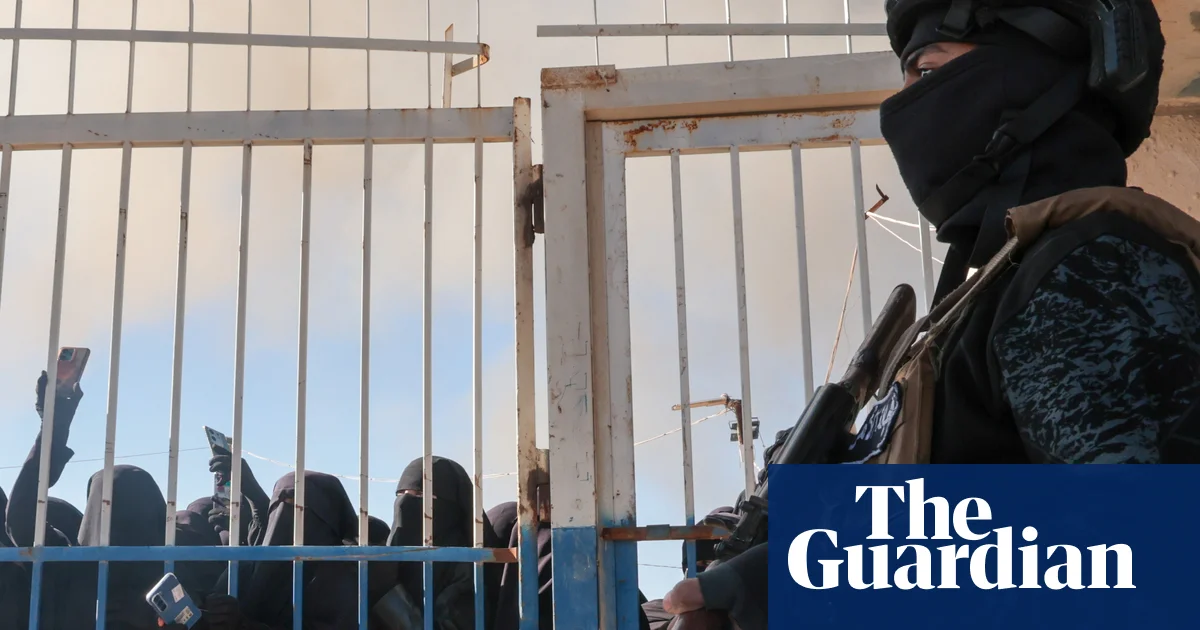

North-East Syria Security Tension Grows as Fear of IS Return Flares Up

Amidst the tumultuous landscape of north-east Syria, a crisis of monumental proportions is unfolding, with consequences that reverberate across the geopolitical spectrum. Western officials, closely monitoring the deteriorating security situation, express grave concern over the resurgence of Islamic State militants (IS). The recent chaos involves a dramatic transfer of approximately 150 IS fighters from a frontline prison in Hasakah to Iraq, as the United States signals a readiness to evacuate up to 7,000 detainees. This move underscores the fragility of peace in the region and the peril that lurks within these unresolved conflicts, making it clear that the threat of a dangerous breakout remains alive—an alarming development for global security.

The chaos was fueled by a swift advance of Syrian government forces, which seized control of key prisons and camps housing former IS fighters and thousands of women and children connected to the terror network. The events led to an unprecedented change of hands over camps like al-Hawl, home to over 20,000 women from roughly 70 countries, highlighting the international dimension of this humanitarian crisis. Reports of escapes and a loss of control have amplified fears across Europe, where many of these foreign detainees pose a persistent threat. According to analysts such as Nanar Hawach from Crisis Group, the region is not witnessing a reborn caliphate but rather a dispersed insurgency rebuilding in the cracks—an insidious threat that could ignite anew if containment fails.

The geopolitical impact of these developments extends deeply into the strategic calculations of global players. The recent Washington decision to abandon support for the Syrian Democratic Forces (SDF)—long considered the primary anti-IS force on the ground—marks a pivotal shift. US special envoy Tom Barrack emphasized that the US’s primary partner in holding down IS had shifted towards reliance on the Damascus regime, led by President Ahmed al-Sharaa. Such a move signals a strategic recalibration, as Washington appears to prioritize stability over ideological affinity, even if it means tacitly endorsing the Assad regime’s evolving authority. This shift not only impacts the balance of power but also risks empowering insurgent networks and prolonging chaos, which analysts warn could destabilize the entire region further.

The ongoing conflict, marked by rapid territorial gains by Syrian government forces and fragile ceasefires, continues to ripple through the region’s delicate mosaic of alliances and enmities. Despite the official cessation of hostilities, the collapse of the ceasefire and the rapid advances by Assad’s forces threaten to escalate into a wider confrontation, with Kurdish factions caught in the middle. As the international community watches with concern, the fate of camps like al-Hawl remains uncertain, burdened by resource shortages and the inability of the Syrian government to fully manage the complex humanitarian demands. Experts like Hawach warn that managing these camps and preventing the resurgence of insurgent elements is complicated by institutional weakness—an issue that could undermine any efforts toward stabilization.

As history unfolds in the shadows of war, the fate of north-east Syria hangs in the balance. With alliances shifting and the specter of chaos lurking, this volatile corner of the Middle East embodies the high stakes and profound consequences of modern geopolitical decisions. Whether this crisis escalates into a renewed caliphate or spirals into broader regional destabilization, the world bears witness to a chapter where the weight of history continues to be written in the dust and violence of a land scarred by decades of conflict—an uncertain future that demands vigilance, resolve, and a careful understanding of the intricate webs that bind nations together in this stage of relentless upheaval.

Don’t Miss Out: His House Is the Modern Horror That’s Redefining Fear for a New Generation

Tech Industry on the Brink: AI and Disruption Reshape Business Landscape

The technology sector is witnessing unprecedented levels of *innovation* and *disruption* driven primarily by advancements in artificial intelligence (AI) and machine learning (ML). Ambitious companies and visionary entrepreneurs, such as OpenAI and Google, are pushing boundaries to redefine what machines can accomplish. According to Gartner’s latest forecast, AI-driven automation will transform nearly 50% of all business processes within the next five years, signaling a fundamental shift in how organizations operate. This surge in AI capabilities isn’t just incremental—it’s revolutionary, fostering an environment where rapid scalability and real-time decision-making become the norm.

One of the most significant industry shifts lies in generative AI models, which are enabling capabilities once considered science fiction—such as human-level content creation, autonomous decision-making, and personalized interactions at scale. OpenAI’s GPT-4 exemplifies this evolution, with analysts highlighting its potential to displace traditional content and service industries, from journalism to customer support. Such innovations are expected to diminish barriers for startups, fostering a new wave of *disruption* that could challenge established giants like Microsoft and Amazon to adapt or face obsolescence.

However, with disruptive technology comes both opportunity and risk. Industry leaders such as Elon Musk and Peter Thiel warn of the *emerging ethical and regulatory challenges* that could hamper AI’s transformative power. Their insights underscore the need for proactive governance structures, lest unchecked AI development amplify biases or create unintended consequences. Nonetheless, the *business implications* are clear: organizations that leverage AI effectively will gain a decisive competitive edge, while those slow to adapt risk being rendered irrelevant.

Looking ahead, *the landscape of innovation is poised for even greater upheaval*. MIT researchers forecast that integration of AI with emerging technologies like blockchain and quantum computing will multiply the disruptive potential tenfold. Industry insiders predict that within the next decade, markets will see *entire sectors—finance, healthcare, transportation—completely reimagined.* As disruption accelerates, entrepreneurs awakening to these shifts must act swiftly, or risk being left behind in a rapidly evolving technological ecosystem. The future is not just approaching—it is here. The question remains: how quickly will organizations harness these emerging technological frontiers to secure their place in tomorrow’s economy?

FBI Under Kash Patel’s Watch: Rumors of Fear Stalling Progress, Report Claims

Internal Crisis at the FBI: A Glimpse into U.S. Federal Collapse and Its Global Ramifications

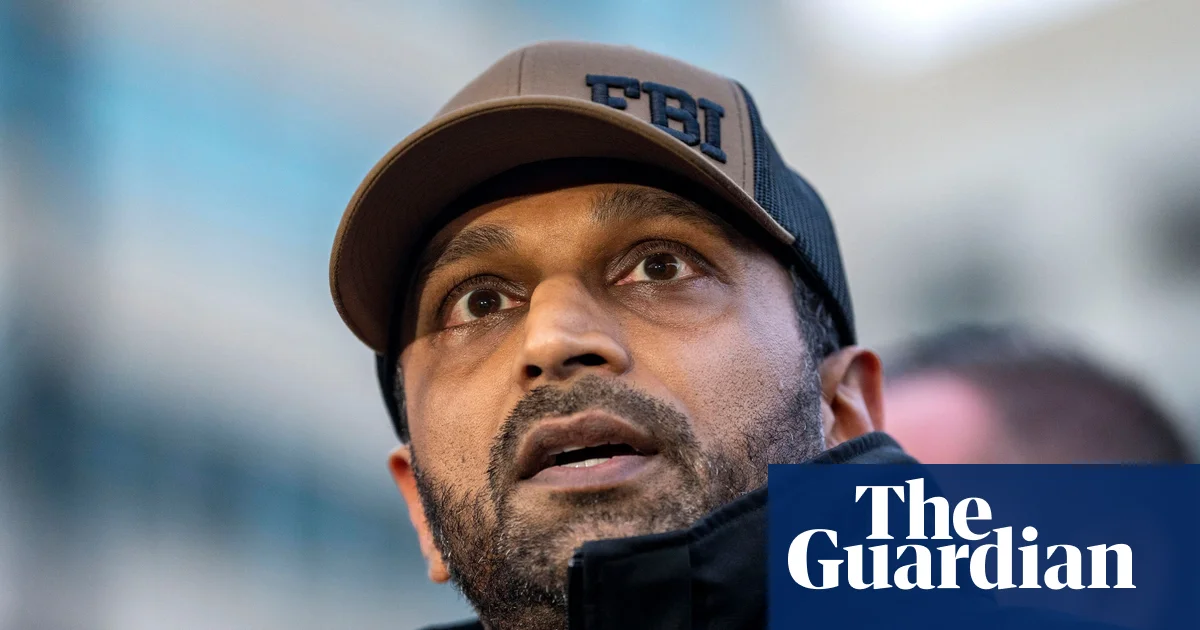
The recent revelations about the Federal Bureau of Investigation (FBI) portray an agency in disarray under the leadership of Kash Patel, painting a troubling picture of internal paralysis, morale plummeting, and a leadership seemingly overwhelmed by the complex demands of modern federal law enforcement. According to a leaked 115-page report compiled by a coalition of retired and active FBI agents, the agency is considered a “rudderless ship,” with staff plagued by fear and a crippling lack of initiative. Such internal strife raises fundamental questions about the state of American federal institutions and their capacity to uphold law & order, especially at a time when global stability hinges on reliable, strong alliances.

This crisis transcends domestic concerns, as international partners grow increasingly wary of U.S. credibility. The report indicates that allied law enforcement and intelligence agencies are worried that the perceived chaos could undermine decades of international cooperation. Analysts emphasize that trust among global allies, especially those involved in counterterrorism and intelligence sharing, is fragile and cannot withstand internal upheaval in American institutions. When a major domestic agency like the FBI falters, it sends ripples across the entire international security architecture—potentially creating a vacuum for adversaries and rogue states to exploit. The report further warns that “long-term damage” to international partnerships may have irreversible consequences, especially if internal divisions stymie Washington’s ability to project stability and leadership on the world stage.

Within the United States, the public trust in federal law enforcement is already strained. The report criticizes Patel’s leadership for lacking experience and for fostering a climate of fear, with managers hesitant to take initiative without explicit directives, effectively turning the bureau into a bureaucratic shell vulnerable to political manipulation. Numerous experts, including prominent historians and security analysts, warn that such internal vulnerabilities are symptomatic of broader erosion in U.S. institutions—a decay that “undermines the very foundations of American sovereignty”. The controversy around Patel’s tenure mirrors a larger trend of political weaponization of federal agencies, which many argue compromises their ability to serve as neutral arbiters of justice. This erosion of institutional integrity risks tarnishing America’s global image as a defender of rule of law and constitutional order.

Cases of misconduct and mismanagement—such as controversial decisions to withhold sensitive information and interpersonal conflicts, including Patel’s allegedly inflammatory outbursts—further fuel concerns about the quality of leadership. Critics point out that such internal discord feeds into the narrative of decline and chaos that adversaries and skeptics are eager to exploit. Yet, amidst these crises, some voices within the political establishment defend Patel, emphasizing efforts to rollback divisive social policies and strengthen immigration enforcement. Nevertheless, the underlying warning remains clear: unless the U.S. can restore confidence and restore order within its premier law enforcement agency, the nation risks becoming a fractured pillar in the global arena—a development that history will remember as a turning point in America’s internal and international decline. The weight of this unfolding story will ultimately depend on whether Washington can stem the tide of internal disorder before it becomes an irreversible chapter in history.

Nigeria’s Kidnapping Surge: Youth Silenced by Fear

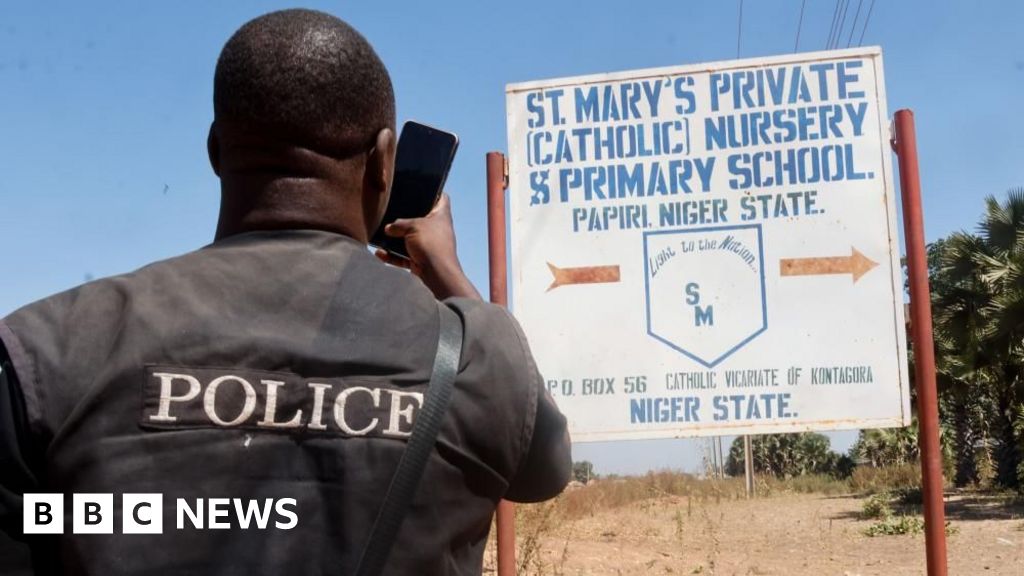
In the heart of West Africa, Nigeria continues to grapple with a daunting wave of insecurity that is reshaping its social fabric and altering the geopolitical chessboard. Over the past few weeks, mass kidnappings have become disturbingly routine, with armed groups—commonly termed bandits—exploiting Nigeria’s remote rural areas and fragile state institutions to execute daring abductions. The recent kidnapping of over 300 students from St. Mary’s Catholic School in Papiri, along with subsequent assaults on other schools and communities, underscores a worsening crisis that officials and analysts warn threatens to destabilize entire regions.

Despite official denials, reports from villagers like Aliyu reveal a narrative of fear and chaos, where parents are terrified to speak openly, fearing reprisals from kidnappers. The ghastly reality is that children as young as five are among the victims, often taken from soft targets such as private schools and farms. The insurgents responsible, including the notorious Islamic State of West Africa Province (ISWAP), operate within a complex web of ideological extremism and profit-driven motives. This resurgence, analysts say, is less about religious extremism alone and more about a lucrative trade in ransom kidnapping—a practice that funds further violence and sustains the cycle of insecurity.

However, the crisis extends beyond the battlefield. In a startling development, some remote communities in Nigeria’s northwest have resorted to peace deals with bandit leaders. These accords, driven by desperation, negotiate access to mineral wealth—particularly gold—and secure promises to cease hostilities and reopen schools. Such agreements, observed by security experts like David Nwaugwe, suggest a pragmatic, if alarming, shift in how insurgency is managed. While these informal peace arrangements have led to a *temporary* decline in attacks, they expose a larger geopolitical problem: how the Nigerian government’s inability to establish firm control has allowed criminal gangs to operate almost openly, fragmenting sovereignty and adding layers of complication to regional stability.

Moreover, these developments are prompting international concerns. U.S. President Donald Trump recently issued threats of military intervention, criticizing Nigeria’s inability to protect its Christian minority from Islamist violence. Such rhetoric, while potentially incendiary, underscores the increasing geopoliticization of Nigeria’s internal security issues. As nations debate whether to escalate or de-escalate, how Nigeria handles this crisis will significantly influence regional stability and global perceptions of Africa’s largest economy. With historical analysts warning of the danger posed by insurgency rippling across borders, the global community faces a stark choice: support Nigeria’s sovereignty and bolster its security capacity or watch as chaos undermines the continent’s stability.

As the weight of history presses down, Nigeria stands at a crossroads. Will it succumb to a cycle of violence and destructive peace deals, or will it forge a new path—one that upholds order and restores hope? The answer remains unwritten, buried within the unpredictable currents of a nation fighting for its future amidst a storm of violence and shifting alliances. The coming days will determine whether Nigeria can reclaim its sovereignty, or whether these dark clouds threaten to define an era of chaos and uncertainty, echoing the turbulent chapters of history yet to be written.

Venezuelans Fear Food Shortages Amid US Threats

Escalating Tensions in Venezuela: Geopolitical Impacts and Societal Struggles

The current crisis in Venezuela exemplifies the profound complexity of international conflicts and their ripple effects on societies. While global headlines focus on the military posturing of the United States and formal threats of invasion, the daily lives of ordinary Venezuelans remain overshadowed by economic despair and political repression. Despite aggressive troop deployments and heightened military activity near the country, the general mood on the streets of Caracas reflects prevailing **uncertainty and economic hardship** rather than imminent war. This divergence between geopolitical maneuvers and local realities underscores how decisions made in far-off corridors affect the lives of people caught in a web of **economic collapse and political repression**.

In recent weeks, Washington has escalated its military posture, deploying the largest warship in the world, USS Gerald R. Ford, along with thousands of troops and military assets near Venezuela. The move is presented as part of an effort to curb drug trafficking, yet critics and some analysts argue it is a thinly veiled attempt at regime change, echoing historical interventions in Latin America. An international wave of airlines cancelling flights and warning of **”heightened military activity”** signals a dangerous escalation that risks spiraling beyond diplomatic channels. Global institutions like the United Nations and international historians draw stark parallels with past Cold War crises, warning that such military brinkmanship could inadvertently ignite **regional conflict** or lead to humanitarian crises. The looming threat is not just a matter of military strategy but how such actions destabilize **sovereign nations** and threaten *fragile* social fabric*.

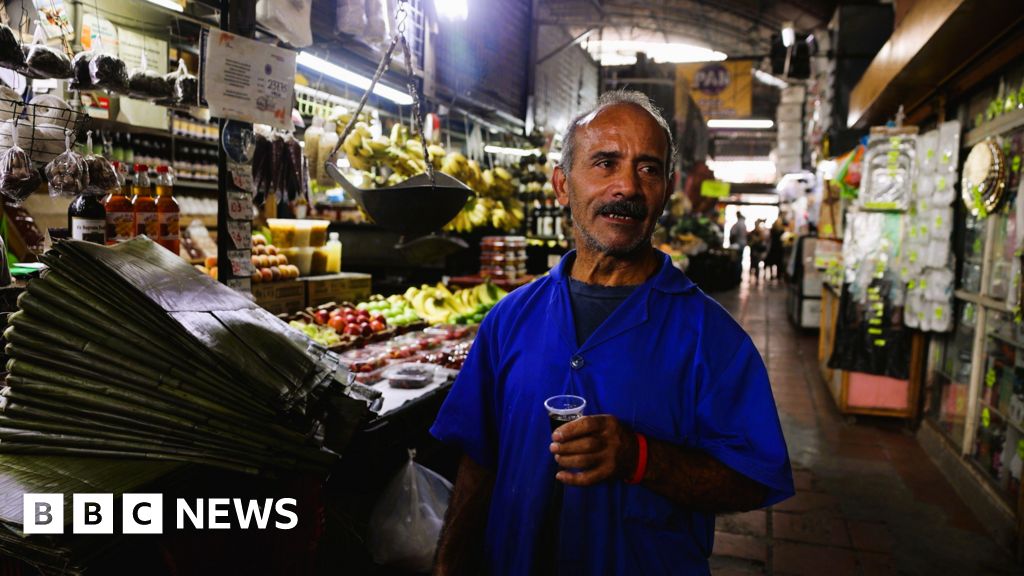
Meanwhile, the people of Venezuela face a harrowing reality marked by hyperinflation, food shortages, and pervasive fear. According to the International Monetary Fund, inflation could hit an unprecedented 629% by 2026 — the highest in the continent — ravaging purchasing power and deepening poverty. Even before the international tensions, Venezuelans were struggling to secure basic staples. Vendors such as Alejandro, who sells vegetables in a Caracas market, describe empty aisles and prices quadrupling, leaving most families unable to afford the **basic food basket**. Public sentiment reveals a dangerous mix of resignation and silent anxiety; many fear openly criticizing the regime or the burgeoning crisis, knowing repression has intensified since disputed elections in 2024. Opponents and analysts warn that **further repression and silence** may hide a growing insurgency or unrest that could explode if economic hardship persists or if international conflict engulfs the region.

How International Decisions Shape Societies

The decision to threaten military action or escalate tensions plays a significant role in shaping **how nations and societies evolve**. The United States’ posture signals its strategic interest in Latin America, but the aftermath often falls most heavily on local populations. As historians along with organizations like the Council on Foreign Relations warn, such show-of-force tactics risk undermining sovereignty and intensify **civil unrest**. Many Venezuelans, like Consuelo and Esther, express a sense of helplessness, caught between the fear of war and the daily fight for survival, with economic collapse overshadowing geopolitical concerns. Fear and repression have silenced protests and debates, creating an environment where hope is confined to whispers and secret exchanges. The international community’s role, whether through diplomatic engagement or sanctions, remains pivotal in either preventing disaster or unleashing a cascade of crisis that could leave history’s pages stained with the blood of innocence.

As the world watches a region teetering on the edge, the deeper truth emerges — nations are not isolated entities; they are intertwined in a web of **power struggles, economic interests, and human stories**. The convergence of military posturing, economic collapse, and political repression in Venezuela reminds us that the future is still to be written. Whether through diplomacy, confrontation, or catastrophe, history continues to unfold in the streets of Caracas, where everyday life persists amid an atmosphere heavy with uncertainty and the echoes of a legacy that will define generations to come. The full weight of history hangs in the balance, waiting to see if resolve or recklessness will shape the next chapter.

Revamping fear: How evolving horror movies are shaping youth culture and driving profit

In our modern era, where societal fracture lines have deepened and alienation seems endemic, culture remains the vessel through which we define ourselves, preserve tradition, and anticipate the future. No genre better exemplifies this than the evolving realm of horror, which—despite its reputation—has become a mirror for the collective psyche of the 21st century. From its origins tangled in gothic antiquity, horror has consistently haunted the margins of respectability, yet at each cycle, it has reasserted itself as a genre capable of profound commentary. As Ortega y Gasset believed, culture is not merely ornamentation but a vital arena for understanding human existence—horror, in its essence, is a visceral dialogue with mortality, morality, and the chaos that underpins our shared reality.

The renaissance of horror in recent years signals a cultural shift from superficial entertainment to a nuanced exploration of contemporary fears and anxieties. The rise of “elevated horror”—epic-length films by directors like Jordan Peele, Robert Eggers, and Jennifer Kent—demonstrate a deliberate move away from pulp and slasher tropes, embracing complex narratives and aesthetic experimentation. Their work abandons the traditional 90-minute formula to delve deeply into themes of societal trauma, identity, and existential dread. These auteurs recognize, as T.S. Eliot did, that the true function of art is to serve as both memory and prophecy—a means to confront the darkness of today while illuminating the path forward. Horror’s capacity for metaphor allows it to address issues like racial injustice, colonialism, and environmental decay with a symbolic language that speaks directly to the core of societal decency and decadence alike.

Moreover, the genre’s international infusion—enabled by the proliferation of digital media—has broadened the horizons of what horror can embody. From the visceral extremities of France’s New French Extremity to Korea’s unflinching psychodramas, filmmakers now push boundaries that once seemed sacrosanct, echoing Chesterton’s assertion that “the true critic,” especially in times of moral decline, must be a *defender of culture* against entropy. Today’s horror, with its innovations in visual storytelling and narrative ambiguity, blurs the line between arthouse and mainstream, reflecting a culture increasingly skeptical of simple narratives and eager for provocation and reflection. This tension suggests that in every shadow cast by a horror film lies the unspoken truth of our collective soul—a testament to our fears, hopes, and moral compass.

As history reveals, the genre’s cycles of reinvention—spurred by breakthroughs like The Blair Witch Project and Get Out—are not accidental. Each wave signifies a society grappling with new terrors, be they technological, political, or existential. The modern horror landscape recognizes this; it constructs masterpieces like Eggers’s Nosferatu or Fargeat’s vicious narratives, to echo the ancient truth that through darkness, we find our deepest selves. While mainstream cinema dons the guise of heroism and moral certainty, horror dares to peer into the abyss, revealing that perhaps the true measure of our civilization lies not solely in our progress but in our resilience to face what lurks beneath—whether it be social upheaval, internal trauma, or the unseen horrors of a world unmoored. In this continuous process, culture becomes both a guardian of memory and a prophet of future reckonings, whispering softly that humanity’s greatest strength is not avoidance, but the courage to confront the shadows within and without, with eyes wide open and hearts steadfast.

Venezuelan Fishermen Fear for Safety as U.S. Strikes Hit Caribbean Boats

Shifting Tides: The US-Caribbean-Venezuela Geopolitical Crisis

The Caribbean, long a nexus of geopolitics and maritime strategic interests, has recently ignited a new chapter of tension as the United States escalates its military activity in waters adjacent to Venezuela. The deployment of warships, fighter jets, submarines, and thousands of troops signals not just a routine antinarcotics campaign but a profound shift in international diplomacy and regional stability. US officials claim their operations target “narco-terrorists” linked to the Maduro government, while critics argue that these actions threaten to destabilize an already fragile society and undermine sovereignty. Historians specializing in Latin American geopolitics highlight that such military interventions confront decades-old regional skepticism of US influence, fueling narratives of imperial overreach and provoking mass resistance among Venezuelan citizens.

  • Since last month, at least six strikes have been launched against vessels suspected of drug trafficking, resulting in the deaths of at least 27 individuals, though the US claims that the vessels originated from Venezuela.
  • President Donald Trump has publicly considered initiating strikes on Venezuelan soil and has sanctioned a $50 million reward for the capture of Nicolás Maduro, accusing him of leading the infamous Cartel of the Suns. Maduro dismisses these allegations as a “slanderous campaign,” framing US actions as part of a broader strategy to topple his government and reassert dominance over Latin America’s resource-rich territories.
  • Venezuela’s leadership, including President Maduro and Defense Minister General Vladimir Padrino, warns of serious threats ranging from aerial bombings to sabotage, signaling an era of escalating confrontation that could ignite the region at any moment.

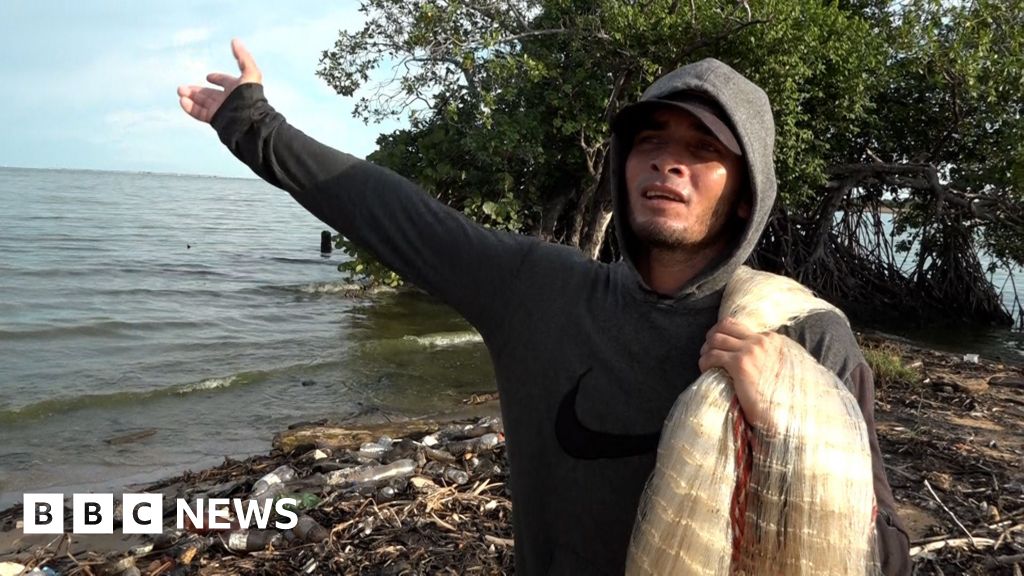
On the ground, the impact of these geopolitical maneuvers ripples through small fishing communities along Lake Maracaibo. Fishermen like Wilder Fernández, who has been at sea for over a decade, now harbor fears that their daily livelihood could be turned fatal amid US military patrols. Fernández and many others are increasingly wary of venturing into waters where the US has conducted strikes, with some even questioning whether their boats could be mistakenly targeted. The concern extends beyond immediate military threats; experts warn that such violence and instability could entrap local fishermen into the hands of drug traffickers and arms smugglers desperate for recruits or cover, thereby entwining economic despair with organized crime. The livelihoods of over 115,000 Venezuelans employed in fishing hang precariously in the balance, as political tensions jeopardize not only their work but their very safety.

In a remarkable act of defiance, hundreds of fishermen in Venezuela recently set out onto Lake Maracaibo in protest, displaying national pride in opposition to US intervention. Spokesman José Luzardo declared his willingness to defend his homeland with his life, epitomizing a burgeoning resistance rooted in a complex mixture of patriotism and desperation. Meanwhile, the Maduro government mobilizes its civilian militia, rallying thousands to stand against what they perceive as a foreign incursion aimed at regime change. This narrative of defiance illustrates that, amidst diplomatic cold war, local societies are thrust into the maelstrom of international power struggles, where their voices risk being drowned out by the thunder of military planes and the echo of sanctions.

As history continues to unfold, the Caribbean’s delicate balance of sovereignty and strategic interests faces a pivotal test. The decisions made by Washington, Caracas, and regional allies today will echo through generations, shaping the geopolitical landscape of Latin America and beyond. While the world watches with bated breath, one thing remains certain: the tides of war and peace in this tumultuous region are still ebbing, with the relentless march of history reminding us that, in the currents of power, no nation is unassailable and no society immune. The question persists—whose legacy will be written in these waters and on these shores? Only time will reveal whether the Caribbean becomes a beacon of resilience or a scarred battlefield of tomorrow’s conflicts.

Social Media Auto Publish Powered By : XYZScripts.com