Matox News

Truth Over Trends, always!

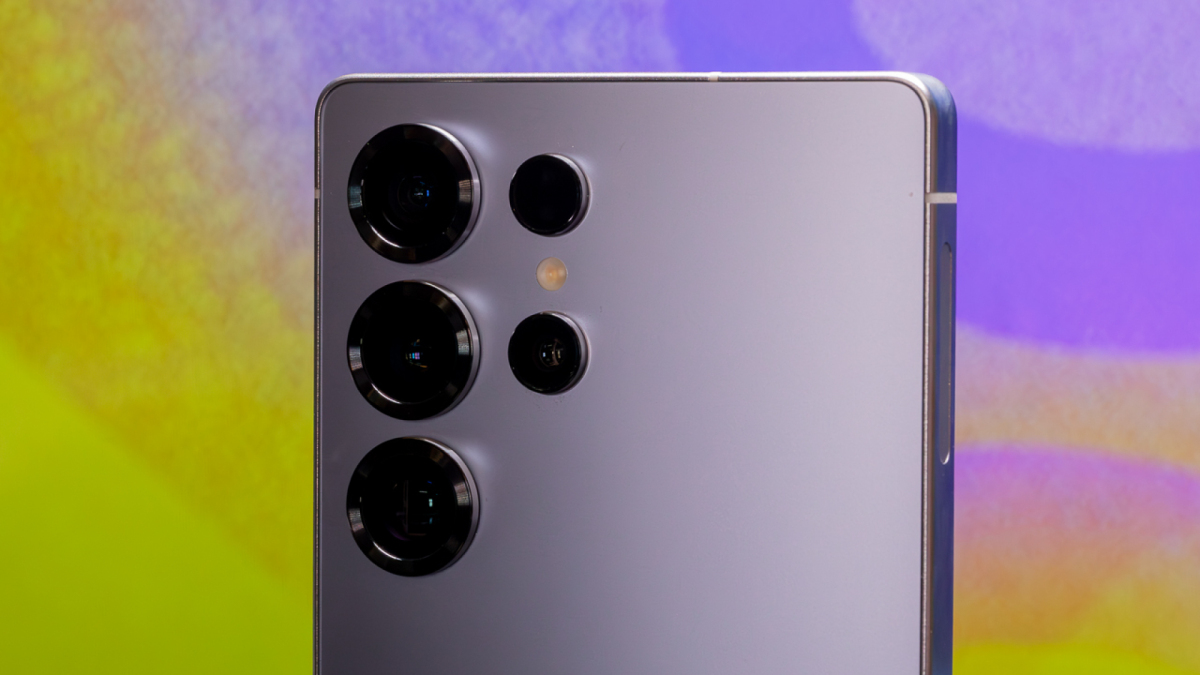
Samsung Galaxy S26 to Drop ‘Pixel-Perfect’ Privacy Feature, Samsung Confirms

In the fast-paced world of smartphone innovation, Samsung continues to push the boundaries, this time with a fresh focus on privacy and security. The Korean tech giant recently announced that it is developing a revolutionary privacy feature for its upcoming Galaxy lineup, promising to operate “at a pixel level”. While details remain shrouded in mystery, industry insiders speculate that this new function will be unveiled at the upcoming Galaxy Unpacked event scheduled for late February. The tech world is abuzz with anticipation, knowing that Samsung’s latest move may significantly redefine the relationship between consumers and their devices.

The privacy enhancements slated for the Galaxy S26 series could represent a landmark moment in how smartphone companies address security concerns. Experts suggest that the new features will allow users to control their data with unprecedented precision—down to the pixel level. In an era where digital privacy is becoming an ongoing social debate, Samsung’s approach might set a new standard for transparency and user empowerment. Influencers and security analysts have noted that this shift underscores a pivotal trend: technology companies are no longer just competing on hardware specs or aesthetic appeal but are increasingly judged by their commitment to protecting user rights in an age of pervasive data collection.

Furthermore, this developments highlight a broader societal shift toward a more privacy-conscious culture. Millennials and Generation Z are becoming savvier about their digital footprints, demanding more control over how their data is used. As social influencers and thought leaders like Cameron Winklevoss and Shoshana Zuboff emphasize, the next wave of technological innovation must adopt a trust-first approach—a response to growing public skepticism and recent high-profile breaches. Samsung’s move appears to resonate with a societal desire for more transparent security measures, positioning the company not merely as a device manufacturer but as a protector of digital sovereignty.

  • Device-Level Security: Next-gen privacy features are expected to operate “at a pixel level,” giving users granular control over individual data points.
  • User Empowerment: The trend indicates a sweeping shift toward user-centric controls, echoing calls from privacy advocates for more transparent data practices.
  • Social Impact: As digital privacy becomes a social value, brands that prioritize user rights are poised to gain consumer trust and loyalty.

As we await the official reveal at Galaxy Unpacked, one question looms large: Will Samsung’s privacy leap catalyze a new standard across the industry? Or will other tech giants, lured by the promise of convenience, continue to sideline robust security for the sake of user experience? The next chapter in this digital privacy saga might define how society balances technological progress with civil liberties. It’s not just about the next phone model but whether our devices will truly become allies in the fight for personal privacy. The answer to this question could shape our digital lives for years to come—and the future of privacy remains an open frontier.
Spotify’s Listening Age Feature Sparks Debate: A Fresh Take on Youth Culture and Identity

In an era where digital consumption shapes our very understanding of identity and tradition, the recent phenomenon of Spotify’s “Wrapped” feature highlights a paradox at the core of modern culture. This annual ritual, which provides personalized insights into one’s musical preferences, has become a mirror reflecting not just our taste but our generation—a cultural signpost forged by the relentless march of technology. What’s fascinating is how this data-driven exercise—from estimating listening age to choosing the most streamed artists—serves as a cultural ledger, recording our commitments to the past and aspirations for the future. As Ortega y Gasset observed, culture is the vapor of the masses, yet within that vapor lies a powerful affirmation of collective memory and societal identity.

Spotify’s playful hypothesis about our “listening age”—derived from a mash-up of the “reminiscence bump” and algorithmic estimations—reveals much about the narratives we tell ourselves through music. It can project a 19-year-old into their seventies or a middle-aged parent into their teens, exposing the fluidity and malleability of cultural memory. As Tocqueville might suggest, these digital reflections shape the habits of the mind that underline societal cohesion. For the young, it’s an act of rebellion, a declaration of allegiance to the cultural icons of their moment; for the older, a nostalgic salute to bygone eras. Yet, beneath the surface, these insights also expose how technology commodifies even our very sense of self, turning preferences into data points—making our cultural identities into marketable commodities.

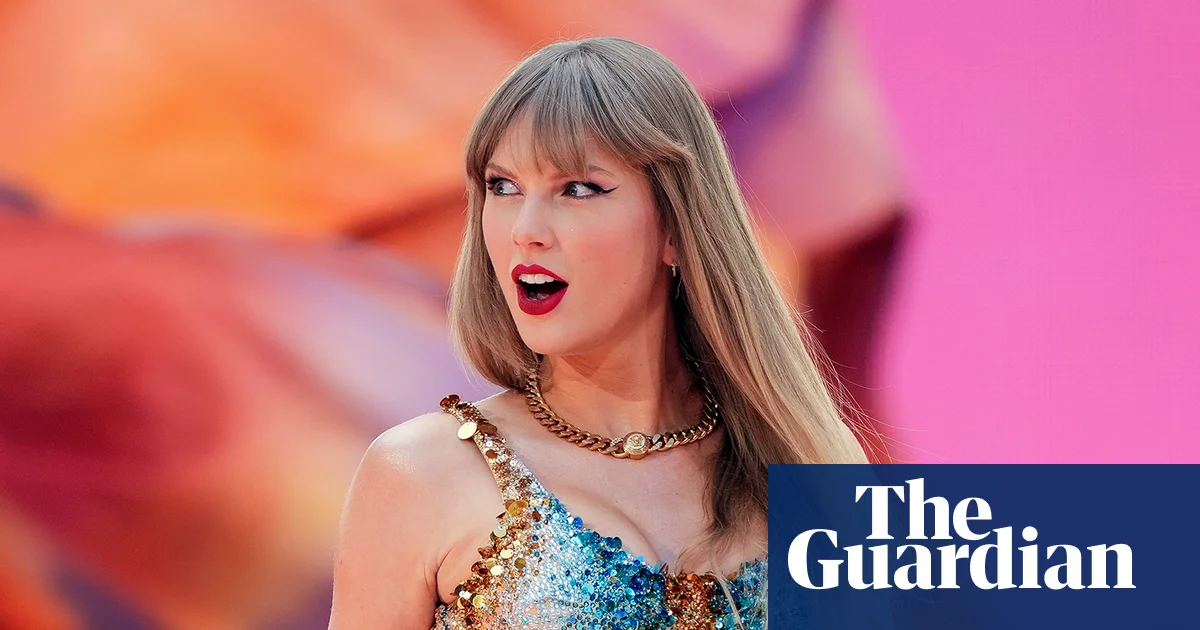
Undeniably, this digital exercise underscores a broader cultural trend: the push and pull of tradition and innovation. The fact that the artist Linda Ronstadt can influence a listener’s perceived age, or that the most streamed artists are often contemporary icons like Taylor Swift or The Weeknd, illuminates a society cradled by its collective musical heritage. As G.K. Chesterton once argued, “Tradition refuses to die—until death itself.” Today, that tradition finds new expression in algorithms—an extraordinary paradox—fueling a narrative where the preservation of cultural memory becomes intertwined with the spectacle of self-surveillance. In this, we see the seeds of a cultural evolution that may lead us to a new renaissance, not born of art alone, but of the human story itself.

When we consider the larger implications—such as Spotify’s entanglement with AI-generated content and controversial advertising campaigns—our view of culture broadens yet again. It’s not merely about music; it is about how a society embeds values, allegiances, and historical contours within its digital fabric. As Chesterton might warn, “When tradition is replaced by trending algorithms, society risks losing its roots and planting artificial forests of fleeting novelty.” Nevertheless, amidst the noise of corporate interests and political protests, the enduring truth remains: Culture is both memory and prophecy. It is the echo of our ancestors’ voices and the premonition of generations yet to come, whispering through the data and melodies that define us. As Eliot famously said, “What we call the future is a continuation of memory”—and in music, as in life, that continuity is what makes us truly human.

Social Media Auto Publish Powered By : XYZScripts.com



