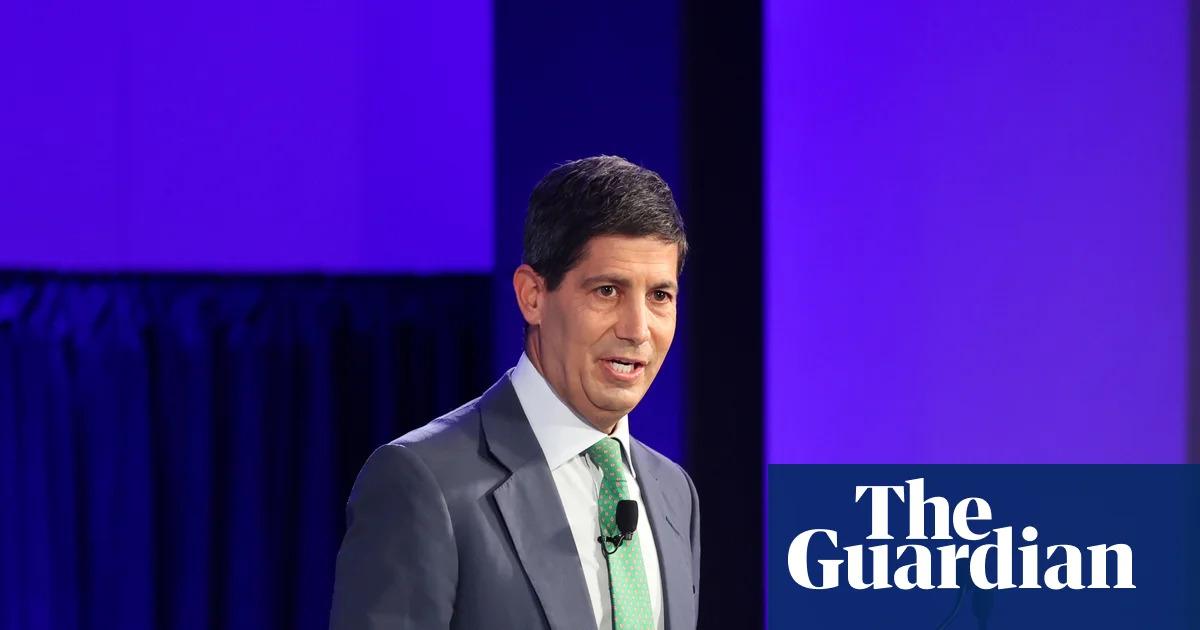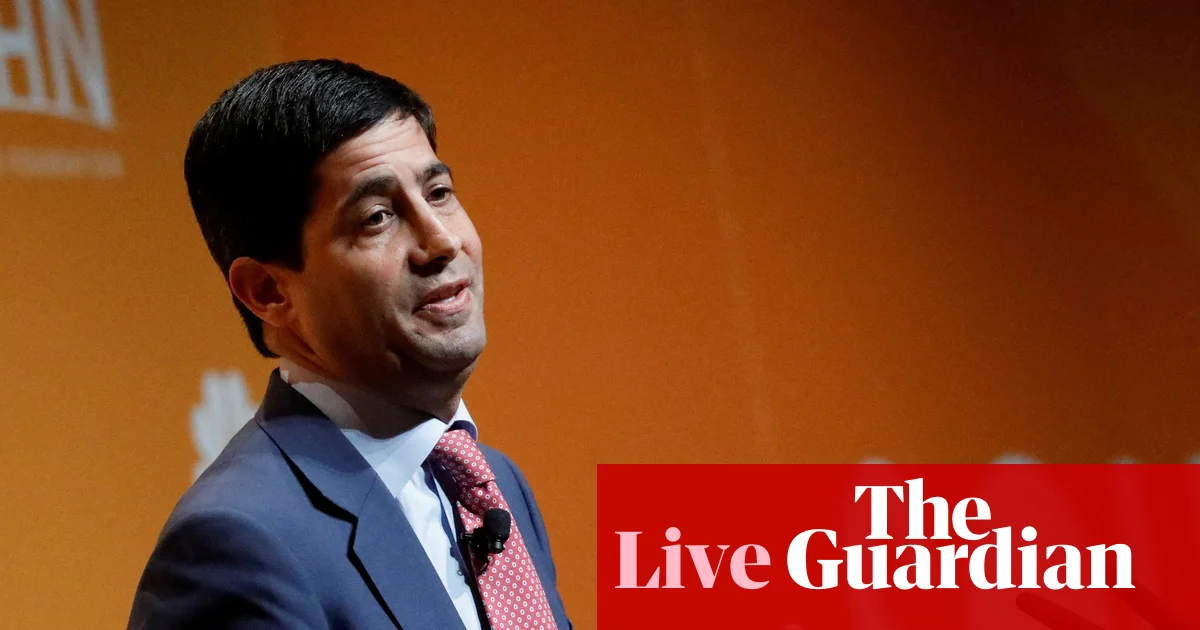

As President Donald Trump faces mounting scrutiny over his influence on the Federal Reserve and its leadership, recent developments signal a profound shift in the geopolitical landscape. At a pivotal confirmation hearing, Kevin Warsh, Trump’s nominee for Fed Chair, publicly committed to maintaining the institution’s independence amid pressures from the White House. Nevertheless, the tense atmosphere painted a stark picture of potential instability at the heart of U.S. economic policy, with echoes reverberating across global markets. Notably, Elizabeth Warren—a leading voice in Congress—warned that Trump’s interference threatens the very fabric of American monetary autonomy, citing ongoing attempts to sway Fed appointments and influence rate decisions.
- The hearing unveiled a deeper struggle: Trump’s explicit desire for lower interest rates, fueling fears of political weaponization of the federal monetary system.
- Powerful Republican figures, including Thom Tillis, signaled a readiness to hinder Warsh’s appointment until federal investigations into the Fed’s recent renovations are resolved, risking a period of unparalleled turbulence for the central bank.
- Simultaneously, Trump’s foreign policy sparked chaos, with the president explicitly refusing to extend a fragile ceasefire with **Iran**, while maintaining that military action remains a strong possibility. In striking contrast to his previous diplomatic tone, Trump’s raw rhetoric signals a readiness to escalate conflict, hinging on a “better attitude to go in with”—a clear warning to allies and adversaries alike.
Global institutions and analysts warn that such domestic instability in the United States portends broader geopolitical consequences. The potential for a divided Fed—undermined by political interference—could lead to currency volatility and increased borrowing costs worldwide. Historians and financial experts, like Dr. Samuel R. Hughes, argue that this turbulence threatens the foundation of the Bretton Woods system’s legacy of monetary stability. Meanwhile, regional dynamics are heating up as Pakistan leads last-ditch negotiations with Iran and the U.S., a move that could either stabilize or further destabilize the Middle East—an area already fraught with tension. The world’s eyes are watching—uncertainty grows as the US’s internal struggles threaten to rewrite the balance of power.
In a parallel political saga, Trump’s other actions—such as endorsing energy expansion policies invoking the Defense Production Act—highlight a bold push for economic nationalism. From a turning point in energy independence to battles over congressional districts in Virginia, the moves reflect a deliberate strategy to tighten control over economic and political leverage both domestically and internationally. The implications for America’s societal fabric are stark: a country polarized further, with political elites questioning the legitimacy of institutions and the loyalty of their leaders. As the nation teeters on the edge of upheaval, the narrative threads of power, influence, and history are being woven anew—possibly forever.
In the words of historian Prof. Alexander Reeve, “This is a defining moment. The choices made today will echo through generations, shaping the future of freedom and sovereignty. The unfolding story isn’t just about policy; it’s about the soul of a nation—its resilience or vulnerability—yet history remains stubborn, waiting to be written by those who dare to shape it.”