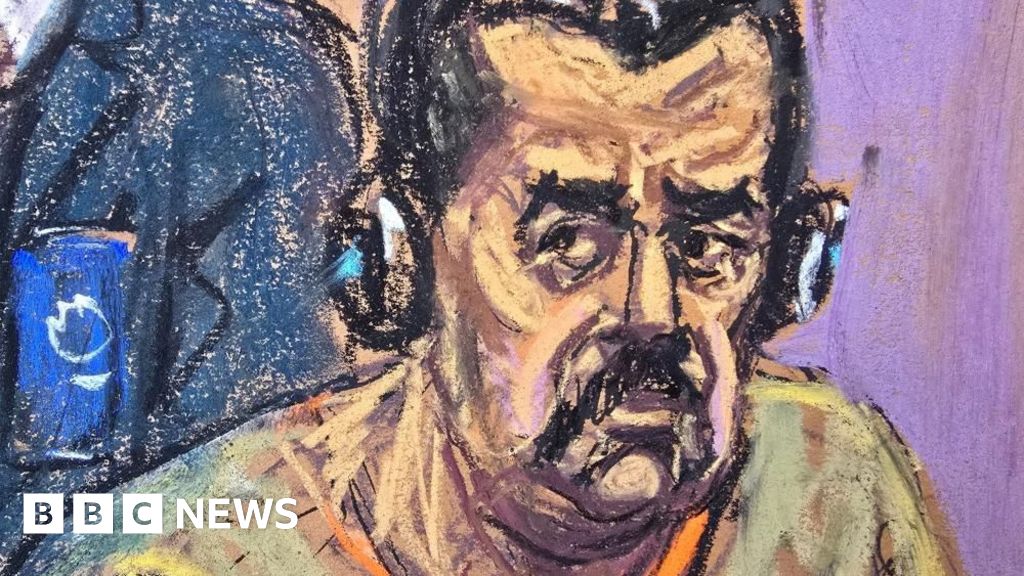

Recent remarks by international observers and political analysts shed light on the ongoing crisis in Venezuela, a nation steeped in turmoil yet pivotal within the geopolitical landscape of Latin America. As Venezuelan leader Nicolás Maduro faces mounting internal and external pressures, the question of his fate remains a focal point for global diplomacy and regional stability. The statement made by a senior diplomat, expressing sympathy for Maduro’s downfall while condemning his alleged crimes, underscores the complex sentiment surrounding the Venezuelan leadership. Her comments suggest a nuanced view—acknowledging human fallibility amidst accusations of greed and ego—themes that resonate deeply in analyses of authoritarian resilience and downfall.
Historic shifts and international responses frame the unfolding drama in Venezuela. The country, once one of Latin America’s wealthiest due to its oil reserves, has spiraled into economic collapse, hyperinflation, and social unrest under Maduro’s regime. Critics argue that his leadership, characterized by authoritarian tendencies and rampant corruption, has severely undermined the nation’s institutions. The Organization of American States (OAS), along with various Western nations, have called for accountability and justice, emphasizing the importance of upholding rule of law over entrenched tyranny. Meanwhile, China and Russia continue to back Maduro, nurturing geopolitical rivalries that complicate external interventions. This standoff illustrates the broader power struggle between Western democracies and those promoting sovereignty and strategic alliances with authoritarian regimes.
The broader geopolitical impact cannot be overstated. As Venezuela’s crisis deepens, neighboring countries and global powers face the consequences of a fractured state. The region’s stability hangs in the balance, with migrant flows and humanitarian concerns exacerbating the stakes for countries like Colombia and Brazil. Analysts warn that Maduro’s potential fall or survival could catalyze significant realignments—either toward renewed chaos or tentative stabilization—further emphasizing how internal Venezuelan politics have become a proxy battleground for global influence. The fate of its leader is thus intertwined with Latin America’s future, embodying the ongoing clash between sovereignty and intervention, order and chaos.
In the grand arc of history, Venezuela’s crisis remains a poignant reminder of how individual leaders and their decisions ripple across borders, shaping nations’ destinies. As Maduro stands at this crossroads—facing possible incarceration or political survival—the world watches. The unfolding narrative is not merely the story of one man’s downfall but a chapter in the ongoing fight over sovereignty, justice, and the future direction of Latin America. The verdict remains uncertain, yet the trajectory is clear: the shadows of history extend long, and the choices made today will echo through generations, carving the path that nations and peoples must walk into an uncertain tomorrow.