Matox News

Truth Over Trends, always!

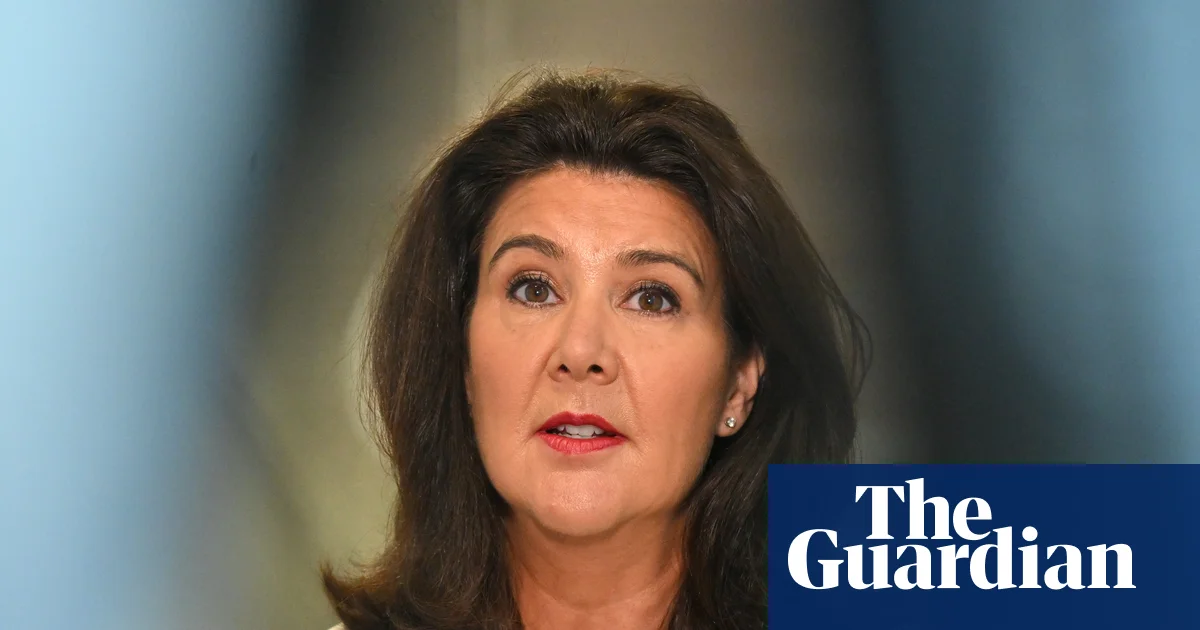
Liberal MPs fight to save net zero amid fears of city electoral wipeout | Liberal Party

Australia’s Internal Climate Dilemma Sparks Global Concerns

The political landscape of Australia is currently embroiled in a fierce debate that carries substantial geopolitical impact. The country’s liberal factions are divided over the core issue of maintaining a commitment to net zero emissions, a move seen by many as pivotal to Australia’s international standing and climate obligations. On one side, conservative forces rooted in the Liberal and National parties are considering abandoning their previous pledge to reach net zero by 2050 — a target enshrined under the Paris climate agreement. On the other, moderate voices and climate advocates warn that such a retreat would not only damage Australia’s reputation but also threaten its strategic alliances and economic stability, especially within the Asia-Pacific region.

Internal Politics as a Microcosm of Global Climate Strategy

The ongoing debate reflects a broader turning point for Australia, a nation historically cautious about aggressive climate policies—yet increasingly pressured by global expectations, scientific evidence, and the rising influence of international organizations. Senator Andrew McLachlan has voiced concerns about the ramifications of abandoning the pledge, warning that “if we retreat from achieving net zero, we will pay dearly in city electorates. Our reputation as a nation that keeps its promises will be diminished, and our Pacific friends will be betrayed.” These sentiments underscore the how decisions made in Canberra ripple across regional stability and global perceptions. Moreover, foreign analysts and historians note that Australia’s willingness to adhere to or forsake its commitments could serve as a litmus test for international trust and diplomatic credibility in an era where climate policy is increasingly intertwined with national security.

Impact on Society and International Relations

  • Recent polls suggest that a significant segment of the Australian population and their elected representatives view the net zero pledge as essential, citing the potential consequences of “doing a U-turn,” including economic repercussions and diminished international influence.
  • In contrast, the ruling party’s internal factions consider a strategic reprieve, contemplating a delayed or modified timeline for reaching their climate goals—an approach that risks violating the Paris agreement’s stipulation not to regress on previous commitments.
  • World leaders and international organizations, such as the United Nations and the IPCC, have repeatedly emphasized the critical importance of adherence to scientifically-backed targets, framing Australia’s debate as emblematic of the global challenge in balancing economic growth with environmental stewardship.

As Prime Minister Sussan Ley faces mounting pressure to align her party’s stance, a decisive policy is looming — one that could either solidify Australia’s leadership role in climate action or underpin a dangerous retreat into isolationism and economic shortsightedness. The prospect of a break with the Paris climate accord hangs in the balance, with implications for perhaps the most vulnerable nations in the Pacific and beyond, which look to Australia as a regional leader.

The outcome of this internal political struggle will inevitably shape the narrative of Australia’s future — whether it aligns with the global effort to mitigate catastrophic climate change or succumbs to internal divisions and short-term political gains. As history continues to unfold, it remains uncertain whether this pivotal moment will be remembered as a turning point towards principled leadership or a cautionary tale of a nation’s retreat from its global responsibilities. The weight of the choice made today will be etched into the chronicles of history, influencing generations and the integrity of international commitments for years to come.
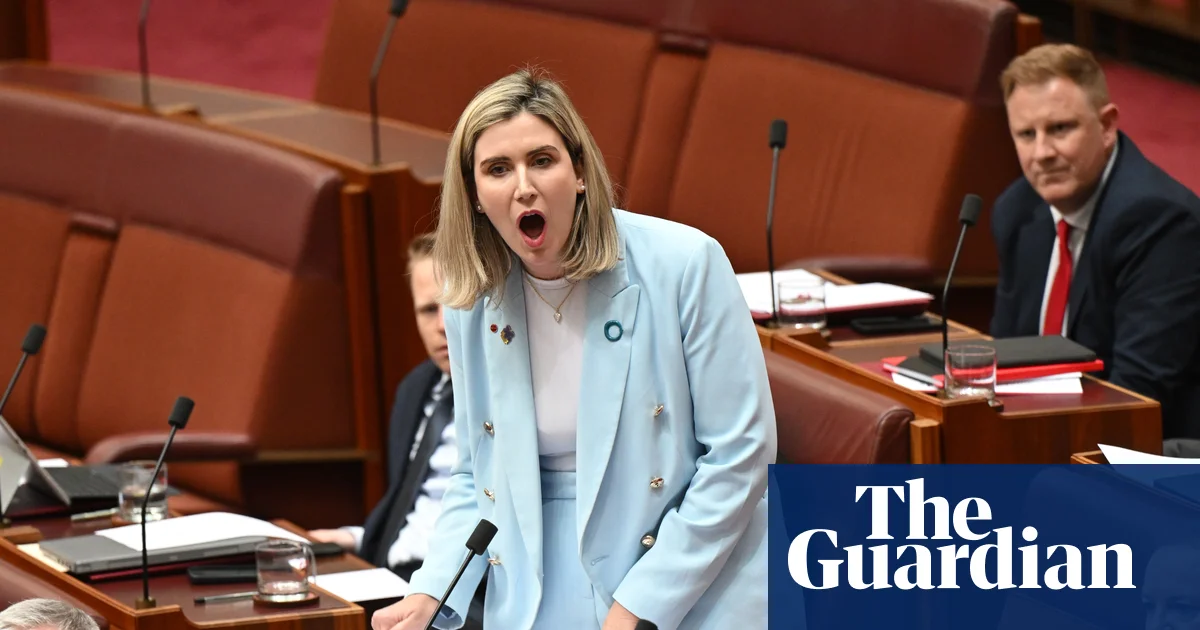

Senate Question Time Turns Chaotic in Last-Minute Fight for Transparency, Breaking Records

Australian Senate Sparks Political Turmoil: A Turning Point in Transparency and Tradition

In an extraordinary chapter of Australian parliamentary history, a recent Senate session has challenged long-standing conventions and signaled a potential shift in the nation’s political landscape. Over a record-breaking 210 minutes, senators engaged in a marathon question time that exceeded the previous Federation-era record of approximately 150 minutes. This unprecedented event unfolded amidst a fierce debate over transparency and government accountability, highlighting broader tensions between the ruling Labor government and opposition factions, including the Coalition, Greens, and various crossbenchers.

Led by Senator David Pocock, a notable figure in advocating for government transparency, the opposition-inspired move aimed to extend question time, forcing ministers to answer a greater number of inquiries. This effort was met with fierce resistance from the government, which criticized the procedure as a breach of convention, with Minister Murray Watt dismissing it as a “dummy spit.” Yet, in an audacious procedural move, the Labor-led Senate continued the session well beyond the mandated end, orienting the debate around a critical issue: government secrecy regarding a report on public sector appointments. The report, compiled by former public service commissioner Lynelle Briggs, has been withheld for two years under claims of cabinet confidentiality, despite persistent demands for transparency from non-governmental members.

This defiance illustrates the growing conflict over truth and accountability within Australia’s political system, with analysts warning that such disputes undermine parliamentary tradition and public trust. International organizations, including Transparency International, have expressed concern over the government’s reluctance to release key documents, asserting that the persistent secrecy could weaken democratic institutions. The Australian Senate appears to be on a brink of a constitutional crisis, with critics arguing that the prolonged question time and procedural controversy symbolize a breakdown in the balance of power and the erosion of parliamentary decorum.

The recent upheaval serves as a stark reminder of how decisions made by political leaders ripple beyond national borders, affecting international perceptions of Australia’s democratic standards. As tensions escalate over transparency, the global community watches closely—experts warn that such internal strife could diminish Australia’s influence on the international stage, especially in regions where it seeks to assert leadership amidst competing powers. This internal discord echoes a broader pattern observed in democracies worldwide, where the suppression of information often signals more profound authoritarian tendencies.

As history continues to unfold within the hallowed halls of Parliament, the strain between tradition and reform intensifies. The question now remains: will this historic confrontation serve as a catalyst for genuine transparency and reform, or will it deepen the divisions that threaten the pillars of Australian democracy? The weight of this moment remains heavy on the shoulders of those who believe that, in a nation founded on the principles of openness and accountability, the truth cannot be silenced. The answers lie ahead, as the pages of history turn and the future of Australia’s political integrity hangs in the delicate balance.

K-pop group fails to win legal fight against agency, raising questions about artists' rights
K-pop group fails to win legal fight against agency, raising questions about artists’ rights

The recent legal confrontation involving South Korean K-pop sensation NewJeans and their agency, Ador, has sent ripples through the global entertainment landscape, spotlighting the underlying power dynamics within South Korea’s burgeoning cultural export. The notorious court decision, which upheld the validity of the group’s contractual commitments until 2029, underscores a broader trend of entrenched corporate control over artists that raises questions about the autonomy of creative talents in modern geopolitics and economics.

In a move that defies the normative expectations of artist-initiated rebellion, the Seoul Central District Court dismissed the group’s plea for contract termination, emphasizing the legal binding nature of their agreement. The dispute emerged amid allegations of mistreatment and manipulation by the agency, a scenario that echoes narratives from other big markets where corporate giants—such as America’s Hollywood or Japan’s idol businesses—hold disproportionate sway over their talents. Yet, what makes this case extraordinary is its potential to influence how nations strategize cultural diplomacy and the international community perceives Asian entertainment industries as geopolitical tools.

Analysts note that Hybe, South Korea’s largest entertainment conglomerate, operates not merely as a label, but as a soft power behemoth, shaping not only music charts but also international perceptions of Korea’s cultural economy. The case reveals a complex web of influence extending beyond the stage, affecting how governments and trade partners approach intellectual property rights and artist protections. The international community, including organizations like UNESCO and WIPO, is increasingly scrutinizing such disputes, recognizing their impact on cultural stewardship and legal sovereignty.

Furthermore, the fallout from this legal battle extends well beyond South Korea’s borders. The burgeoning global influence of K-pop—despite its cultural allure—faces challenges from internal power struggles that threaten to undermine its soft power agenda. This incident, with new Jeans asserting their desire to break free from entrenched corporate control, potentially signals a shift—a desire among young artists worldwide to assert their independence in an industry historically rooted in hierarchical, top-down directives. The international community watches intently as these developments unfold, understanding that these disputes reflect broader societal tensions over **autonomy, fairness, and the global governance of cultural industries**.

As the legal proceedings continue and NewJeans plans to appeal the court’s decision, history remains at a critical juncture. The story of this talented group and their battle against corporate giants echoes an enduring narrative: the struggle for autonomy against an overbearing system. This is a decisive moment in which the world’s eyes are drawn to how nations will adapt their geopolitical strategies to harness or curb the influence of cultural juggernauts. The outcome will not only shape the future of South Korea’s entertainment industry but also serve as a benchmark for how societies everywhere can balance the allure of soft power with the protection of individual rights—an ongoing saga that continues to unfold amidst the relentless march of history’s tide.

Autism shouldn’t mean kids have to fight for their education—it's time for change.
Autism shouldn’t mean kids have to fight for their education—it’s time for change.

The Silent Crisis: Social Issues Impacting Families and Communities Through the Lens of Special Educational Needs

In today’s society, the landscape of support for children with special educational needs (SEN) remains fraught with challenges that ripple through families, education systems, and communities at large. Recent reports from the Institute for Public Policy Research (IPPR) highlight an urgent crisis: the current framework for supporting these children is fundamentally inadequate. Nearly one in five pupils in England—a staggering 1.7 million students—rely on some level of SEN support, yet far too many experience a system that neglects their holistic needs or leaves them isolated and uneducated.

While policymakers promise reform, the reality reveals a persistent cultural and infrastructural gap. This gap not only hampers the educational journey but profoundly affects the family dynamic, stripping children of the dignity and opportunity they deserve. As sociologists like Anthony Giddens note, social inclusion hinges on the ability of institutions to adapt empathetically to diverse needs. Instead, many families find themselves in a constant state of struggle, navigating a convoluted, often unresponsive system that seems to view them as obstacles rather than partners in their child’s development.

The Human Toll of Inaccessible Support

Take the case of Evie, an 18-year-old with complex disabilities diagnosed with autism and ADHD. Her story epitomizes the structural flaws that undermine human dignity. Despite her evident needs, her journey through mainstream and specialized education was marked by loneliness and insufficient support. “There were schools that could meet my complex health and mobility needs, but the level of learning was incredibly low,” she recounts. Her family’s exhaustive search for a suitable place resulted in three years spent at home—an exile from the vibrant world of learning and social interaction.

This phenomenon is not isolated; other children like Arav, a 12-year-old on the autism spectrum, face the harrowing reality of crowded classrooms and limited dedicated spaces. Armed only with a tribunal victory, his family fought fiercely for what should be a basic right: an appropriate placement. The shortage of specialized spaces, often driven by systemic neglect and underfunding, leaves families to wage legal battles that drain resources and hope alike. These examples underscore a fundamental truth: the social fabric frays when institutions fail to prioritize inclusivity and support.

Rethinking Support: From Policy to Practice

Policy experts like Dr. Emily Hunt advocate for a paradigm shift—the introduction of Additional Learning Support as a statutory layer in mainstream schools. This envisioned framework could ensure support is accessible without arduous assessments or diagnoses. Moreover, giving schools more control—paired with adequate funding and staff training—may bridge the accessibility gap and foster real inclusion. The IPPR urges that the current Education, Health and Care Plan (EHCP) model be replaced only after a consultative process leads to demonstrably better family support and academic outcomes.

  • Providing extra resources and training for educators to handle diverse needs.
  • Establishing clear routes to redress for families dissatisfied with their support.
  • Rewarding inclusivity through inspection standards like Ofsted assessments.

The Department for Education (DfE) insists that reforms are underway, emphasizing early intervention, improved training, and expanding specialist places. Yet, much remains to be done as families and children continue to navigate a system that often feels more adversarial than supportive. The very societal fabric that links families and communities to their future stability and growth is strained when generations of children are denied access to the opportunities they deserve—simply because systems have yet to evolve.

Reflections on Society’s Moral Compass

The stories of Betsey and the families who fight to secure a decent education for their children are a stark reminder that social cohesion depends on societal values. As we witness these struggles unfold—where late diagnoses, overstretched resources, and bureaucratic inertia leave children feeling disregarded—the moral question is clear: Are we truly forging a society that values every individual equally? \n Sociologist John R. Gilligan emphasizes that for society to progress, it must nurture inclusivity—moving beyond merely passing legislation towards genuine cultural shifts.

As society stands at this crossroads, the hope remains that through collective effort and moral resolve, the next chapter will be written not by the obstacles faced but by the society’s capacity for compassion, innovation, and unwavering commitment to equity. Like the resilient children whose stories illuminate the systemic flaws, our society must learn to listen, to adapt, and to uplift those most vulnerable. Only then can society aspire to be truly inclusive—where every child, regardless of their needs, wakes up to a future filled with possibility and hope.

China’s Growth Dip Sparks Concerns Amid Rising US Trade Fight

China’s Economic Slowdown and Rising Trade Tensions: A Turning Point on the World Stage

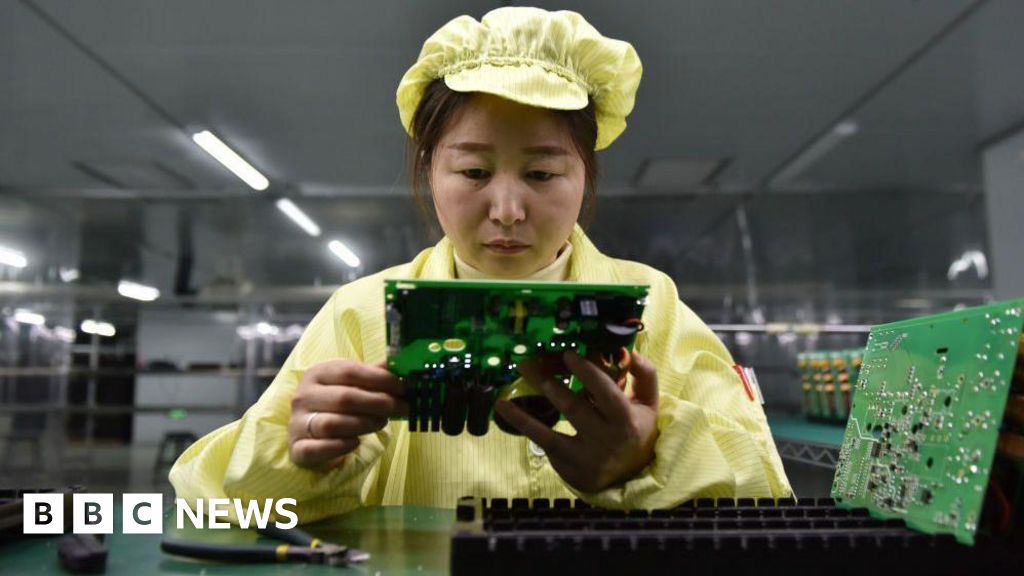
In recent weeks, China, the world’s second-largest economy, has signaled a noteworthy deceleration in its economic growth, with official figures revealing a 4.8% expansion in the third quarter of 2025—its slowest pace in a year. This downturn, while manageable within China’s broader economic ambitions, carries profound implications for the global order, especially given the recent escalation of trade conflicts with the United States. Over the past months, Beijing has tightened restrictions on exports of rare earth minerals, crucial to advanced technologies across the globe. Analysts warn this move could sharpen the already fragile trade truce with Washington, potentially spiraling into a new era of economic confrontation.

Despite official claims of resilience, China’s economic trajectory is now increasingly shaped by geopolitical forces. The country’s leadership, amid a pivotal summit this week, aims to chart a course for its economic blueprint between 2026 and 2030. The recent data, showing a slowdown from a 5.2% growth in July, underscores the mounting pressures from both internal challenges and external conflicts. Beijing’s government attributes ongoing growth to the vitality of its technology sector and business services—sectors that are vital to China’s ambitions of technological self-sufficiency—and it remains committed to a targeted annual growth rate of around 5%. However, as US President Donald Trump swiftly reacts to the export restrictions with threats of additional tariffs, the specter of a renewed trade war looms large, threatening to ripple across global markets.

Trade tensions are now central to the unfolding geopolitical narrative. Before the recent restrictions, Chinese businesses benefitted from a brief easing of tensions, with exports to the US rising 8.4% in September. Yet, the re-imposition of export controls, combined with potential tariff hikes, risks disrupting this fragile recovery. Meanwhile, US Treasury Secretary Scott Bessent indicated ongoing efforts to ease tensions through diplomatic engagements in Malaysia, seeking to foster dialogue between Xi Jinping and Donald Trump. The margins of compromise remain narrow as international observers, including esteemed historians and economic analysts, debate whether these moves signal mere tactical adjustments or the prelude to a sustained confrontation that could redefine the geopolitical landscape.

Meanwhile, China’s industrial output and service sector continue to perform strongly—growing 6.5% last month, driven by advancements in 3D-printing, robotics, and electric vehicles. These sectors exemplify China’s strategic pursuit of technological innovation amidst external pressures. Yet, the longer-term implications remain uncertain. Historians warn that a frayed trade fabric and rising nationalism could lead to a decoupling—a splintering of the global economic order that would leave many nations reassessing alliances and strategic dependencies. As policymakers and international institutions watch, the world teeters on the brink of a new geopolitical era—one that could favor a multipolar order or plunge into a prolonged conflict that reshapes the fabric of international society. The unfolding story of China’s economic voyage is far from over; in fact, it appears to be entering a new chapter, where every decision carries the weight of history, shaping the destiny of nations and societies in ways yet to be fully understood.

Gaza Experts Fight to Identify 90 Palestinians Returned by Israel

International Tensions Escalate as Gaza Ceasefire Yields Humanitarian Dilemmas

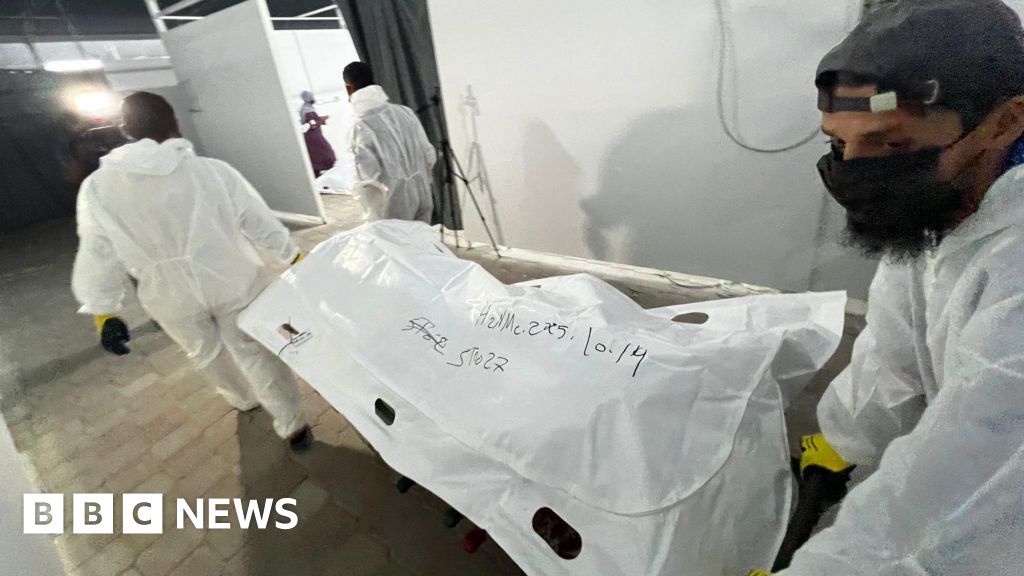
The recent ceasefire agreement between Israel and Hamas has temporarily halted some hostilities, yet the underlying tensions continue to ripple across the region. Under this fragile accord, Israel has committed to returning the remains of 15 Palestinians for every deceased Israeli hostage, a promise that holds immense symbolic and geopolitical weight amidst ongoing violence. So far, the Israeli military has announced the return of six Israeli hostages’ remains, alongside the bodies of two other individuals, including a Nepalese hostage, signaling a tentative step toward some form of stabilization. However, the practical implementation of this pledge faces numerous challenges, most notably the identification of human remains and the profound emotional toll it exacts on families caught in limbo.

Bodies in Limbo and the Impact on Social and Political Dynamics

  • Bodies of 90 Palestinians handed over at Nasser hospital in Gaza remain unconfirmed in identity, with officials working to match remains with families amid reports of bodies stored in refrigerators awaiting identification.
  • Palestinian families, like Rasmieh Qdeih, continue to search desperately for loved ones presumed dead or missing since the start of hostilities when Hamas launched a surprise attack on southern Israel, leading to the death of approximately 1,200 Israelis and the capture of hostages.
  • The Israeli authorities have pledged cooperation with international agencies such as the International Committee of the Red Cross (ICRC), yet the ambiguity surrounding the status of captured or deceased individuals fuels widespread grief and political uncertainty.

Distinguished international analysts, including geopolitical experts and historians, have warned that these unresolved human tragedies only deepen the moral and political crises in the region, complicating diplomatic efforts and affecting societal morale on both sides. The identification dilemma is more than bureaucratic—it represents a crucial turning point in how nations confront their collective past and their future, with some warning that failure to clarify these human costs could ignite further unrest.

The Broader Geopolitical Impact

The ongoing struggle over human remains underscores the war’s broader geopolitical impact. As Gaza struggles with a humanitarian crisis of staggering proportions—67,938 confirmed deaths and reporting that runs parallel to escalating international criticism—the region’s instability influences global alliances. Israel‘s military actions, compounded by international calls for accountability and ceasefire agreements, have drawn sharp scrutiny from organizations like the UN. Yet, Hamas and Gaza residents face the harsh reality that their suffering is often minimized or politicized among global powers seeking strategic advantage.

Renowned analysts argue that how international players handle these human tragedies will shape the future balance of regional power, with some warning that a failure to address these issues humanely could lead to a new cycle of conflict. The deepening rifts—between Israel and the Palestinian territories, and among regional neighbors—are fueled not only by territorial disputes but by the unresolved trauma of families like Qdeih’s, whose hopes for answers remain shattered amid the chaos of war.

Conclusion: The Unfolding Chapter of History

As the international community watches with bated breath, the weight of history continues to press upon Gaza, Israel, and the wider Middle East. The very act of returning bodies is emblematic of a fragile hope for justice amid enduring chaos. Yet, beneath the surface, questions loom larger than the immediate ceasefire—about truth, reconciliation, and the possibility of lasting peace in a region fractured by decades of conflict. In the shadows of Nasser hospital, families await their fates, bearing silent witness to the harsh realities of war’s aftermath. How this story ends remains unwritten, but the pages of history are being inscribed now, with each body returned, each family searching, and each leader navigating the treacherous path toward peace or further division. The world must grapple with whether justice will be served or merely postponed, while the silent echoes of the fallen remind us that history’s pen has yet to finish writing this chapter in human suffering.

Badenoch taps into tax cuts, humor, and pig-wrestling to fight for her future at Conservative conference—episode inside

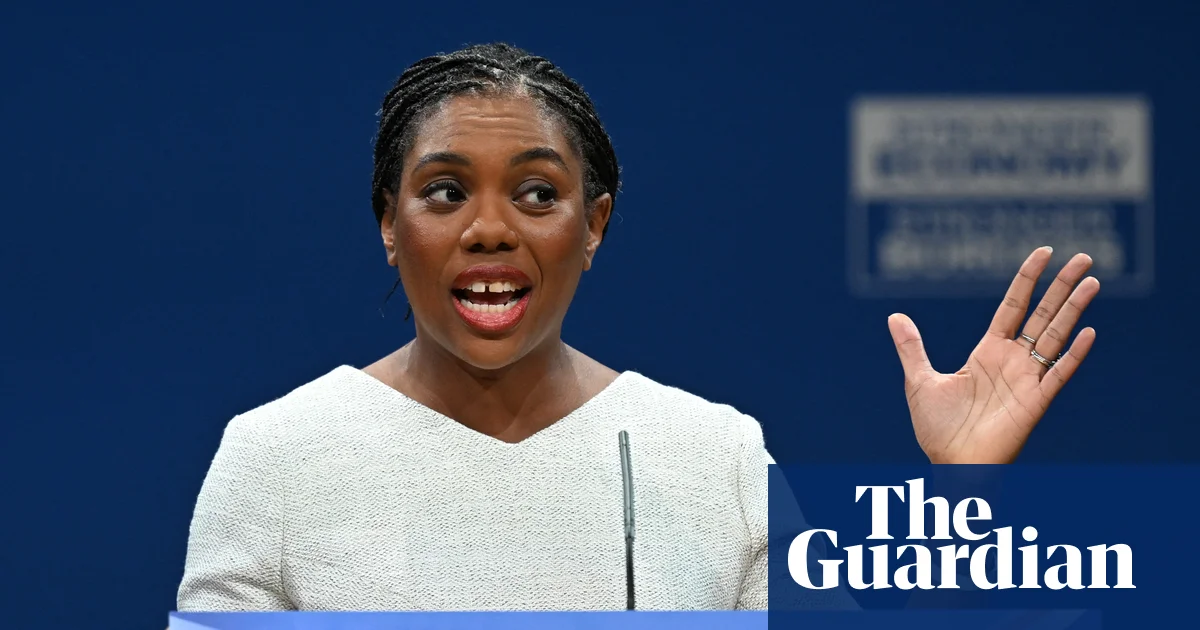
In a rapidly transforming international landscape, the political maneuvers of Britain’s Conservative Party resonate far beyond its borders. During her recent party conference, the leader unveiled ambitious domestic policies, such as plans to scrap stamp duty, aimed at revitalizing the economy and stimulating homeownership. However, what drew less attention was the conspicuous absence of discussion regarding the most pressing threat confronting her party—the rising tide of global instability and shifting geopolitical tensions. As analysts break down the tone and substance of her speech, the underlying question persists: can mere policy promises contain the larger, more complex forces at play?

International organizations and political historians warn that political strategies focused primarily on domestic issues may not be enough to shield nations from the multifold threats that now define our era. The European Union, alongside the United States, faces persistent challenges from aggressive state actors pursuing regional dominance, economic coercion, and cyber warfare—factors that threaten to reshape the global order. For the UK, this means that internal political battles—such as leadership contests within the Conservative Party—must now contend with a geopolitical environment where security and diplomatic resilience are paramount. Yet, recent conference season has largely focused on traditional party politics rather than addressing the broader, turbulent international context.

The question of leadership purity amid these external pressures echoes throughout British political discourse. Veteran analysts and international institutions underscore the significance of internal stability in the face of global upheaval. As Robert Jenrick and other potential rivals challenge the current leadership, many believe that the party’s future hinges on broader strategic vision—one that goes beyond tax cuts and campaign rhetoric.

  • Experts from Chatham House highlight the interconnectedness of domestic policy and international security.
  • British political commentators from Financial Times suggest that leadership debates now serve as a reflection of the nation’s preparedness to engage with an unpredictable world.

Regardless of internal contests, the larger consequence is whether the UK will emerge resilient or fragmented amidst a constellation of global crises that seem to intensify each day. As the echoes of policy promises fade into the cacophony of international conflict, the act of leadership—both political and strategic—remains the defining challenge of our time.

History watches, and history’s weight presses down heavily. In the unfolding chapters of the 21st century, the decisions made within these political chambers may well determine not only national fate but also the trajectory of global stability. Will Britain, under its current leadership, rise to meet the formidable challenges ahead? Or will it falter, lost in the shadows of a shifting world order that continues to redefine what is possible—and what is at stake. As the world teeters on the brink of unpredictable change, one thing remains certain: the future is still being written, and time waits for no nation.

Social Media Auto Publish Powered By : XYZScripts.com