Matox News

Truth Over Trends, always!

Indonesia finally grants legal recognition to domestic workers after 22-year fight

In recent years, world leaders and international organizations have increasingly spotlighted the complex realities faced by millions of domestic workers across various nations. Among the most significant demographics is a country with approximately 4.2 million domestic workers, wherein nearly 90% are women. This gendered landscape of domestic labor not only reflects entrenched societal structures but also carries profound geopolitical implications that resonate beyond their borders. The predominance of women in this sector underscores ongoing debates about gender equity, labor rights, and migration policies—elements with a ripple effect impacting regional stability and economic growth.

Expert analyses by historians and labor rights advocates highlight that the demographics within this domestic workforce serve as a microcosm of broader societal issues. Countries with high numbers of female domestic workers often face challenges related to exploitation, lack of legal protections, and social marginalization. For example, international watchdogs have repeatedly drawn attention to vulnerabilities within informal employment sectors that predominantly involve women, especially in regions where enforcement of labor laws is weak or inconsistent. Such vulnerabilities, as noted by organizations like the International Labour Organization, threaten to destabilize social cohesion and perpetuate cycles of inequality. The demographic makeup also attracts attention from leaders and policymakers who seek to balance economic necessity with human rights obligations, often resulting in contentious debates about migrant labor and immigration restrictions.

The geopolitical impact of these demographic realities is multifaceted. Nations relying heavily on migrant domestic workers frequently find themselves intertwined in a web of regional diplomacy, labor negotiations, and international treaties. Many governments, under pressure from global institutions and civil society groups, are attempting to reform their labor laws, aiming to better protect these vulnerable workers. However, these efforts are often met with resistance, especially in countries where social conservatism and protectionist policies dominate the political landscape. Analysts warn that failure to address these issues could lead to increased migration crises, social unrest, and economic destabilization. The decisions taken today will influence the future of millions of families—where fair labor practices and human dignity are no longer optional but integral to national development strategies.

As history chronicles the ongoing struggle for equitable labor rights, international institutions like the UN Human Rights Council and World Economic Forum continue to call for decisive action. They emphasize that the demographic shift towards a predominantly female domestic workforce is a turning point—*a warning sign* of deeper systemic failures. Scholars warn that without strengthened protections, the social fabric could fray further, disrupting the delicate balance of multicultural societies and undermining the foundations of fair trade and international cooperation. Meanwhile, the silent sacrifices and daily realities of these workers remain a stark reminder of the persistent inequalities that define the 21st century. As global leaders meet behind closed doors, and communities wait on the edges of change, history’s pen continues to write a story of hope and caution, with the future of millions hanging in the balance—an enduring testament to how decisions made today will shape the geopolitical landscape for generations to come.

New Hope: Drug Repurposing Offers Longer Survival in Tough Ovarian Cancer Fight

Advances in Ovarian Cancer Treatment: Signaling Hope or a Reflection of Systemic Gaps?

The recent breakthroughs in the treatment of platinum-resistant ovarian cancer highlight a complex intersection of medical innovation, societal challenges, and the resilience of families and communities grappling with devastating diagnoses. A clinical trial published in The Lancet showcased that use of an existing drug, relacorilant—initially intended for Cushing’s syndrome—could extend life expectancy for patients with this aggressive cancer by an estimated four months. These are not just numbers; they are families clinging to hope, often living in the shadows of a healthcare system that struggles to keep pace with such devastating diseases.

Meanwhile, another promising development involves the immunotherapy drug pembrolizumab, which, when combined with standard care, offers a survival advantage—adding another 3.3 months on average for patients. Such innovations represent the fighting spirit of medical research, but also cast a harsh spotlight on the inequalities facing our healthcare system. Although these drugs have gained approval in the United States, they remain in Phase 3 trials and await approval in the UK. For many families, this delay translates into a race against time, highlighting societal issues that extend beyond the clinics—such as access to advanced treatment options and the socioeconomic disparities that influence who benefits from new therapies.

The societal toll of ovarian cancer and the moral imperative for change

  • Ovarian cancer is the sixth most common cancer among women in the UK, with roughly 7,600 new cases annually, resulting in approximately 3,900 deaths each year.
  • Despite our advancements in medicine, the disease’s impact on families and communities remains profound, often leaving loved ones devastated both emotionally and financially.
  • Current treatment disparities highlight the urgent need for equitable healthcare policies that ensure early detection, broader access to new therapies, and comprehensive support systems for patients and their families.

According to social commentators and historians, such as Dr. Peter Conrad, the societal burden of cancer extends beyond individual suffering; it manifests in strained family structures, impaired educational progress for affected youth, and weakened community cohesion. These social tensions are exacerbated by cultural shifts that sometimes stigmatize illness, leaving many feeling isolated and underserved. The moral challenge rests on society’s ability to prioritize health equity, recognizing that the true measure of a nation’s progress lies in how it cares for its most vulnerable.

Hope amidst challenges: a society on the cusp of transformation

The potential of drugs like relacorilant and pembrolizumab signals a new chapter—one where hope is no longer a distant dream but inching closer to reality. Yet, these advancements beckon a broader reflection: how do social issues shape the future of healthcare and community resilience? The ongoing fight against ovarian cancer serves as a mirror, revealing the gaps that still exist and inspiring a collective moral resolve. As families face the harsh realities of diagnosis and prognosis, society must rally to bridge the gaps—through policy, education, and community support—so that no one is left alone in this relentless battle. In this era of scientific promise, perhaps the greatest victory will be reaffirming our shared commitment to ensuring that every person, regardless of background, has the chance not just to survive—but to thrive.

Apple gears up for Supreme Court fight against Epic, once again.

Apple’s Legal Clash with Epic Games Signals Disruption in App Store Economics

In a move that underscores the ongoing upheaval in digital platforms, Apple is preparing to escalate its long-standing legal battle with Epic Games to the Supreme Court. This legal maneuver aims to challenge recent rulings that limit how Apple can charge developers for external payments, a decision that could reshape the fundamental economics of the App Store model. The case, pivotal in defining the future of app distribution and revenue sharing, arrives at a critical juncture where disruption threatens to upend entrenched business practices.

Technology analysts see this as more than a courtroom skirmish; it’s a reflection of broader industry trends emphasizing innovation and market disruption. The court’s decision, which allows developers to funnel users to external payment options, effectively challenges Apple’s 30% cut. Although Apple has reduced its fee to 27%, critics, including Epic, argue that this marginal reduction fails to address core concerns: the lack of transparency and the potential for monopolistic behavior. As the legal proceedings unfold, the implications extend well beyond Apple and Epic, with Google settling similar disputes by dropping its Store commissions to 20%—a clear signal that the traditional app economy is ripe for overhaul.

Industry experts, such as those at Gartner and MIT, highlight that disruption in app store economics will accelerate innovation in digital transactions. The potential for lower fees and more open ecosystems could favor emerging decentralized app marketplaces and AI-powered interfaces that bypass traditional app stores altogether. This evolving landscape demands that companies adapt swiftly; failure to innovate could result in diminishing market share as consumers gravitate toward AI agents capable of seamless transactions without the constraints of legacy platform fees. The court’s upcoming decision could catalyze a seismic shift, effectively encouraging developers to prioritize alternative distribution channels and spurring investment in disruptive payment technologies.

Expert analyses warn that the legal trajectory indicates that the era of unchecked platform control might be near an inflection point. As the case advances, it underscores a broader “tech renaissance” where disruption and innovation are paramount. The decision handed down could serve as a catalyst for a new wave of monetization strategies, prompting tech giants and startups alike to reimagine how digital goods are exchanged. While this legal showdown continues, the industry faces an urgent call to embrace these changes—those who hesitate risk being left behind in a rapidly evolving digital economy that favors agility, transparency, and consumer empowerment.

Palestinians Fight to Rebuild Amid Global Spotlight on Iran and Gaza

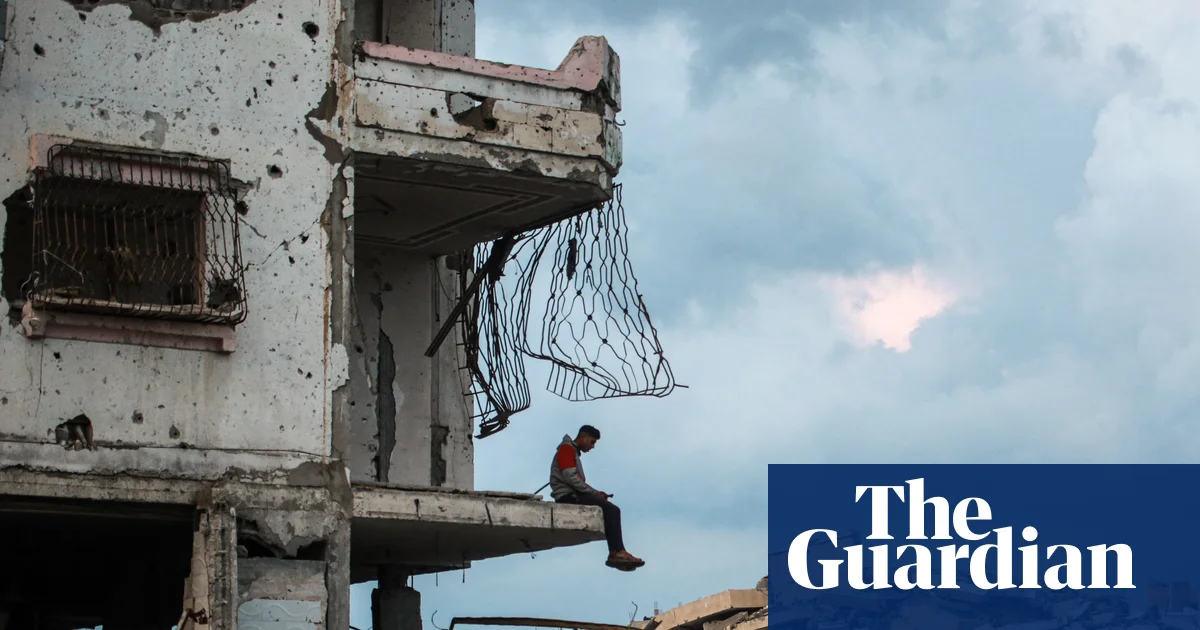
In the heart of the Middle East, Gaza remains a symbol of resilience amid ongoing warfare and mounting humanitarian crises. Seventeen months after the onset of intense conflict, the population’s life has been fundamentally altered—stripped of stability, safety, and dignity. As Israeli airstrikes continue to claim civilian lives and infrastructure remains in ruins, the world witnesses a humanitarian disaster unfolding in real-time. Israeli military actions, purportedly aimed at strategic objectives, have inadvertently created a living hell for the civilian Palestinian population. From displaced families seeking refuge in waterlogged camps to children growing up deaf to anything but the sounds of drones and explosions, the societal fabric of Gaza is fraying at every edge.

International analysts underscore that the geopolitical impact of the escalating violence extends beyond Gaza’s borders. While global attention often fixates on potential threats from Iran and the broader Middle East, the immediate suffering of Gazans represents a profound crisis of humanitarian rights and regional stability. As experts warn, ongoing hostilities perpetuate a cycle that feeds itself: destruction breeds despair, and despair fuels further violence. The blockade, compounded by restrictions on movement through the crucial Rafah crossing, severely limits the delivery of essential supplies such as food, medicine, and clean water. UN agencies acknowledge that the world’s aid is reaching Gaza, but at a scale insufficient to meet the daily demands of a population that has been pushed to the brink.

The collapse of normal life is vividly illustrated by stories of loss, suffering, and unwavering hope. Families displaced by bombings scramble for water amid broken municipal supply lines, while hospitals lack critical diagnostic tools to treat cancer and other life-threatening illnesses. Historians and international observers note that this deterioration mirrors other protracted conflicts, where war is less about territory and more about erasing the socio-economic fabric of society. Gaza’s residents, especially the youth, who once envisioned futures in education or entrepreneurship, now grapple with a grim reality that prioritizes mere survival. With prices soaring—particularly amidst the US and Israeli actions against Iran—ordinary Palestinians face a bleak fight against famine and disease, with fewer resources than ever before.

Despite the grim circumstances, some measures offer limited hope. The Rafah crossing’s re-opening for medical evacuations enables patients to seek treatment outside Gaza, where medical facilities are decimated or inaccessible. Yet, the overall picture remains dire: more than 20,000 Palestinians await treatment abroad, and fresh casualties continue to mount. Aid organizations highlight that the ongoing blockade and damage to infrastructure prevent effective aid delivery, resulting in untreated sewage, rising disease outbreaks, and a surge in poverty. International agencies warn that failure to address these humanitarian needs risks creating a generation of Palestinians scarred by violence and neglect.

As history unfolds in Gaza, the weight of these decisions—whether to escalate or seek peace—has profound implications. The geopolitical landscape is shifting, with global powers grappling over their strategies—be it through military action, diplomatic pressure, or aid—each affecting populations on the ground. The children of Gaza grow up amid the rubble of their homes, their futures shaped by a conflict that seems to echo endlessly through the corridors of history. The world watches, yet the question remains: can diplomacy and compassion forge a path away from this precipice, or will history record this epoch as one where indifference cemented suffering for generations to come?

Spanish Woman Wins Right to Euthanasia After Tough Legal Fight with Father

The recent decision by the European Court of Human Rights (ECHR) in favor of Noelia Castillo marks a significant judicial milestone, yet it also signals broader shifts within the landscape of international human rights law. Such a ruling not only underscores the authority of European legal institutions but also resonates across the global geopolitical arena, where questions of sovereignty, individual rights, and state authority continue to collide with increasing intensity.

While the specific details of the case remain under the hood of European judicial proceedings, the decision’s impact transcends national borders. Analysts from institutions like the International Crisis Group and prominent historians have noted that this ruling typifies a broader trend: the push by international courts to impose standards that challenge traditional notions of sovereignty and national autonomy. It also raises critical questions about the manner in which European institutions are asserting their influence in areas traditionally governed by sovereign states, particularly in sensitive issues such as privacy, free expression, and individual autonomy.

From a geopolitical perspective, the ruling exemplifies the subtle but profound growth of the European Union’s judicial reach. While some nations view this as a necessary step toward human rights protections, others see it as a challenge to their sovereignty. For instance, the United States and certain Asian powers have expressed cautious reservations, emphasizing the importance of preserving national legal independence over supranational mandates. Meanwhile, Russia and China continue to criticize what they perceive as the erosion of sovereignty under the guise of international conformity, further cementing the deeply divided landscape of global governance.

European institutions are increasingly intertwined in shaping societal norms, and this trend has real-world consequences for societies across continents. Crucial decisions such as this could potentially influence policy shifts, affecting everything from privacy laws to national security protocols. As international organizations and legal experts debate the implications, this ruling punctuates a turning point—where justice and sovereignty are in a perpetual balancing act, often with societal and political stability hanging in the balance.

Historians argue that this moment echoes the profound debates that have shaped the post-World War II international order. According to leading scholars, such as Dr. Elizabeth Carter from the Center for Global Law & Policy, the move by the European Court of Human Rights symbolizes a new chapter—one in which legal rulings may increasingly influence, if not direct, national policies. The decisions made today will reverberate for decades, shaping a future where the lines between national sovereignty and international legal norms are blurred. As the wheels of history turn, nations are left to grapple with their role in an evolving world order—where the stakes are nothing less than the fundamental rights of individuals and the sovereignty of entire nations.

Ultimately, the ripple effects of this ruling resonate beyond the courts, weaving into the fabric of international relations. Governments, societies, and individuals all stand at a crossroads—whether to accept a new paradigm of legal influence or to resist what they perceive as encroachments on sovereignty. The era of silent diplomacy and international legal reshuffling continues to unfold, leaving the global community to ponder: who will shape the future—the citizen or the state?

Zimbabwe Warns: 15 Youths Lured to Fight for Russia End Up Dead

In an assertive move highlighting ongoing diplomatic negotiations, Zimbabwe has announced that it is engaging the Russian government to facilitate the repatriation of its citizens, both those who have fallen in foreign lands and the living members still residing abroad. This initiative underscores the complex and often contentious relationship between African nations and global powers, especially amidst shifting geopolitical landscapes that threaten to redefine the influence and sovereignty of nations.

According to official statements, Harare is actively working to repatriate bodies of Zimbabweans who have died abroad, while also seeking to bring back individuals who have remained outside the country’s borders due to various circumstances. The details of these negotiations remain opaque, but reports indicate that the move is motivated by concerns over the safety, welfare, and national cohesion of Zimbabweans living overseas. Analysts suggest that this diplomatic effort is part of a broader strategy by Zimbabwe’s leadership to reinforce sovereignty and assert national identity in an increasingly interconnected yet divided world.

International organizations and historians have weighed in on such developments, highlighting how global alliances and conflicts deeply impact local nations and their societies. Experts in geopolitics argue that Zimbabwe’s engagement with Russia is emblematic of a larger trend—small and medium-sized countries leveraging international diplomacy to protect their citizens and interests amid a landscape fraught with tension and uncertainty. The repatriation efforts reflect not only a humanitarian concern but also a strategic move to cement relations with powerful nations like Russia, sparking questions about alignment and influence in the global arena.

These diplomatic efforts unfold against the backdrop of a world where traditional alliances are shifting. Some analysts see Zimbabwe’s outreach to Russia as a pragmatic step, navigating the complex web of international diplomacy in the wake of economic sanctions, regional conflicts, and evolving power dynamics. As history continues to unfold, the fate of Zimbabwe’s repatriation endeavor may serve as a barometer for how small nations maneuver within the great chessboard of global geopolitics—bold, cautious, and increasingly dependent on mighty powers for their survival. The world watches as the narrative of sovereignty, influence, and human security takes another dramatic turn—its outcome yet unwritten, yet undeniably impactful on the tapestry of history.

Socialists Fight to Keep Paris as France's Mayoral Races Heat Up
Socialists Fight to Keep Paris as France’s Mayoral Races Heat Up

The political landscape of the capital city may be on the verge of a historic transformation. After over a quarter-century of socialist governance, the electoral contest is now centered around a pivotal figure: Rachida Dati. Her potential victory could not only redefine the city’s political orientation but also wield significant geopolitical impact on a broader national scale, as analysts warn that this shift might signal a broader realignment towards the right across the country. As the city’s electoral race intensifies, the stakes extend beyond local governance, touching on fundamental questions about the future of policy, identity, and international relations.

For 25 years, the socialist ideology has deeply influenced the city, shaping its policies, social programs, and diplomatic outlook. Yet, mounting dissatisfaction among voters—fueled by economic challenges, immigration concerns, and a perceived disconnect from traditional values—has created fertile ground for conservative alternatives. The upcoming election represents a critical pivot point, with observers from institutions like the International Institute for Democratic Studies emphasizing how the result could resonate across the national political spectrum. Should Rachida Dati win, critics argue that it might herald a strategic shift towards a more nationalist and conservative agenda, aligning the city’s policies with those of other right-leaning administrations globally.

Historian and geopolitical analyst Dr. Jean-Luc Moreau suggests this election is indicative of a mounting global trend: the resurgence of right-wing politics in urban centers traditionally seen as bastions of leftist ideology. Such a shift could influence the international perception of the nation’s stability and direction. Moreover, this change might prompt neighboring nations to reassess their diplomatic and economic engagements with France. The implications extend beyond mere local governance; they touch on how societies navigate multiculturalism, security, and economic reform in an era of global upheaval.

Key events highlight the stakes:

  • The formal endorsement of Dati by conservative leaders signals a strategic campaign to rally the electorate around conventional values and national sovereignty.
  • Opposition parties have responded with intensified campaigns focused on social solidarity, but recent polls indicate a narrowing gap that could swing the outcome.
  • International observers warn that a victory for Dati might send a message of change and resistance to liberal policies championed by socialist regimes.

The potential shift in the city’s political landscape raises questions about the future of policy-making, international alliances, and societal cohesion. As political tensions escalate and narratives of tradition versus progress collide, the world watches with growing interest. The outcome promises to influence the global geopolitical architecture, reaffirming that the decisions made within city halls ripple across continents and history’s fabric.

As history continues to unfold, the coming days will determine whether this city’s election results echo a broader conservative resurgence or cement the long-standing socialist influence. The palpable tension underscores a fundamental truth: in an era marked by rapid change, the choices of a single city can ignite new ideological currents, forcing nations into reconsideration and reaffirming the enduring power of collective will. The world remains on the edge of a pivotal moment—the pages of history turning, yet still unwritten, awaiting the verdict of the ballot box and the voices of a society at a crossroads.

India’s affordable weight-loss meds set to shake up the global fight against obesity

The expiration of India’s semaglutide patent on 20 March marks a pivotal moment for the global pharmaceutical industry, setting the stage for a significant shift in the landscape of diabetes treatment. With an estimated around 50 branded generics expected to flood the market, this development is poised to dramatically alter access, affordability, and competitive dynamics worldwide. India, often termed the “pharmacy of the developing world,” is leveraging this opportunity to challenge existing monopolies, potentially democratizing a vital healthcare resource on a scale rarely seen before.

International analysts and health economists widely recognize the geopolitical significance of this event. Historically, the pricing and patent protections of lifesaving drugs have been a battleground between multinational corporations and emerging market players. The impending influx of generics from India not only threatens the dominance of global pharmaceutical giants, but it also exposes underlying vulnerabilities in the current intellectual property regime. According to reports from the World Health Organization and several industry experts, this act could accelerate a broader movement towards de-linking innovation from profit, encouraging the rise of local manufacturing and reducing dependency on Western patent protections.

This seismic shift bears profound implications for geopolitical alliances and economic power balances. Countries with high diabetes prevalence — including the United States, China, and many African nations — are likely to feel the ripple effects most acutely. As generic options become more accessible and affordable, pressure mounts on governments and insurance providers to revise healthcare policies. The move is also seen by many as a challenge to US-led intellectual property standards, which have long been criticized by developing nations for restraining access to essential medicines. In this context, India’s decisive action signals a potential recalibration of global norms regarding pharmaceutical sovereignty and innovation.

Historians and international strategy analysts note that the turning point marked by this patent expiry could serve as a catalyst for broader reforms. The Gavi alliance and other global health bodies are closely monitoring the situation, warning that if managed effectively, it could lead to a model for reducing healthcare inequality. However, critics caution that this development also carries risks—namely, the quality control of rapidly produced generics and the potential for intellectual property disputes escalating into legal conflicts. As the world watches, the question remains: Will this shift empower societies by making vital medicines accessible, or will it ignite a new battleground of international patent conflicts?

The unfolding story of India’s semaglutide patent expiration is not merely about pharmaceuticals; it is a chapter in the larger narrative of global *power, control, and health equity*. As markets brace for transformation and nations reassess their strategies, history continues its slow but relentless march. In the shadows of these pivotal decisions, the world stands on the brink of a new era—one where the future of healthcare could be rewritten, and the lessons of today will echo through generations yet unborn.

Australian Designer Katie Perry Triumphs in Trademark Fight Against pop star Katy Perry

In a move that underscores the volatile nature of international cultural influence and legal authority, the recent legal developments involving a prominent US singer have reverberated far beyond the entertainment sphere. Initially, the artist faced defeat in a landmark case in 2023, which sent shockwaves through her global fanbase and raised questions about the transferability of legal judgments across different judicial systems. However, her subsequent victory on appeal seemed to affirm her resilience amid a shifting legal landscape. Now, a new ruling against her has rekindled debate over the intersection of law, cultural dominance, and geopolitical power.

The legal saga, which began as a localized dispute within the United States, quickly acquired international significance. Experts and analysts from various corners of the world have pointed to the broader implications for sovereign judicial authority and cultural influence. The recent decision, handed down by the court, not only marks a significant setback for the artist but also signals a warning to global cultural icons who often operate across multiple jurisdictions. As legal scholar Dr. Jane Thornton notes, “This outcome underscores the reality that, despite global celebrity status, legal decisions remain firmly rooted in national jurisdictions with tangible geopolitical consequences.”

Furthermore, the ruling accentuates the ongoing struggle for supremacy between international influences and national sovereignty. International organizations such as INTERPOL and regional legal alliances play increasingly vital roles in mediating these disputes, often revealing how the tides of judicial justice are shaped by geopolitical undercurrents. Many analysts argue that such cases serve as proxies for larger conflicts—whether cultural, economic, or political—between dominant powers and emerging influencers. As historians like Dr. Michael Reed have observed, “Legal battles involving global celebrities are often less about individual rights and more about asserting sovereignty within an interconnected yet fragile world order.”

As the international community watches this case unfold, it is clear that these legal swings reflect deeper, enduring shifts. The decisions hold profound implications for how nations navigate their own sovereignty, cultural identity, and diplomatic relations. Every court ruling, every appeal, and every reversal becomes a piece of an intricate geopolitical puzzle—shaping a future where the boundaries of law and influence are constantly redrawn. With the weight of history pressing down, the story of this singer — and the world stage she now occupies — remains a vivid reminder that in an age of rapid change, the struggle for control over narrative, influence, and justice is an ongoing, tumultuous saga. As this legal narrative continues to develop, the world waits, watching the future for signs of who holds the true power in this global arena.

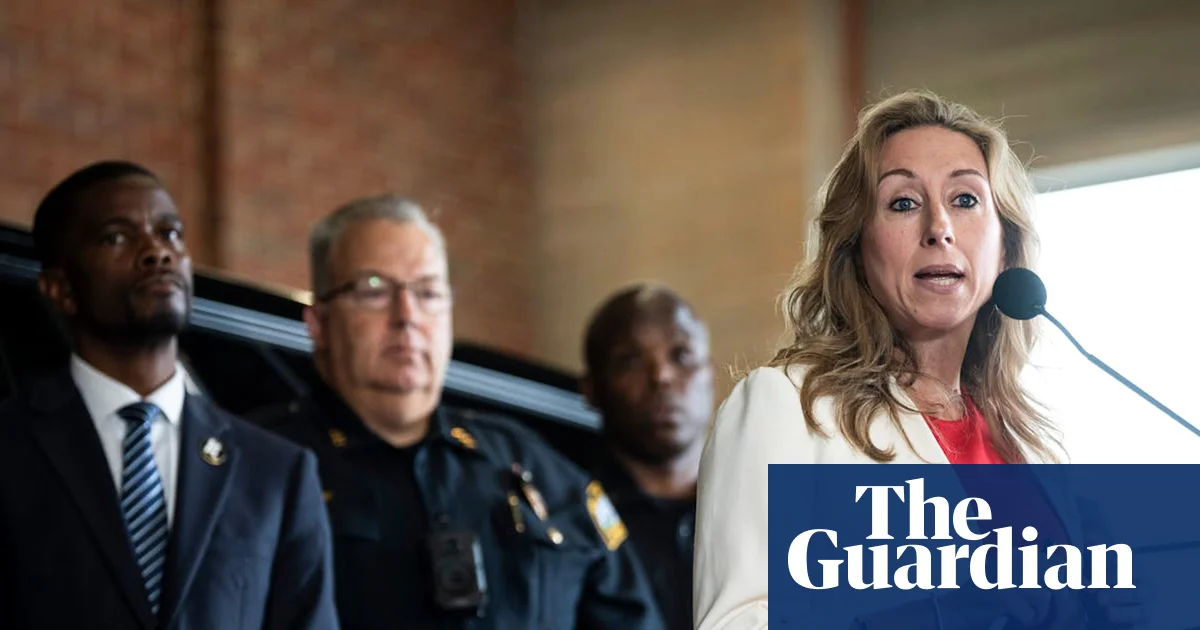
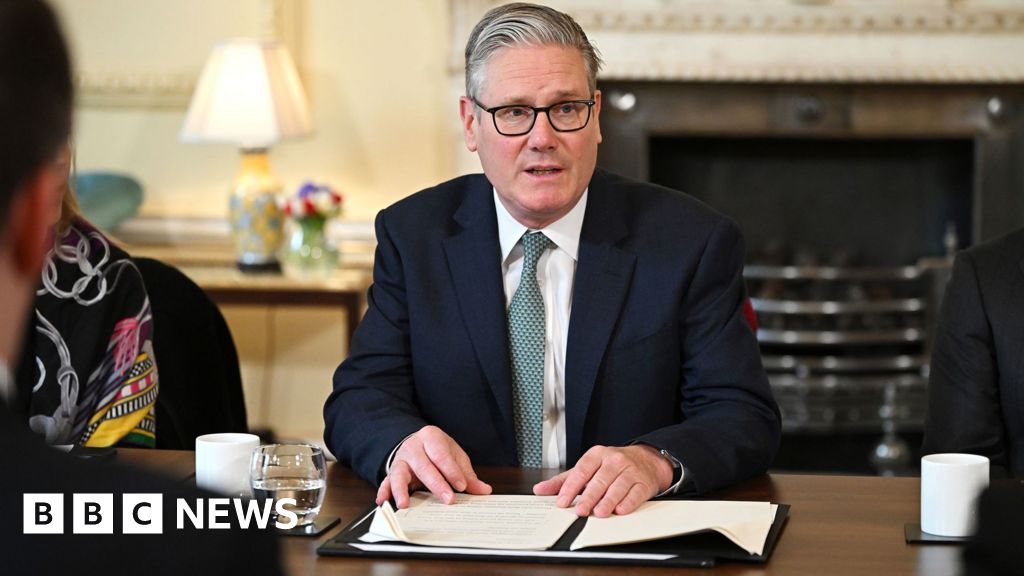
Jess Phillips supports jury bill amid her fight against court delays impacting women and girls

United Kingdom is currently embroiled in a heated debate over proposed reforms to its legal system, exposing broader geopolitical implications regarding justice, governance, and social trust. The contentious courts and tribunals bill, championed by Justice Secretary David Lammy, aims to streamline judicial proceedings by limiting jury trials in favor of judge-only hearings for certain cases. While proponents argue that these measures are essential to reduce an overwhelmed crown court backlog, critics warn they threaten fairness and undermine public confidence—a critical issue at a time when Britain’s international reputation rests on its perceived rule of law.

At the heart of the debate lies a pressing concern: the backlog of cases, which now exceeds 80,000, threatening to delay justice for years—some potentially until 2030. Labour MP Jess Phillips, a vocal critic of the bill, pointed out the serious consequences for victims of gender-based violence. She recounted her personal experience with a case delaying a restraining order breach involving a violent ex-husband, emphasizing how such delays effectively allow criminals and abusers to evade accountability. Phillips and many others, including a coalition of female Labour MPs, warn that the current system’s “attrition” risks leaving victims isolated and offenders free to abuse again, thereby jeopardizing the very fabric of justice and societal safety.

This push for reform is not without controversy. Legal professionals and advocacy groups have branded the initiative as “unpopular, untested, and poorly evidenced,” voicing fears that limiting jury trials could erode trust in the judicial process. The reforms include controversial measures, such as implementing judge-only trials for complex fraud and removing the automatic right to appeal in magistrates’ courts—a move criticized for potentially marginalizing victims and survivors seeking justice. The disagreement echoes broader fault lines across Britain’s political landscape, where backbench revolts threaten to derail the government’s plans, illustrating a profound tension between efficiency and public accountability.

Moreover, critics like British historian Michael Wood and international observers warn that such reforms could have ripple effects beyond national borders. As Britain serves as a hub for legal precedent and global diplomacy, significant changes to its justice system send signals about its commitment to fairness and rule of law. Analogous to contentious judicial reforms in France and Canada, the UK’s reconsideration of jury rights and court procedures could stimulate a reevaluation of judicial independence among allies and adversaries alike, with possible consequences for international relations.

Decisions made now may well shape the future of Britain’s societal cohesion and its standing on the world stage. As the debate continues to unfold within Parliament—a battleground of ideology and interest—the weight of history remains heavy. The outcome will determine not only how justice is served but also how future generations will perceive the balance between security, fairness, and the rule of law. In this moment of upheaval and uncertainty, it becomes clear that the responses to Britain’s legal crisis will echo far beyond Westminster, resonating across borders and shaping the geopolitical landscape for years to come.

Social Media Auto Publish Powered By : XYZScripts.com