Matox News

Truth Over Trends, always!

Peaky Blinders: The Immortal Man — Tommy Shelby Comes Full Force in a Gritty, Epic Film Battle

In the current cultural landscape, the appeal of gritty historical drama remains an indelible testament to the enduring human fascination with identity, tradition, and the shadows of our collective past. The upcoming standalone film, Peaky Blinders: The Immortal Man, exemplifies this phenomenon. Based on Steven Knight’s successful television series, it revives the legendary Birmingham gangsters, anchored by the iconic Tommy Shelby—a character whose complex psyche encapsulates the struggle between personal trauma and societal responsibility. With a cinematic canvas soaked in mud and blood, the film explores themes of loyalty, betrayal, and the relentless pursuit of power, all set against the backdrop of Britain’s darkest war era.

Historically, the rise of gangster culture during Britain’s Victorian and Edwardian periods reflected a turbulent transition from old-world tradition to modern chaos. As Ortega y Gasset once observed, the sense of cultural continuity acts as a foundation for societal identity, a buffer against the disorienting forces of change. Yet, in the universe of Peaky Blinders, that continuity is fractured—replaced by a brutal, visceral mythology of honor and survival. The show’s portrayal of Tommy Shelby, a Romani-traveller turned ruthless kingpin, echoes the timeless narrative of the tragic hero who navigates the narrow road between order and chaos. It reminds us that culture—far from being mere ornament—is the very fabric that sustains communal memory, informing our understanding of ourselves amid the relentless tide of progress.

The film’s narrative underscores the importance of culture as both memory and prophecy. We see Tommy haunted by ghosts of war and family, symbolizing how historical trauma shapes present identity. Rebecca Ferguson’s character brings a cultural consciousness that challenges the posturing of superficial heroism; her insights reveal the deeper layers of societal decay. Meanwhile, the portrayal of Erasmus Shelby’s reckless alliance with Nazi conspirators echoes T.S. Eliot’s notion that “the past should be reconstructed, not forgotten,” emphasizing the necessity of confronting history’s darker chapters to avoid repetition. The film thus elevates the gangster saga into a reflection on the moral and cultural resilience required to defy chaos and uphold a sense of purpose rooted in tradition.

  • Origins of Britain’s gangster mythos rooted in Victorian urban chaos
  • The significance of cultural memory in shaping national identity
  • The moral debates surrounding loyalty, honor, and modernity
  • The enduring relevance of tradition in the face of technological and ideological upheaval

In the grand tapestry of history and culture, figures like Tommy Shelby serve as modern equivalents of Chesterton’s “Christian hero,” embodying virtues forged in the crucible of adversity. As Tocqueville warned of the dangers of homogenization and loss of civic virtue, so too does this narrative remind us that culture is the vigilant guardian of liberty and identity. The cinematic revival of Peaky Blinders becomes more than entertainment; it is a mirror reflecting once again that human communities are defined not merely by their laws, but by the stories they tell—stories that echo through the ages, whispering of memory, warning of future prophecy, and calling to the resilient spirit of a society ever compelled to remember and redefine itself. For in culture, we find our own reflection and the blueprint of what humanity can become when rooted in the enduring soil of tradition and hope.
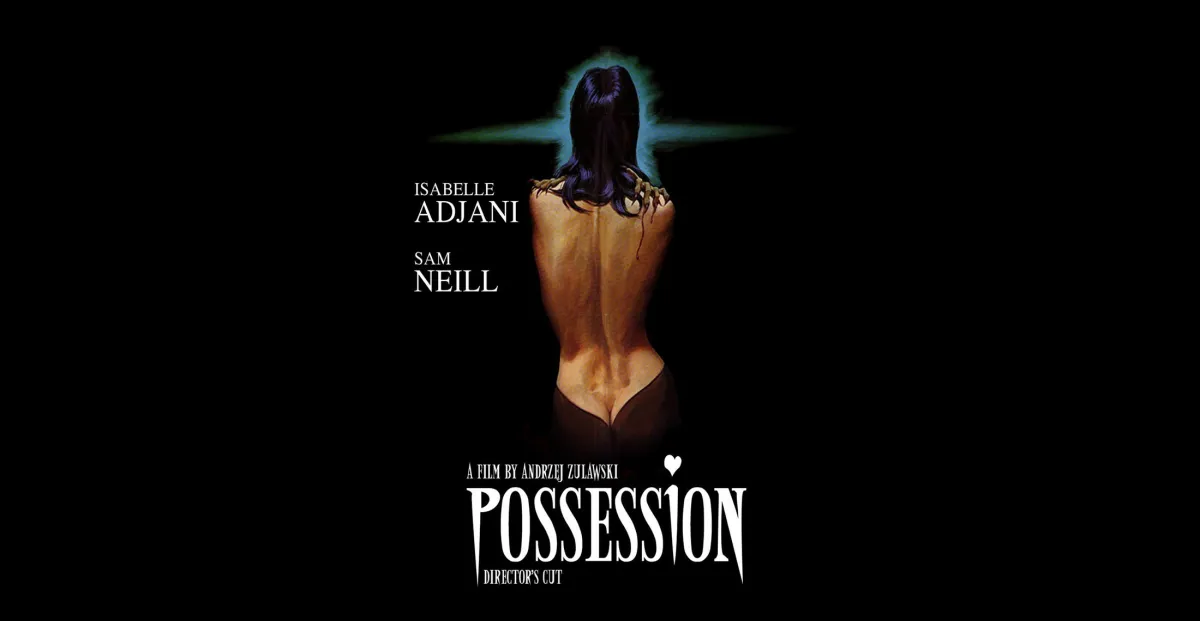
Don’t Miss Out: The Mind-Bending Cult Classic ‘Possession’ Is a Must-See for Young Tech Fans

The Future of Tech Innovation: Disruption on the Horizon

In an era marked by rapid technological advancement, companies like OpenAI, Tesla, and Google are pushing the boundaries of perception, transforming the landscape of artificial intelligence, transportation, and online services. These firms exemplify how relentless innovation fuels disruption, forcing industries to adapt at an unprecedented pace. For the analytical minds at Gartner and MIT, this wave of change signals a fundamental evolution—one that prioritizes agility, sophistication, and market redefinition.

At the forefront of this disruption is the emergence of autonomous systems and generative AI, fundamentally altering how businesses operate and compete. OpenAI’s GPT models demonstrate how artificial intelligence can augment human decision-making, streamline operations, and even redefine content creation. As Peter Thiel highlights, such innovations threaten legacy industries by lowering barriers to entry and democratizing access to advanced tools. Meanwhile, Tesla’s autonomous vehicle technology exemplifies hardware-software confluence that challenges traditional automotive paradigms, opening new avenues for consumer value and business scalability.

Yet, the implications extend beyond mere disruption. Industry incumbents must reevaluate their strategies or face obsolescence. The disruption driven by these innovations exemplifies a broader trend: the erosion of monopolistic complacency. For young innovators and startups, these breakthroughs represent unique opportunities to carve out market share in a landscape that is increasingly unsettled by disruptive entrants. As industry analysts warn, delay in adaptation could lead to marginalization as new tech giants rise.

Looking ahead, the relentless march of innovation prompts a crucial question: how will traditional business models respond to this seismic shift? The future belongs to those who embrace disruption—not resist it. Investments in R&D, agile product development, and strategic foresight will be essential to navigate this tumultuous terrain. As the world quickly pivots toward this new paradigm, the urgency cannot be understated. Tech leaders, policymakers, and entrepreneurs must act decisively, harnessing the disruptive power of next-generation technologies to secure a competitive edge in the digital age.

Legendary Actor Bud Cort of Harold and Maude Passes Away at 77 — A Lasting Influence on Film and Youth Culture

In an era where culture serves as both mirror and compass for society, the life and work of Bud Cort remind us of the enduring power of art to shape identity and reflect the depths of human experience. Best known for his role in Harold and Maude, Cort epitomized a certain countercultural sensibility, one that challenged conventional notions of life, death, and societal expectations. His portrayal of a death-obsessed youth who forms a poignant relationship with an older woman resonated deeply, becoming a symbol of authenticity and the refusal to conform — traits that are the bedrock of cultural vitality in the face of societal homogenization.

What makes Cort’s legacy particularly compelling is not merely his acting talents but his embodiment of a philosophy of cultural resistance. As the philosopher Ortega y Gasset argued, every culture is a collective effort to confront the chaos of existence through shared symbols and narratives. Cort, through his nuanced performances, injected a dose of rebellious reality into popular cinema, pushing against the dull narratives of conformity. Despite an initial lukewarm reception, Harold and Maude was later celebrated as a quintessential example of how authentic art inevitably triumphs over superficial trends, mirroring Tocqueville’s insights that democratic societies flourish when rooted in enduring cultural traditions that foster individual expression and moral resilience.

Throughout his career, Cort’s ability to oscillate between comedic and profound roles exemplified a broader cultural truth: that the soul of a society is often revealed in its willingness to explore the fringes, to celebrate those who see the world differently. His rejection of the role in One Flew Over the Cuckoo’s Nest signals a conscious effort to preserve his artistic integrity, recognizing that true culture demands a steadfast commitment to originality rather than fleeting fame. In an age where cultural orthodoxy often stifles genuine expression, Cort’s resistance becomes a testament to the importance of maintaining the integrity of cultural memory — a living archive that both preserves the past and guides us into the future.

As T.S. Eliot famously wrote, “We shall not cease from exploration, and the end of all our exploring will be to arrive where we started and know the place for the first time.” In this light, Bud Cort’s life embodies a poetic dialogue between memory and prophecy, reminding us that the enduring value of culture lies in its ability to preserve humanity’s collective soul while illuminating new spiritual horizons. Culture, after all, is neither merely entertainment nor tradition; it is our very essence — the echo of our ancestors and the beacon for generations yet unborn, whispering softly that human life, with all its passions and contradictions, is ultimately a sacred ongoing story waiting to be told.

A New Beginning for Sundance: Fresh Perspectives and What’s Ahead for the 2026 Film Festival

The Evolving Spirit of Sundance: A Reflection on Culture, Identity, and the Promise of New Horizons

Once heralded as the heart of independent American cinema, the Sundance Film Festival has long embodied more than mere entertainment; it is an emblem of cultural authenticity, tradition, and societal identity. Founded by the iconic Robert Redford, Sundance was initially a celebration of the rugged frontier spirit, a platform for filmmakers who dared to challenge the mainstream and craft stories rooted in authenticity and local color. As Ortega y Gasset observed, “A culture is the incarnation of the ideals, troubles, aspirations, and contradictions of its people.” Sundance’s identity has always been intertwined with this philosophy—an ongoing dialogue between art and life, challenging the uniformity of Hollywood and fostering the distinct voices that shape a nation’s soul. As the festival shifts from Park City to Boulder, questions arise about whether this migration signifies a recalibration of cultural priorities, or a necessary evolution in an era demanding resilience and reinvention.

The festival’s historical relevance extends beyond the arts into the very fabric of societal change. It has historically celebrated films that grappled with American values, social justice, and identity politics, echoing Tocqueville’s insights on the importance of local cultures as the foundation of democracy. Films like Little Miss Sunshine or Whiplash serve as milestones—not just for their cinematic artistry but for their reflection of American resilience and the unyielding pursuit of excellence amidst adversity. Yet, today’s Sundance faces a paradox: while technological advancements have democratized film production, making independent filmmaking more accessible, access to distribution and slots in the festival are tightenings of a gate increasingly guarded by economic interests and corporate financiers. This shift underscores Gasset’s assertion that culture, once a collective expression, is now often filtered through economic and ideological lenses, risking the dilution of authentic voices in favor of market-driven narratives.

The Cultural Shift: From Authenticity to Commercial Opportunism

Recent years have witnessed a transformation, wherein the historic Sundance ideal—an incubator for raw, unpolished stories—has become entangled with the commercial pursuits of streamers and studios. The festival now often reflects a stratification: the real films that challenge convention and inspire discourse, versus those crafted within a calculated, factory-like process aimed at pleasing a broad, attention-starved audience. Philosophers like Chesterton warned of the danger of losing sight of the true in pursuit of the merely entertaining, and modern Sundance seems caught at this crossroads. The remarkable success of films like Josephine, which tackles harrowing subjects with originality, exemplifies the enduring relevance of art that speaks to the human condition beneath the veneer of commercial appeal. Such films remind us that culture is the memory of society and the prophecy of its future, a prophetic voice echoing through the shadows of contentious and uncomfortable truths.

As critics and audiences grapple with shifting tastes, the festival’s market dynamics reveal an underlying tension: the blurred lines between artistic integrity and financial viability. The absence of broad studio backing and limited sales post-festival reflect a conservative climate, where risks are minimized, and content is scrutinized through the lens of profitability. Yet, hope persists in the form of genuine cinematic art—films like Josephine—a film that not only confronts a tough subject yet does so with profound originality—embodying the quintessential Sundance spirit: challenging, daring, and purposeful.

Looking Forward: A New Horizon for Sundance and Society’s Cultural Mission

As Sundance prepares to relocate to Boulder, echoes of historical parallels resonate: just as great movements in art and thought have sought new ground—be it the Renaissance’s movement from Florence to Venice or the Harlem Renaissance’s cultural revival—so too must the festival redefine its cultural mission. The debate surrounding what Sundance should be—an incubator for authentic storytelling or a marketplace of commercially viable content—reflects a broader societal inquiry: what is the role of culture in forging identity and guiding society? To quote T.S. Eliot, “The progress of an artist is a continual self-sacrifice,” emphasizing that true cultural progress requires sacrifice, honesty, and resilience. The festival’s move offers an opportunity not merely for geographical change but for a renewal of purpose—balancing the demands of visibility and commerce with an unwavering commitment to the truthful and original voices of tomorrow.

In the end, culture remains a vital thread linking our past and future—a tapestry woven with memory, hope, and prophecy. Sundance, in its evolving form, may yet remind us that the true power of cinema lies not in its commercial success but in its ability to mirror humanity’s deepest struggles and aspirations. As we stand on the cusp of this new chapter, the enduring question remains: will we heed the wisdom of our cultural memory and listen for the prophetic voices whispering from the shadows? Perhaps, in their echoes, lies humanity’s most profound future—an enduring testament that from the ashes of change rises the future of art and identity intertwined in the sacred dance of tradition and innovation.

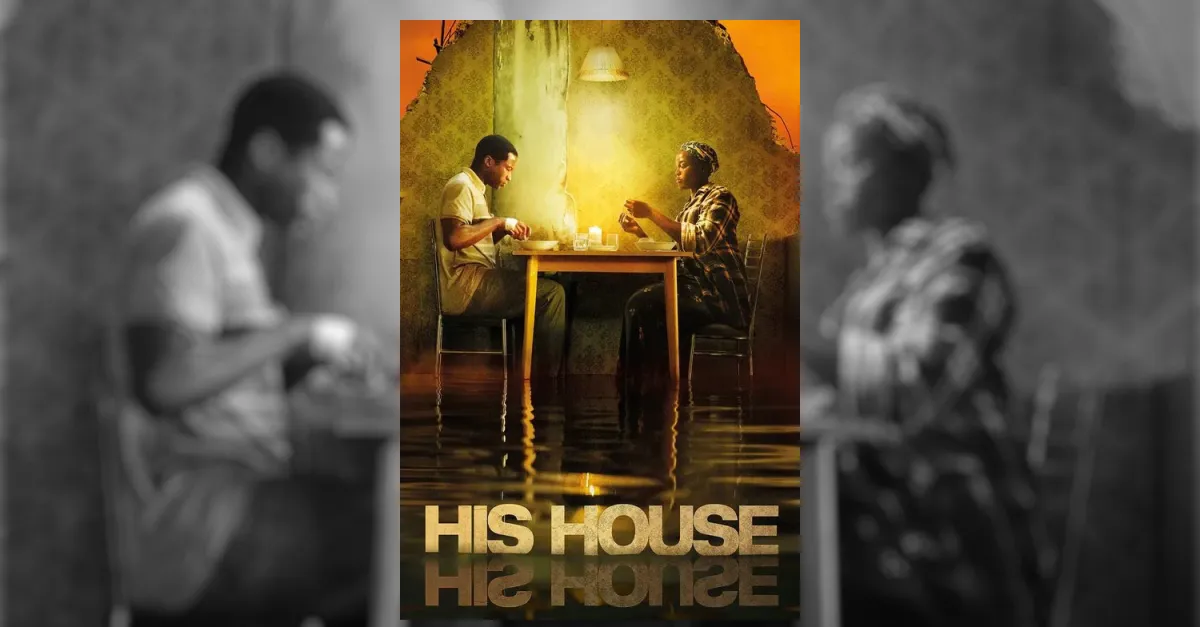
Don’t Miss Out: His House Is the Modern Horror That’s Redefining Fear for a New Generation

Tech Industry on the Brink: AI and Disruption Reshape Business Landscape

The technology sector is witnessing unprecedented levels of *innovation* and *disruption* driven primarily by advancements in artificial intelligence (AI) and machine learning (ML). Ambitious companies and visionary entrepreneurs, such as OpenAI and Google, are pushing boundaries to redefine what machines can accomplish. According to Gartner’s latest forecast, AI-driven automation will transform nearly 50% of all business processes within the next five years, signaling a fundamental shift in how organizations operate. This surge in AI capabilities isn’t just incremental—it’s revolutionary, fostering an environment where rapid scalability and real-time decision-making become the norm.

One of the most significant industry shifts lies in generative AI models, which are enabling capabilities once considered science fiction—such as human-level content creation, autonomous decision-making, and personalized interactions at scale. OpenAI’s GPT-4 exemplifies this evolution, with analysts highlighting its potential to displace traditional content and service industries, from journalism to customer support. Such innovations are expected to diminish barriers for startups, fostering a new wave of *disruption* that could challenge established giants like Microsoft and Amazon to adapt or face obsolescence.

However, with disruptive technology comes both opportunity and risk. Industry leaders such as Elon Musk and Peter Thiel warn of the *emerging ethical and regulatory challenges* that could hamper AI’s transformative power. Their insights underscore the need for proactive governance structures, lest unchecked AI development amplify biases or create unintended consequences. Nonetheless, the *business implications* are clear: organizations that leverage AI effectively will gain a decisive competitive edge, while those slow to adapt risk being rendered irrelevant.

Looking ahead, *the landscape of innovation is poised for even greater upheaval*. MIT researchers forecast that integration of AI with emerging technologies like blockchain and quantum computing will multiply the disruptive potential tenfold. Industry insiders predict that within the next decade, markets will see *entire sectors—finance, healthcare, transportation—completely reimagined.* As disruption accelerates, entrepreneurs awakening to these shifts must act swiftly, or risk being left behind in a rapidly evolving technological ecosystem. The future is not just approaching—it is here. The question remains: how quickly will organizations harness these emerging technological frontiers to secure their place in tomorrow’s economy?

Netflix secures victory in Warner Bros. bidding war—tech giants shake up the entertainment game

Netflix’s Strategic Push into Hollywood: A Paradigm Shift in Content and Business Models

In a move that could redefine the entertainment landscape, Netflix is reportedly considering acquiring Warner Bros. and its associated assets, including HBO Max. While the deal faces imminent regulatory hurdles, notably opposition from the Department of Justice, industry insiders suggest that if approved, this acquisition could trigger a seismic shift in how streaming giants operate within traditional Hollywood frameworks. Such an integration would place Netflix at the helm of one of the oldest and most influential film studios, fundamentally altering existing distribution, production, and theatrical paradigms.

From an innovation perspective, this move signals a disruption of the conventional content supply chain. Historically, Netflix has prioritized digital-first distribution, avoiding involvement in theatrical releases and traditional studio operations. The potential transition into studio management would allow Netflix to leverage its data-driven approach to content creation while integrating theatrical releases into its ecosystem. This strategic positioning could enable the company to compete directly with legacy studios by controlling more of the content lifecycle—from production to consumer. Such vertical integration aligns with industry trend forecasts from Gartner and MIT, which emphasize the importance of disruptive consolidation as a way to leverage big data and cutting-edge AI for content optimization and personalized marketing.

The implications for the broader industry are profound. A successful acquisition not only disrupts the traditional Hollywood power balance but could accelerate the consolidation of media assets across emerging digital platforms, forcing competitors to adapt or face obsolescence. Analysts like Peter Thiel have long argued that such disruptive business models fuel innovation by creating new avenues for revenue and consumer engagement. If Netflix can integrate large-scale theatrical content, it may gather a significant competitive advantage—offering consumers a seamless experience that combines the best of traditional cinema and digital streaming, accelerating the metamorphosis of the entertainment industry.

Business Implications and Future Outlook

The potential acquisition underscores how disruption in the tech and entertainment sectors is accelerating, with major players seeking to reinvent their roles within the evolving ecosystem. While regulator concerns and antitrust scrutiny are significant hurdles, industry insiders suggest that the strategic value of owning a legacy studio—combining creative control with data-driven insights—could outweigh regulatory obstacles in the long term. This move may also set a precedent for vertical integration, inspiring other tech giants, such as Apple and Amazon, to pursue acquisitions that further blur the lines between content creation and distribution.

Looking ahead, the industry faces an imperative to innovate rapidly in response to consumer demand for high-quality, multi-platform content. Executives, investors, and creators must recognize that disruption is now a strategic necessity. As Netflix potentially steps into a new role as a Hollywood studio powerhouse, the entire media landscape remains on the cusp of profound transformation—one that demands agility, strategic foresight, and an unwavering commitment to pushing the boundaries of entertainment technology. The future belongs to those who can harness the power of innovation amidst regulatory challenges, seizing opportunities to reshape cultural consumption in ways previously thought impossible.

Sydney Sweeney Reflects on US Box Office Setback for Boxing Film: “Art Isn’t Just About the Numbers”

In an era marked by an unsettling disconnect between social aspirations and cultural expressions, the recent box office failure of Christy, a biopic about trailblazing boxer Christy Martin, underscores a broader truth about the role of culture in shaping our collective identity. Sydney Sweeney’s earnest effort to spotlight a story of survivorhood, courage, and hope resonates with a timeless human truth: culture is both memory and prophecy of humanity. Just as Ortega y Gasset emphasized the importance of the vital spirit of a people in shaping their destiny, so too does the modern cultural apparatus reflect the underlying struggles and aspirations of society. Culture, in this way, becomes more than mere entertainment; it becomes the vessel through which we understand ourselves and envision our future.

The film, despite its mixed critical reception, endeavors to echo themes deeply rooted in societal values—resilience in the face of domestic violence, the rise from humble beginnings, and the fight for recognition in a male-dominated arena. Like the Romantic movement that sought to elevate individual heroism over the mechanical monotony of industrial progress, Sweeney’s portrayal of Christy Martin symbolizes the assertion of female agency in a societal landscape often reluctant to acknowledge and nurture it. The cultural critic G.K. Chesterton famously observed that “art, like faith, must be pitched on the level of men’s highest hopes”—a reminder that true art challenges society to aspire to nobler ideals. Even if Christy struggles at the box office, its impact persists as part of a larger cultural dialogue about values and the resilience of the human spirit.

Correspondingly, the struggle of adult-oriented dramas at the box office, such as Die, My Love and Deliver Me From Nowhere, reflects a shifting cultural landscape where escapism often trumps reflection. Yet, the perseverance of these stories on festival circuits and in critical circles reminds us of Tocqueville’s warning about an enduring American bedrock: a thirst for meaning and authenticity amidst the consumer-driven pursuits of modern life. Just as T.S. Eliot wrote of the old wisdom manifesting anew in poetry and tradition, contemporary artists and storytellers serve as the custodians of cultural memory, whispering through their works what society refuses to confront openly. They affirm that culture is a continual act of forging identity amid chaos, history, and hope.

As we stand in a moment where cultural production often appears transient, fleeting, or disconnected from the core values that define us, the poetic truth remains: culture is both memory—an archive of human experience—and prophecy—a blueprint of our possible future. The stories we tell, whether triumphant or tragic, are woven into the fabric of human destiny; they hint at what we cherish and what we fear. To heed this silent song is to recognize our shared role as both creators and custodians of our cultural legacy, forging continuity from the ashes of the past and pathways toward what is yet to come. In this delicate dance of memory and prophecy, culture finds its transcendent purpose: to be the voice of our highest aspirations and the echoes of our deepest truths, long after the lights have dimmed and the curtains fall.

Amazon pantses Bond fans by zapping guns from iconic art DOI: amazon removes guns from James Bond images

Amazon’s Latest Move in Branding Sparks Industry-Wide Disruption and Industry Shifts

In a striking demonstration of technological innovation and cultural influence, Amazon recently unveiled updated poster art for the classic James Bond franchise in celebration of James Bond Day. However, what was intended as a nostalgic homage quickly ignited controversy within the fanbase and industry circles alike. The most notable change was the conspicuous removal of Bond’s signature Walther PPK pistol from the posters, showcasing a deliberate shift towards more sanitized, gun-free branding. This move exemplifies an emerging trend within the tech and entertainment sectors where content personalization and cultural sensitivities are increasingly prioritized—often at the expense of tradition and risk-taking.

Critics and fans immediately scrutinized the alterations, highlighting the sleight of hand as both amateurish and emblematic of broader industry dynamics. Some questions whether such superficial adjustments reflect an industry-wide push for “woke” branding, or if it signals a fundamental disruption in how media conglomerates approach intellectual property. Analysts from MIT and other research institutions suggest that disruption in content presentation is accelerating as companies leverage advanced image editing technologies and AI to manipulate historical media assets, often with little regard for authenticity. The controversy underscores an emerging debate: are corporations sacrificing storytelling integrity to appease a new generation of viewers, or are they preparing for a future where digital content shapes cultural norms more aggressively than ever?

This incident serves as a case study in business implications and strategic repositioning. Amazon appears to be shifting toward a more sanitized and non-violent content strategy, aligning with broader efforts to foster a more inclusive brand image. While this is presented as an attempt to avoid alienating segments of its global audience, critics argue that it risks diluting iconic franchises and alienating legacy fanbases. Additionally, the quick reactions from fans and the subsequent mutual updates to the posters—though still feature gunless imagery—highlight how consumer response and social feedback loops are now more influential than ever in guiding corporate branding decisions.

Industry leaders such as Elon Musk and Peter Thiel have long warned of technology’s dual-edged sword—its potential to **disrupt** traditional media and reshape societal norms. As media companies harness AI to craft content that is both reflective of corporate values and responsive to social pressures, the pace of innovation accelerates. For stakeholders, this presents a pivotal challenge: how to innovate without sacrificing authenticity or risking the erosion of established brand power. According to Gartner and other market analysts, this trend signals an epoch where disruption in content curation, branding, and cultural storytelling will determine which companies thrive in the coming decades.

Looking ahead, the implications extend beyond mere poster edits. What happens when AI-driven content modifications become ubiquitous, customizing media for ideological and cultural agendas? Industry experts warn that the rapid pace of digital transformation may usher in an era where authenticity is sacrificed at the altar of cultural conformity. As the tech industry forges ahead with groundbreaking innovations such as deepfake technology and AI-driven content generation, companies must navigate a delicate balance: leveraging innovation to stay ahead, while safeguarding their legacy and consumer trust. The clock is ticking for stakeholders across sectors—those who adapt quickly to these seismic shifts will set the standard for what media and branding will look like in the 21st century. The future demands agility, foresight, and an uncompromising focus on embracing disruptive innovations—before they redefine the very fabric of entertainment and culture itself.

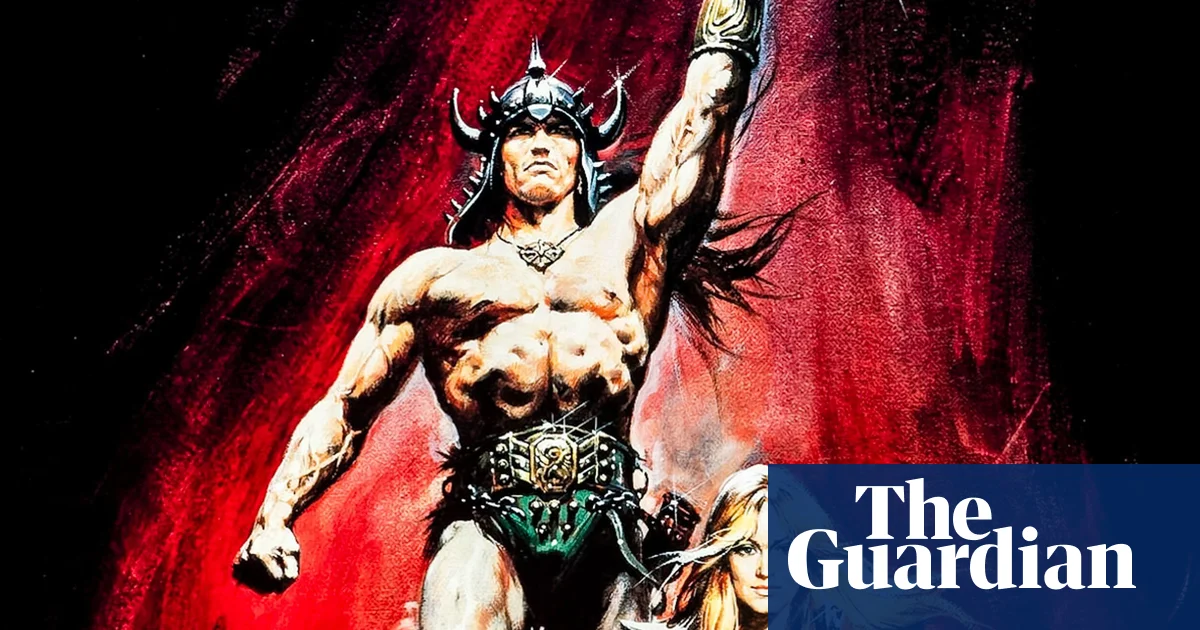
From Fistful of Dollars to Rambo: Celebrating Renato Casaro’s Legendary Movie Posters — A Visual Tribute

In the contemporary landscape of visual culture, few names resonate with the weight of Renato Casaro. His passing at age 89 marks the end of an era where artistry in film promotion was handcrafted, imbued with a soul that digital transformations have often threatened to erase. Casaro’s work represented more than mere promotional material; it was a testament to the enduring power of image-making rooted in tradition, craftsmanship, and the cultural dialogue between cinema and society. By elevating the heroic stature of icons such as Arnold Schwarzenegger and Sylvester Stallone, Casaro lent a mythic aura to modern heroes—echoes of classical heroism reimagined for the heroic age of postwar America and the cultural manifestations of strength, valor, and resilience.

This tradition of handcrafted poster art, a symbol of cultural memory and societal aspiration, encapsulates what Ortega y Gasset might have viewed as the way in which art manifests the collective spirit. As studios transitioned to digital tools in 1998, the tactile and visceral qualities of Casaro’s work began to fade, yet his influence remains a vital marker of cultural heritage. It is not merely about aesthetics but about the role of art in shaping identity and societal values. When Casaro returned to craft posters for Quentin Tarantino’s Once Upon a Time in Hollywood, it signaled a conscious return to that romantic, heroic mythmaking—a refusal to surrender entirely to digital repetition and superficiality.

Throughout history, critics like Chesterton have championed the idea that culture is a battleground for meaning; it is where tradition confronts innovation, where memory solidifies into societal identity. The cultural critic Christopher Lasch argued that in an age of relentless progress, it is the memory of the past that anchors societal coherence. Casaro’s posters, vibrant with heroism, did precisely that—they connected audiences to a shared mythos, imbuing cinematic images with a symbolic purity that transcends the fleeting nature of trends. As Tocqueville warned, the preservation of cultural identity is vital in a democratic society—where uniformity often threatens the uniqueness of tradition. Casaro’s work exemplified the human desire for heroism rooted in tradition, a rallying cry for a society that seeks meaning through its cultural icons.

In the end, the significance of figures like Casaro extends beyond their craft; they serve as custodians of a collective memory and prophecy. Their creations, like the finest poetry or philosophy, remind us that culture is both a reflection of what we are and a vision of what we might become. The tapestry of human history, woven with images and stories, calls us to consider that our deepest identity lies not just in the present but in the echoes of the past and the possibilities of the future—a future illuminated by the enduring light of cultural memory, shining brightly like a hero’s silhouette against a great, timeless horizon.

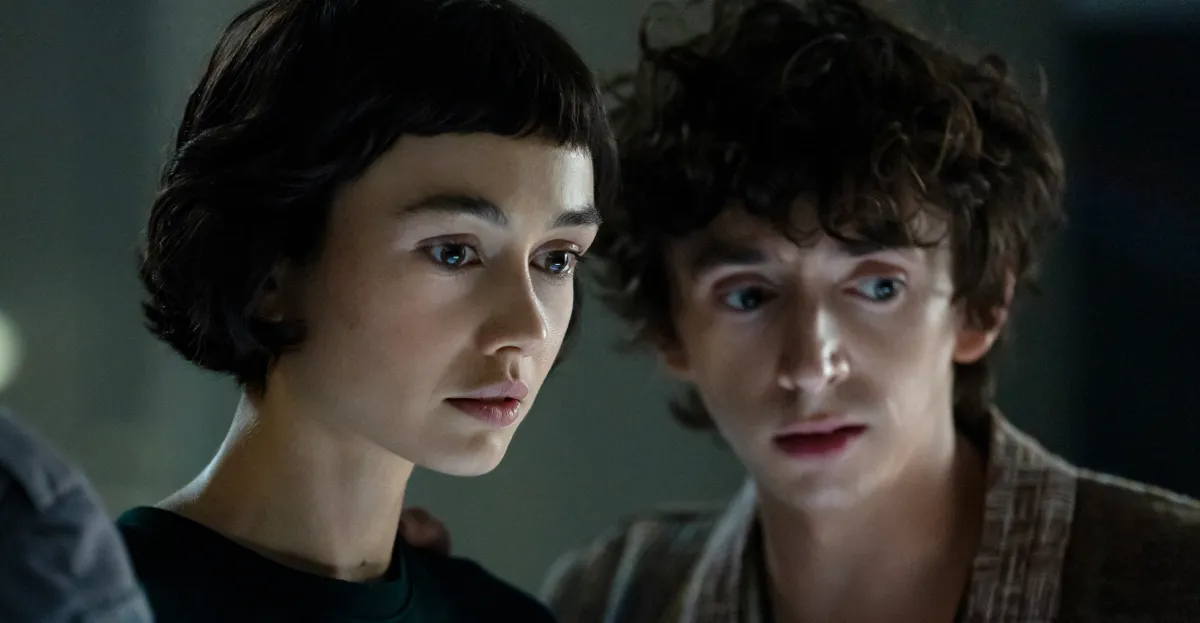
‘Alien’ Showrunner Says Earth’s Dark Reflection Was the Goal for Season 1

Innovative Disruption in the Alien Franchise: A Reflection of Contemporary Technological and Societal Shifts

The latest installment in the Alien series—Alien: Romulus—continues to redefine the boundaries of science fiction storytelling, illustrating a deliberate pivot towards exploring synthetic beings and youth-centered narratives. Showrunner Noah Hawley’s approach signals a notable disruption in franchise storytelling, emphasizing innovation through perspective shifts that resonate deeply with contemporary societal anxieties. The series’ pivot aligns with trends analyzed by institutions such as Gartner, which forecast a sustained growth of AI-driven narratives and synthetic characters as central elements in future entertainment and branding ventures.

What distinguishes this new era of disruptive storytelling is the way it integrates technology, morality, and geopolitics. Hawley’s keen focus on the moral horror of children confronting life-and-death decisions—exemplified in their roles in the series—mirrors broader societal concerns over escalating online exposure of youth to adult spheres. This storytelling device reflects real-world trends where children are thrust into complex digital environments early on, leading to profound implications for societal norms, cybersecurity, and ethical AI development. Industry analysts from MIT have emphasized that this narrative shift could press tech companies and policymakers to rethink the “containment” of AI risks, as AI and synthetic characters become more autonomous and unpredictable.

Technological Innovation and Business Implications in AI Content

The series’ emphasis on synthetic beings and AI-human interactions signifies a new frontier with substantial business implications. Major entertainment players are now investing in AI-powered storytelling—such as deepfake technology, interactive narratives, and virtual actors—aiming to create immersive experiences that are both engaging and cost-effective. The rise of hyper-realistic AI characters demands that traditional entertainment stakeholders adapt rapidly; those who fail risk becoming obsolete in a marketplace that increasingly favors personalized, on-demand content. Businesses leveraging these innovations will need to navigate regulatory frameworks and ethical considerations, especially as platforms face pressure to ensure AI transparency and prevent misuse.

Grand visions from industry leaders like Elon Musk and Peter Thiel corroborate the disruptive trajectory, emphasizing that AI and synthetic characters will soon dominate entertainment, marketing, and even social interaction. The technology’s milestone—such as GPT-5 and advanced neural interfaces—will accelerate this trend, pushing the boundaries from scripted entertainment to emergent AI-driven worlds where virtual characters formalize new forms of social organization and conflict. Executives and investors are advised to monitor these innovations closely, for they may herald an era where the distinction between reality and simulation blurs, demanding new business models and regulatory paradigms.

Future Outlook: A Call to Urgency and Innovation

As the Alien franchise grapples with the moral and societal implications of synthetic intelligence, industry leaders and policymakers must recognize the critical urgency of proactive engagement with AI safety and policy. Hawley’s exploration of global power struggles and technological hazards signals that the leap before you look approach—seen both in show narratives and real-world AI development—poses profound risks and opportunities. The future belongs to those who innovate boldly, but with caution, ensuring that the disruptive power of AI serves societal good rather than unforeseen chaos.

In an era where technological advancement accelerates at an unprecedented rate, the warning signs are clear: the window to shape AI’s trajectory is closing fast. Stakeholders—whether in entertainment, tech, or governance—must act swiftly to harness this disruptive wave, channeling innovation into creating a resilient, ethically grounded future. The next decade promises transformative change; those who lead the charge today will define the legacy of tomorrow’s technological landscape.

Social Media Auto Publish Powered By : XYZScripts.com