Matox News

Truth Over Trends, always!

What Are Your Thoughts on Emerald Fennell’s Films Like ‘Saltburn’ and ‘Wuthering Heights’?

In an era where the cultural landscape is increasingly shaped by the disruption of traditional norms and the relentless pursuit of novelty, cinema emerges not merely as entertainment but as a mirror of society’s deepest currents. Filmmakers like Emerald Fennell, whose works oscillate between excess and incisiveness, exemplify the vital way in which art reflects ongoing cultural shifts—highlighting that the meaning of a film extends beyond its narrative to encompass our collective identity, morality, and societal values. Fennell’s latest take on Brontë’s timeless “Wuthering Heights” exemplifies this: a feverish, sensory journey that refuses to conform to the tidy constraints of adaptation while channeling the raw passions that define human history itself.

Her films, as critics have noted, operate on a visceral level—streaming with a dream logic that sways between ecstasy and nightmare, echoing Ortega y Gasset’s assertion that culture is a vital act of creation. Yet, these works are not mere aesthetic exercises; they serve as indictments of the superficiality and moral complacency that threaten our societal fabric. Take her “Saltburn,” which, cloaked in the grandeur of the British “great house” genre, deconstructs the illusion of transcendence found in wealth and class. It’s a pointed reminder that, much like Tocqueville’s exploration of democracy’s paradoxes, a society’s veneer can often mask lurking inequalities and moral rot—revealing that beneath the ostentatious facades lie the same passions and vices that have always driven human civilization forward.

Fennell’s films attest to a truth emphasized by G.K. Chesterton: that excess, when wielded with intentionality, can serve as a form of moral philosophy. Her visual decadence, from Cathy’s skin-mimicking boudoir to the over-the-top interiors of the “great house,” isn’t gratuitous but symbolic — a reflection of our civilization’s obsession with surface over substance. She loves to challenge the viewer’s comfort, pushing the boundaries of genre just as Beethoven pushed classical forms—knowing that culture is both a repository of memory and a prophecy of the future. As we watch her films—part morality play, part carnival—what lingers is not merely the spectacle, but the reminder that human desire and societal decay are inextricable. Culture, after all, is the canvas on which history’s ageless passions are painted, a testament to the enduring resilience of human spirit and its continuous search for transcendence amid chaos.

7 Killer Horror Films That’ll Make You Glad You’re Flying Solo

Horror Movies: The Unexpected Cultural Statement for Today’s Single Youth

In a world driven by relentless streaming and cultural shifts, a fascinating redefinition of horror has emerged—one that resonates particularly with America’s single and youthful demographic. Traditionally, horror has been the domain of monsters, supernatural scares, and post-apocalyptic chaos. But lately, we see a cultural pivot: horror films now also serve as reflections of modern social dynamics, especially for those navigating the complex terrain of being single. Movies like It Follows, Get Out, and Ready or Not have tapped into the subconscious fears and societal attitudes surrounding independence and solitude, transforming horror into a social commentary as much as a thrill ride.

Within this context, the cultural impact is profound. These films aren’t just about scares—they embody the social anxiety of modern romantic and social relationships. Influencers and sociologists alike recognize a trend: the younger generation, often labeled as “digital natives,” increasingly find their social reality intertwined with themes of fear of rejection, societal pressure, and the unknown. For instance, the viral popularity of It Follows isn’t just about the supernatural entity—it symbolizes the dread of emotional baggage, transmitted not through sex but through the fear of intimacy itself. Similarly, Get Out mirrors the societal fears of assimilation and racial tension, becoming a modern myth that amplifies societal apprehensions through a horror lens.

  • It Follows: An allegory for the stress of dating and the fear of emotional attach ment.
  • Get Out: A reflection of societal fears about race, identity, and the nervousness of meeting new family members.
  • Ready or Not: The paranoia surrounding in-laws, tradition, and the illusion of safety within familial ties.

Building on this, many social analysts note that these films have a shared social relevance: they validate the fears of a generation that often feels overwhelmed by the pressures to conform, find “the one,” or even just date without repercussions. Viral influencers have started using these movies as part of their online narratives, turning horror into a form of *lifestyle protest*—an expression of independence and the rejection of societal expectations. The social relevance of this trend isn’t lost on brands either, as streaming services and streaming-oriented brands like Fandango and Prime Video increasingly cater to this demographic with curated horror collections and social media campaigns that emphasize a “single and fearless” lifestyle.

As these movies flood social feeds, a more profound question emerges: Are horror films now serving as a mirror of the societal sovereignty of single youth? They challenge the assumptions about relationships, turning fears into a form of cultural identity. These films are not just entertainment—they are messages, alliances, and even subtle acts of rebellion. The next big question: will this cinematic trend evolve into a broader cultural movement that redefines how society views independence, fear, and social connection in the digital age? Perhaps, as social media continues to amplify individual narratives and new social norms, the horror genre might just become an important lens through which we understand the future of social identity among youth—single, fearless, and forging their own paths in a spooky, yet intriguing world.

Must-See Films for Your Valentine’s Day—Whether You’re Team Love or Team Independence

In an era where the chaos of modernity threatens to erode the bedrock of tradition, culture remains a vital force in shaping collective identity. It acts as both memory and prophecy—an enduring archive of our past and a blueprint for what we might become. As historian Tocqueville observed, liberty is inseparable from the cultural virtues that sustain it. From the classics to contemporary works, culture embodies our shared values and aspirations, anchoring us in the timeless narrative of human civilization. Today, this narrative is under assault, yet it is precisely within the realm of art, film, and storytelling that we find the most potent resistance—a reflection of our enduring desire to understand ourselves and our destiny.

Consider the grotesque charm of Sam Raimi’s “Drag Me to Hell”, a film that exemplifies how modern horror can serve as a mirror to societal fears. This 2009 cult favorite transforms the ostensibly mundane act of a young woman denying an extension into a supernatural nightmare, illustrating that our moral decisions—big or small—carry weight beyond immediate comprehension. The film’s ending, which subverts the romantic comedy trope of happy endings, reminds us that refusal to confront our mistakes can lead us into a darkness from which there is no escape. Raimi’s work, like the writings of Chesterton, underscores the importance of moral clarity and the dangers of complacency in a society that often prefers the comfort of superficial narratives over profound truth.

On a different, yet equally compelling, note is “Waiting to Exhale”. While ostensibly a film about the romantic lives of four women, its true significance lies in the affirmation of self-reliance and cultural integrity amid romantic chaos. Angela Bassett’s fiery fury in the iconic scene—torching her unfaithful husband’s car—becomes a symbol of asserting one’s dignity against betrayal. It echoes the timeless message that culture is also a fortress of identity, an assertion of self in the face of external chaos. The film’s emphasis on caring for oneself before seeking fulfillment elsewhere aligns with the philosophical depths explored by Ortega y Gasset—that authentic life begins with a rooted sense of self, cultivated through the preservation of tradition and community. Culture, in this sense, is the act of defending the soul against modern erosion.

Furthermore, the bleak but honest portrayal of aging and loss in “Amour” and “Manchester by the Sea” serve as stark reminders that life’s tragedies are woven into the fabric of our cultural experience. These films illustrate how suffering, while painful, becomes a vessel for deeper understanding and resilience—values that underpin a society worth defending. As T.S. Eliot expressed, “The purpose of art is the amplification of human experience,” an idea that maintains its power amidst the darkness. These stories challenge us to confront the inevitable with dignity, reminding us that through suffering, culture both commemorates our past and illuminates future paths.

In conclusion, culture is not merely entertainment or tradition; it’s the living memory that defines who we are and the prophetic voice whispering what we might become. It anchors us in the enduring values that bind society together while offering a glimpse of the human potential that lies beyond tragedy and chaos. As if guided by an almost divine hand, the arts—through their stories of love, loss, resilience, and defiance—remind us that humanity is both the keeper of memory and the prophet of destiny, woven into the very fabric of existence itself. It is within this sacred domain—our shared culture—that we find both the roots of who we are and the seeds of what we shall become. And in that infinite dialogue between memory and prophecy, the human spirit continues its timeless journey.

Must-See Films forValentine’s Day Enthusiasts—and Dissenters Alike

In an era where culture is often reduced to fleeting trends or superficial entertainment, it’s vital to recognize its deep, enduring power—an intricate tapestry that binds society to its traditions, values, and collective memory. Culture functions as both the mirror reflecting our origins and the prophecy of our future, a truth vividly illustrated through the lens of cinema’s most compelling works. From the grotesque irony of “Drag Me to Hell” (2009), directed by Sam Raimi, to the raw emotional honesty of “Waiting to Exhale” (1995), these films serve as cultural signposts, each capturing the soul of their respective epochs while speaking to the timeless human condition. They remind us that the stories we cherish and the narratives we craft are innately tied to our identity and societal evolution. As Ortega y Gasset famously declared, culture is “the collective memory of a people, a shared inheritance that guides our sense of self and community.”

The movies chosen not only entertain but also challenge the viewer to confront reality with a discerning eye. Take “A New Leaf” (1971), the caustic comedy brought to life by Elaine May. This film’s dark humor and cynical worldview align with a tradition of cultural critique that finds its roots in the skeptical writings of Chesterton, who extolled the importance of recognizing life’s absurdities and moral ambiguities. Similarly, “Amour” (2012), a profound meditation on aging and mortality by Michael Haneke, captures the relentless, often brutal march of time—a reminder that every generation faces its own chapters of decay and renewal. It echoes Tocqueville’s reflection on the fragility of human bonds and the perpetual tension between individual desires and societal obligations. These works underscore that culture is not merely entertainment but the moral and philosophical soil from which our society grows.

Furthermore, films like “Manchester by the Sea” (2016) offer a stark exploration of grief and resilience, illustrating how tragedy can shape character and community at their most vulnerable. Its heartbreaking confrontation—when Lee Chandler (played by Casey Affleck) meets his ex-wife—embodies a universal truth: our future as a society depends on our capacity to confront pain, learn from it, and forge meaning amidst chaos. Such cinematic portrayals resonate with the perspective of cultural critics like T.S. Eliot, who posited that genuine art emerges from the confrontation with human suffering, serving as a catalyst for both introspection and societal progress. They remind us that culture, at its core, is neither escapism nor superficial distraction but a vital act of memory and prophecy—a blueprint of human possibility.

In contemplating these films and their messages, it becomes clear that culture anchors us in our past while steering us toward our destiny. It molds our morals, reflects our struggles, and predicts our potential. As Chesterton once wrote, “The true critic is the man who can tell us not only what is wrong but also what is right.” It is through this critical lens that we might understand that our cultural expressions—be they films, literature, or art—are windows into the soul of civilization. They are both the echo of tradition and the echo of prophecy, whispering that humanity’s history is but a prelude to its future—a symphony of memory that shapes the horizon it is yet to explore. For in the end, culture is both the memory that sustains us and the future we dare to imagine—a timeless river flowing through the parched landscapes of time, forever carrying the hopes and fears of mankind toward the dawn of tomorrow.

Which iconic franchise will Trump revive next? After reintroducing Rush Hour, the next move in action and adventure films for a new era

In the contemporary landscape, the seat of cultural authority—once occupied by visionaries, playwrights, and philosophers—appears increasingly to be wrested by figures whose influence extends into the very fabric of society’s entertainment and perception. The recent obsession of Donald Trump with controlling and dictating cultural narratives, from his overt meddling in the media to his audacious interference in Hollywood productions, reveals a broader, unsettling truth: culture is no longer merely the reflection of a society’s values but a tool for asserting dominance over its collective consciousness. This phenomenon harkens back to the age-old question of cultural sovereignty—who shapes the stories we tell ourselves about ourselves?—a question that has profound implications for our identity, traditions, and societal cohesion.

Trump’s explicit desire to influence film production—demanding sequels to Rush Hour and Bloodsport—may seem trivial on the surface, but it signifies a deeper cultural fever. As Ortega y Gasset observed, “Man is himself a cultural product, and his destiny is entwined with the stories he believes are true.” When a leader interferes in the artistic domain, he effectively attempts to rewrite that story, shaping a version of reality where popular culture becomes a vessel for political affirmation. His favoritism for cinéma that panders with simplistic violence and juvenile humor—films that lack profundity but promise comfort—reveals a preference for entertainment that reinforces superficial notions of strength and toughness, traits historically associated with national pride and resilience. Such cultural choices matter because, as Tocqueville pointed out, democratic societies risk losing their sense of tradition and purpose when their cultural narratives are reduced to franchises and spectacle rather than shared values and history.

  • Highlights of this cultural shift include:
  • The waning influence of classical storytelling in favor of blockbuster spectacle
  • The erosion of societal cohesion through the trivialization of art and history
  • The resurgence—and in some cases, the distortion—of traditional heroism in popular media

Indeed, as Chesterton famously defended, “a tradition may be defined as an extension of the memory of a people.” When leaders and media moguls distort or trivialize this memory, they risk creating a cultural landscape that is chaotic and unmoored. The philosopher T.S. Eliot once argued that our cultural renewal depends on reconnecting with our roots—our narratives of triumph, tragedy, and moral resolve. In this context, the spectacle of a president advocating for a second or third installment of Shanghai Noon or Bloodsport is emblematic not merely of bad taste, but of a cultural decay where the highest ideals of society are replaced by noise, noise that masquerades as entertainment. It is a reminder that true cultural authority requires the stewardship of tradition, not the whims of a populist’s fleeting fancy.

In the end, culture remains both the memory and the prophecy of humanity—an intricate weave of remembrance and hope, of the stories that sustain us and the visions that propel us forward. Our task is to recognize that the stories we tell define us; that in preserving our cultural memory, we forge the moral compass that guides us through uncertainty. Because, in the silent poetry of history and art, there echoes a truth as old as time: we are what we remember, and in what we cherish, we shape what we shall become.

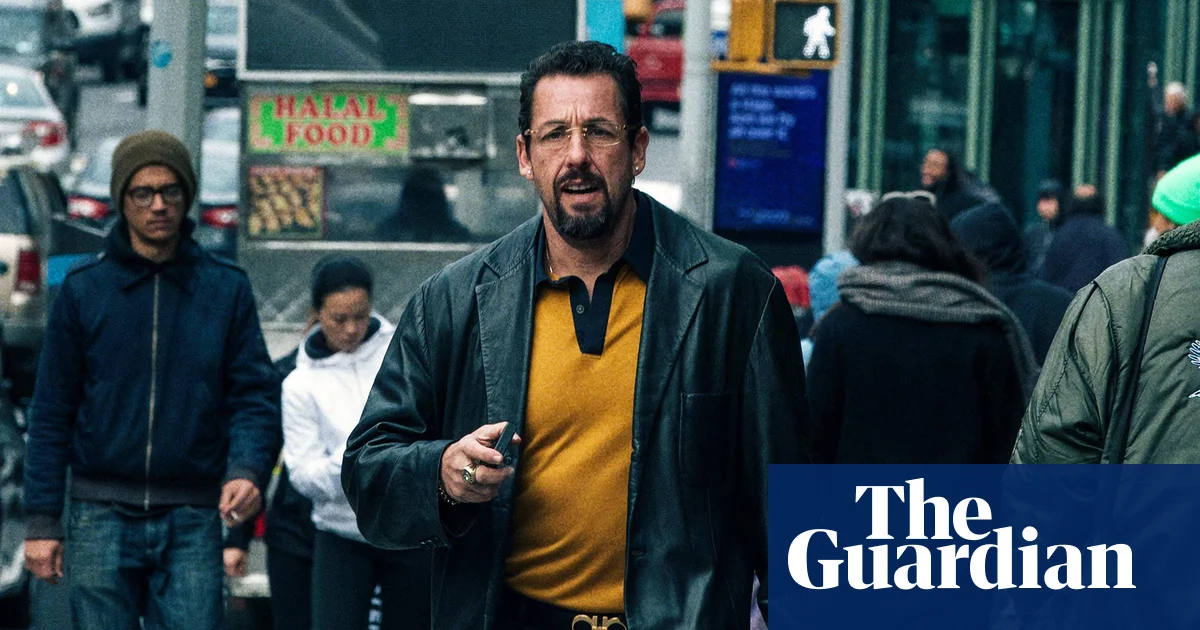
Guardian Critics Share Their Most Challenging Films: A Youthful Perspective on the Stressful Side of Cinema

At the heart of culture lies an unbreakable thread that weaves together identity, tradition, and the fabric of society itself. From the grandeur of classical art to the visceral immediacy of contemporary cinema, cultural artifacts serve as both mirrors and prophecies—illuminating who we are and hinting at who we might become. The films discussed above—ranging from psychological thrillers to biting social commentaries—demonstrate that our cinematic choices are not mere entertainment but vital expressions of our collective consciousness. They echo the philosophical observations of Ortega y Gasset, who believed that *”Man is the measure of all things,”* emphasizing that our cultural pursuits reveal the contours of our soul and the values we uphold.

Take, for example, the visceral intensity of Fall. This psychological thriller, with its breathtaking portrayal of human courage and fear, underscores that the confrontation with our limits is a quintessential human endeavor. In the film, the act of climbing a decommissioned tower becomes a metaphor—a daring ascent into the depths of one’s psyche and resilience. Such stories remind us that the pursuit of challenge and danger is intertwined with the human spirit’s quest for meaning. Films like these serve as echoes of a tradition that celebrates daring, endurance, and the rediscovery of self in adversity, reinforcing the belief that our culture’s greatest stories are about the human capacity to confront and triumph over chaos.

Equally powerful is Gaslight, a film that has transcended its theatrical origins to give us the modern idiom of emotional manipulation. The villain Gregory’s slow erosion of Paula’s sanity symbolizes the cultural awareness of psychological abuse and societal power dynamics. This cinematic masterpiece reminds us that the resilience of the human mind—embodied in Bergman’s electrical performance—remains a vital pillar of societal stability. As Tocqueville observed about democratic societies, the vigilance of individuals against tyranny—be it political, social, or psychological—is the foundation upon which free societies are built. Films like Gaslight serve as cultural warnings, shaping our moral consciousness and guiding us in recognizing and resisting the insidious erosion of truth and integrity, both within and beyond the personal realm.

Within this tapestry of dark and demanding stories, we find The Vanishing, a haunting reflection on loss and the unanswerable questions that haunt human existence. Its capacity to induce profound trauma underscores the importance of narrative as a vessel of collective memory. As Chesterton noted, “Poetry will remind us that life is real, that reality is strange,” and cinema—particularly thrillers like Sluizer’s masterwork—becomes an arena where reality’s strangeness manifests, forcing viewers to grapple with the abyss. This confrontation is not nihilistic but affirming: it illuminates the depths of human vulnerability and the enduring hope that, even in our darkest moments, we bear the capacity for remembrance and renewal.

Ultimately, these films demonstrate that culture is neither static nor purposeless. It is memorial and prophetic: a record of humanity’s collective memory and a guidepost for its future. As we navigate a world increasingly defined by chaos and instant gratification, cinema remains a vital cultural language—a language that speaks, warns, and inspires. The lessons embedded within these stories remind us that the essence of culture is the eternal dialogue between memory and prophecy, echoing through the ages and shaping the destiny of human society. For in the grand theater of history, we are both the spectators and the playwrights, crafting a narrative that is at once a reflection of what was and a prophecy of what is yet to come—a testament to the enduring resilience of the human spirit, written in images, in stories, and in the collective memory of humanity itself.

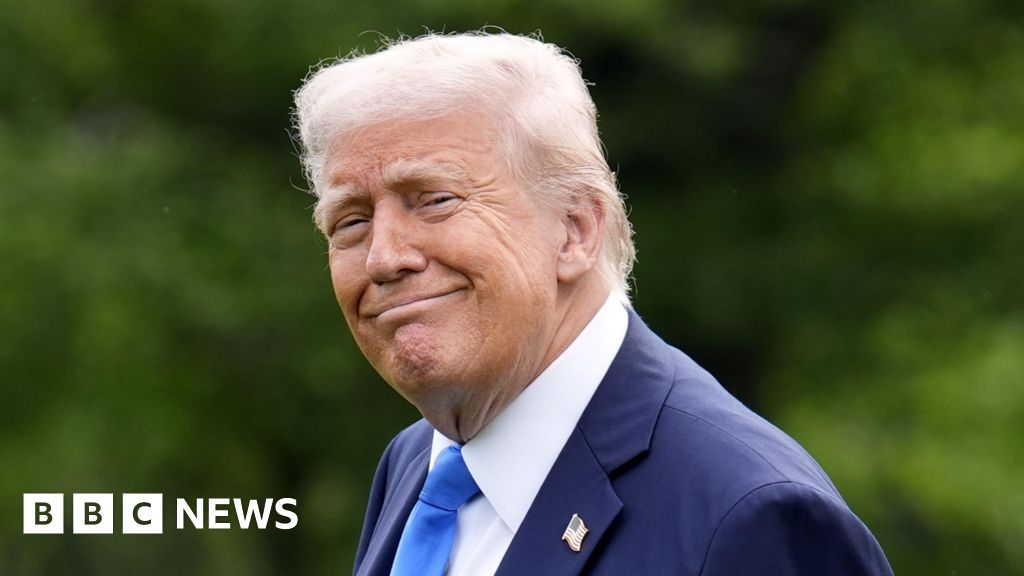
Trump warns of 100% tariffs on foreign films, challenging international Hollywood influence

In an increasingly protectionist global landscape, President Donald Trump has once again raised eyebrows with his vocal threat to impose a 100% tariff on all films not produced within the United States. Citing what he claims to be a long-standing loss of national cultural dominance, Trump asserts that the American film industry has been “stolen” by foreign nations, particularly criticizing California’s leadership as inefficient in protecting this industry. His plan, announced amid a broader wave of tariffs on pharmaceuticals and household goods, exemplifies an aggressive posture aimed at revitalizing American cultural exports but raises complex questions about the international repercussions of such protectionism.

Analysts and industry insiders doubt the feasibility and effectiveness of Trump’s proposal. Dan Coatsworth, an investment analyst at AJ Bell, pointed out that tariffs traditionally target tangible goods, complicating their application to creative content such as movies and streaming shows. Furthermore, many filmmakers already opt to shoot abroad for economic reasons, taking advantage of attractive tax incentives in countries like Canada, Australia, and New Zealand. According to industry research firm ProdPro, although the U.S. remains a major global production hub with a last year’s spending of approximately $14.54 billion, this figure has declined by 26% since 2022, signaling a shift in the center of film production power.

This looming threat of tariffs has significant geopolitical consequences. If implemented, it could trigger retaliatory measures from other nations eager to protect their own burgeoning film industries, turning the global entertainment landscape into a contested arena akin to classic trade wars. China, India, and European countries, which are investing heavily in domestic creators, could leverage cultural policies to safeguard their markets. The World Trade Organization (WTO) might become a forum for diplomatic clashes if the U.S. attempts to enforce such tariffs, forcing a reevaluation of international trade agreements that have traditionally prioritized free exchange of cultural and economic goods.

The decision also raises serious questions about how such measures would impact societal perceptions and the spread of cultural values. Many fear that a purely American-made film industry might foster insularity, limiting global narratives to a Western-centric perspective. Yet, *some officials and analysts* argue that this move could energize the U.S. cultural sector by prioritizing domestic content and fostering a renewed sense of national identity. Historically, this debate echoes past trade disputes and cultural policies where the balance between protectionism and open market exchange significantly shaped international relations. As history reminds us, revolutionary shifts often come with unintended consequences—whether economic, cultural, or geopolitical.

As the world watches, the weight of history hangs heavy in the balance. Will the United States pivot toward cultural nationalism with tariffs that threaten to reshape Hollywood and global entertainment, or will economic pragmatism prevail? The answers lie beyond trade figures and industry reports—embedded in the unfolding narrative of a nation seeking to redefine its cultural sovereignty amidst the turbulence of international diplomacy. In this saga, the ultimate outcome remains uncertain, a reminder that decisions taken now will echo through the corridors of history, impacting societies, economies, and the cultural fabric of nations for generations to come.

Social Media Auto Publish Powered By : XYZScripts.com