Matox News

Truth Over Trends, always!

Trump under fire for allegedly suggesting executions of Democrats – Breaking US politics

Shaping the Future: The Geopolitical Aftershocks of Recent US and World Events

In an era defined by rapid political shifts and intense international conflicts, recent developments signal a deeply uncertain yet fiercely consequential chapter in global history. Across the Atlantic and beyond, key decisions and statements by leaders are not only shaping domestic narratives but are also echoing through the corridors of power worldwide. The recent hostility between President Donald Trump and the new civic leadership of New York City exemplifies the fragility of American political stability and foreshadows conflicts that could pit city, state, and federal authorities against each other, destabilizing one of the world’s major economic hubs.

Just as Trump‘s rhetoric, filled with threats against Democratic lawmakers, draws condemnation, it underscores a broader pattern seen in many democracies: the rise of populist leaders who oppose the established political order. His call for the arrest and trial of elected officials accused of “sedition,” alongside claims of “punishable by death,” open the door to spiraling violence and undermine the very fabric of constitutional governance. Savvy analysts warn that this rhetoric, if left unchecked, could lead to further polarization and even violence—a turning point that history will scrutinize for generations. In reaction, figures such as Chuck Schumer have rightfully condemned the threats, emphasizing that such language threatens the core principles of American democracy. However, the underlying grappling with law enforcement, civil liberties, and political violence remains emblematic of a nation on edge, risking the descent into chaos if institutions falter.

Meanwhile, international scenes are equally tense. Ukrainian President Volodymyr Zelenskyy recently indicated an openness to negotiate with Donald Trump over a peace plan that calls for painful concessions from Kyiv—a stark reminder of how \_diplomatic negotiations\_ have become intertwined with the volatile domestic politics of the United States. The potential for such negotiations to influence the Kremlin’s calculus signals what could be a crucial shift in the \_geopolitical chessboard\_: the possibility of a diplomatic breakthrough amidst warfare that has threatened regional stability for over a year. That Zelenskyy, who is receiving pressure from Washington, might navigate this complex web of diplomacy under the shadow of American partisan tumult highlights the intertwined destinies of nations.

In a broader context, the recent announcement by the Trump administration to expand offshore oil drilling off the coasts of California and Florida signals a shift in the United States’ energy policies amidst a time of economic and environmental debate. This move, opposed by many state and local leaders, serves as a case study of how energy and climate priorities are becoming battlegrounds for national identity and economic interests. The decision, against the backdrop of a declining global oil market, underscores the importance of energy independence and resource security—yet also raises questions about the long-term sustainability and geopolitical influence of the US in energy markets.

With these developments unfolding concurrently—ranging from fiery rhetoric to diplomatic negotiations, and environmental policy shifts—the message for the world’s nations is clear: the stage is set for a tumultuous period where decisions made today will echo in history’s chronicles for generations to come. All eyes remain fixed on the unfolding drama, where the consequences of leadership, ideology, and power will determine not just the fate of individual nations, but the stability of the international order itself. As history’s wheels turn, one must wonder—how will the chronicles of this turbulent era be written, and who will emerge as the architects of the future?

COP30 Evacuated as Fire Breaks Out—Pacific Leaders Push for Urgent Climate Action

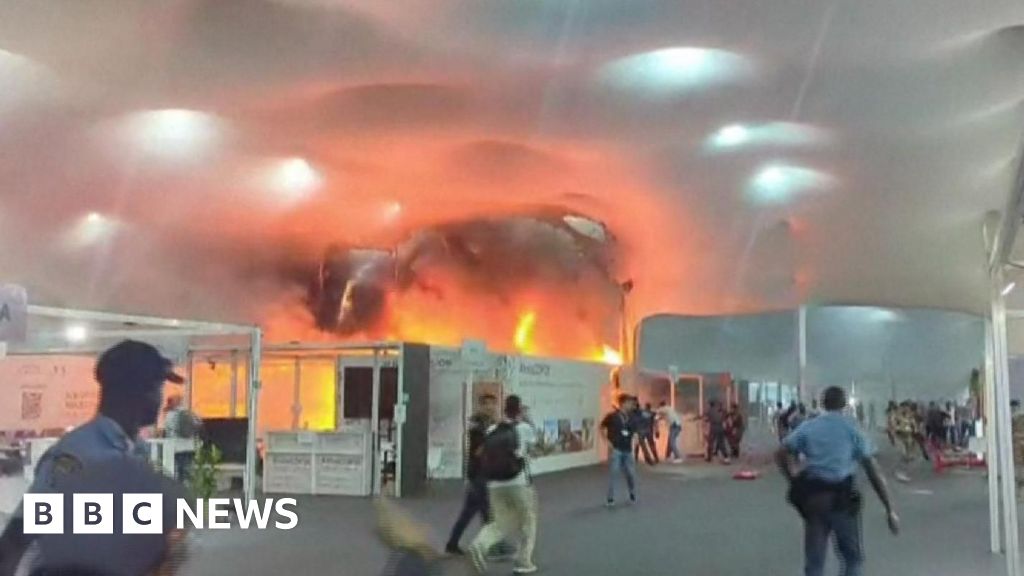
In a dramatic turn of events that underscores the fragility of international diplomacy, the UN climate summit, COP30, held in Belém, Brazil, was abruptly halted when a fire broke out inside the conference venue. Chaos erupted as flames and heavy smoke engulfed the pavilion, forcing hundreds of delegates, journalists, and concerned observers to evacuate in a scramble for safety. The incident not only disrupted critical negotiations but cast a shadow over the increasingly urgent global efforts to combat climate change, highlighting how unforeseen crises can unilaterally derail multilateral diplomacy.

The Brazilian authorities quickly claimed to have contained the fire, which authorities believe was likely an electrical fire. However, the cause remains under investigation—which adds to the volatility of the situation—while the immediate aftermath saw delegates seeking shelter outside, some under the shade of nearby petrol stations amid oppressive heat and humidity. The fire caused visible damage, burning through the venue’s protective sheeting and creating a large hole in the structure, temporarily halting what was already a delicate consensus-building process involving nearly 200 nations. This fiery disruption could have repercussions far beyond Brazil, impacting the geopolitical fabric as nations grapple with the fallout of a crisis that embodies the precarious state of global cooperation on environmental issues.

International analysts, including prominent climate experts and United Nations officials, warn that incidents like this expose the deeper vulnerabilities within the global climate governance framework. With negotiations at a crucial juncture—aiming to outline next steps and commitments—the fire’s disruption could serve as a symbolic warning about the fragility of international consensus. Observers note that such chaos may undermine trust, especially as climate change remains a battleground where geopolitical tensions are heightened; a safe and collaborative environment is essential before nations can approach the substantial task of crafting effective policies. The UN reiterated that the summit is temporarily on hold, with authorities now inspecting the venue for safety before proceedings can resume, but the incident leaves many questioning whether global leadership is equipped to confront the mounting crises ahead.

Historically, international critics and strategic analysts have argued that crises—whether geopolitical or environmental—often act as turning points revealing structural weaknesses within the global order. With tensions simmering over climate commitments, resource disputes, and geopolitical rivalries, the fire at COP30 serves as a stark reminder that the stakes extend beyond mere policy disagreements. As history has shown, moments of crisis tend to accelerate or derail progress depending on leadership responses. If the current incident is any indication, the path toward genuine international unity on climate issues is as uncertain as it is critical. As delegates sit outside in the sweltering heat, the world watches,—a symbol of the ongoing struggle to forge an enduring global consensus amid the chaos of an unfolding crisis—reminding us all that history’s next chapter is still being written, and the true test of leadership lies in overcoming the unforeseen with resolve.

Trial begins for North Macedonia club fire that claimed 63 lives—justice for the victims begins

North Macedonia Nightclub Fire: Justice, Institutional Failings, and the Geopolitical Impact

The recent trial in North Macedonia over the catastrophic nightclub fire that claimed 63 young lives in March has unexpectedly become a focal point for broader debates on institutional accountability and public safety standards. Organized in a climate of intense public outrage, this trial underscores the deep-rooted issues of corruption and negligence that have plagued certain Balkan nations for years. The case, which involves thirty-five individuals and three governmental institutions, exemplifies the tragic consequences of unchecked licenses, ignored safety inspections, and lax oversight—failures that mirror a worrying pattern across the region.

International observers and analysts have pointed to the geopolitical significance of this event, emphasizing how internal governance and institutional integrity in the Balkans influence regional stability. The trial’s proceedings, beginning with dramatic accusations against local mayors and licensing authorities, reflect broader dynamics of state weakness and corruption. Several experts warn that such systemic failures are not isolated incidents but are emblematic of a region still grappling with the legacies of transition and the lingering influence of organized crime and political clientelism. As historian Dr. Jovan Petrovski notes, “When nations from Bosnia to Greece fail to uphold fundamental safety standards, it undermines their credibility on the international stage and risks entrenching instability.”

The *fire’s aftermath* cast a long shadow over the Macedonian political landscape, igniting protests and demands for accountability. The families of victims, along with civic groups, have organized mass marches—most notably the “March of the Angels”—to call for judicial transparency. Here, the role of international organizations becomes pivotal; the European Union and the Council of Europe have both highlighted the importance of rule of law and proper governance practices in Bosnia-Herzegovina, Kosovo, and Macedonia. Yet, many analysts warn that unless these nations confront their systemic vulnerabilities, onward progress toward regional integration remains fragile. For some, this trial could be a *turning point*—a test of whether internal reforms will be genuine or superficial.

Furthermore, the geopolitical repercussions extend beyond the Balkans. As the world watches how regional governments deal with accountability, the outcome could influence their prospects for EU accession and NATO inclusion. Russia’s strategic interest in Balkan destabilization adds another layer of complexity, as it often promotes narratives of distrust and chaos under the guise of supporting local sovereignty. According to international security analysts, such incidents serve as a litmus test for the resilience of institutions in countries aspiring to Western integration. The coming months will undoubtedly be crucial, with diplomatic and domestic forces vying to shape the region’s future—yet, the weight of history remains heavy, and the scars of past negligence threaten to further embroil the Balkan states in chaos.
As history unfolds, the fate of this Balkan nation—and its arduous journey toward justice and reform—remains intertwined with the destiny of the broader democratic order in Southeast Europe. The fire’s ashes symbolize not just tragedy but also the perilous path forward, where accountability, sovereignty, and regional stability are on a collision course that could redefine the coming era.

President Under Fire for Disrupting National Stability

Post-Election Violence Unveils Tanzania’s Fragile Stability and Shifts Geopolitical Dynamics

Once hailed as Africa’s beacon of stability, United Republic of Tanzania is currently grappling with its most severe political crisis in decades. The tumult follows the recent presidential election, which has cast a long shadow over the nation’s reputation for peace. The contested poll, which resulted in President Samia Suluhu Hassan securing a 98% victory, has sparked widespread unrest and international criticism, exposing the underlying fractures within Tanzanian society and its political fabric.

According to multiple analysts, the election was marred by systemic flaws, including *ballot-stuffing, repression, and a crackdown on opposition figures*—a stark departure from Tanzania’s traditional image of calm order rooted in Julius Nyerere’s legacy. Key opposition candidates were either detained or disqualified, effectively removing genuine contestation from the electoral process. As regional bodies like the African Union and the Southern African Development Community voiced concerns over *electoral irregularities*, international observers signaled that the election did not meet accepted democratic standards, shaking the legitimacy of Samia’s presidency. This crisis underscores a critical moment in Tanzania’s post-independence history, as the nation faces questions about its democratic resilience and future trajectory.

At the heart of this turmoil lies what some experts deem a *systemic betrayal of Tanzanian ideals*. Long regarded as an island of calm, the recent violence and protests, driven largely by youth disillusionment, economic grievances, and political marginalization, reveal a society that has become increasingly hostile to authoritarian tendencies. Historians like Professor Samuel Moyo warn that the *myth of Tanzanian exceptionalism*—a narrative of peaceful progress—has been shattered. The escalation of protests, which culminated in casualties and funerals for those killed in the unrest, signals a turning point—*a society swelling with anger, pushed to the brink by decades of ignored grievances and a throttling political environment*. This unrest echoes globally, reminiscent of youth-led mobilisations demanding representation and reform, like those seen in *Kenya* and *South Africa*.

As President Samia Suluhu Hassan consolidates power, her leadership has come under unprecedented scrutiny. From initial promises of transparency, reconciliation, and reform, her government’s recent crackdown, including *the detention of opposition leaders*, signals a return to *centralized authority and political repression*. Political analyst Prof. Peter Kagwanja notes that her move towards *authoritarian consolidation* risks tarnishing her legacy, especially as her internal political maneuvers—marked by cabinet reshuffles and loyalty tests—mirror the autocratic tendencies of her predecessor, John Magufuli. The narrative of the “lioness” protector has given way to fears of a *ruler sharply detached from the democratic aspirations of Tanzanian youth*. The *international community* watches warily, with European and American officials warning that continued repression threatens to isolate Tanzania further, undermining its influence in East Africa.

History remains unwritten, yet the weight of this unfolding drama is felt acutely across the continent. As Tanzania descends into a phase of *increasing internal strife and international censure*, the question looms: Will this nation, birthed from a legacy of unity and anti-colonial resilience, be able to emerge from the shadows of its internal crises?* The international stage holds its breath as the story of Tanzania’s next chapter unfolds—a story that could either reaffirm its place as a pillar of stability in Africa or serve as a stark warning of Democracy’s fragile veneer in an increasingly turbulent world.

NSW Police Under Fire for Double Standard at Neo-Nazi Rally Amid Jewish Groups’ Call for Justice

Global Wake-Up Call: Neo-Nazi Rally in Australia Ignites Widespread Criticism

The recent approval of a neo-Nazi rally outside the New South Wales parliament by authorities has sent shockwaves across the international community, exposing troubling cracks in the global fight against extremism and hate speech. Despite the existence of controversial hate-incitement laws, decision-makers in Australia allowed a gathering of about 60 individuals clad in black—calling openly for the abolition of the Jewish lobby—raising questions about the consistency and effectiveness of anti-hate legislation worldwide.

Double Standards and Political Fallout

In an unprecedented move, NSW police authorized the rally under the so-called form 1 process, a procedural step that allows authorities to approve protests unless explicitly objected to. However, police commissioner Mal Lanyon claimed ignorance of the rally’s approval until after it was underway, citing a “communication error”. The event’s approval sparked widespread condemnation from Jewish advocacy groups, human rights organizations, and political leaders alike. Premier Chris Minns publicly acknowledged that the rally should not have been authorized and announced a review into the police’s decision-making processes, highlighting a troubling inconsistency in law enforcement response: similar processes had previously been applied to pro-Palestinian protests, which faced swift challenges, yet far-right demonstrations such as this neo-Nazi rally were seemingly given a pass.

Societal and Geopolitical Ramifications

Analysts warn that this glaring double standard has broader underpinnings impacting geopolitical stability. As global institutions like the United Nations call for stronger measures against hate speech, national governments face mounting pressure to reconcile civil liberties with the imperative to curb rising far-right extremism. The incident raises questions about the effectiveness of existing hate laws and their enforcement in democratic societies that value free protest yet struggle to contain dangerous rhetoric. While authorities debate expanding police powers, the world watches tightly—concerned that Australia’s failure to prevent this rally could embolden similar acts of hate elsewhere.

Calls for meaningful action

Prominent figures such as Sarah Schwartz, CEO of the Jewish Council of Australia, have accused police of inconsistency, emphasizing that neo-Nazi acts—though dressed as protests—are unmistakably acts of hate speech. Meanwhile, Alon Cassuto, head of the Zionist Federation of Australia, condemned the rally as a breach of democracy, urging a comprehensive investigation into how such a rally could be permitted in a nation that recently adopted strict laws against inciting racial hatred.

In response, Premier Minns expressed regret and contemplated granting police additional powers to shut down racist and hateful events—yet critics argue that existing laws are sufficient, demanding a concerted effort to implement and enforce them effectively. Global voices like the Human Rights Law Centre suggest that Australia’s failure reflects a broader cultural struggle: how to balance freedom of expression with the urgent need to combat renewed white supremacist violence.

As the dust settles, the question remains whether this incident serves as a turning point or mere headline in the ongoing battle against international hate. History watches silently as a nation grapples with its own divided conscience—trying to root out hatred without trampling on the civil liberties that define its democracy. The outcome will resonate far beyond Australian borders, shaping the future of how societies confront the darkest currents of history still swirling beneath modern veneer.

Fire at Turkey perfume warehouse claims six lives, highlighting safety concerns

In a devastating incident that underscores Turkey’s ongoing industrial vulnerabilities, a fire erupted at a perfume warehouse located in the industrial hub of Dilovasi, in Kocaeli Province. The blaze, which broke out early Saturday morning, resulted in the tragic loss of six lives and left five others hospitalized. The incident highlights the dangers inherent in Turkey’s robust yet often perilously managed manufacturing sector, especially in regions teeming with factories and depots crucial to its economic infrastructure.

Authorities from both the Justice Ministry and the Labour Ministry have launched comprehensive investigations into the incident, aiming to determine the cause of the fire, which remains unspecified as of now. Witnesses describe a sudden explosion that ignited the flames, engulfing nearby facilities and creating a scene of chaos. The local government, led by Kocaeli Metropolitan Municipality, has reported that the fire has been fully extinguished but emphasized the importance of scrutinizing industrial safety protocols. The accident comes as a reminder that Turkey, despite its growing economic influence, continues to grapple with safety standards that often lag behind its rapid industrial expansion.

Analysts and international commentators suggest that this tragedy exposes the broader vulnerabilities within Turkey’s industrial and economic systems, which are intertwined with its increasingly complex geopolitical position. As Turkey navigates its ascent on the global stage, it faces mounting pressure from internal and external forces demanding greater accountability and safety. The incident could catalyze international calls for Turkey to align its manufacturing practices with more stringent safety and environmental standards, particularly from organizations such as OECD and EU regulatory bodies. This event also risks tarnishing Turkey’s reputation as a key player in regional commerce, potentially impacting foreign investment and diplomatic relations, especially with Western allies concerned about stability and rule of law.

Historically, Turkey has been a strategically vital actor straddling continents and cultures, with its industrial capacity serving as a cornerstone of its geopolitical ambition. Yet, as experts warn, such tragedies are a stark reminder that economic growth must never come at the cost of human safety. The fire at the perfume warehouse could serve as a turning point—pushing reforms or, conversely, deepening concerns over regulatory negligence. With Turkey’s strategic importance in the Eurasian corridor, how it responds to these setbacks will resonate far beyond its borders, potentially shaping the regional balance of power in unpredictable ways.

As the dust settles over the smoldering ruins of Dilovasi, history continues to be written—one chapter of industrial peril and geopolitical consequence at a time. The flames may be doused, but the questions about safety, governance, and international responsibility remain ablaze. For nations observing from afar, the unfolding response to this tragedy will be a testament not just to Turkey’s resilience but also to its capacity to reconcile economic ambitions with the fundamental duty of safeguarding its people. The weight of these moments hangs heavy in the air—waiting, as always, for the next turn in history’s relentless march.

Lenzie School Fire: Serious Risk to Students’ Safety, Report Warns

The state of student safety and school infrastructure continues to be a pressing societal concern, especially as recent reports reveal alarming deficiencies within Lenzie Academy, a prominent secondary school serving over 1,300 pupils in East Dunbartonshire. An independent fire risk assessment, conducted by the council’s fire safety team, uncovered a series of dangerous conditions that not only threaten the physical safety of students and staff but also highlight broader issues of underinvestment, neglect, and systemic failure in local education infrastructure. These findings concern the community at large, shedding light on the direct impact social issues have on families, educational equality, and community resilience.

Among the most critical issues identified in the report are fire safety hazards—notably, fire exits that are not immediately operable, fire doors with damaged self-closers, and missing or broken glass panes. Such deficiencies reflect more than technical oversights; they embody a perceived prioritization of administrative neglect that jeopardizes lives during emergencies. The report’s 25 recommendations, including upgrading fire doors to ensure at least 30 minutes of fire resistance and properly storing combustible materials, underscore the urgency with which these risks need to be addressed. Sociologists like Dr. Lisa Miller argue that inadequate safety measures in schools directly undermine the moral fabric of our society by signaling a disregard for the safety of future generations, eroding trust in our public institutions.

This situation is compounded by the decades of underinvestment and systemic neglect pointed out by parents and teachers alike. A parent, speaking anonymously, accused local authorities of ‘years of neglect and underinvestment,’ emphasizing that Lenzie Academy has been left in a state of disrepair while other schools have received rebuilding efforts. Teachers’ union representatives describe conditions within the school as dangerous and unacceptable, citing not only fire hazards but also water leaks, missing ceiling tiles, and poor building security. This entrenched neglect reveals the societal challenge of ensuring equitable investment in educational infrastructure — a fundamental responsibility that affects families’ access to safe, quality education and the community’s sense of social cohesion.

While officials from East Dunbartonshire Council assert that safety remains a priority and that immediate remedial actions are underway, critics contend that these measures are merely reactive rather than systemic. The challenge remains: how can local governments foster a culture of proactive maintenance and accountability when budget constraints and bureaucratic inertia hinder progress? Social commentators warn that such neglect fosters distrust and disengagement among youth, threatening societal cohesion over time. However, there remains hope. By prioritizing community involvement, transparent accountability, and targeted funding, it is possible to turn these failing infrastructures into symbols of resilience and hope. As the social fabric is woven through each brick and beam we invest in, society’s true strength will be measured in how we repair what is broken and nurture what is fragile. Society’s challenge—and its potential—is etched into the walls of Lenzie Academy; the question now is whether we will choose to rebuild with purpose, ensuring that no child’s safety is compromised in the pursuit of austerity.

Hermosillo Shop Fire Claims 23 Lives, Authorities Report

In a tragic event that has once again underscored the fragility of public safety in Mexico, a devastating fire erupted at a branch of Waldo’s, the nation’s largest discount retail chain, located in the city of Hermosillo. The blaze, which broke out on a Saturday in the heart of northwestern Mexico, resulted in the loss of at least 23 lives and injured 11 others, including children. The incident has sent shockwaves through the community and raised questions about safety standards, corporate oversight, and the underlying vulnerabilities within Mexico’s urban infrastructure amidst a broader socio-economic climate that struggles to keep pace with rapid development.

Authorities initially described the fire as an explosion, though the cause remains under investigation. Regional Governor Alfonso Durazo emphasized that the cause had yet to be determined, ruling out the possibility of an attack or deliberate act of violence. This measured response appears calibrated to avoid unnecessary panic, but the incident raises concerns about the safety protocols of widespread retail outlets, many of which operate under similar conditions across the country, often with lax enforcement. The loss of life during a festive weekend—coinciding with Mexico’s *Day of the Dead*—also highlights how societal and cultural vulnerabilities intersect with ongoing issues of urban safety and economic inequality. Mexican President Claudia Sheinbaum expressed her condolences via social media, yet such expressions often seem inadequate in the wake of recurrent tragedies, exposing a gap between political rhetoric and actionable change.

The geopolitical impact of this disaster extends beyond Mexico’s borders, shedding light on ongoing debates about regional safety standards and economic stability. Experts warn that such incidents threaten to undermine confidence in Mexico’s retail sector and could provoke foreign investment hesitancy, especially in the wake of recent economic shocks and political turmoil. Historians and analysts have noted that urban disasters in Mexico are often symptomatic of deeper issues—weak government oversight, corruption, and insufficient emergency response infrastructure—that hamstring efforts to safeguard lives. As Mexico’s government promises an “extraordinary, transparent, and thorough” investigation, the incident becomes a stark reminder that how nations respond to moments of crisis shapes their international image and internal resilience.

Furthermore, the incident highlights an unsettling pattern of neglect that pervades many developing economies. The cancellation of cultural events linked to the *Day of the Dead* reflects the societal impact of such tragedies—disrupting traditions and communal mourning. As international organizations monitor Mexico’s response, questions persist about how political will and institutional reform can prevent future calamities. The loss of young lives, including a 15-year-old girl, is a poignant reminder that beneath the statistics lie innocent victims whose fates are intertwined with the decisions made in halls of power. As history continues to unfold, the world watches Mexico’s next steps—knowing that what transpires could well define its trajectory for decades to come, shaping the legacy of this generation’s response to tragedy.”

India Bus Fire: Smoldering Smartphones Fuel Massive Blaze

The recent tragic bus fire in India has reignited urgent questions about the nation’s safety protocols, infrastructure resilience, and the broader implications for its economic and geopolitical stability. The incident, which claimed at least 20 lives and was intensified by hundreds of smartphones onboard, underscores the perilous combination of outdated safety standards and the rapid technological integration within a rapidly developing economy. As investigators probe the cause, the specter of negligent oversight looms large—raising alarms that extend beyond national borders and signaling an urgent need for systemic reform.

Initial reports indicate that the blaze erupted after a collision involving a motorcycle, which ruptured the fuel tank and triggered a devastating explosion. However, forensic officials have pointed out that the flames’ ferocity was significantly exacerbated by the presence of lithium-ion batteries in hundreds of smartphones, valued at millions of rupees, being transported from Hyderabad to Bengaluru. This underscores a broader industrial predicament: lithium-ion batteries, while vital for today’s consumer electronics, pose grave fire risks when damaged. Their propensity for thermal runaway—an uncontrollable rise in temperature—can cause fires that defy conventional firefighting methods, with catastrophic consequences. This incident exemplifies how the intersection of burgeoning e-commerce logistics and inadequate safety controls can lead to tragedy, with potential ripple effects across South Asia’s supply chains.

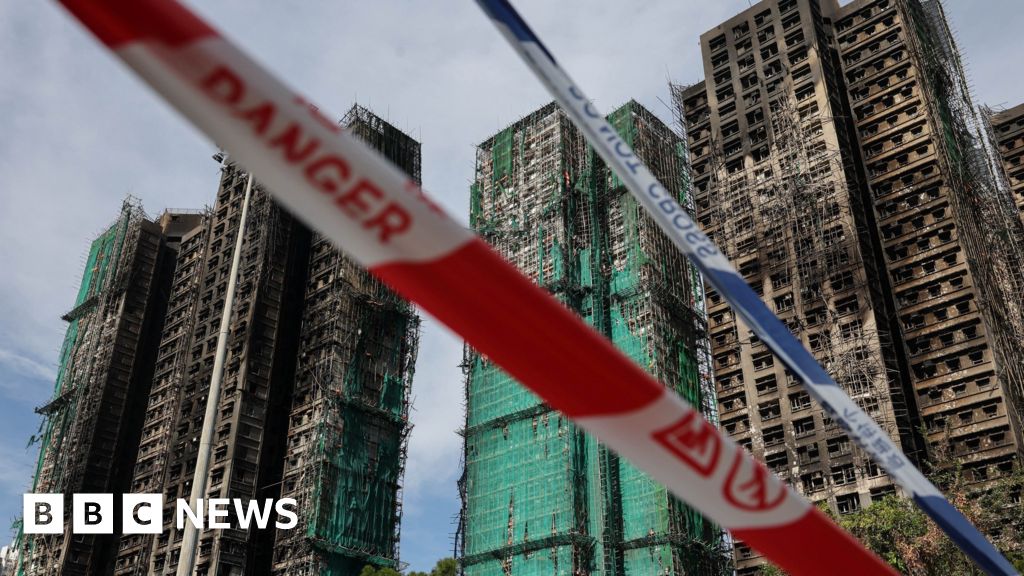
  • The fire’s devastation was compounded by the explosion of electrical batteries used for the bus’s air conditioning system, according to local fire officials, who described fragments of bones and ash amidst the wreckage—a stark reminder of the event’s brutality.
  • Authorities are investigating whether negligent driving or poor maintenance contributed, especially considering the bus driver fled the scene and the motorcyclist, who was involved in the crash, is among the deceased.
  • India’s widespread issues with overcrowded buses and lax safety regulations remain a longstanding concern, with the nation recording the highest number of road accident fatalities globally last year. Such incidents reveal systemic vulnerabilities that threaten both domestic stability and international perceptions of India’s infrastructure capabilities.

The embedded challenges extend far beyond individual tragedies, echoing broader geopolitical consequences. As analysts and international organizations observe, India’s persistent safety lapses threaten its rising economic stature and foreign investment prospects. The incident serves as a haunting reminder that, while India seeks to position itself as a global economic hub, its internal systemic issues—corruption, outdated regulations, and underfunded safety standards—put its trajectory at risk. As noted by geopolitical experts, the *stability of infrastructure and safety standards directly influences international confidence*—a critical factor as India assumes greater responsibilities within the BRICS alliance and as a pivotal player in the Indo-Pacific strategic landscape.

Looking ahead, the incident raises vital questions about the how decisions made today will shape the future of South Asia. Will there be meaningful reforms in safety protocols and supply chain security? Or will economic ambitions overshadow caution, risking more tragedies and undermining efforts for sustainable growth? Once a symbol of cultural resilience, India now finds itself at a crossroads—where the weight of history demands improved accountability and infrastructural resilience. The fire’s ashes serve as a grim portent of what may come if systemic shortcomings remain unaddressed, leaving future generations to grapple with the consequences of today’s perilous neglect. The unfolding narrative reminds the world that as history continues to be written, every decision bears the power to either forge a resilient nation or fuel the flames of chaos and destabilization.

Fire on the horizon: Debris sparks concerns near WA mining hub

The mysterious discovery of suspected space debris in the remote outback of Australia has ignited international concerns about the increasing presence of “space junk” re-entering Earth’s atmosphere. As mine workers in Western Australia uncovered burning fragments near the town of Newman on Saturday, authorities swiftly responded, underlining the expanding complexity of managing space activities amidst the risk posed to global safety and sovereignty. The incident, while seemingly isolated, exemplifies the dangerous consequences of humanity’s prolific space exploration and satellite deployment, which continue to accelerate amidst a global race for technological dominance.

Initial analyses by police indicated that the debris was composed of carbon fibre, resembling aerospace components such as a composite-overwrapped pressure vessel or a rocket tank—a clear sign that this fragment originated beyond our atmosphere. The Australian Space Agency has been brought into the investigation, alongside other agencies like the WA Department of Fire and Emergency Services, reflecting a collaborative effort to determine the origin of this object. This incident falls within a broader narrative acknowledged by global space agencies and analysts: the mounting perils of space debris, which can threaten both terrestrial infrastructure and celestial navigation. As scientists warn about the increasing density of space junk, nations worldwide are grappling with how to regulate and mitigate this emerging hazard that could, if left unchecked, spark a new realm of geopolitical friction.

The re-entry of unidentified space debris isn’t just a technical issue—it’s a threatening reminder of the competitive, often reckless expansion of space capabilities. Experts fear that space debris could become a catalyst for international conflict, especially as key space powers like China, Russia, and the United States intensify their pursuits of commercial and military applications in orbit. The proliferation of satellites, especially under the banner of private sector ambitions like Starlink and other mega-constellations, complicates the efforts by global institutions to create effective space traffic management norms. Historian and space policy analyst Dr. Francesca Liu emphasizes that, “The unchecked growth of debris not only threatens future space missions but potentially destabilizes international relations, as nations may see this as a form of asymmetric warfare.”

Furthermore, the incident underscores a devastating irony—what goes up in space may very well come back down with unpredictable, potentially catastrophic consequences. The phrase “space junk” masks the seriousness of that debris. The risks associated with “re-entry” include the potential for harm to populated zones and critical infrastructures, calling for urgent international standards and treaties. Though currently the responsibility for tracking and mitigation largely falls to national agencies, there’s increasing pressure for global oversight, especially as nations race to secure strategic dominance both on Earth and in orbit. Critics argue that without robust treaties modeled after existing arms control agreements, the accumulation of space debris could turn Earth’s low orbit into a dangerous minefield, leading to what some analysts describe as an inevitable “space environment catastrophe”—a century-scale period of increasing orbital hazards.

As history witnesses humanity’s trail into the cosmos, a new chapter unfolds—one cloaked in geopolitical tension and unanticipated upheaval. The discovery in Australia serves as a stark warning of the tangible ramifications of neglecting space’s geopolitical implications. As international organizations labor to develop comprehensive frameworks, the choice remains to either tame this burgeoning threat or face the chaos that could ensue. In a world where the boundaries of sovereignty are no longer confined to terrestrial borders, the true battleground now extends beyond, into the void itself. What this incident signifies, ultimately, is that the stakes of space exploration are no longer theoretical—they are immediate, pressing, and potentially cataclysmic. The weight of history is on us, and the decisions made today will echo through time, shaping the future of humanity’s reach into the universe.

Social Media Auto Publish Powered By : XYZScripts.com