Matox News

Truth Over Trends, always!

Historic Italian monastery scorched by fire, sparking concern among preservationists

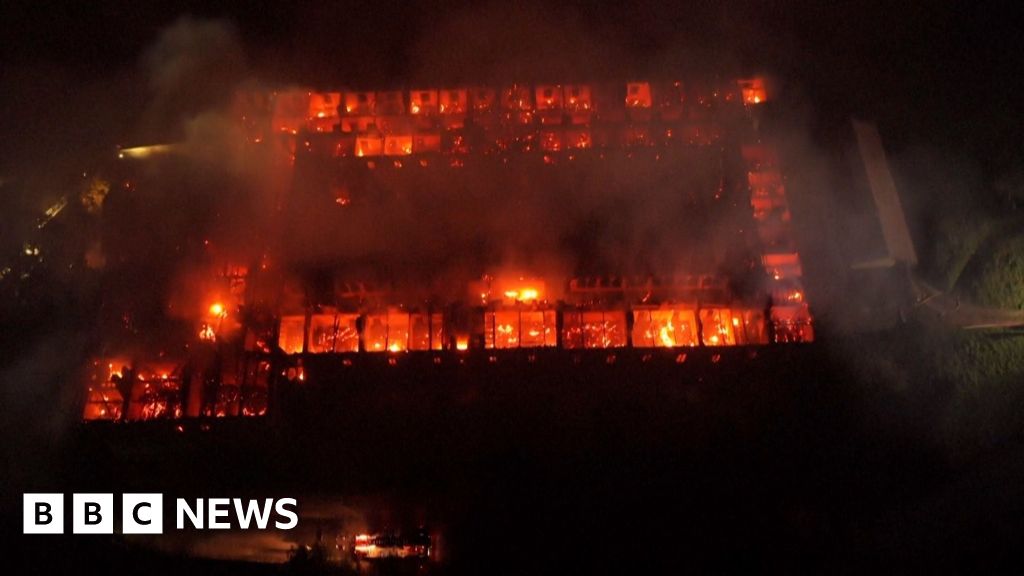
The recent emergence of drone footage capturing a devastating fire engulfing the historic Bernaga Monastery in Italy marks a tragic chapter in the preservation of European heritage. Founded in 1628 in La Valletta Brianza, approximately 30 kilometers east of Milan, the monastery stands as a testament to centuries of religious, cultural, and artistic history. The destruction of such an iconic institution not only signifies a loss for Italy but also echoes through the broader fabric of European civilization, raising questions about the security of its priceless historical assets in an era increasingly marked by geopolitical tensions and rising radicalism.

According to Italian media reports, all 22 cloistered nuns evacuated safely before the flames consumed the cloisters, yet the damage to the monastery’s structural integrity and historical artifacts remains profound. In an age where terrorism, radical ideologies, and unforeseen acts of violence continue to threaten religious sites worldwide, this incident rekindles debates about global security measures and the protection of cultural patrimonies. Analysts suggest that the blaze, whether accidental or deliberate, underscores an alarming trend where historical sites are becoming vulnerable targets amidst ongoing geopolitical unrest. Historians and cultural preservation advocates warn that the loss of such monuments endangers not just local identity but also the collective memory of humanity.

From an international perspective, the destruction signals a broader challenge for Europe’s cultural diplomacy and security cooperation. Countries with significant historical sites, especially in a continent riddled with regional tensions, must reassess infrastructure security and emergency responses. The incident also aligns with warnings from organizations like UNESCO about increasing threats to heritage sites. Such incidents influence geopolitical calculations, as nations contend with questions of sovereignty, protection, and the temptation of ideological exploitation. Specialists note that the incident may serve as a venue for political actors seeking to tighten security measures or, conversely, exploit vulnerabilities for strategic gain.

As the global community watches the ruins of Bernaga Monastery smoldering in the aftermath of destruction, the echo of this event resonates in the corridors of power and within civic consciousness. The fight to safeguard history against human interference and natural calamities is entering a critical juncture. The road ahead remains uncertain, and the stakes could not be higher. Because in the unfolding pages of history, every loss reminds us that the preservation of our cultural heritage is not merely about safeguarding stones and relics but defending the fabric of civilization itself.

Chevron refinery fire in California contained—safety rallying point for responsible energy leadership

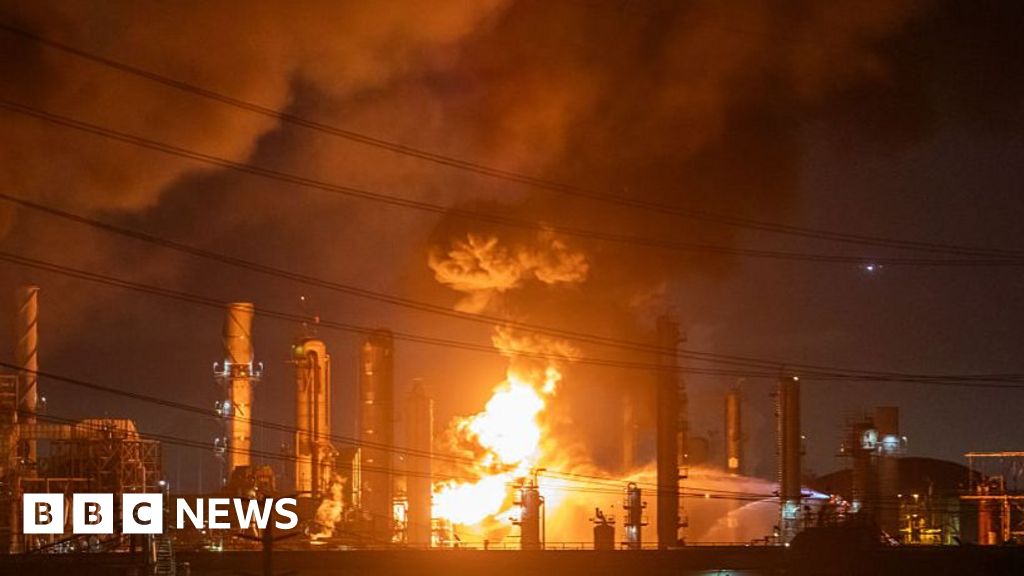
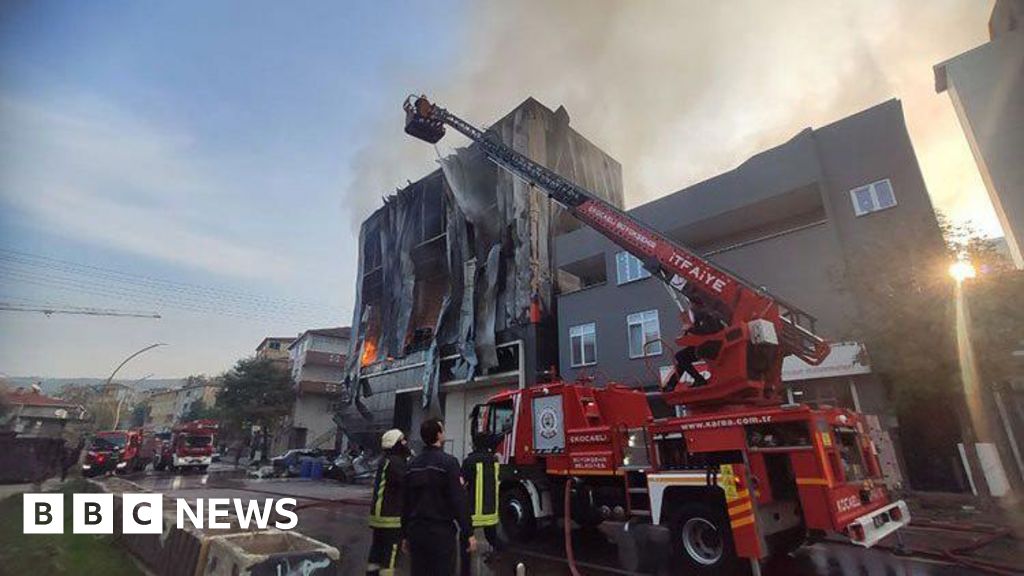
The recent fire at Chevron’s El Segundo refinery near Los Angeles has sent shockwaves through national and international energy sectors. The blaze, which broke out overnight, underscores the fragile nature of critical infrastructure in a global energy landscape fraught with uncertainty. While local authorities reported no immediate threat or evacuation orders, the incident highlights broader vulnerabilities within America’s refining capacity and draws attention to the potential for domestic crises to escalate into larger geopolitical concerns.

This refinery, built in 1911 and ranking as Chevron’s second-largest in the country, supplies roughly one-fifth of motor vehicle fuels and a staggering 40% of jet fuel in southern California. Its strategic importance cannot be overstated, especially given how tightly intertwined energy resource management is with national security and economic stability. With the fire contained but the damage still under investigation, analysts warn that such disruptions could influence gasoline prices, air travel, and regional stability. In an era where energy independence is highly contested, the incident raises questions about America’s resilience in the face of unforeseen disasters.

International organizations and security analysts have long warned that disruptions in the American energy infrastructure could have cascading effects on global markets. The International Energy Agency (IEA) has repeatedly underscored the importance of diversifying energy sources to mitigate risks from such localized but potent incidents. Meanwhile, geopolitical tensions between major powers continue to influence global energy supplies, and the possibility of targeted attacks or sabotage—particularly amidst rising geopolitical rivalries—cannot be dismissed. As historians point out, last decade’s energy crises were often precipitated by seemingly isolated incidents yet had ripple effects that reshaped alliances and economic policies worldwide.

The fire’s symbolic significance extends beyond the immediate damage. It serves as a stark reminder that how nations respond to such crises can shape their future trajectories. Cities like Los Angeles are vital nodes in the global energy web, and local disruptions may be exploited as leverage by hostile actors in an increasingly multipolar geopolitical arena. Experts warn that if these vulnerabilities are left unaddressed, they could fuel narratives of decline and dependency that are already fueling populist movements in the West. The incident also raises the threat of environmental contamination, which local officials are monitoring closely, but the broader consequences for energy security remain a pressing concern for policymakers.

As the world watches this unfolding crisis, with flames still smoldering and the specter of potential repercussions looming, history reminds us that such incidents often serve as turning points—either as catalysts for reform or as moments of vulnerability exploited by rivals. The decision of nations and corporations to fortify or neglect their critical infrastructure will define future geopolitics. With each passing day, the weight of history continues to mount, and the question remains: when calamity strikes, will the world have prepared sufficiently to withstand its toll?

Zillow and Redfin Under Fire for Market Manipulation in Major Lawsuit

The latest legal assault by the Federal Trade Commission (FTC) against Zillow and Redfin underscores a troubling trend where corporate giants prioritize profits over the fundamental needs of families, communities, and the integrity of the housing market. The FTC’s lawsuit alleges that these real estate firms conspired in an agreement that effectively shut out genuine competition—an act that could have profound consequences on how Americans access rental listings and how communities grow and thrive in an increasingly centralized system.

The details reveal a carefully crafted scheme where Zillow paid Redfin $100 million—an enormous sum driven by the desire to monopolize the online rental advertising space. Allegedly, this deal led Redfin to cease contracts with advertising partners, stop competing for multifamily property listings for up to nine years, and serve as a syndicator for Zillow’s listings on its own platform. Such collusion blatantly subverts the competitive principles vital for fostering a diverse, accessible housing market—a cornerstone for family stability and community resilience. The social fabric woven around homeownership and rentals is potentially frayed as markets grow increasingly opaque and dominated by monopolistic practices.

Highly concerning are the social implications beyond the market—families seeking homes and communities where shared values, access to opportunities, and local culture flourish are most directly impacted. When corporate tactics prioritize suppressing competition, it becomes more difficult for middling families and young adults to find affordable, quality housing. The broader societal costs include increased inequality and the erosion of local diversity. Notably, sociologists like Robert Putnam warn that monopolization can lead to social fragmentation, decreasing civic engagement and fostering alienation. This moves society away from the ideals of community-oriented growth toward an insulated corporate sphere that privileges profit over people’s lives.

  • The FTC’s legal action reflects a recognition that antitrust enforcement is essential to preserve the democratic right of all Americans to access housing opportunities.
  • Critical to addressing these issues are **transparency** in real estate practices and fostering multiple, independent channels of information for prospective renters and buyers.
  • Proposals include **regulatory reforms** that discourage monopolistic mergers and support community-based housing initiatives**.

As the courts examine this intricate web of corporate maneuvering, communities and families are left to grapple with the implications of a marketplace increasingly dictated by a handful of players. It is a stark reminder of the importance of social cohesion and the necessity to safeguard spaces where ordinary Americans build their futures. Reflecting on the social significance of housing, history reminds us that housing is not merely a commodity but a cornerstone of identity, stability, and social mobility. The challenge remains—how can society rebalance the scales, ensuring that the pursuit of profit does not eclipse the essence of community life? In a society fractured by economic inequality, the hope of transformation lies in restoring competition and fairness, reaffirming that the foundation of society is built on the collective strength of its families and neighborhoods.

Glasgow University Under Fire for Its Role in Tragedy on Graduation Day

University Failings and the Tragic Loss of Ethan Brown: A Broader Reflection on Society’s Duty of Care

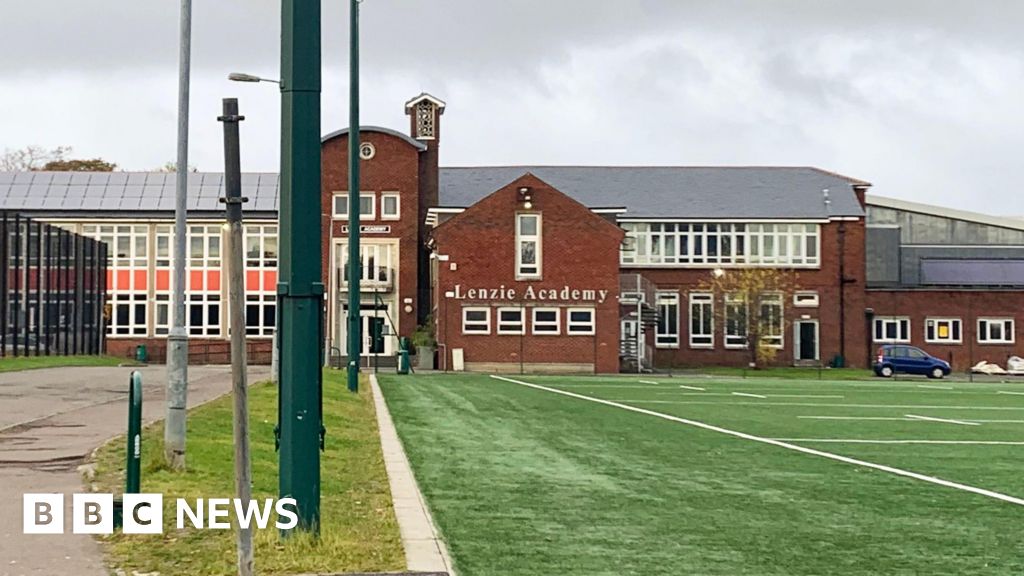
The heartbreaking story of Ethan Scott Brown, a 23-year-old geography student from Glasgow, has ignited widespread concerns about the responsibilities universities hold in safeguarding students’ mental health and well-being. Brown’s family alleges that systemic errors in the university’s assessment process wrongly led him to believe he had failed his degree. Tragically, on his graduation day, December 13, Brown took his own life in his family home, believing he had not achieved the necessary grades to earn his degree. His death exposes not just a university’s internal deficiencies but questions society’s overarching commitment to its young people, especially during vulnerable phases of their lives.

In an internal investigation prompted by fierce pressure from Brown’s family, university officials uncovered serious miscalculations and communication failures. Despite evidence showing Brown had amassed enough marks for a 2:1 honours degree, institutional oversight failed to recognize this, primarily due to confusion surrounding assessment rules. The report revealed that errors went unnoticed by both internal and external review boards, highlighting alarming lapses in academic oversight. Furthermore, the investigation pointed out that Ethan had previously communicated struggles related to his mental health, yet staff failed to direct him towards appropriate support services. This omission underscores a troubling disconnect between academic institutions’ rhetoric about student well-being and their actual policies and practices—often reactive rather than proactive in responding to students’ mental health crises.

Implications for Society and the Erosion of Community Trust

The fallout from Ethan Brown’s death extends beyond individual tragedy, revealing a larger societal crisis that impacts families, education, and community trust. Sociologists like Dr. Michael Levin argue that educational institutions are moral agents responsible for fostering environments where students feel supported, not abandoned. When universities fail to provide essential services—especially during mental health crises—they risk fostering a climate of distrust and alienation among young people. This erosion of trust threatens the very foundation of our communities, where institutions are expected to serve as pillars of support, guidance, and moral responsibility.

Such failures ripple outward, affecting families who lose loved ones to preventable tragedies. For Ethan’s family, the failure to recognize and respond to his distress compounded their grief, leaving them to grapple with the devastating consequences of systemic neglect. Historical figures—like sociologist Émile Durkheim—warned that societal bonds weaken when institutions fail in their moral responsibilities, leading to increased social alienation and mental health crises. The story of Ethan Brown underscores that the true cost of institutional failure is human. It calls for urgent reform that puts the mental and emotional well-being of students at the center of educational policies.

Addressing Systemic Flaws: Toward a More Compassionate Future

  • Implement comprehensive mental health training for staff involved in student assessment and support.
  • Establish clear, proactive communication channels that respond swiftly when students express distress or seek extensions for mental health reasons.
  • Regularly review and audit assessment and support policies to identify and correct systemic gaps.
  • Encourage a culture where student well-being is prioritized without stigma or fear of academic penalty.

As society reflects on Ethan Brown’s story, it’s evident that a profound cultural shift is necessary. Universities must transcend their traditional focus on academic achievement alone, recognizing that the health and safety of students are moral imperatives. Inspired thinkers like sociologist Bell Hooks emphasize the importance of love and care in community building—values that institutions must embody if they hope to restore trust and foster resilience among their students. Society’s challenge lies in creating a landscape where young people are empowered, supported, and valued, ensuring that no tragedy like Ethan’s occurs again. In the quiet hope of change, society must remember that behind every statistic lies a human story—a fragile life with dreams, love, and a voice that deserves to be heard and protected.

Social Media Auto Publish Powered By : XYZScripts.com