
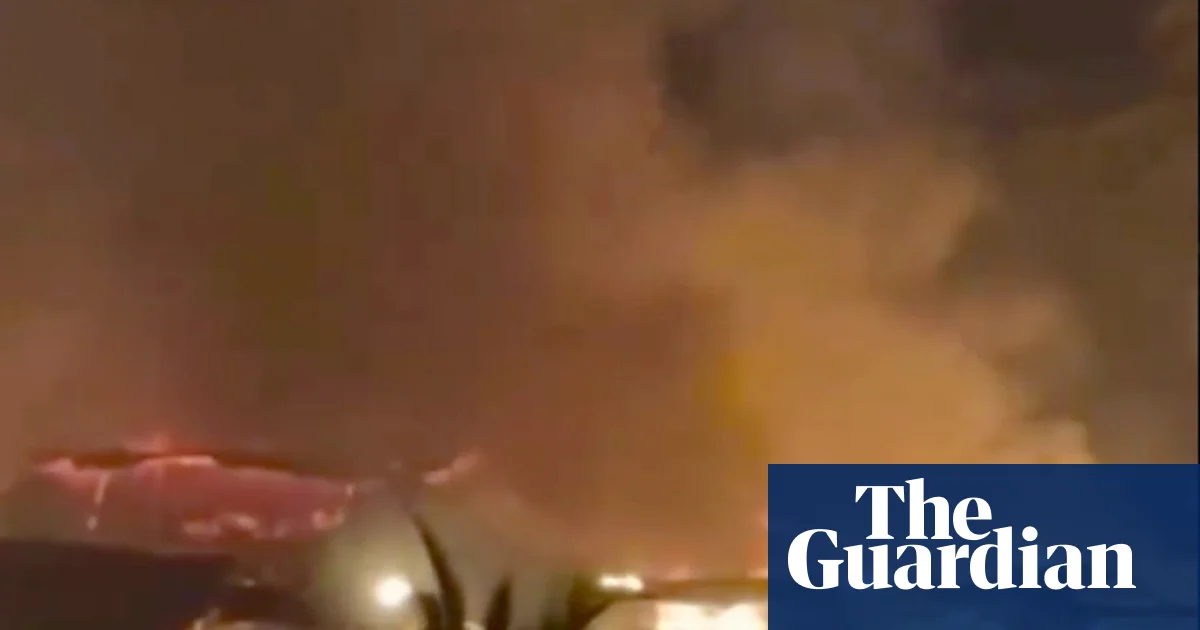

In recent years, the alarming frequency of destructive fires across India has become a stark reminder of the profound risks inherent in rapid urbanization and insufficient safety regulation. The tragic loss of at least 23 lives in a nightclub fire in Goa, a renowned tourist haven, underscores a troubling pattern with direct repercussions for national stability and international perception. While the immediate focus centers on the victims and emergency response, the broader geopolitical impact cannot be ignored, as such incidents reflect poorly on India’s ability to ensure the safety of its citizens and visitors, impacting foreign tourism and international confidence.
Historically, India has grappled with the challenge of enforcing rigorous building safety standards amidst a booming economy that often prioritizes quick development over quality control. Recent events, including a fire in Hyderabad resulting in 17 deaths, and a deadly blaze in Kolkata that claimed 15 lives, reveal systemic failures that span across urban planning and regulation enforcement. Prominent international organizations, such as the United Nations, warn that neglecting safety standards exacerbates vulnerability during emergencies, leading to increased fatalities and societal destabilization. Experts like Dr. Arun Malhotra, a prominent urban safety analyst, argue that these tragedies are largely preventable, given proper adherence to safety protocols. Yet, the persistent recurrence of such incidents underscores a deeper problem: the inability of local authorities to uphold or enforce effective fire safety laws, which in turn erodes public trust in governance.
Moreover, these recurring tragedies serve as a geopolitical reflection of India’s complex internal challenges. As the world’s largest democracy, India seeks to project strength and stability on the international stage, but these failures threaten to undermine that image. The late 2020s have seen heightened scrutiny from foreign investors and tourists, concerned about security and infrastructure conditions. The recent proposed safety audits by local officials, spurred by these fires, highlight efforts to address this concern. Yet, critics remain skeptical, warning that without systemic reforms, such incidents could metastasize into crises that diminish India’s soft power and economic prospects. In particular, Goa’s status as a world-famous tourist destination puts immense pressure on local and national authorities to balance growth with safety. International observers and foreign governments are watching closely, as the potential for a large-scale tragedy could have ripple effects, unsettling regional stability and strategic alliances.
On a broader canvas, these fire incidents are emblematic of an urgent need for comprehensive reform, not only within India but as a warning to global partnerships. The collapse of safety standards in some of India’s busiest shared spaces stands as a cautionary tale against complacency amid rapid development. As China, Pakistan, and other regional powers navigate their own internal crises, the international community must recognize that the stability of each nation impacts collective security. The unfolding chapter of India’s safety crises serves as a stark narrative in the geopolitical saga—a reminder that progress is meaningless if measured in economic terms alone, without safeguarding human lives and social order. History’s relentless march dictates that the true measure of a nation’s strength lies in its ability to protect its citizens, yet, tragically, India’s recent history reveals a dangerous gap between aspiration and reality—a gap that may yet widen if urgent reforms are not enacted to prevent the next catastrophe from writing its chapter in the annals of history.





