
Security Crisis at Washington’s White House Correspondents’ Dinner Sparks International Concerns
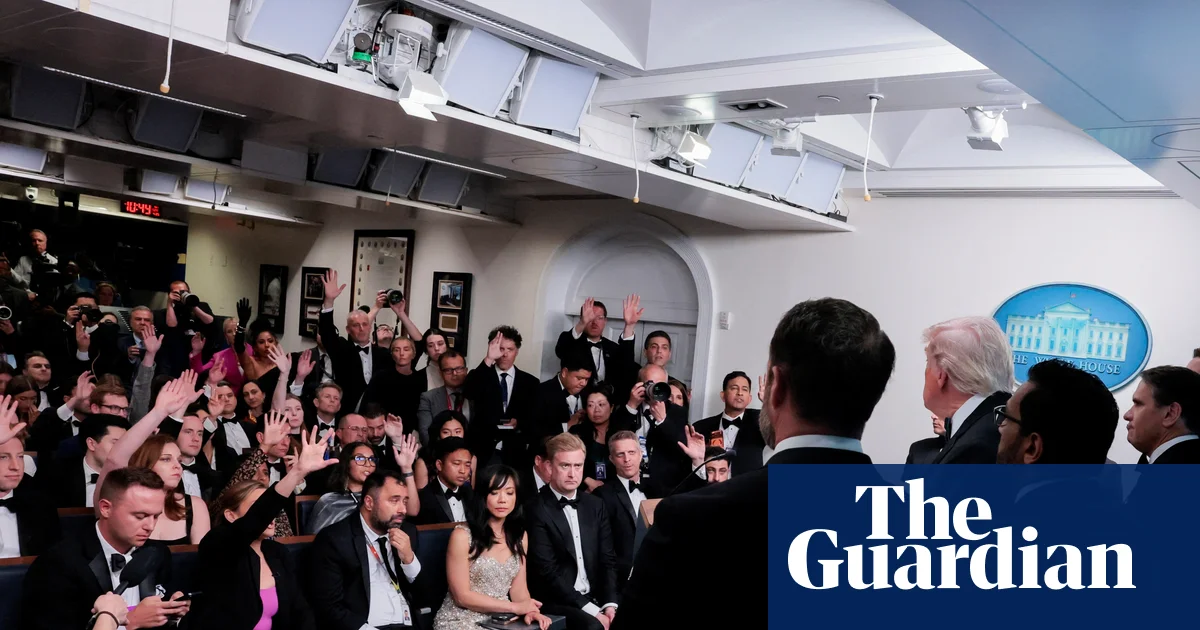
The recent attack during the White House Correspondents’ Dinner has sent shockwaves beyond American shores, raising profound questions about U.S. national security and global perceptions of American stability. On Saturday night, what was meant to be a celebration of free press spiraled into chaos when gunfire erupted, forcing attendees to seek cover under tables and prompting a swift lockdown of what is traditionally considered the most secure political gathering in Washington. Witnesses—both domestic and international—scrutinized the event, emphasizing its implications for U.S. security protocols and public confidence.
From a geopolitical standpoint, the incident underscores a troubling shift in the perceived security of the American capital. Despite rigorous protocols, the fact that gunshots could penetrate what is deemed the heart of U.S. political power suggests an evolution in threats faced by the nation’s leaders and institutions. Global strategic analysts are warning that such vulnerabilities could embolden hostile actors and threaten the perceived invulnerability of American political centers. The timing coincides with increased tensions between the United States and rising adversarial nations, notably Russia and China, who closely monitor and exploit perceived weaknesses in U.S. security policy.
Furthermore, the incident reflects deep domestic divisions and a media landscape often criticized for sensationalism and lax security measures at high-profile events. Conservative voices quickly tried to attribute the breach to what they call “lax security” at the dinner, criticizing the absence of metal detectors and pat-downs. While some experts highlight that such security lapses are not unprecedented, the occurrence fuels worries about the vulnerability of presidential and political events in a polarized climate. The incident also echoes historic warnings from security analysts who have long emphasized that elevated political targets require advanced protection, especially amidst growing radicalization and violence.
The international community watches with trepidation as the U.S. grapples with escalating internal unrest. As Russia’s geopolitical maneuvers—such as cyberattacks and disinformation—continue to destabilize Western democracies, incidents like Saturday’s highlight an unsettling reality: the fabric of American political life, once considered resilient, is now visibly frayed. Policymakers worldwide are increasingly concerned that such breaches could set dangerous precedents, potentially weakening America’s diplomatic leverage and prompting adversaries to exploit vulnerabilities. The United Nations and other global watchdogs are urging a reevaluation of security standards, cautioning that these incidents diminish America’s role as a global leader and reliable ally.
As President Trump and Vice President Biden assess the fallout, the event leaves a haunting question for future generations: will this act of violence mark a turning point in American history, or merely a symptomatic warning of challenges yet to come? The weight of history presses heavily on policymakers—each decision, each security upgrade, shaping the course of a nation that once seemed invincible. With the echoes of gunfire still ringing in the minds of those present, the relentless march of history continues—its next chapter unwritten, yet ominously close.