Matox News

Truth Over Trends, always!

Billionaire Investor Sues Trump Family’s Crypto Firm Over Alleged Extortion

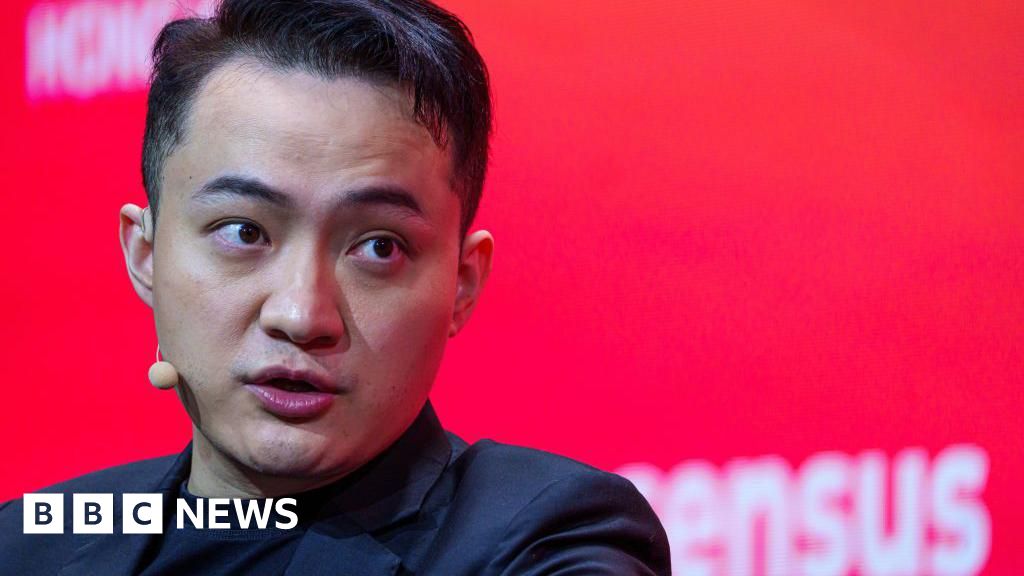
In a development that has sent shockwaves through the international financial and tech sectors, billionaire investor Justin Sun has initiated a lawsuit against the family-run World Liberty crypto venture, citing a loss of $45 million following his substantial investment in their tokens. This legal action not only highlights the volatile nature of the emergent cryptocurrency landscape but also underscores broader concerns about transparency and regulation within this rapidly expanding economic frontier.

The clash has immediate geopolitical implications that extend beyond the realm of individual investors. As Sun’s lawsuit unfolds, financial authorities and regulatory bodies across multiple jurisdictions are paying close attention. Many analysts warn this case could become a \u201Cbenchmark\u201D for future governmental crackdowns on unregulated digital assets, especially amid a global push for stricter oversight of cryptocurrencies. According to leading economic historians and international organizations such as the International Monetary Fund and World Bank, this conflict is emblematic of a larger struggle—one where nascent blockchain innovations collide with entrenched financial regulatory frameworks, often with unpredictable repercussions for ordinary citizens and national economies alike.

For U.S., European, and Asian regulators, such disputes serve as a crucial test case. The case reveals the urgent need for a cohesive global approach to regulate digital asset markets, which remain plagued by a patchwork of rules and inconsistent enforcement. Potential consequences range from increased regulatory clampdowns to restrictions on cross-border crypto transactions, thus altering global trade flows and investment strategies. Some experts suggest this crisis could accelerate a shift toward clearer international standards, yet others warn of the risk that overregulation might stifle innovation and push activity into clandestine channels, threatening the very essence of a decentralized digital economy.

As Justin Sun and the World Liberty family prepare for court proceedings, the broader battle over control, legitimacy, and the future of digital currencies remains unresolved. Observers like geopolitical analyst Dr. Michelle Porter emphasize that this incident is a harbinger—signaling a critical juncture where economic, legal, and technological forces collide. Her warning echoes a warning often sounded by historians: that history’s most pivotal moments often arise from conflicts that challenge the status quo, shaping the landscape for generations to come. With many nations watching closely, the outcome of this lawsuit could well alter the very fabric of the digital economy, embedding lasting lessons for investors, regulators, and societies worldwide.

As the story continues to unfold, the tale of Justin Sun’s legal challenge against World Liberty stands as a stark reminder of the tumultuous path humanity treads in the quest to harness the revolutionary potential of cryptocurrency. In a world teetering between innovation and regulation, the true impact of this clash remains uncertain—yet its echoes will resonate through history, hinting at a future where old paradigms are finally challenged by new, unpredictable forces. The narrative of global finance is still being written, and with every passing chapter, the stakes grow higher—shaping the destiny of nations and societies in ways that may never be fully understood.

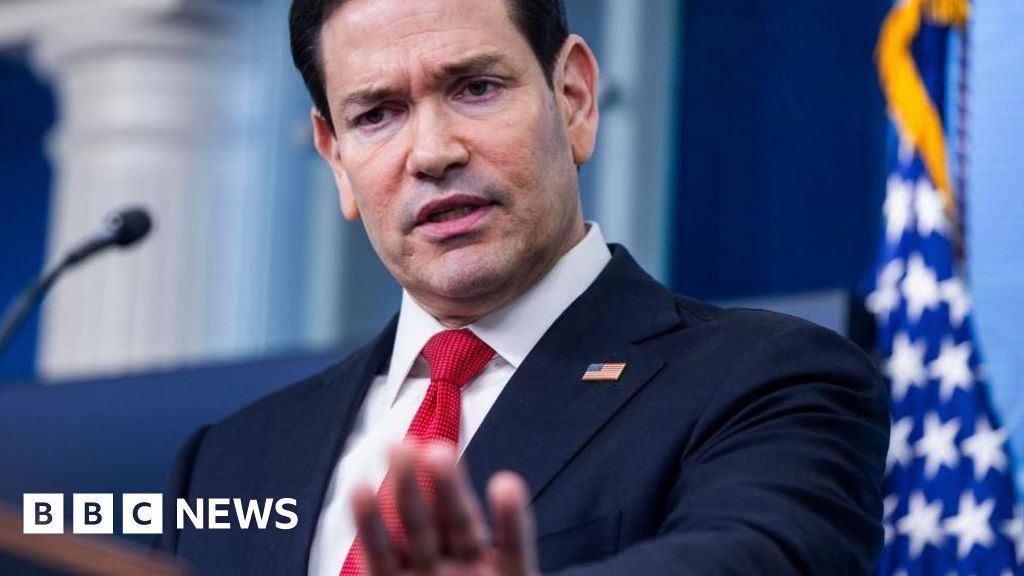
Kevin Warsh vows Fed independence despite Trump’s pressure, signaling firm stance in US politics

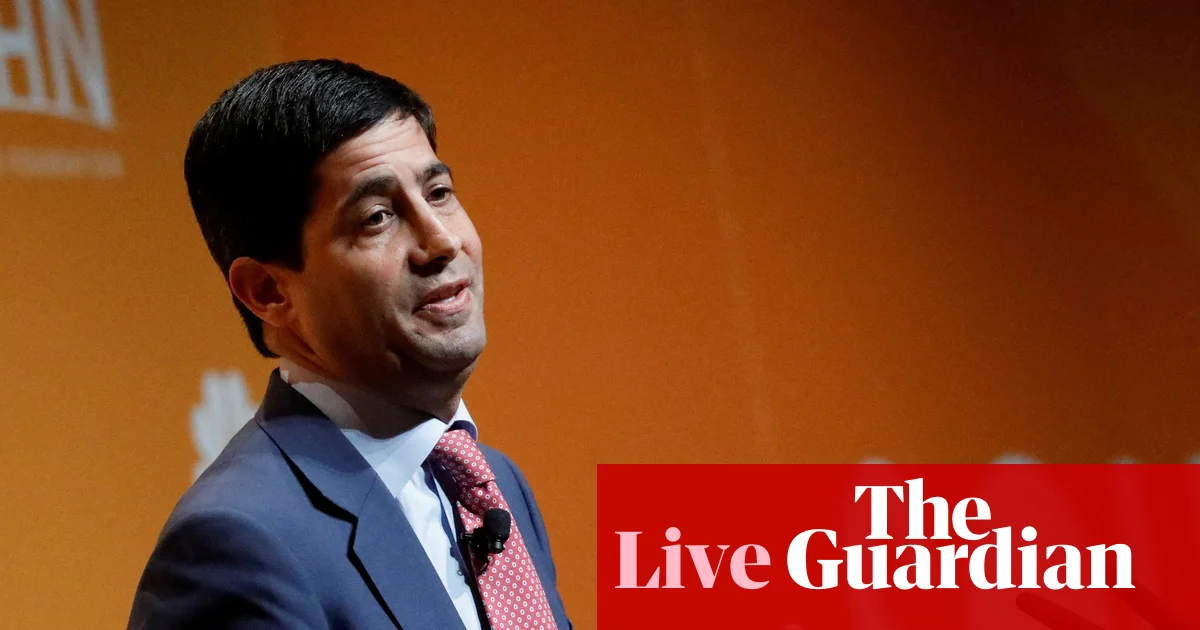
As President Donald Trump faces mounting scrutiny over his influence on the Federal Reserve and its leadership, recent developments signal a profound shift in the geopolitical landscape. At a pivotal confirmation hearing, Kevin Warsh, Trump’s nominee for Fed Chair, publicly committed to maintaining the institution’s independence amid pressures from the White House. Nevertheless, the tense atmosphere painted a stark picture of potential instability at the heart of U.S. economic policy, with echoes reverberating across global markets. Notably, Elizabeth Warren—a leading voice in Congress—warned that Trump’s interference threatens the very fabric of American monetary autonomy, citing ongoing attempts to sway Fed appointments and influence rate decisions.

  • The hearing unveiled a deeper struggle: Trump’s explicit desire for lower interest rates, fueling fears of political weaponization of the federal monetary system.
  • Powerful Republican figures, including Thom Tillis, signaled a readiness to hinder Warsh’s appointment until federal investigations into the Fed’s recent renovations are resolved, risking a period of unparalleled turbulence for the central bank.
  • Simultaneously, Trump’s foreign policy sparked chaos, with the president explicitly refusing to extend a fragile ceasefire with **Iran**, while maintaining that military action remains a strong possibility. In striking contrast to his previous diplomatic tone, Trump’s raw rhetoric signals a readiness to escalate conflict, hinging on a “better attitude to go in with”—a clear warning to allies and adversaries alike.

Global institutions and analysts warn that such domestic instability in the United States portends broader geopolitical consequences. The potential for a divided Fed—undermined by political interference—could lead to currency volatility and increased borrowing costs worldwide. Historians and financial experts, like Dr. Samuel R. Hughes, argue that this turbulence threatens the foundation of the Bretton Woods system’s legacy of monetary stability. Meanwhile, regional dynamics are heating up as Pakistan leads last-ditch negotiations with Iran and the U.S., a move that could either stabilize or further destabilize the Middle East—an area already fraught with tension. The world’s eyes are watching—uncertainty grows as the US’s internal struggles threaten to rewrite the balance of power.

In a parallel political saga, Trump’s other actions—such as endorsing energy expansion policies invoking the Defense Production Act—highlight a bold push for economic nationalism. From a turning point in energy independence to battles over congressional districts in Virginia, the moves reflect a deliberate strategy to tighten control over economic and political leverage both domestically and internationally. The implications for America’s societal fabric are stark: a country polarized further, with political elites questioning the legitimacy of institutions and the loyalty of their leaders. As the nation teeters on the edge of upheaval, the narrative threads of power, influence, and history are being woven anew—possibly forever.

In the words of historian Prof. Alexander Reeve, “This is a defining moment. The choices made today will echo through generations, shaping the future of freedom and sovereignty. The unfolding story isn’t just about policy; it’s about the soul of a nation—its resilience or vulnerability—yet history remains stubborn, waiting to be written by those who dare to shape it.”

DR Congo welcomes first US deportees, standing firm on border security

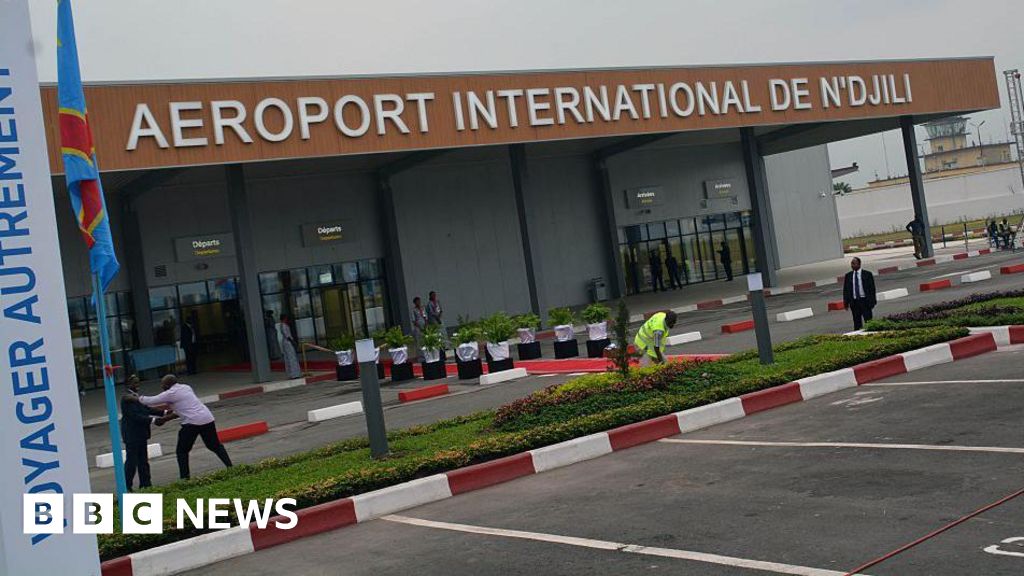
In a significant development for Central Africa, the recent negotiations between the Congolese government and the Rwanda-backed M23 rebels herald a tentative step toward de-escalating ongoing hostilities. Both parties announced commitments to facilitate humanitarian aid, safeguard civilians and critical infrastructure, and establish a monitoring mechanism for a permanent ceasefire. While such declarations are promising, the real measure of their success will be gauging whether these pledges translate into sustained stability in a region historically plagued by conflict and proxy interests.

Analysts and international organizations, including the United Nations and various regional watchdogs, have underscored the critical importance of these talks. The conflict in eastern DR Congo is layered with complex geopolitical undercurrents involving neighboring countries and distant global actors. The M23 insurgency, initially a local movement, has grown into a symbol of broader regional unrest, often linked to Rwanda’s strategic interests. Critics warn that without addressing underlying grievances and regional power dynamics, any ceasefire may be superficial, risking the return to violence once initial troop withdrawals or ceasefire monitoring efforts falter.

The geopolitical impact extends beyond the immediate conflict zone. The fragile agreement signals a potential shift in regional alliances and perceptions of stability, which influence international investment and diplomatic engagement. Countries like Uganda and Burundi face mounting pressure to counteract proxy violence, while the European Union and United States continue to monitor developments closely, wary of unleashing chaos that could spill into neighboring East African nations. The decisions made in these negotiations could either catalyze a broader process of stabilization or pave the way for renewed chaos if external powers and local actors fail to uphold their commitments.

Historians and strategic think tanks warn that the true test lies in translating diplomatic gestures into tangible outcomes. Political analyst Dr. Samuel Greene emphasizes that “history shows that ceasefires in conflict zones like eastern DR Congo are often fragile, reliant on external peacekeepers, and subject to immediate re-escalation if underlying grievances remain unaddressed.” This underscores the critical need for sustained international engagement, transparent monitoring, and genuine reconciliation efforts. Without these, the region risks spiraling into deeper turmoil, undermining decades of fragile peace efforts and endangering the sovereignty of local states.

As the world watches, both the Congolese government and the M23 rebels are at a crossroads. Their handshake could be a prelude to lasting peace or a veneer concealing unresolved conflicts. The decisions taken in the coming days will echo through history’s corridors, defining whether Eastern Congo can finally find stability or remain ensnared in the cyclical violence driven by external interests and internal divisions. The weight of history is pressing heavily, and only time will reveal if this gamble on diplomacy is the final chapter or merely a fleeting pause in an ongoing struggle for sovereignty, security, and peace.

India stands firm against criminalizing marital rape — our new series explores why.

The recent surge of interest surrounding Chiraiya, a widely viewed media phenomenon that has captivated millions across various social platforms, has ignited a fierce global debate on issues of consent and misogyny. This entertainment icon, initially celebrated for its innovative storytelling, has inadvertently become a catalyst for conversations transcending entertainment, touching sensitive topics that resonate with societal values worldwide. International observers note that such digital phenomena are increasingly influential, shaping perceptions and fueling debates that often extend beyond borders.

Experts from notable institutions such as the United Nations Educational, Scientific and Cultural Organization (UNESCO) and acclaimed cultural analysts emphasize that the popularity of Chiraiya exposes the complex interplay between modern media and societal norms. As social media amplifies these discussions, citizens across nations scrutinize their own cultural practices and legal frameworks related to gender relations. Many see this as a pivotal moment—a societal mirror—reflecting deeper, often unspoken issues surrounding gender dynamics, and the ways media influences collective consciousness. Historians, such as Dr. Elizabeth Monroe from Harvard, argue that such phenomena serve as historic indicators; they signal shifting social paradigms that demand rigorous examination and, potentially, policy response.

Nevertheless, the phenomenon also raises significant geopolitical repercussions. Countries in regions with deeply ingrained traditional views on gender roles find themselves at crossroads. Some governments are grappling with how to regulate content without infringing upon freedom of expression, while also addressing concerns over misogyny that some believe are inflamed by entertainment content. The debate echoes the ongoing tension within many nations’ legal and social systems—a tension that international organizations warn could escalate if left unaddressed. The World Health Organization (WHO) has issued statements emphasizing the importance of responsible media consumption, highlighting that unchecked propagation of misogynistic narratives may foster environments conducive to violence or discrimination.

Furthermore, the ripple effect of this debate touches diplomatic corridors, where international human rights frameworks are being challenged and reinterpreted. As nations observe each other’s responses—from legislative measures to public discourse—this cultural moment has the potential to influence geopolitical alignments. Countries that aggressively reform policies or tone down gender-based narratives may strengthen their reputations as modern, progressive states, while those perceived as complacent risk diplomatic criticism. Analysts like George Harrison from the International Crisis Group warn that the battle for cultural influence extends into the realm of international diplomacy, with media as the new battleground.

As history continues to unfold, the enduring significance of this phenomenon rests upon whether societies will harness this momentum to enact meaningful change or succumb to divisiveness. It remains an open question: Will this digital discourse catalyze a broader awakening towards gender equality, or will it deepen the divides that threaten to fracture social cohesion? The world watches—aware that, at this pivotal juncture, every decision shapes the trajectory of social justice for generations to come. The pages of history are being written, and the weight of the present moment promises to echo forward, echoing into an uncertain future—where the true battle for cultural sovereignty is only beginning.

Cuba Faces Power Cuts—Young Islanders Stand Firm Amid Hardship

Critical Power Outages and Rising Tensions in Cuba

The recent collapse of Cuba’s national electric grid on 16 March has underscored the profound vulnerabilities facing the island nation amidst escalating US-imposed sanctions. After days of blackout chaos, the grid has finally been restored, yet the damage to the nation’s socio-economic fabric remains profound. The outage, which persisted for hours or even days in different regions of the island, has not only plunged homes into darkness but has also ignited widespread public unrest. Small groups of residents in Havana and other urban centers have taken to banging pots in protest, symbolizing growing dissatisfaction fueled by fuel shortages, food crises, and medicine scarcity. Such unrest culminated in a rare violent protest on 14 March, where demonstrators set a building ablaze in the northern part of the country—an unmistakable sign of the tension simmering beneath the surface.

Analysts and international commentators warn that these blackouts are but a symptom of a deeper, geopolitical crisis. Washington’s strategies of applying maximum economic pressure—primarily through the blockade—are isolating Cuba from vital supplies. The ongoing restrictions on oil imports have crippled the island’s energy infrastructure, exacerbating existing shortages and impoverishing society further. According to retrospective analysis from historians such as Herbert Matthews and oceanic-level think tanks, U.S. policy under successive administrations has long aimed to weaken Cuba’s socialist government, but the recent rhetoric indicates an ominous shift towards overt intervention. In early March, President Donald Trump hinted at a possible U.S. takeover, describing the island as “ready to fall.” Such provocative statements echo Cold War-era fears and threaten to escalate the already fragile dynamic between the two nations.

International observers and organizations, including the United Nations, have expressed concern over the stability of Cuba but remain wary of direct U.S. intervention. The U.S.-Cuba relationship has long been characterized by ideological confrontation, and recent developments seem to mark a significant escalation. The possibility of renewed aggression or even covert operations raises fears of a broader regional conflict. Experts caution that the decision by the U.S. to tighten sanctions and threaten intervention is not only a gamble with Cuba’s delicate social fabric but also a potential spark for instability that could ripple through Latin America and beyond. The situation remains a volatile chessboard, with each move calculated to assert dominance or sway political outcomes in favor of Washington’s interests.

As Cuba struggles to recover from its recent crisis, the geopolitical landscape continues to be shaped by these high-stakes decisions. The island’s plight exemplifies the profound impact of international policies on sovereign nations, especially those with shown resilience despite numerous adversities. The tense spectacle of blackouts, protests, and threatening rhetoric leaves the world pondering the thin line between diplomatic pressure and outright conflict. It is a stark reminder that history is still being written—each decision, each protest, and each act of defiance shaping the future of a nation caught at a crossroads. The weight of history lingers, and the question remains: how will this chapter unfold in the complex tapestry of global power struggles, where the echoes of past Cold War conflicts resonate with renewed urgency?

Anduril boosts defense tech with acquisition of space intel firm ExoAnalytic

Anduril Acquires ExoAnalytic to Accelerate Space Domain Awareness and Defense

In an era where space dominance is becoming a crucial arena for national security and technological supremacy, Anduril Industries, a leader in defense innovation, has announced its acquisition of ExoAnalytic Solutions. This strategic move marks a significant disruption in the way the United States is building its space defense infrastructure, leveraging cutting-edge data collection and processing technologies to enhance situational awareness in high orbit. By integrating ExoAnalytic’s network of 400 telescopes and advanced software, Anduril aims to establish an unprecedented level of real-time tracking of spacecraft, thus redefining the cybersecurity and missile defense landscape.

The deal, which signals a bullish outlook on space-based defense capabilities, comes as Anduril is simultaneously raising a monumental $4 billion funding round from major investors such as Thrive Capital and Andreessen Horowitz. Though financial terms remain private, this infusion underscores investor confidence in the disruptive potential of space domain awareness technologies. This funding surge could accelerate the development of next-generation satellite tracking systems and missile interceptors, positioning Anduril at the forefront of a rapidly evolving industry. The integration of ExoAnalytic is not just a mere acquisition; it signifies a strategic pivot towards creating a holistic space situational awareness platform capable of supporting military operations and safeguarding assets in orbit.

Of particular importance is the potential application of ExoAnalytic’s machine vision algorithms, originally developed for satellite tracking, in intercepting incoming threats. Such advancements are poised to disrupt traditional missile defense paradigms, especially as the U.S. ramps up deployment of the Golden Dome missile defense system, which aims to deploy hundreds or even thousands of satellites to monitor and respond to ballistic threats. The technology pipeline now includes plans for launching three internally-funded spacecraft this year—capabilities derived directly from the acquisition—that will leverage infrared tracking and high orbit surveillance, offering unparalleled real-time space domain awareness. This move aligns with expert analysis from MIT and industry leaders who emphasize the criticality of disruptive innovation and rapid deployment in defending space assets.

Furthermore, U.S. Space Force officials have expressed alarm over Chinese and Russian satellites operating in close proximity, raising fears of electronic interference or direct attack. As Elon Musk and Peter Thiel have previously warned, space is becoming a new frontier for hybrid warfare, pushing the U.S. to innovate faster than adversaries. With this acquisition, Anduril solidifies its position not just as a defense contractor but as a pioneer orchestrating a paradigm shift toward dominance in space. The urgency for next-generation tracking, combined with the rising geopolitical stakes, underscores a future where technological disruption in space could determine the balance of global power.

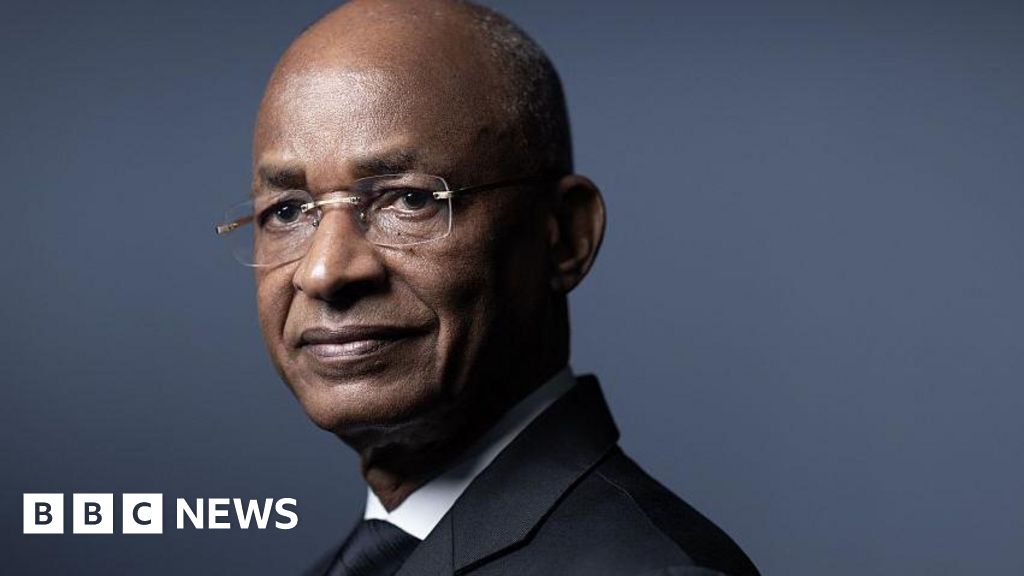
Guinea Opposition Leader Diallo Urges Youth to Stand Firm After Parties Dissolved

In a decisive move, Guinea has embarked on a relentless campaign targeting its political landscape, with the announced closure of headquarters and local offices for 40 political parties. This decree, issued late last Friday by the country’s ministry of territorial administration and decentralisation, also bans the use of party logos, acronyms, and symbols—an overt effort to curtail political pluralism and manipulate the electoral terrain. By stripping parties of their organizational presence and branding, the government aims to tighten its grip on political dissent amid ongoing instability.

The geopolitical impact of this crackdown extends beyond just Guinea, resonating across West Africa and raising concerns among international partners and regional entities. Analysts warn that such measures, which threaten to silence opposition voices, may undermine democratic processes and escalate tensions at a time when the nation is already grappling with ethnic divisions and economic hardship. For instance, the African Union and the Economic Community of West African States (ECOWAS) have expressed trepidation over these developments, emphasizing the importance of political pluralism in maintaining regional stability. These organizations frequently observe that governmental overreach during fragile political moments can either pave the way for enhanced authoritarian control or ignite cycles of unrest.

Within Guinea, the immediate implications of the decree are profound. Opposition leaders and civil society groups argue that this move constitutes an attempt by the authorities to manipulate upcoming elections and prevent marginalized voices from participating. Historians and political analysts cite Guinea’s turbulent history of military coups and authoritarian rule—highlighting the critical juncture at which the nation now stands. As Dr. Aisha Conteh, a West African political historian, emphasizes, “Suppressing political organizations often signals a retreat from democratic norms, and history shows that such actions tend to deepen divisions rather than heal them.”

In the broader international context, the decision underscores the fragile state of governance in many parts of Africa, where governments often prioritize consolidating power over respecting democratic principles. Scholars warn that the closing of political offices and banning symbols serve as warning signs of authoritarian drift—a pattern seen in other regions where populist leadership exploits crises to dismantle institutional checks and balances. The world watches with wary eyes as Guinea navigates this perilous path, knowing that the repercussions will ripple far beyond its borders. As the global community debates whether external pressure can sway such internal decisions, the unfolding tension continues to shape the continent’s political destiny.

Ultimately, history repeatedly demonstrates that the sawing of political roots—no matter how convenient in the short term—often bears the bitter fruits of long-term instability. With the specter of political repression looming large in Guinea, the question remains: how will this act of suppression redefine the nation’s trajectory? Will it serve as a catalyst for renewed unity, or will it deepen divisions that threaten to unravel Guinea’s fragile democracy? As the pages of history turn, the voices of countless young citizens and resilient opposition figures echo the urgent call for justice and transparency, their hopes intertwined with the fate of their nation—a story still being written, with consequences that will resonate for generations to come.

Iran vows to stand firm against aggression, says UK ambassador

The recent diplomatic developments involving Iran mark a noteworthy shift amidst ongoing geopolitical turbulence. Following President Masoud Pezeshkian’s formal apology, a rare gesture that signals a potential thaw in Iran’s strained relations with the West, the Iranian ambassador to the UK responded affirmatively to requests for dialogue. More striking was the ambassador’s invitation to meet at Iran’s London embassy, a site steeped in history and symbolism, representing decades of mistrust and diplomatic upheaval. This encounter is emblematic of broader shifts in regional dynamics, indicative of Iran’s attempts to recalibrate its international posture amidst mounting internal and external pressures.

Experts and international organizations have closely scrutinized this development, viewing it as a potential harbinger of diplomatic recalibration or, at the very least, a strategic demonstration of openness by Tehran. International analysts suggest that the gesture could be aimed at fostering dialogue in a bid to ease sanctions and revive economic prospects. However, critics remain skeptical, warning that such overtures might be driven more by internal political calculations or economic necessity than genuine diplomatic intent. The geopolitical impact of these exchanges extends well beyond Iran and the UK. They resonate across the Middle East and beyond, challenging long-standing narratives of hostility and posing questions about the future of regional stability.

Many historians and geopolitical analysts point to the history of conflicts and treaties that have shaped Iran’s international relations, emphasizing that today’s gestures must be understood within this context. Former diplomats warn that the current rapprochement could be a strategic move for Iran to reset its image and leverage negotiations regarding nuclear activities and sanctions. Meanwhile, United Nations officials continue to monitor developments, eager to see if these diplomatic openings translate into tangible progress or serve as mere diplomatic theater. Yet, as the world watches, the underlying tensions—rooted in decades of mistrust, regional rivalries, and global power plays—persist beneath this veneer of diplomacy.

In the grand arc of history, these moments of diplomatic innovation are often fleeting preludes to more complex realities. Will this gesture mark the beginning of a lasting peace, or merely a fleeting shift in diplomatic rhetoric? The answer remains uncertain amid the swirling uncertainties of international politics. What is undeniable, however, is that such overtures are more than mere formalities. They are a testament to a windswept geopolitical landscape, where alliances can shift overnight, and history continues to be written with each diplomatic move. As nations navigate this turbulent terrain, the unfolding saga of Iran’s relations with the West serves as a stark reminder: in geopolitics, the future often hinges on the fragile weight of the present, and the choices made today will echo through generations to come.

Bill Gates’ nuclear firm scores green light for breakthrough next-gen reactor

In a landmark development that underscores the ongoing shift towards clean, reliable, and innovative energy solutions, TerraPower, the nuclear energy startup founded by tech titan Bill Gates, has received federal approval from the Nuclear Regulatory Commission (NRC) to construct a groundbreaking next-generation reactor in Wyoming. This milestone marks the first time in U.S. history that a commercial-scale, advanced nuclear power plant has secured such a permit, signaling a significant disruption in the national energy landscape. The project is slated for completion by 2030 and redefines the trajectory of nuclear technology, emphasizing safety, efficiency, and sustainability.

The Wyoming plant is positioned at the forefront of disruptive innovation in nuclear engineering. Unlike traditional reactors, TerraPower’s design emphasizes a smaller, more modular approach that aligns with the evolving demands of modern electrical grids under the pressure of burgeoning AI data centers and digital infrastructure. According to industry analysts at Gartner and MIT’s Nuclear Innovation Initiative, this development could catalyze a new wave of nuclear deployment, significantly reducing reliance on fossil fuels and untangling the energy crisis intensified by climate change. With construction expected to conclude within five years, this plant symbolizes a pivotal shift where safe, sustainable nuclear power becomes a core component of national energy strategies.

  • Advanced reactor designs that prioritize safety and waste management efficiency
  • Smaller, faster-to-deploy modules suitable for diverse grid demands
  • Potential to revolutionize clean energy deployment amidst climate and geopolitical pressures

Bill Gates recently articulated the broader implications of this innovation in a 2024 interview with The Verge, emphasizing how nuclear energy’s evolving designs can play a crucial role in combating climate change. “We’re exploring reactors that not only minimize safety concerns but also optimize fuel use and waste handling,” Gates explained, highlighting the importance of disruptive technology in crafting resilient energy systems. This strategic push aligns with market trends that see nuclear power as an indispensable part of the transition away from carbon-heavy sources and toward a more sustainable future. Industry leaders and policymakers globally are watching closely, recognizing that the success of TerraPower’s Wyoming project could establish a new blueprint for business innovation in nuclear energy, opening doors for investors and entrepreneurs eager to capitalize on the clean energy revolution.

Looking ahead, the implications of this development extend far beyond Wyoming’s borders. As governments and private sector players enhance investment in nuclear innovation, the global energy market stands on the brink of a paradigm shift. The race is on to develop smaller, safer, and more adaptable reactors that can integrate seamlessly into complex energy ecosystems, responding swiftly to the demands of AI-driven economies and decentralized grids. The coming decade will undoubtedly be transformative, with the potential to disrupt traditional energy giants and establish new industry titans dedicated to sustainable and disruptive nuclear breakthroughs. The urgency to innovate has never been greater, and TerraPower’s Wyoming project exemplifies the aggressive pursuit of technological advancement essential for shaping a resilient, clean energy future.

Iran's regime remains standing—stay tuned to see if it can hold firm in the coming days.
Iran’s regime remains standing—stay tuned to see if it can hold firm in the coming days.

In a time of escalating tension*, Iran finds its leadership deeply engulfed in a crisis of both confidence and security. As US and Israeli strikes persist in targeting strategic sites across Iran, the country’s political and military elites grapple with mounting pressure to maintain stability amidst an uncertain international landscape. This unfolding scenario underscores the profound geopolitical impact of external intervention and the delicate dance of diplomacy in a region fraught with historical grievances and current conflicts.

For years, Iran has been at the center of global strategic calculations, often viewed through the lens of its contentious nuclear program and regional influence. The recent surge in military actions, however, marks a turning point that could redefine regional power dynamics. Analysts from the International Crisis Group and seasoned historians recognize that Iran’s leadership faces a critical juncture, where the decisions made today will ripple through decades to come. These strikes aim to hinder Iran’s nuclear ambitions but also risk provoking a broader conflict, with the potential to destabilize the Middle East further and challenge international norms.

The crisis extends beyond tangible military targets, touching the very fabric of Iran’s societal foundations. Iranian officials are under enormous strain as they seek to project an image of resilience and control, even as internal dissent simmers beneath the surface. Leadership in Iran is acutely aware that their response could either bolster national unity or deepen divisions, all while navigating a complex web of international alliances and enmities. The ongoing strikes serve as a stark reminder of how external actors can influence internal politics, with consequences that resonate across borders and generations.

  • US and Israel assert that their actions aim to prevent Iran from acquiring nuclear weapons, maintaining that such measures are necessary for regional security;
  • Iran claims that these strikes are acts of aggression that violate sovereignty and threaten regional stability;
  • International organizations, including the United Nations, have called for de-escalation, but their influence remains limited amidst escalating tensions;
  • Historic developments, as noted by analysts, suggest that these military actions could accelerate Iran’s pursuit of strategic autonomy, potentially spawning new alliances or rivalries.

As this saga continues to unfold, the geopolitical landscape remains precariously balanced on the edge of a precipice. The decisions made by Iran’s leadership in the coming days will not only shape their nation’s trajectory but also influence the broader quest for stability and influence in a tumultuous region. History’s pen remains poised, poised to record whether this moment sparks the dawn of renewed conflict or the cautious emergence of a fragile peace.

Social Media Auto Publish Powered By : XYZScripts.com