Matox News

Truth Over Trends, always!

Zevo Ventures plans to boost its car-share fleet with robotaxis, kicking off with fresh face Tensor

Emerging Autonomous Vehicle Startups Disrupt Traditional Automotive Industry

In a landscape increasingly defined by **innovation** and **disruption**, startups like Tensor are challenging the conventional automotive giants with groundbreaking visions of autonomous mobility. Emerging from the China-based firm AutoX, Tensor boldly claims it will be the first to market fully autonomous vehicles to mainstream consumers as early as 2026. Such momentum signals a clear **shift** toward a decentralized, AI-driven transportation ecosystem with significant business implications, including the dawn of **personal AVs** and **peer-to-peer mobility services**.

Tensor’s vision aligns with a broader trend identified by analysts at Gartner and MIT, where the barrier to entry for **robotaxi** networks is lowering, bolstered by startups willing to embrace **risk** and innovation. The company’s forthcoming partnership with Zevo—which intends to deploy up to 100 Tensor AVs—serves as a testbed for **decentralized mobility solutions**. This move hints at a future where individual ownership extends beyond traditional vehicles, ushering in a new era of **personal AI-enabled** transportation, with owners possibly deploying their cars for income-generating services, like ride-sharing—a concept advocated by visionaries such as Elon Musk.

However, the road ahead is lined with formidable **challenges**. Trust in **scaling** autonomous technology remains a critical hurdle, as recent history has shown that many startups faltered when trying to standardize reliable manufacturing processes. Tensor’s limited track record and the **technological gaps** faced by legacy automakers reveal the **competitive landscape’s volatility**. Yet, the startup ecosystem’s agility—coupled with the increasingly supportive regulatory environment—places high-stakes bets on rapid **deployment** and **market capture**. Zevo’s willingness to invest in **software integration** and the potential for **peer-to-peer sharing** platforms exemplifies the industry’s move toward a **networked** model that could redefine how mobility and business intertwine.

As industry leaders and tech innovators forecast, the next decade will be pivotal. Observers like Peter Thiel warn that *”those who control the underlying AI infrastructure will dominate the new economy,”* emphasizing the importance of early bets on companies like Tensor. The convergence of **entrenched tech giants**, **startups**, and **venture capital** signals a **bidding war** for AI supremacy in mobility. This new wave of **disruption** will likely favor those who prioritize **software innovation**, **cost reduction**, and **scalable manufacturing**. With the **driverless revolution** expected to reshape urban transport, logistics, and even personal ownership, every stakeholder must act swiftly to avoid obsolescence.

The future of autonomous vehicles is not merely about safer, more efficient transport—it’s about **changing the very fabric of urban living and commerce**. Innovation-oriented startups are **pushing the boundaries** of what’s possible, prioritizing **flexibility**, **adaptability**, and **user empowerment**. As these **disruptive players** continue to challenge traditional automakers, the industry must adapt or risk being bypassed. With **technological leaps** accelerating, and **business models** evolving at an unprecedented rate, the coming years will be critical. Stakeholders who act with **urgency** and **vision** will determine who emerges as the true **pioneers** of this autonomous future—and those who hesitate may find themselves left in the dust of a **metamorphosing** mobility landscape.
Europe’s Youth Stand Firm Against Russia’s Shadow Fleet Threat

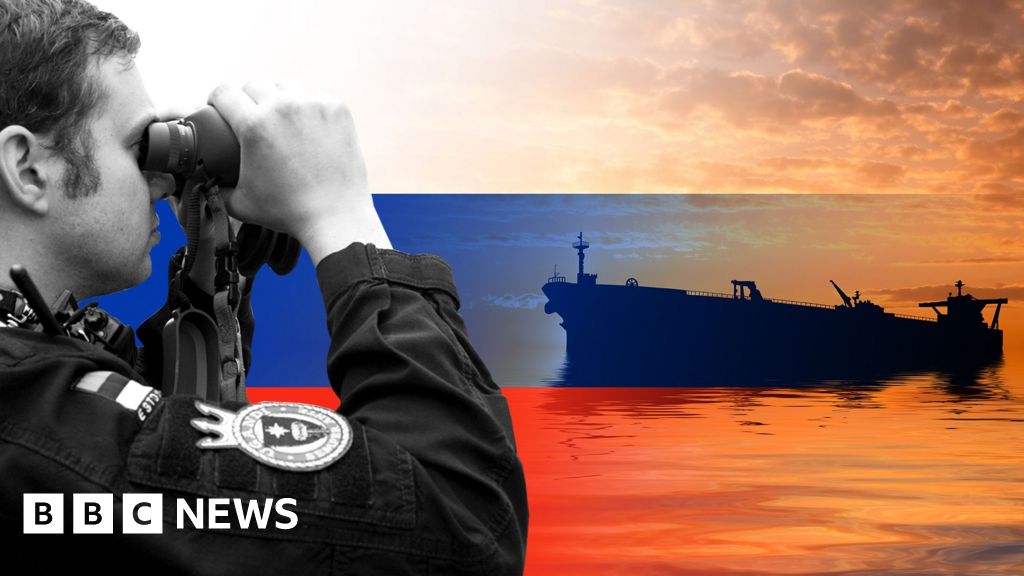
In the waters of the west Baltic, a tense game of maritime cat-and-mouse plays out silently yet intensely. Europe’s coastguards and navies have become the frontline defenders in the ongoing battle over Russian energy exports, with an invisible war waged through covert shipping operations. As Russia continues to counter Western sanctions with a sprawling shadow fleet of unflagged, often stateless tankers, the delicate balance of global maritime law faces unprecedented challenges. Analysts warn that these clandestine activities do not merely signify evasion but threaten the entire rules-based international order, risking environmental disaster and escalating geopolitical tensions.

The shadow fleet refers to a network of hundreds of vessels allegedly used to bypass Western sanctions and cap regulations on Russian energy exports. Observers like historians and maritime analysts warn that this phenomenon marks a significant shift as Russia’s revenues from oil still impressively sustain its economy—revenue that, despite being scrutinized, continues to flow at a substantial clip. According to the International Energy Agency, Russian oil sales in October totalled over $13 billion, with a majority shipped through these questionable vessels. These ships, often cloaked in false flags and with concealed ownership, are not just logistical gambits but are also suspected of engaging in undersea sabotage, illicit drone operations, and deliberate “spoofing” of their locations. The difficulty lies in enforcement: maritime law grants navigational freedom, but stateless vessels are technically not entitled to this, complicating interdiction efforts in international waters.

This clandestine activity has profound geopolitical impact. Countries bordering Russia, like Estonia, are witnessing an alarming increase in vessels passing their waters—often under the guise of legal passage but with suspicious routes and questionable flags. Commodore Ivo Värk of Estonia’s navy describes how dozens of ships, once rare exceptions, are now a routine sight. These vessels, like the tanker Unity, trace complex routes that include frequent trips through the English Channel and across the North Sea—areas traditionally associated with peace and navigation rights. Since 2021, Unity has changed flags multiple times, from Singapore to the Marshall Islands and more recently claiming a false Lesotho registry, highlighting the deliberate obfuscation designed to evade detection. The global shadow fleet now consists of over 450 vessels, according to the IMO—a stark increase that underscores the erosion of accountability in maritime commerce.

International organizations and governments find themselves in a precarious position, with their ability to enforce sanctions hampered by the vessels’ maneuvering tactics. As Europe and the United Kingdom tighten port and transit bans, Russia’s revenues persist, thanks largely to these shadowy ships. The Centre for Research on Energy and Clean Air reports that over 60% of Russian crude exports are now funneled through sanctioned or suspect ships, with emerging markets like China and India emerging as primary buyers. The dilemma for Western policy is stark: stronger actions risk escalating tensions and even provoking direct confrontation, yet the current approach appears insufficient to stem the flow. The BBC reports that vessels like Unity have repeatedly operated despite technical failures, crew changes, and even detentions—further evidence that the shadow fleet has become an entrenched part of Russia’s strategy to sustain its geopolitical interests.

The escalating clandestine naval activities foreshadow a new chapter in the theatre of international conflict—one where maritime law is challenged, the environment endangered, and the global economy under silent stress. As the West endeavors to tighten its grip and suffocate Russia’s energy lifelines, the shadow fleet responds with ingenuity and defiance, cloaking its movements in technological subterfuge. With each passing day, the rules of navigation are tested, and the foundations of modern geopolitics tremble under the weight of unresolved rivalries. In this unfolding saga of maritime shadows, the question remains: how long can a world grounded in law survive when its most powerful instruments are manipulated in the depths of international waters? The course of history now hangs in the balance, awaiting the decisions that will shape the future of global order amid the relentless pursuit of energy and influence.

Shipping boss tied to Kremlin's secret fleet faces charges
Shipping boss tied to Kremlin’s secret fleet faces charges

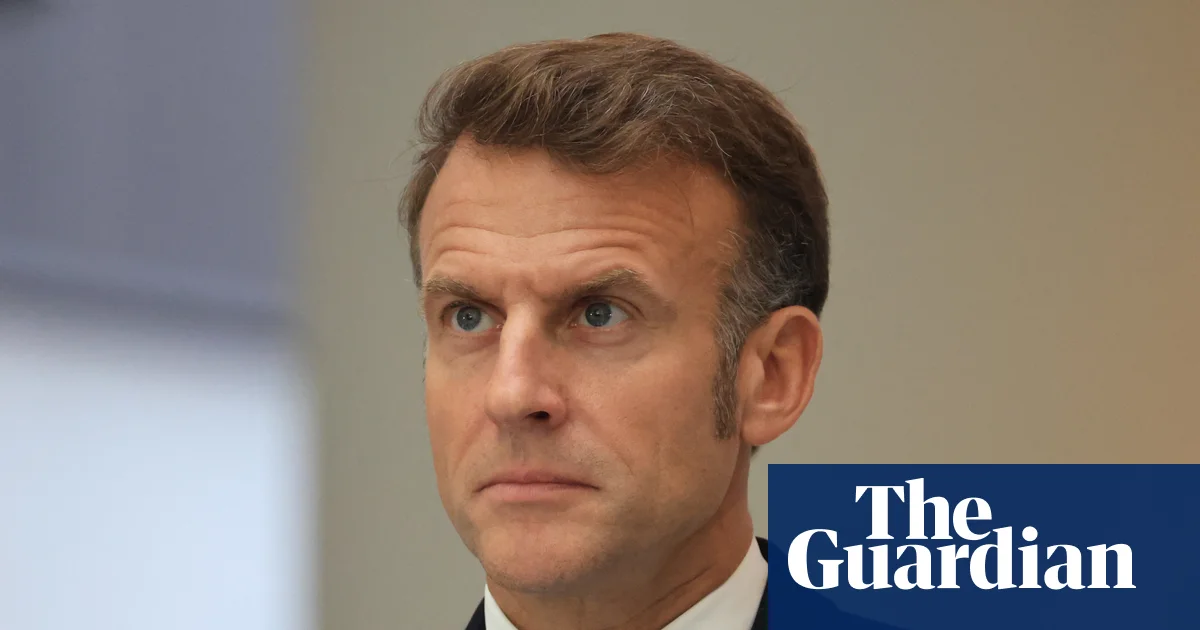
In a striking development that underscores the ongoing geopolitical contest fueled by the Russia-Ukraine conflict, France has taken decisive action against what appears to be a clandestine part of Russia’s shadow fleet. The detention of the Chinese-national captain of the tanker Boracay signals a deliberate attempt by Western nations to clamp down on Moscow’s covert oil operations designed to evade broad-based sanctions. This vessel, believed to be part of a widespread network of tankers—estimated to number between 600 and 1,000 ships, according to French President Emmanuel Macron—has been flagged for its suspicious activities, including attempts to mask its true flags and ownership as it transited European waters.

The detainment of the Boracay followed a surge of European security concerns after it was found near Saint-Nazaire, with authorities accusing it of refusing to comply with naval orders and ambiguity over its nationality. The vessel, registered in Benin—a common practice to obfuscate ownership—has a history of evasive maneuvers, including being detained earlier this year by Estonian authorities for sailing without a valid flag. This pattern highlights the persistent challenge faced by international maritime law enforcement efforts. By seizing the vessel, France aims to send a clear message: Western coalition partners will actively oppose Russia’s attempts to secretly bolster its energy exports, which are vital to its geopolitical resilience amidst sanctions.

This incident also comes amid a broader regional upheaval exemplified by recent drone incursions into European airspace. Incidents over **Denmark**, **Poland**, **Estonia**, and **Romania** suggest a breadth of destabilizing activities that Western nations attribute, at least officially, to Moscow. Despite denials from Russia—which insists that any such incursions are accidental—the pattern of increased military and surveillance activity has compelled a summit on EU security, with leaders like Macron emphasizing the urgency of countering these threats. The placement of drones over airports and military bases underscores a decisive shift towards hybrid warfare strategies—an evolution of conflict that blurs the lines between traditional combat and covert sabotage.

International organizations and security analysts warn that these developments are more than isolated incidents—they reflect a concerted effort by Russia to challenge Western dominance and instill instability within NATO’s eastern flank. The shadow fleet serves as a critical tool in Moscow’s arsenal, providing plausible deniability and strategic flexibility, while the drone activities may be prelude to larger, more aggressive moves. The European Union now stands at a crossroads: advancing sanctions and enforcement or risking unchecked aggression that could escalate into a broader conflict. As French officials scrutinize the vessel’s origins and movements, and as Russia dismisses accountability, the contest for influence in this vital region enters an uncertain, volatile phase. The unfolding narrative is a stark reminder: in today’s interconnected world, the decisions made in this moment will echo through the corridors of history, shaping the balance of power for generations to come.

French Forces Intercept Oil Tanker Tied to Russia’s Shadow Fleet

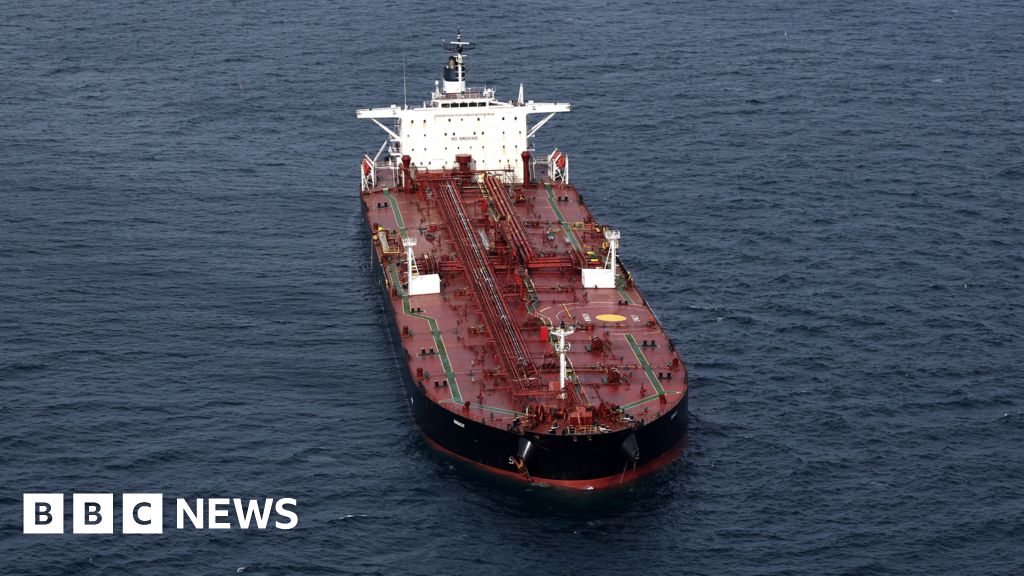
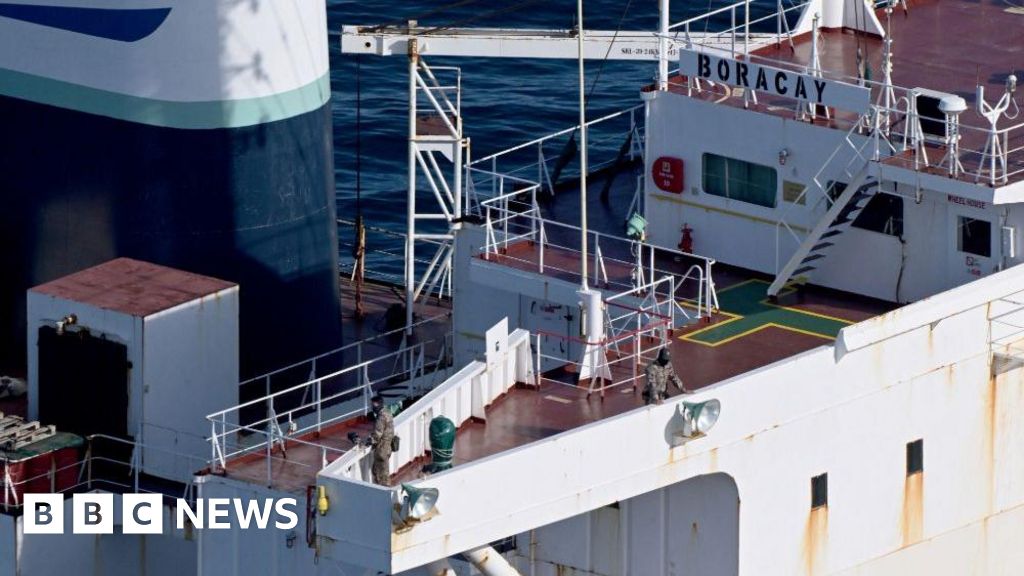
France has taken a bold step in addressing what many analysts now describe as Russia’s clandestine tactics to bypass international sanctions. French soldiers recently boarded the Boracay, a vessel linked to Moscow’s so-called “shadow fleet”—a complex network of ships designed to obscure Russia’s energy exports amid ongoing sanctions imposed due to the war in Ukraine. This operation, believed to be one of the most significant interdictions yet, signals a heightened commitment by European nations to crack down on illicit maritime activity used to circumvent Western restrictions.

The vessel, marked by multiple flags—including Benin, UK, and EU sanctions—had been tracked sailing from the Russian port of Primorsk toward India, passing through strategic points in the North Sea and the English Channel. Its movements, coupled with reports of it being detained earlier this year for sailing without a valid flag, underscore the broader challenge faced by Europe and the West: how to enforce sanctions against a fleet that is deliberately complex and highly adaptable. France’s investigation into the vessel’s conduct, alongside calls for increased maritime vigilance, reflect a strategic pivot aimed at exposing Russia’s covert export mechanisms.

European Union leaders, convening amidst rising tensions, are sharpening their focus on hybrid warfare and energy security. At the Copenhagen summit, EU officials discussed the alarming trend of drone incursions and cyber-attacks, which are increasingly attributed by some experts to Russian hybrid tactics designed to destabilize and intimidate. Danish Prime Minister Mette Frederiksen explicitly linked recent drone disruptions at airports to Russia, framing it as part of a broader pattern of hybrid conflicts designed to challenge Western cohesion and resilience. Numerous countries on the EU’s eastern flank, including Poland and Estonia, face the brunt of such threats, prompting calls for a multi-layered “drone wall”—a defensive system intended for rapid detection, tracking, and neutralization of hostile UAVs.

International analysts, including those from NATO and renowned military think tanks, warn that these hybrid strategies signify a *turning point* in modern conflicts—one where conventional warfare is supplemented (or replaced) by covert operations, cyber attacks, and economic manipulation. The existence of Moscow’s shadow fleet, estimated to encompass between 600 and 1,000 vessels, underscores Russia’s resolve to continue evading sanctions and sustain its energy exports despite intense global pressure. How these maritime and hybrid tactics evolve in the coming months could very well determine the future balance of power in Europe’s east and during broader geopolitical conflicts.

As history unfolds amidst increasing militarization and intelligence operations, the world witnesses a critical juncture. The decisions made—by Europe, by NATO, by global institutions—will echo through decades, shaping the future of sovereignty, security, and international law. The relentless chess game on the high seas and in the skies continues, reminding us that, in the chess match of mighty nations, every pawn, every move, and every secret operation could turn the tide of history—an unfolding saga where the stakes are nothing less than the very future of freedom itself.

France probes oil tanker linked to Russia’s covert fleet

Shadow Fleet and Drone Incursions Highlight Europe’s Geopolitical Tensions

Recent investigations by French authorities into a suspect oil tanker reveal a disturbing layer of hybrid warfare that threatens the stability of Europe. The vessel, known as Boracay, which was flagged in Benin and previously operated under the name Pushpa, is suspected of being part of Russia’s clandestine shadow fleet. This fleet is often used by Moscow to circumvent international sanctions by employing vessels whose ownership and operations are deliberately obscured. As European countries face a series of unexplained drone flights and airspace violations, the incident underscores the intensifying struggle for control over critical maritime and aerial domains, an unprecedented battlefield in modern geopolitics.

The drone sightings over Denmark in September, leading to airport closures in Copenhagen and Aalborg, mark a clear escalation in what officials now term a hybrid war. These drones—likely launched from ships in close proximity—were almost certainly larger, fixed-wing or delta craft that require substantial launch platforms, pointing to a sophisticated level of planning and resource deployment. Denmark’s Prime Minister, Mette Frederiksen, publicly accused Russia of threatening European security, framing the incident as part of Moscow’s broader strategy to destabilize the continent. Meanwhile, NATO and European allies have responded by deploying anti-drone defenses, and upcoming EU summits are now focusing on countermeasures such as the development of a “drone wall” to deter future incursions, revealing a shift toward militarizing new technological threats.

As investigations unfold, the shadow fleet emerges as a key element—one that significantly impacts global oil markets and international sanctions enforcement. The UK, the EU, and other nations have identified vessels like Boracay as integral to clandestine oil trafficking routes that skirt sanctions. The vessel’s history is emblematic: from being detained by Estonian authorities as Kiwala earlier this year, over uncertainty about its registry, to a recent transfer to the Russian fleet, the vessel signifies how Russia’s economic war efforts rely on deceptive shipping practices. Analysts warn that such fleets enable Moscow to evade sanctions, maintain its oil revenues, and fund military operations, thereby challenging Western efforts to isolate Russia economically.

The geopolitical impact of these developments extends beyond immediate security concerns. They highlight a shifting balance where maritime and aerial domains become new theaters for geopolitical competition, with Russia actively testing Western defenses and probing the vulnerabilities of allied nations. The example of vessels like Astrol-1 docking in St. Petersburg or the Oslo Carrier-3 carrying steel from Germany to Lithuania illustrates a complex web of economic and military signals. International organizations, including NATO, are now warning that these covert activities could escalate into open conflict if not decisively countered, creating a tense atmosphere reminiscent of Cold War stratagems but in the age of advanced technology. As history continues to unfold on this shadowy stage, it remains undetermined how long Europe’s resolve can withstand the relentless pressure and deception embedded in Russia’s hybrid tactics, leaving the world poised on the brink of a new era of unconventional warfare where the rules are continually rewritten.

Social Media Auto Publish Powered By : XYZScripts.com