Matox News

Truth Over Trends, always!

Wildfires ravage Georgia and Florida, destroying homes and forcing evacuations—urgent action needed

Wildfires Escalate Across Southeastern United States Amid Record Drought Conditions

In a striking manifestation of the escalating climate crisis, the southeastern United States is experiencing unprecedented wildfire activity, threatening both communities and ecosystems. Over the past week, intensifying wildfires have ravaged parts of Georgia and Florida, forcing mass evacuations and prompting emergency declarations. These events underscore the mounting geopolitical impact of climate change—placing pressure on local, national, and even international stakeholders to address a crisis that transcends borders and demands urgent action.

The Georgia forestry commission issued its first-ever mandatory burn ban, covering 91 counties—a stark indicator of the severity of drought and fire risk in the region. Governor Brian Kemp emphasized that local authorities are coordinating closely with firefighting agencies, urging residents in affected areas to adhere to safety protocols. Meanwhile, smoke from the region’s fires has traveled hundreds of miles, clouding air quality in urban centers like Atlanta, Savannah, and Jacksonville. Health officials have already classified air conditions as unhealthy, with warnings that prolonged smoky conditions could impact vulnerable populations and strain emergency services.

Record Drought Conditions Fueling Unprecedented Wildfire Activity

Data from the US Drought Monitor reveal that over 61% of the contiguous United States is experiencing moderate to exceptional drought—marking the highest levels recorded since 2000. Particularly, Florida endures an exceptional drought, facing over 131 active wildfires that have scorched more than 34 square miles, mainly in the northern parts of the state. Firefighting agencies are contending with a perfect storm of parched land, low humidity, and gusting winds—conditions that experts like climate analyst Dr. Mark Johnson say are “feeding the flames of a catastrophe that is becoming increasingly routine.”

Across the region, the fires have destroyed hundreds of homes, with some reports suggesting that the total wildfire footprint exceeds 31 square miles just along Georgia’s coast. Emergency crews are staging resources strategically, recognizing that the outbreak of wildfires—some growing sixfold within hours—poses a persistent threat. The Federal Emergency Management Agency (FEMA) reports that nearly 800 residents have been evacuated from hotspots such as Brantley County, with officials warning residents to remain vigilant as shifting winds could rapidly escalate the danger. This ongoing crisis threatens not only property but also critical infrastructure, highlighting how climate-induced disasters are reshaping national security and socio-economic stability.

Broader Implications for the International Community

As nations worldwide grapple with the consequences of rising temperatures and unpredictable weather patterns, international organizations and analysts warn that these wildfires are a harbinger of a new era—one marked by heightened instability. The United Nations has issued warnings that climate change is accelerating global inequalities, with vulnerable regions bearing the brunt of ecological upheavals. For the United States, a nation often regarded as a leader on the world stage, these crises exemplify the importance of implementing resilient policies and investing in sustainable infrastructure. However, domestic political divisions and misaligned priorities continue to hamper meaningful progress, leaving millions at risk.

Looking through a geopolitical lens, the ongoing wildfires serve as a compelling example of how local environmental issues can ripple outward, influencing international diplomacy and security. Countries with similar vulnerabilities—like Australia, Canada, and parts of Europe—are closely watching the US experience, as it underscores the potential for climate crises to destabilize societies and economies worldwide. Historians and analysts argue that the current wildfire season might well be remembered as a pivotal turning point in global climate policy—one that demands a unified response or risk leaving future generations with a legacy of ecological destruction.

As the flames continue to consume the southeastern US and threaten to ignite broader regional instability, the weight of history bears down on global leaders and communities alike. The choices made amidst this crisis—regarding policy, resilience, and responsibility—will determine whether this chapter of environmental calamity accelerates into a new era of chaos or sparks a concerted effort to forge a sustainable future. In the shadow of these raging fires, the world watches and waits, acutely aware that history is still unfolding, and the true cost of inaction may yet be written in smoke and ash.

Prosecutors demand Tiger Woods’ prescription records following Florida arrest

Recent developments in international legal proceedings have highlighted the increasing intersection between domestic judicial systems and broader geopolitical influences. An upcoming legal order concerning a golfer’s medication regimen, including detailed instructions on dosage and driving warnings, exemplifies how legal frameworks are adapting to complex societal issues that transcend national borders. Although seemingly isolated, such cases ripple across global societal norms, policy debates, and diplomatic relations, underscoring the shifting landscape of law and order in a rapidly interconnected world.

This case, which is poised to result in a detailed legal mandate later this month, demonstrates an emphasis on personal responsibility and public safety. As recorded in the court files, authorities are preparing to issue specific directives that will regulate the golfer’s medication intake, fulfilling a broader societal need for accountability and transparency. This move signals a potential escalation in the scope of judicial oversight concerning individual health choices and their wider societal repercussions. These legal actions, while centered on an individual, carry significant geopolitical impact, as they set precedents on how states and international bodies may regulate health issues that intersect with safety and security policy.

Within the international arena, analysts suggest that these domestic legal adjustments reflect a broader trend: nations are increasingly aligning their health governance with security paradigms. Global institutions, including the World Health Organization (WHO), have emphasized the importance of medication safety and driving regulations as critical components of public policy. As noted by leading historians and policy experts, such decisions are often intertwined with national sovereignty, public safety concerns, and the strategic interests of global powers—each seeking to influence how individual freedoms are balanced against collective security.

  • Furthermore, the case underscores the importance of transparent communication and adherence to regulations, shaping societal attitudes towards health and safety directives in a world fraught with uncertainty.
  • As this narrative unfolds, the stakes transcend a single court case. It exposes the delicate balance nations must strike between individual rights and collective security, a tension with profound repercussions on societal cohesion and international diplomacy. Historians warn that these legal decisions may become benchmarks for future policy directions, potentially influencing international treaty formations and cross-border health regulations. As the world watches, the weight of history reminds us that even the smallest legal orders—like controlling medication use—can resonate on a global scale, shaping the very fabric of international stability and societal order. The unfolding story of this legal judgment leaves the international community on the edge of a new chapter—one where individual choices are increasingly intertwined with global security and sovereignty.

    Looksmax influencer Clavicular nabbed in Florida on battery charge
    Looksmax influencer Clavicular nabbed in Florida on battery charge

    In an era where social media acts as a conduit for both communication and confrontation, incidents involving individual misconduct can have far-reaching consequences that extend beyond national borders. The recent case of Peters, accused of inciting altercations between two women and subsequently distributing a video of the incident online, underscores a growing concern for international stability and societal cohesion. Such actions, seemingly trivial on the surface, have the potential to ignite social divisions and influence political discourse in an interconnected world increasingly sensitive to the optics of media.

    Experts and international watchdogs have long debated the impact of digital accountability on social harmony. Analysts assert that the proliferation of inflammatory content can exacerbate underlying tensions, threaten public order, and even serve as catalysts for broader societal conflicts. From a geopolitical perspective, nations tracking these incidents are increasingly aware that online behavior—though seemingly personal—can blur the lines between individual actions and national security. Governments are now contemplating stricter regulations on social media platforms to curb the dissemination of damaging content, emphasizing the importance of responsible digital citizenship in maintaining societal stability.

    Significantly, the international community’s response to such incidents often reflects wider geopolitical tensions. Western nations, in particular, are scrutinized for their shifting policies toward digital freedoms, with some fearing that overreach could stifle free expression, while others advocate for harder restrictions to prevent social unrest. Meanwhile, countries with authoritarian tendencies tend to use such cases as justification for tighter controls, asserting that social media misconduct threatens public morality and political order. As diplomats and security analysts debate the balance between individual liberties and national security, the incident involving Peters becomes emblematic of larger conflicts over the role of technology in shaping social fabric and geopolitical stability.

    Historically, such controversies are not isolated; they serve as a reminder that how nations respond to digital challenges often determines broader international relationships. Organizations like the United Nations have issued guidelines advocating responsible digital conduct, yet the enforcement of such standards remains fragmented. For analysts, the case of Peters emphasizes that the digital sphere is a new battleground for ideological influence—where narratives can escalate into diplomatic crises. As social media continues to evolve, the weight of history urges today’s leaders to consider not just domestic repercussions, but also the long-term geopolitical consequences of online misconduct.

    As the world watches, the incident underscores the fragile mosaic of modern diplomacy, where individual actions ripple outward, shaping alliances, conflicts, and societal norms. The story of Peters may be a chapter in a larger narrative—one marked by the struggle to find a balance between liberty, responsibility, and security. For nations eager to safeguard their interests in this complex age, the question remains: how will history judge the responses to these digital incidents? The answers may well determine the legacy of today’s generation in the grand tapestry of global history, a story still being written as the shadows of the past inform the dawn of tomorrow.

    Tragedy strikes: Two dead after small plane crashes during hurricane relief trip to Jamaica in Florida
    Tragedy strikes: Two dead after small plane crashes during hurricane relief trip to Jamaica in Florida

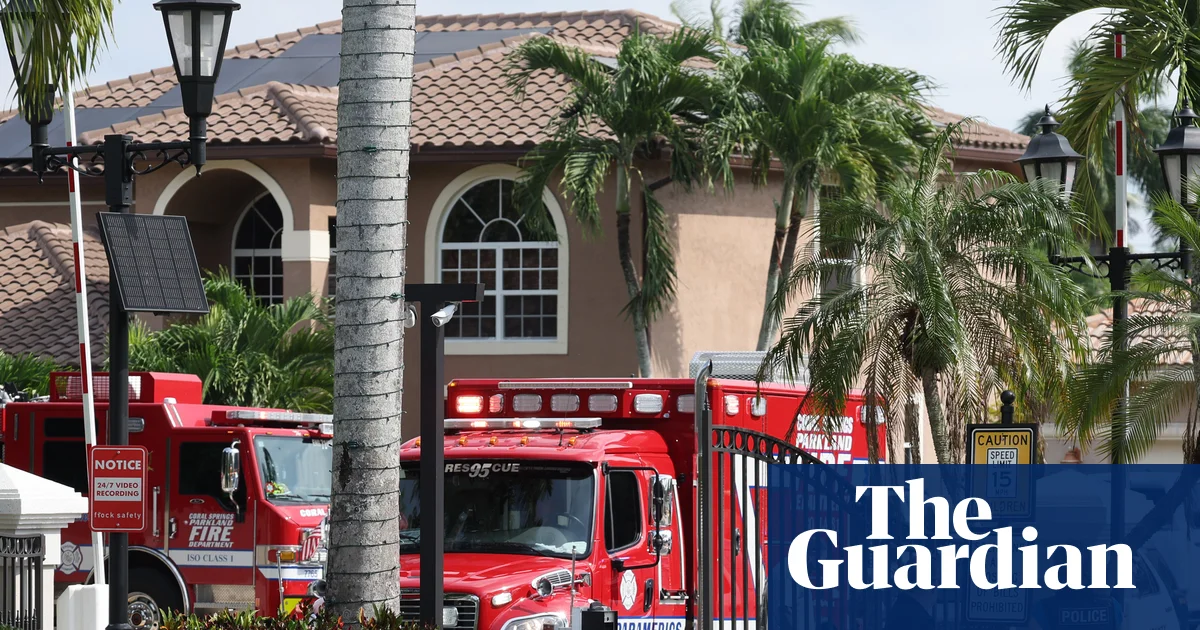
    The recent crash of a small turboprop plane in Coral Springs, Florida has sent shockwaves through a region still reeling from the devastation wrought by Hurricane Melissa. The incident, which resulted in the tragic deaths of two individuals shortly after the aircraft took off on a hurricane relief mission, highlights the lingering vulnerabilities faced by communities in the Caribbean and their diaspora in the United States. While initial reports indicate no damage to nearby homes, the debris trail leading to a pond underscores the dangerous hazards associated with unregulated or poorly documented relief flights in post-disaster zones.

    Analysts point out that the crash’s timing and context are significant, reflecting ongoing geopolitical realities. The plane, a vintage Beechcraft King Air registered to International Air Services, had made multiple recent trips to Jamaica—an island still recovering from the wrath of Melissa, which made landfall as one of the strongest hurricanes in Atlantic history. The fact that the aircraft operated through a company known for trust arrangements for non-US citizens indicates complex international aviation logistics, possibly aimed at circumventing regulatory oversight. This incident raises questions about how international relief operations are coordinated and the safety standards adhered to during these missions.

    The geopolitical impact extends beyond mere accident statistics. Jamaica, a nation of strategic geopolitical importance amidst escalating tensions between global powers, relies heavily on international aid and diaspora support. The devastation caused by Melissa—leaving over 90,000 families displaced and thousands in shelters—has strained local resources, and aid efforts have become a focal point of regional diplomacy. The US’s role, whether through humanitarian missions or private relief contractors, becomes part of a broader contest for influence, especially as emerging nations seek to expand their footprint in Caribbean assistance and recovery. The crash consequently underscores a broader need for coordinated international oversight, lest relief efforts become entangled with geopolitical rivalries or neglect safety protocols in pursuit of quick aid delivery.

    Meanwhile, local communities and international organizations are grappling with the immediate aftermath. Emergency responders, as described by officials like Mike Moser, responded swiftly, but the debris and fuel spill have created environmental and safety concerns. The ongoing investigation by federal aviation authorities aims to uncover whether mechanical failure, pilot error, or regulatory lapses contributed to the crash. Historically, experts like aviation safety analyst Dr. Raymond Chen warn that in the hurried rush to assist disaster zones, safety often takes a backseat, risking further tragedies. As authorities maintain a heavy police presence and continue evidence collection, the incident functions as a stark reminder of the fragile interface between aid, safety, and geopolitics in regions vulnerable to natural catastrophes.

    As the world observes, this event underscores how aircraft, often seen as mere tools of aid, are also symbols of broader international dynamics. The hurricane’s aftermath, with Jamaica still in recovery, reflects the unending story of resilience underscored by vulnerability—a narrative that history keeps writing with each new chapter. The toll of Melissa, compounded by the tragedy in Florida, leaves a haunting question: in an era of rapid geopolitical shifts and climate turmoil, how will nations navigate aid, safety, and sovereignty? The weight of history presses heavily on the horizon, and as this unfolding drama continues, the global community watches, waiting for answers that could redefine the boundaries of international cooperation amid adversity.

    Florida Couple Targeted: Suspects Use Apple AirTag to Track and Ambush in Bold Attack

    The Cultural Impact of AirTags: From Convenience to Controversy

    In today’s fast-paced and interconnected society, technology companies continue to develop tools that shape our daily lives. Among the latest innovations, Apple’s AirTag stands out as a game-changer in personal item tracking, promising unparalleled convenience for the average user. With a simple attachment to personal belongings, users can now keep tabs on everything from keys to luggage, blending seamlessly into a lifestyle rooted in efficiency and security. This shift in behavior underscores a broader societal craving for control and peace of mind in an increasingly unpredictable world.

    However, as with many technological advancements, the cultural impact of AirTags has extended beyond their initial purpose. The viral stories emerging from their misuse reveal a darker side: they are now being exploited for nefarious purposes. Recent reports from Florida highlight a disturbing trend where individuals use AirTags to stalk or track others without their knowledge, revealing a potential social rift. In a shocking incident, a Tampa couple was targeted by suspects who planted an AirTag on their SUV, tracking them to their home. The suspects then attempted an abduction at gunpoint before fleeing when an alarm was triggered. Such incidents have prompted public debates about privacy and security, reflecting a societal tension between innovation and the potential for misuse.

    The Shift in Social Behavior and Norms

    The escalating concerns about unwanted tracking highlight an urgent need for awareness. Apple’s efforts to educate users—through alerts and step-by-step guides—signal a recognition that technology’s social relevance is growing. For example, iPhone users are advised to activate location services, Bluetooth, and notifications to be alerted if an unknown AirTag is detected nearby. Android users are similarly encouraged to enable their own tracker alerts, emphasizing the shift in societal responsibility toward individual digital security. This evolution in user awareness demonstrates a societal acknowledgment that technological empowerment must go hand-in-hand with heightened vigilance.

    Moreover, influencers and watchdogs on social media are amplifying these messages, encouraging young people to stay informed. Notable privacy advocates argue that these trends are not merely about gadgets but are central to understanding the social contract in a digital age. Sociologists suggest that this new awareness marks a cultural shift—from passive consumers of tech to active guardians of their own privacy. As tech companies continue to innovate, society’s collective behavior is echoing a need for ethical considerations and accountability—a move that could reshape future tech design and usage norms.

    The Future: A Balancing Act

    Where does this leave us? The narrative seems to be moving towards a delicate balancing act: innovation that enhances our lives without crossing into the territory of intrusion. The emergence of tracking misuse prompts a pressing question: will future advancements in personal technology prioritize privacy and ethical safeguards or continue to prioritize convenience at any cost? The next big question is whether society will leverage this awareness to push for stronger regulations and responsible design, or if the urge for convenience will outweigh concerns for individual rights.

    As this debate unfolds, one thing remains clear: the technology we embrace today will inevitably shape the social norms of tomorrow. Young users, in particular, must ask themselves—are we crafting a future where innovation and privacy coexist, or are we unknowingly paving the way for a society where unseen eyes are always watching? The rise of AirTags may seem ordinary now, but the story they tell about our values and priorities could define the next chapter in the digital age.

    Florida man accused of killing and eating his own pet peacocks, authorities say
    Florida man accused of killing and eating his own pet peacocks, authorities say

    Recent events from Florida underscore a disturbing trend that transcends regional boundaries—acts of cruelty and violence that reflect broader societal tensions and value shifts. The case of Craig Vogt, a 61-year-old man charged with killing and consuming his pet peacocks out of spite, highlights how personal conflicts can escalate into extraordinary acts of cruelty. Such incidents may seem isolated, yet they serve as a stark mirror to underlying issues that resonate across nations and cultures: the erosion of civility, the rising influence of individual alienation, and the unpredictable consequences of unchecked emotion. Internationally, analysts warn that these outbursts point, {\em perhaps} alarmingly, to the fragility of social cohesion amid rapidly changing societal norms.

    This case also raises questions about the underlying legal and cultural frameworks that address animal cruelty, a matter of global concern validated by institutions such as the World Organisation for Animal Health (OIE) and several national agencies. While the United States continues to grapple with inconsistent legislation across states, the incident exemplifies how personal grievances can manifest in extreme acts of violence, with potential ripple effects on community safety and social trust. Historians often cite that acts of individual violence are frequently shaped by a complex web of societal factors: economic struggles, mental health issues, or cultural attitudes. As the US justice system considers this case, international organizations observe that such stories should serve as cautionary tales, prompting a reevaluation of community support mechanisms and animal welfare laws that might prevent further tragedies.

    On a broader geopolitical spectrum, the repercussions of seemingly isolated incidents contribute to the ongoing narrative of societal stability. When individual acts of cruelty go unchecked, they threaten to undermine the moral fabric of community life—an issue that populates the agendas of both emerging nations and established powers. The European Union, for instance, maintains strict animal protection policies, recognizing that the health of societal morals directly correlates with international standing and internal safety. Conversely, nations with lax enforcement risk fostering environments where such bizarre acts could become normalized, fueling unrest or destabilization amid already complex geopolitical tensions. International security think tanks warn that these micro-level anomalies, if ignored, could serve as indicators of deeper systemic unrest, especially amid the increasing social upheaval driven by economic downturns or political polarization.

    Ultimately, the story of Vogt and his peacocks might seem an isolated anomaly, but beneath it lies a resonant warning: the choices made by individuals reflect, and threaten to reshape, the societal landscape. As history unfolds, nations must grapple with the subtle but potent influence of personal morality and justice, knowing that even the smallest actions can echo through the corridors of power and history. The collective hope remains that society can learn from such disturbing episodes—transforming tragedy into a catalyst for stronger, more compassionate communities—before the weight of unchecked cruelty inexorably changes the course of history itself.

    Social Media Auto Publish Powered By : XYZScripts.com