Matox News

Truth Over Trends, always!

Chelsea Flower Show Looks for New Sponsors After Mysterious Donors Pull Out

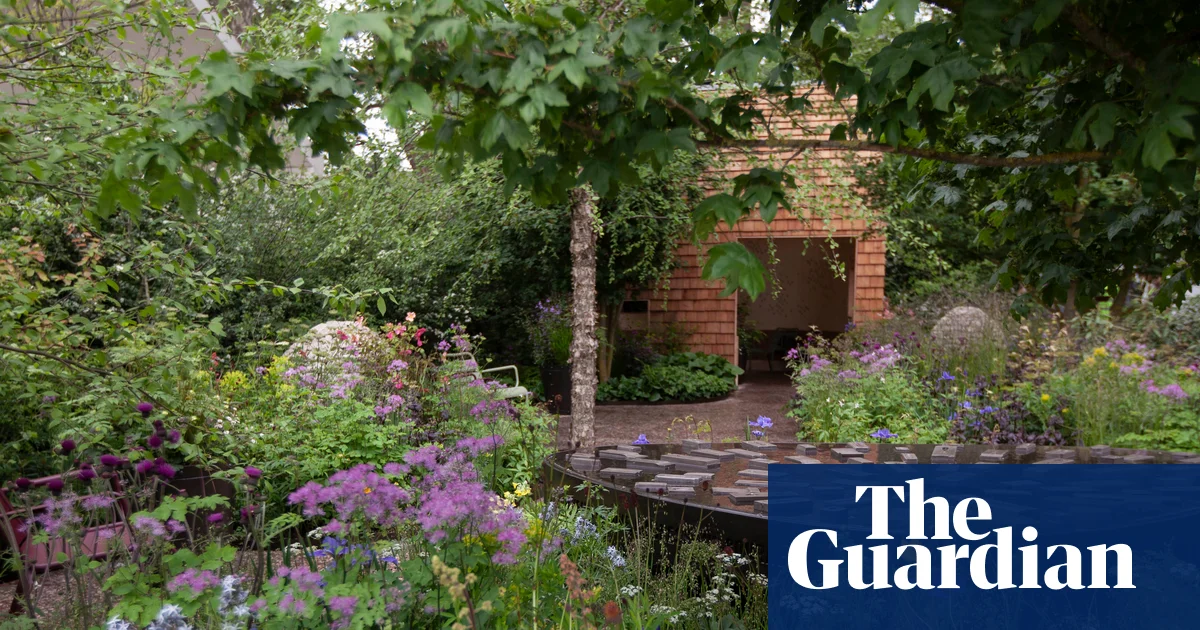
The Chelsea Flower Show, an emblem of global horticultural excellence and a showcase for innovation, is facing a pivotal moment. For decades, the event has depended heavily on corporate sponsors and philanthropic patrons to fund its grandeur, cultural impact, and charitable initiatives. Recently, however, a significant shift has occurred as the mysterious philanthropic couple who invested over £23 million into show gardens since 2022 have withdrawn their support. This development raises questions on the future of Britain’s most storied gardening event and its international influence.

Historically, corporate sponsorship played a dominant role, with brands such as M&G and Range Rover providing the financial backbone for the show’s most renowned displays. Yet, since the 2008 financial crisis and the recent global pandemic, the number of commercial patrons has declined sharply, signaling a broader decline in private sector engagement with high-profile cultural events. In response, the Royal Horticultural Society (RHS) shifted focus to champion charitable causes through the support of garden projects, notably via the initiative, Project Giving Back. Supported by anonymous donors, this movement funded 63 gardens that highlighted social issues and environmental themes, such as native plants and eco-friendly horticulture. Significantly, the innovative “rewilding” garden in 2022—designed to look deliberately unkempt—won the coveted best-in-show award, symbolizing a paradigm shift toward sustainability and natural beauty in gardening.

The current withdrawal of philanthropic support represents a *turning point* for the RHS. With 2027 on the horizon, the organization is seeking new charitable sponsors, aware that the event’s economic model must adapt to an increasingly uncertain funding landscape. Critics and analysts point out that the future of the Chelsea Flower Show hinges on balancing commercial interests with societal and environmental responsibility. Historians like Dr. Jane Matthews note that the event’s history as a platform for both culture and charity underscores its geopolitical significance: it serves as a high-profile international stage for Britain to project soft power, promote environmental awareness, and foster global goodwill. As the show increasingly emphasizes eco-conscious themes, its role in shaping international dialogue on climate resilience and sustainable development becomes even more pronounced.

The last garden sponsored by Project Giving Back will be a dramatic statement, designed by James Basson and featuring striking imagery of cliffs and natural ochre pigments reminiscent of Southern France. This design not only symbolizes a possible glimpse into the future of gardening in a changing climate but also serves as a reminder of the show’s broader role. As international organizations and think tanks analyze the intersection of environmental policy and cultural diplomacy, the Chelsea Flower Show emerges as a vital cultural arena. Yet, the loss of philanthropic support underscores an unsettling reality: without sustained external investment, this global icon risks becoming a relic of bygone eras, its influence diminished in a world where economic and political shifts are reshaping international soft power.

As history continues to unfold, the Chelsea Flower Show stands at the cusp of transformation. Its destiny now intertwined with the ever-shifting currents of global economics, environmental concern, and societal values. The coming years will reveal whether this celebration of horticultural innovation can endure as a beacon of cultural diplomacy or whether it will fade into obscurity amid the relentless tides of change. In the shadow of declining charity and changing priorities, the question remains: what legacy will this iconic event leave for future generations? As the world watches, the story of the Chelsea Flower Show is yet to be fully written—a chapter in a larger narrative of history, resilience, and the enduring power of gardens to inspire and unite.”
Young researcher uncovers rare flower after 13-year quest—proof that dedication pays off

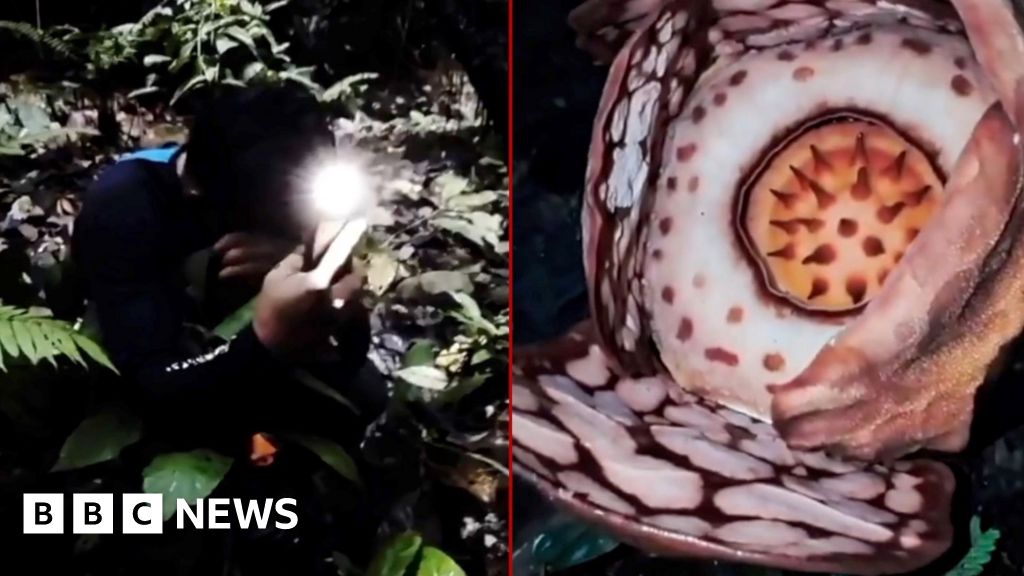
In a landmark discovery that has captivated the natural world, UK and Indonesian scientists have announced the re-emergence of the elusive Rafflesia hasseltii within the lush rainforests of West Sumatra. After over a decade of persistent searching, botanists Septian Andriki and Chris Thorogood confirmed the first wild sighting of this rare floral species since its disappearance from the wild, signaling a potential turning point in conservation efforts in the region. The find underscores the resilience of Indonesia’s biodiversity amid ongoing environmental challenges and highlights the importance of international scientific collaboration in safeguarding endangered species.

The arduous search commenced days prior when the team embarked on a challenging trek through dense, uncharted rainforest territory. Such expeditions are increasingly vital, as Indonesia’s vital tropical ecosystems face threats from deforestation, illegal logging, and climate change. According to conservation experts, this rediscovery could have profound geopolitical implications—not only emphasizing Indonesia’s critical role on the global biodiversity stage but also urging international stakeholders to bolster support for conservation initiatives. Notably, the United Nations Environmental Programme and other multinational bodies have been pressuring countries to protect their natural heritage, yet tangible results remain elusive. The latest breakthrough in West Sumatra now injects new hope—yet also a stark reminder—of the ongoing struggle to preserve such natural treasures against mounting threats.

Historians and environmental analysts warn that the reappearance of Rafflesia hasseltii could symbolize a broader shift in how nations approach conservation and sustainable development. With Indonesia now demonstrating its capacity to restore and protect vulnerable species, regional neighbors and global powers may reevaluate their priorities. The discovery also casts a spotlight on the *underlying tensions* surrounding land use policies in Indonesia, where economic development often clashes with ecological preservation. Such conflicts threaten to undermine international efforts; nonetheless, experts argue that discoveries like this serve as a wake-up call—a reminder of what is at stake if the world fails to act decisively. The implications extend beyond biology, touching the core of how nations balance growth with environmental responsibility.

As history continues to unfold, the sighting of this rare flower has become more than a botanical first—it is a symbol of resilience in a world increasingly at odds with nature. The moment resonates globally, hinting at a future where cooperation and dedicated conservation may still preserve our planet’s most endangered treasures. Yet, the shadow of uncertainty lingers, and the question remains: will this victory be enough to turn the tide of ecological decline, or will it merely serve as a fleeting glimpse of hope in the face of mounting crises?

Quick Boost: Transform Your Space with a 10-Minute Flower Vase Masterpiece

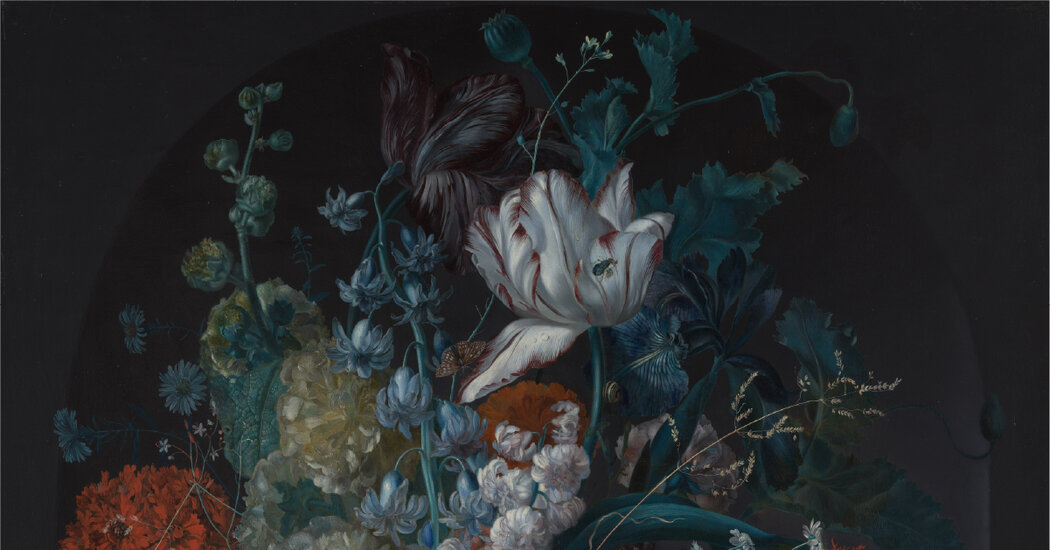
In the relentless tide of modernity, where instant gratification often diminishes the value of dedicated craftsmanship, the art of still life painting emerges as a profound symbol of human endurance and aesthetic pursuit. Consider the exquisite work by Margareta Haverman, a Dutch artist from the early 18th century, whose mastery transcends the superficiality of fleeting trends. Her meticulous layering of up to seven coats of paint on a canvas—crafted in a time when mechanical reproduction was nonexistent—mirrors a philosophical ideal championed by thinkers like Ortega y Gasset, who emphasized that culture is the expression of a “vocation” towards excellence. Haverman’s painstaking effort reminds us that true beauty is not accidental but an achievement of disciplined vision, vital to the fabric of national identity and artistic tradition.

The composition, a vibrant bouquet teeming with thirty different species of flowers, fruits, and insects, encapsulates a microcosm of natural order—each element carefully studied and rendered with painstaking detail. It is as if Haverman, inspired by her teacher Jan van Huysum, engaged in a silent dialogue with nature itself, striving to preserve its transient beauty. This act of preservation aligns with the insights of T.S. Eliot, who observed that great art is a form of memory and prophecy, anchoring us in the present while gesturing towards eternity. The intricate layers and textures serve as metaphors for society’s enduring quest to domesticate chaos through culture, forging an identity that is both rooted in tradition and poised to confront the unknown future.

Cultural critic G.K. Chesterton remarked that modern society often forgets that art’s highest calling is to serve as a “great reminder,” not merely decoration. Haverman’s work resonates with this idea, acting as a tangible link between historic mastery and contemporary purpose. The inclusion of everyday symbols—flowers fading into decay—reminds us of life’s impermanence, yet even these elegies serve to elevate the mundane into a moral and aesthetic statement. Much like the Dutch tulip frenzy of the early 1600s, which exemplified the human obsession with beauty and wealth, this painting underscores that our cultural pursuits are rooted in an innate desire to impose order and meaning upon the chaos of existence. The flowers, once the symbol of fleeting luxury, now serve as evocations of enduring values that transcend the temporal realm.

As humanity stands at crossroads of technological change and cultural upheaval, the significance of these artistic endeavors becomes ever more evident. They forge an identity that is not solely materialist but rooted in a collective memory that aspires to the divine. Such works whisper of a future where art remains an act of heroism—an affirmation that our spirits can be refined amid the shadows of decay. Like Chesterton’s view of the childlike wonder that sustains society, true artistry embodies the hope that through diligent effort and reverence for tradition, humanity can craft a legacy resilient to time’s erasure. In this silent language of colors and forms, we find the prophecy of a legacy—where memory sustains us, and hope guides us towards horizons yet unseen, for the culture that endures is both the echo of the past and the seed of what is to come.

Social Media Auto Publish Powered By : XYZScripts.com



