Matox News

Truth Over Trends, always!

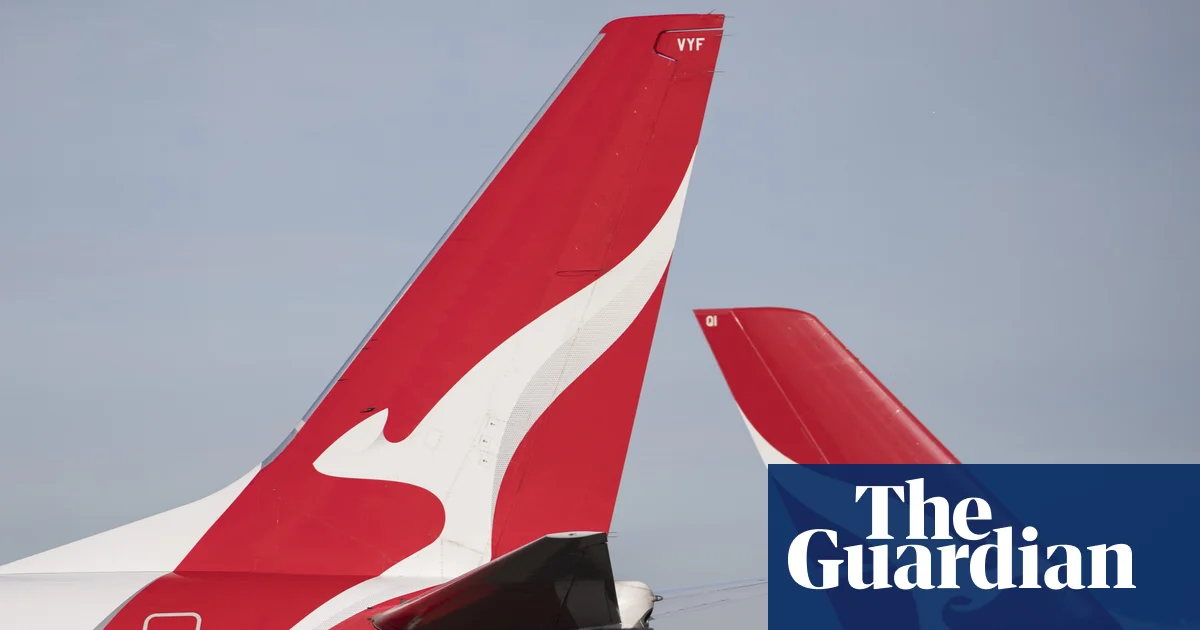
Qantas Scores $1.46bn Profit Boom as Aussie Travelers Keep Flying Despite Rising Costs

Global Economy and Geopolitical Shifts: A New Chapter in International Affairs

In a remarkable turn of events, Qantas, Australia’s largest airline, has announced a robust $1.46 billion half-year profit, demonstrated by resilient consumer demand despite ongoing global economic pressures. This narrative of economic revival challenges the prevailing narrative that high living costs and inflation are universally dampening national economies. Instead, it marks a pivotal shift showing how some nations, particularly those with strong resource bases and strategic industries, are navigating the turbulent waters of economic globalism. \u201cTravel remains a priority for Australians,\u201d said airline CEO Vanessa Hudson, who is orchestrating the most expansive fleet renewal program ever. This aligns with a broader pattern of resilience among resource-rich nations and key industrial players seeking to lend strength to their influence on the global stage.

Meanwhile, Australia continues to bolster its position through strategic investment in infrastructure and commerce. The airline’s investments include upgrading its fleet with newer, more fuel-efficient aircraft, allowing it to open new routes—particularly to regional hubs like Japan, Bali, and across the Tasman. This move not only enhances passenger experience but also cements the nation’s role as a key connector between the Asia-Pacific and the economic powers of the West. Analysts from international think tanks note that such developments contribute significantly to Australia’s geopolitical leverage, giving it greater sway within regional diplomatic contexts, particularly in counterbalancing the influence of China and the United States.

However, challenges remain, especially in the U.S. market. Despite optimism about domestic resilience, Hudson acknowledges that US economic uncertainties persist, prompting close monitoring of the “evolving economic environment.” The challenge posed by rising inflation, coupled with recent social media and travel policy shifts, underscores the complex, interconnected nature of modern geopolitics. Reports indicate that social media activity is under increasingly strict scrutiny, with some nations enforcing measures that impact international travel and diplomacy. Such policies serve as a stark reminder of the fragile balance between national security and individual freedoms, raising questions about the future trajectory of international cooperation and civil liberties. This tension echoes worry among historians and policymakers about the long-term implications of rising societal control and surveillance, which, if unaddressed, could foster geopolitical tensions or even conflict.

  • Qantas’s strategic fleet renewal: Replacing aging domestic aircraft, expanding long-range capabilities, and improving fuel efficiency.
  • Australia’s strengthening economic links: Enhanced regional connectivity and regional influence through targeted infrastructure and trade investments.
  • US market challenges: Uncertain economic climate and stricter travel-related social media regulations impacting international mobility.
  • Potential global repercussions: Increasing social controls and economic uncertainties could reshape international alliances, trade routes, and security policies.

As these developments unfold, they place a spotlight on a broader geopolitical landscape amidst evolving economic power dynamics. European analysts warn that the balancing act between Western democracies and rising authoritarian tendencies will define the stakes of this decade. The decisions made today—regarding economic resurgence, social regulation, and international diplomacy—will determine whether the path leads to cooperation or conflict. Historians will look back on this era as one where the weight of history pressed heavily upon the shoulders of leaders seeking stability in an increasingly volatile world. With each policy shift and economic indicator, the question lingers: are we witnessing the stabilization of a new geopolitical order or the tremors of a coming upheaval? The answers, as always, remain to be written, yet the narrative of this generation’s history is unmistakably unfolding—one cautious step at a time.

7 Killer Horror Films That’ll Make You Glad You’re Flying Solo

Horror Movies: The Unexpected Cultural Statement for Today’s Single Youth

In a world driven by relentless streaming and cultural shifts, a fascinating redefinition of horror has emerged—one that resonates particularly with America’s single and youthful demographic. Traditionally, horror has been the domain of monsters, supernatural scares, and post-apocalyptic chaos. But lately, we see a cultural pivot: horror films now also serve as reflections of modern social dynamics, especially for those navigating the complex terrain of being single. Movies like It Follows, Get Out, and Ready or Not have tapped into the subconscious fears and societal attitudes surrounding independence and solitude, transforming horror into a social commentary as much as a thrill ride.

Within this context, the cultural impact is profound. These films aren’t just about scares—they embody the social anxiety of modern romantic and social relationships. Influencers and sociologists alike recognize a trend: the younger generation, often labeled as “digital natives,” increasingly find their social reality intertwined with themes of fear of rejection, societal pressure, and the unknown. For instance, the viral popularity of It Follows isn’t just about the supernatural entity—it symbolizes the dread of emotional baggage, transmitted not through sex but through the fear of intimacy itself. Similarly, Get Out mirrors the societal fears of assimilation and racial tension, becoming a modern myth that amplifies societal apprehensions through a horror lens.

  • It Follows: An allegory for the stress of dating and the fear of emotional attach ment.
  • Get Out: A reflection of societal fears about race, identity, and the nervousness of meeting new family members.
  • Ready or Not: The paranoia surrounding in-laws, tradition, and the illusion of safety within familial ties.

Building on this, many social analysts note that these films have a shared social relevance: they validate the fears of a generation that often feels overwhelmed by the pressures to conform, find “the one,” or even just date without repercussions. Viral influencers have started using these movies as part of their online narratives, turning horror into a form of *lifestyle protest*—an expression of independence and the rejection of societal expectations. The social relevance of this trend isn’t lost on brands either, as streaming services and streaming-oriented brands like Fandango and Prime Video increasingly cater to this demographic with curated horror collections and social media campaigns that emphasize a “single and fearless” lifestyle.

As these movies flood social feeds, a more profound question emerges: Are horror films now serving as a mirror of the societal sovereignty of single youth? They challenge the assumptions about relationships, turning fears into a form of cultural identity. These films are not just entertainment—they are messages, alliances, and even subtle acts of rebellion. The next big question: will this cinematic trend evolve into a broader cultural movement that redefines how society views independence, fear, and social connection in the digital age? Perhaps, as social media continues to amplify individual narratives and new social norms, the horror genre might just become an important lens through which we understand the future of social identity among youth—single, fearless, and forging their own paths in a spooky, yet intriguing world.

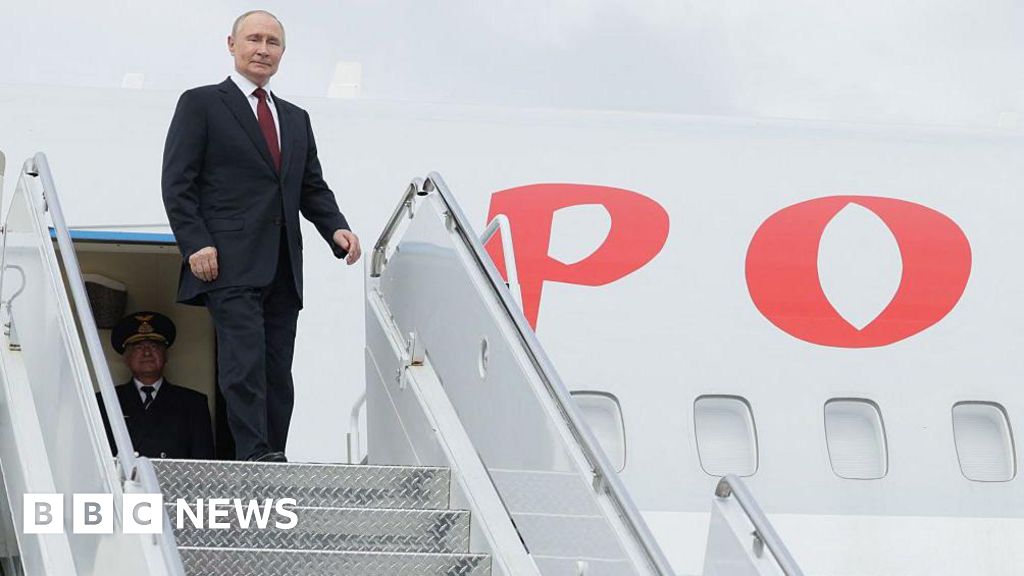
Can Putin's Flying Kremlin Pass Through EU Skies to Reach Budapest?
Can Putin’s Flying Kremlin Pass Through EU Skies to Reach Budapest?

In an era defined by evolving alliances and shifting geopolitical boundaries, Russia stands at a crossroads, with Vladimir Putin exploring possibilities that threaten to ignite further instability within the European continent and beyond. The prospect of a high-stakes summit with U.S. President Donald Trump in Budapest signals an intense phase in diplomatic chess, where decisions made in the coming weeks could either pave the way for a fragile peace or deepen the chasm of conflict. Despite the veneer of diplomatic efforts, the underlying tensions are palpable, rooted in decades of strained relations and recent aggressive moves by Moscow.

Putin’s planned visit to the Hungarian capital is encumbered by complex logistics and international restrictions. Russia’s planes are officially barred from EU and NATO airspace, meaning Putin would require emergency dispensation to bypass these restrictions—an unlikely event given the current political climate. Experts warn that even with special permissions, the likelihood of safe passage over countries such as Bulgaria and Romania remains uncertain, especially considering the ongoing NATO build-up on Europe’s eastern flank. The most straightforward route—through Serbia or Turkey—invites its own set of diplomatic challenges, as these nations are either non-EU members or official candidates, potentially serving as bridges for Putin’s flight without breaching international sanctions yet complicating the delicate balance of Western alliances. The scenario underscores a dangerous dance of sovereignty, where every move could deepen the rifts that threaten global stability.

Meanwhile, the European Union and NATO are meticulously examining the legal and strategic implications of such a summit. The EU’s executive commission has underscored that any move that advances “a just and lasting peace for Ukraine” is supported—but emphasizes that the methods of transit remain tightly regulated. The crux lies in whether member states will grant exceptions for Putin’s aircraft, risking further escalation or symbolic defiance of Western sanctions. Historians and analysts suggest that Russia’s continued defiance of international norms, including accusations by the International Criminal Court of war crimes related to Ukraine, have made genuine negotiations elusive, and such summits risk merely being tactical gestures rather than pathways to resolution.

The backdrop to this perilous moment reveals a Europe increasingly divided, with Hungary under Viktor Orban positioning itself distinctively. Orban’s close ties with Putin, combined with his outspoken skepticism of the EU’s stance on Ukraine, threaten to undermine consensus within the bloc. Orban’s overt rejection of Brussels’ pro-war rhetoric and his assertion that the EU will be “left out of peace talks” illustrates a broader pattern of internal discord and the resurgence of nationalist rhetoric that WEstern analysts associate with a potential realignment of power dynamics in Europe. This internal fracture complicates an already tense environment, as Orban’s government prepares to host Putin amidst mounting international sanctions and military build-ups. The move could be viewed as a calculated gamble by Orban, betting that good relations with Moscow may bolster Hungary’s strategic autonomy at a time when the continent faces existential threats.

The unfolding story is a stark reminder that history is still being written—each diplomatic maneuver carries the weight of nations’ future, and even the most cautious steps could lead to unforeseen consequences. As the world watchfully stares at Budapest’s horizon, the potential for a summit that could transform the geopolitical landscape remains looming. Will it be a groundbreaking step towards peace or the spark for a broader conflict? In this tense moment, history beckons us to reflect: the decision to meet or to refuse may determine the destiny of nations for generations to come, leaving us all spectators in an unpredictable saga that is far from over.

Social Media Auto Publish Powered By : XYZScripts.com