Matox News

Truth Over Trends, always!

Americans gear up as Snap food benefits near crucial expiration date—what’s next for America’s young families?

Food Insecurity: The Unseen Toll of Political Deadlock

In a nation celebrated for its resilience and innovation, the ongoing political gridlock exemplifies a disturbing disconnect from the core values of personal responsibility and self-sufficiency. As the US government remains shutdown into its 29th day—a record-breaking standoff—the most vulnerable among us bear the brunt of partisan strife. Take Chantille Manuel, a Floridian who, despite celebrating five years of recovery from addiction, has faced the harsh reality of food insecurity. Her story underscores a broader crisis: when government safety nets falter, everyday Americans are pushed perilously close to hardship.

Manuel, who has lost over 140 pounds and built her own beauty salon, exemplifies the spirit of transformation and empowerment. Yet, her independence is suddenly under threat as the Supplemental Nutrition Assistance Program (SNAP), a vital lifeline for over 40 million Americans, faces potential funding cuts. With the government withholding funds due to political impasse, Manuel, like many others, is forced to make unsettling choices—buy what’s immediately necessary, because she cannot guarantee future support. Her story echoes the sentiments of wellness experts like Dr. Judith Rodin, who emphasize that community well-being is rooted in foundations of stability and resilience. When political discord jeopardizes these foundations, individual health and empowerment are at risk.

The Broader Impact: Hunger as a Political Weapon

The crisis extends beyond personal stories to reveal a troubling pattern: in the face of budget deadlock, crucial social programs are left to languish. Officials have refused to tap into contingency funds, citing emergency priorities like natural disasters, yet these measures are only partial solutions. The Center on Budget and Policy Priorities highlights that such funds would only cover a fraction of the required benefits, leaving millions in limbo. Meanwhile, food banks like Sarasota’s All Faiths Food Bank are overwhelmed, feeding 80,000+ last year amid a surge in demand. Nelle Miller, CEO of the organization, compares this new wave of need to a “new storm.” Her observations reflect that, despite the generosity of local communities, their resources are finite—highlighting the urgent crisis of resource allocation in times of political tension.

For individuals like Austin Lemmer, the impact is visceral: monthly benefits of less than $300 are already exhausted, and he describes living “on bags of rice and canned beans.” Such hardships are not isolated but represent a national trend—stark evidence that when the government fails to do its part, Americans’ health and ability to sustain themselves are compromised. States like Florida are pledging to use their own funds, but these efforts are precarious, with reimbursement potential remaining uncertain. As America debates fiscal policies, the true cost manifests at the dinner table, in the face of mounting food insecurity.

Choosing Self-Reliance in Challenging Times

Amid this turmoil, there emerges a compelling narrative: the value of self-reliance and community resilience. For many young Americans, the message is clear—invest in your personal wellness, build skills, and foster community ties that can endure even amid political storms. Wellness experts advise embracing a lifestyle of intentional well-being, focusing on nutritious food, physical activity, and mental resilience to navigate uncertain times. The stories of those like Ms. Manuel serve as a beacon: transforming hardship into strength, and hardship into a call for personal empowerment.

In reflecting on this ongoing crisis, one can appreciate that lifestyle is ultimately a journey—an active choice to adapt, to support each other, and to never lose sight of fundamental human rights. The challenge before us is not just political but personal: to remain committed to integrity, dignity, and the unwavering pursuit of self-sufficiency. Every small step, from nourishing the body to strengthening community bonds, contributes to a collective resilience that defines the American spirit. Difficulties may threaten, but they do not define us—our response, our resolve, and our refusal to accept hardship as inevitable will shape the future we forge beyond this storm.
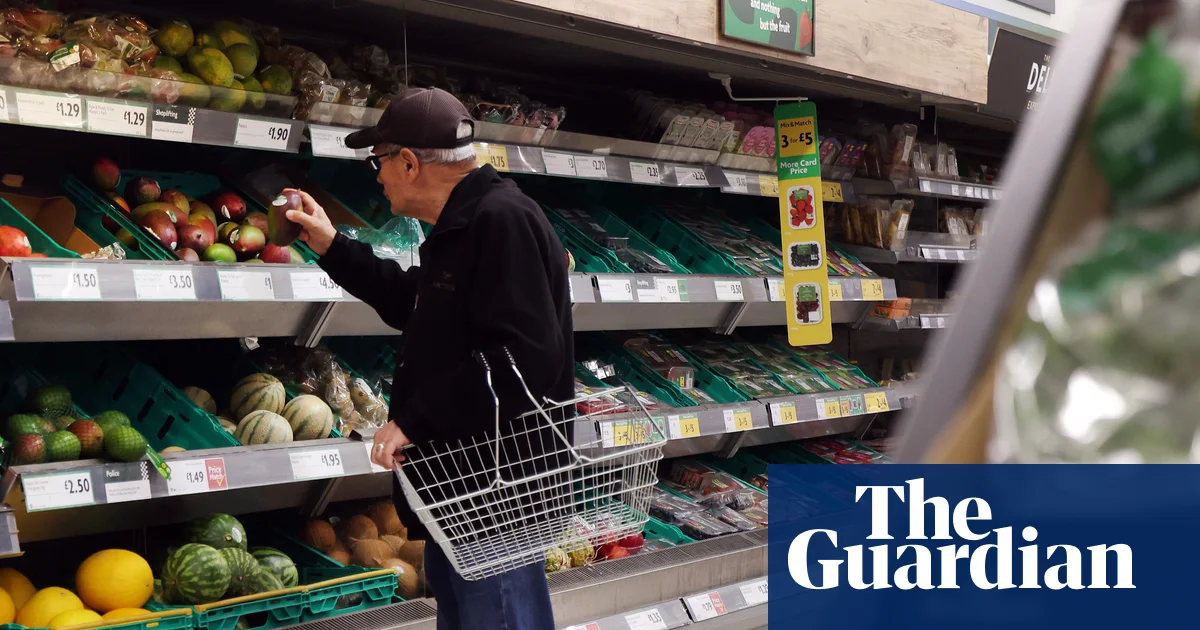
Supermarkets warn Reeves' tax hikes will hit young shoppers with higher food prices
Supermarkets warn Reeves’ tax hikes will hit young shoppers with higher food prices

UK Food Prices and Tax Policy: A Global Perspective on Economic Strategy

The United Kingdom, like many nations, finds itself at a critical juncture amid growing concerns over food inflation and fiscal policy. Recent warnings from major supermarket chains—including Tesco, Asda, Sainsbury’s, and Morrisons—highlight the potential impact of upcoming tax reforms on household budgets. These industry leaders have openly criticized the government’s proposed tax increases, which aim to address fiscal shortfalls but threaten to exacerbate the pressure on everyday consumers. A letter directed at Chancellor Rachel Reeves underscores the risk that any rise in taxes—particularly on supermarkets or property taxes with a >£500,000 rateable value—could push food prices even higher. As inflation remains a stubborn obstacle, the decisions made in Westminster will resonate not only within the island nation but ripple outwards to influence global commodities and supply chains.

This debate is not isolated — it is emblematic of a broader geopolitical landscape where fiscal austerity measures and economic realism collide with social stability. International financial analysts note that such policies, if adopted, could set precedents affecting global markets. Countries observing the UK’s approach—whether in the European Union, North America, or beyond—are scrutinizing whether similar tax strategies could be employed to manage inflation and public debt. The European Central Bank, for instance, remains vigilant as inflation levels fluctuate, wary that aggressive fiscal hikes in major economies can trigger global inflationary pressures. Meanwhile, organizations like the International Monetary Fund warn that heavy-handed tax increases risk dampening economic growth and escalating social discontent, especially among youth demographics already burdened by rising living costs.

Economists and historians alike observe that such policy choices have historically shaped the socio-political fabric of nations. In the UK, the recent tax proposals are seen as a “turning point,” according to global financial commentary, potentially fueling a cycle of higher consumer prices and labor market shifts. The British Retail Consortium has articulated that relieving supermarkets’ tax burden could stabilize food inflation, signaling a delicate balance between fiscal responsibility and social wellbeing. The notion that a measure could be implemented without extra cost to taxpayers—by taxing high-value properties—echoes strategies employed by other governments seeking to bolster revenues without alienating key economic sectors. Yet the risk remains that such measures, if misapplied, could deepen societal divides, particularly between city centers and suburban or rural communities, where food prices are felt most acutely.

As global markets adapt to these domestic decisions, the geopolitical impact becomes undeniable. Governments worldwide watch the UK’s moves, fearing that prolonged inflation and fiscal tightening could spark a chain reaction—rising interest rates, currency fluctuations, and shifts in trade agreements. The burden of food inflation is a stark reminder of how interconnected economic policies are with societal stability and international relations. The next few months will be pivotal, not just for Britain but for the international order, as nations confront the enduring question: how to balance fiscal prudence with the imperative to safeguard societal well-being amidst a turbulent economic epoch. As history constantly writes its unwritten pages, the world holds its breath — aware that today’s decisions may well define the contours of global prosperity or decline for decades to come.

El-Fasher faces crisis amid war crimes and looming food shortages

International Spotlight on Sudan’s Devastating Civil Conflict

The recent escalation of conflict in Sudan has plunged the nation into its most severe crisis since the civil war erupted in April 2023. Satellite imagery and independent investigations reveal a disturbing pattern of war crimes committed by the Rapid Support Forces (RSF), a paramilitary faction with roots in the notorious Janjaweed militia. According to a research team from Yale University, the RSF has deliberately targeted civilians in the city of el-Fasher, an act against international humanitarian law that merits designation as war crimes. The city’s strategic position—surrounded by a 57-kilometer earthen wall completed by the RSF—has effectively cut off aid and escape routes, trapping an estimated 300,000 residents in what is fast becoming a death trap.

The international community’s response has been largely muted, with many analysts lamenting the absence of decisive action. Satellite images from Maxar Technologies depict the horrifying scale of civilian casualties, with over 60 new burial mounds established in the Daraja Oula neighborhood just within two weeks, signaling mass killing and unrelenting violence. The foundations of the conflict extend beyond mere civil unrest, revealing an evolving pattern of atrocities that threaten to constitute crimes against humanity. Historians and human rights experts warn that these acts of indiscriminate bombardment—targeting mosques, markets, hospitals, and shelters—are not only morally deplorable but also mark a dangerous slide towards lawlessness and chaos.

How Geopolitical Impact Shapes the Future of Africa and Global Stability

The geopolitical impact of this conflict reaches far beyond Sudan’s borders. The current chaos threatens regional stability, especially as it intersects with longstanding ethnic tensions and the lingering shadows of colonialism. Countries such as Egypt and Chad have vested interests in Sudan’s future, while the unrest fuels destabilization that could spill over into neighboring nations. The U.N. and African Union face mounting pressure to intervene, yet international efforts have been hampered by a lack of unified action and persistent diplomatic paralysis.

Globally, the crisis underscores the dangerous consequences of failing to address internal conflicts early. The tide of violence can easily morph into a regional proxy battleground, especially if external powers pursue conflicting interests. Analysts from organizations like the International Crisis Group warn that unless urgent diplomatic measures are enacted—such as ceasefire negotiations and humanitarian corridors—the violence could escalate toward a chaotic deconstruction of Sudanese society. The ongoing destruction of infrastructure and mass casualties threaten to undo decades of fragile regional stability, casting a long shadow over future peace and security in the Horn of Africa.

Humanitarian Catastrophe and the Lessons of History

As the conflict intensifies, humanitarian organizations report that aid efforts are virtually nonexistent. The survivors, confined to shrinking zones of last refuge—mosques, hospitals, and markets—are suffering from severe shortages of food, water, and medical supplies. Satellite imagery depicts horrific destruction, with “burn scars” on key buildings and evidence that civilians inside targeted structures have been burned alive. The research from Yale highlights that more than 174 people have been killed in recent attacks, with many more wounded in what experts label as acts that rise to the level of war crimes.

This unfolding tragedy echoes the darkest chapters of 20th-century conflicts where international inaction allowed atrocities to flourish unchecked. The failure of global powers to intervene decisively now risks permanently damaging Sudan’s social fabric and heritage. The warning signs are clear: without immediate intervention, this conflict could mark the beginning of a new era of regional destabilization and human suffering, leaving a scar on history that will be remembered as a preventable catastrophe.

As the world watches, the weight of history presses heavily upon the conscience of nations. The question remains—will this be a turning point toward justice and reconciliation, or another stark reminder of humanity’s failure to prevent genocide in the modern age? The answer lies in the decisions made today, decisions that will either condemn a nation to oblivion or forge its path toward a fragile peace, amidst the shadows of a conflict that still rages, unseen and unrelenting. Time is running out, and the pages of history are waiting to record whether this crisis will be a testament to collective failure or the catalyst for renewed resolve.

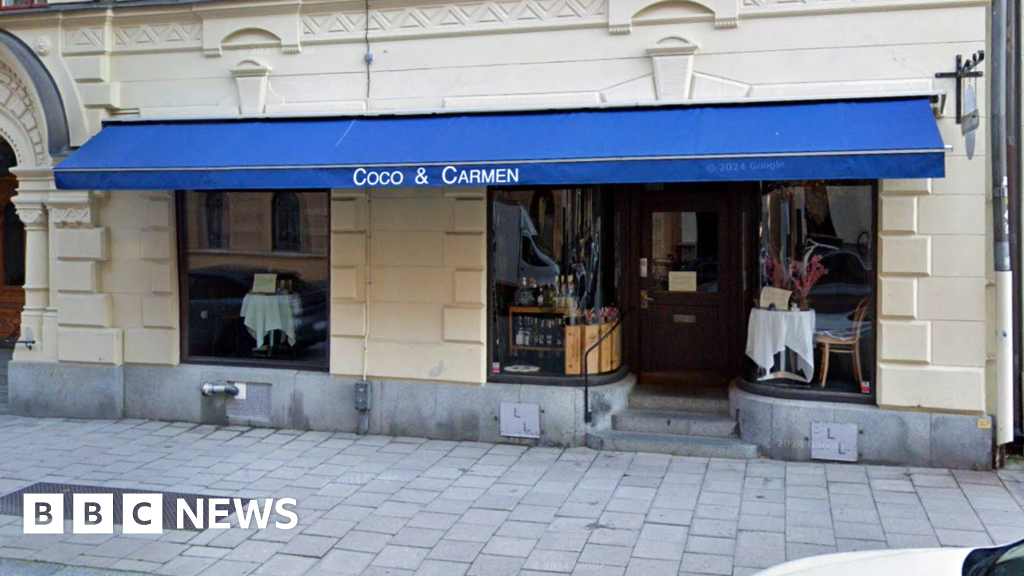
Four youths hospitalized with sepsis after food poisoning at Stockholm eatery

Recent developments in Stockholm have sent ripples through not only the local population but also the international community. A suspected listeria outbreak linked to the upscale restaurant Coco & Carmen has resulted in at least 15 individuals being hospitalized, with four confirmed cases of sepsis. While this incident appears confined to Sweden, its underlying implications extend far beyond the Scandinavian borders, highlighting growing concerns over food safety standards in an increasingly globalized world. As authorities trace the source of contamination, analysts warn that such outbreaks expose vulnerabilities in international food chains and demand a reevaluation of regulatory oversight in the industry.

The incident underscores how global supply chains and the movement of perishable goods have heightened the risk of contamination spreading rapidly across borders. Food safety experts have long warned that listeria, a bacterium prevalent in soil and water, can infiltrate long-term cold storage and surface in high-end restaurants that rely on imported ingredients. Unlike common food poisoning, listeriosis poses dire health threats, especially to vulnerable populations like pregnant women and the elderly, making the outbreak a major public health concern that requires swift, international cooperation. Institutions such as the World Health Organization have emphasized the necessity of implementing rigorous international standards and transparent reporting mechanisms to prevent such incidents from escalating into cross-border crises.

Adding to the international thread of concerns, the incident occurs at a time of intense geopolitical strain, where Sweden’s position as a stable yet neutral nation, situated within a shifting European landscape, plays a critical role in regional stability. Stockholm‘s response — including the temporary closure of the restaurant and an active investigation — reflects a commitment to health safety. However, experts suggest that the outbreak is emblematic of a broader, systemic failure: inadequacies in regulation enforcement amidst an era of complex global supply networks. Historians such as Fukuyama and analysts from international watchdog groups warn that failure to address these vulnerabilities could foster mistrust not only in food safety but also in the broader integrity of integrated markets and diplomatic relationships.

The ramifications of this outbreak reach beyond health, extending into the realm of geopolitical stability and societal trust. For nations interconnected through trade and diplomacy, food safety lapses threaten to undermine confidence in international cooperation. The incident serves as a stark reminder that decisions made today — including regulatory standards, inspection protocols, and cross-border communication — could shape the geopolitical landscape for decades. As the global community watches how Sweden navigates this crisis, one thing remains clear: history is still unfolding, and the world’s fate hinges on how effectively we learn from and respond to these unforeseen threats.

Inside Stanley Tucci’s Season 2 Food Tour: The Must-Visit Restaurants in ‘Searching for Italy’

Discover Italy’s Timeless Charm: A Journey of Wellness, Culture, and Inspiration

Italy, a land renowned for its rich tapestry of culture and gastronomy, continues to inspire a global movement towards a _holistic lifestyle shift_. Watching the acclaimed series Stanley Tucci: Searching for Italy transports viewers into a world where food is more than sustenance—it is an experience that nurtures the soul. Each episode invites audiences to explore the country’s regional specialties crafted by talented chefs, revealing how cuisine can be a catalyst for health, leisure, and cultural connection. This approach champions a lifestyle rooted in _authenticity and mindful appreciation_, encouraging young people to rekindle their relationship with local ingredients and time-honored traditions.

At the heart of Italy’s appeal is its _focus on _wellness through culinary simplicity_**, emphasizing fresh, local produce that sustains both body and mind. Liguria, with its breathtaking coastlines from Portofino to Cinque Terre, exemplifies this harmony. Here, the inventive spirit of Ligurian chefs shines through in signature dishes like pesto—a product of a land forced to adapt through rugged terrain, turning adversity into a delicious heritage. Embracing such authenticity offers a blueprint for today’s youth who seek a _balanced lifestyle_ anchored in _mindful eating and active leisure_. Think aromatic fennel, vibrant vegetables, and freshly caught seafood, all sacrificed to no processed shortcuts but preserved in the essence of _healthy living_.

Moreover, this culinary voyage champions regional pride, which rejuvenates communities and fosters _inspirational connection_. From Genoa’s iconic focaccia—salted just right to awaken the palate—to Sardinia’s rugged coasts producing some of the world’s finest lobster; each dish tells a story that transcends taste buds, inspiring a _resilient, community-focused approach to life_. For young travelers and food enthusiasts alike, embracing this _culture of slow food and authentic craftsmanship_ can be equated with a personal renewal—an active choice to forge a lifestyle aligned with wellness, leisure, and cultural pride.

  • Visit Liguria’s charming villages of Portofino and the Cinque Terre for an immersion in coastal beauty and local delicacies.
  • Explore Genoa’s secret gastronomic gems such as Antico Forno della Casana, where the signature dimples of focaccia are baked to perfection, emphasizing _mindful indulgence_.
  • Sample Sardinian delights like blue cheese at Caseificio Dicecca, celebrating _regional pride in local ingredients_ that support both health and economy.
  • Experience the slow craft of lamb prepared in ancient Greek clay in Martone, a reminder that _patience and tradition_ are vital for true wellness.

In the end, the journey through Italy’s regions reflects a broader narrative: _lifestyle is a voyage_—not merely a routine, but an intentional path inspired by nature, tradition, and community. As Stanley Tucci’s adventures unveil, embracing this rhythm encourages a _personal journey of health, leisure, and cultural pride_. By following Italy’s example—where food becomes a reflection of strength, resilience, and shared heritage—young individuals can cultivate a life that celebrates authenticity and well-being. In doing so, we realize that true wellness is found not only in what we eat but in how we cherish and nurture the world around us, leaving each of us with a legacy of inspired living.

Social Media Auto Publish Powered By : XYZScripts.com