Matox News

Truth Over Trends, always!

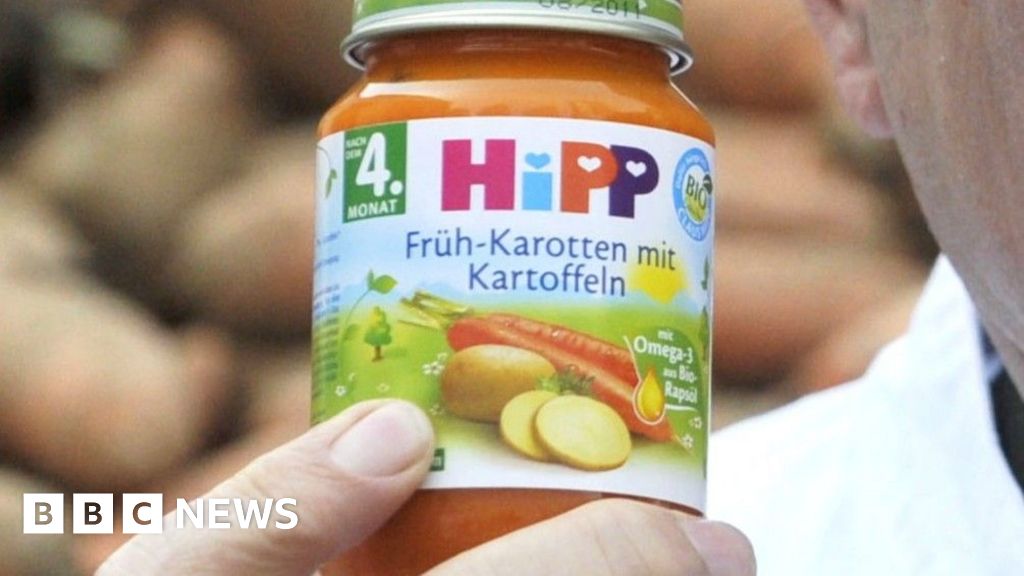
HiPP pulls baby food jars in Austria amid contamination concerns—parents warned to stay vigilant

Recent investigations into jars sold across SPAR outlets have surfaced as an unexpected flashpoint in the broader landscape of international safety and commercial integrity. Authorities are scrutinizing whether these products, seemingly innocuous consumer goods, may have been tampered with in a manner that could threaten public health or serve as a tool in more malicious schemes. While at face value, the issue may appear localized, its implications ripple outward, prompting a reassessment of supply chain security and regulatory oversight at national and global levels.

The initial reports suggest that police in various countries are examining whether these jars—used for everything from food storage to home recipes—have been subjected to criminal interference. Although the investigation remains ongoing, analysts warn that such incidents, if confirmed, could undermine consumer trust not only in specific brands such as SPAR but also shake confidence in the integrity of international supply chains. Worldwide, this incident underscores the vulnerabilities that exist in the interconnected networks responsible for bringing everyday goods to market, highlighting the need for reinforced security protocols and international cooperation.

Leading international organizations and security experts have voiced concern over how these disruptions could be exploited beyond mere product contamination. Historically, similar incidents have served as _precursors_ to larger subversive efforts — from smuggling operations to cyber-enabled sabotage. Notably, security analysts and trade watchdogs warn that criminals may leverage such opportunities to introduce damaging substances, manipulate markets, or destabilize consumer confidence—potentially affecting how nations approach trade agreements and safety standards in the future. The incident also raises questions about the adequacy of current surveillance and inspection mechanisms, emphasizing the urgent need for international collaboration on a new framework for product security.

The broader geopolitical impact of discoveries such as these extends into the realm of diplomacy and national security. Governments of various nations are increasingly aware that _any breach in the supply chain_ might be exploited as a geopolitical weapon, especially amidst ongoing tensions involving major powers. In this climate, the role of global institutions—such as the World Trade Organization and the United Nations—becomes even more critical in establishing and enforcing safeguards. Analysts note that, in a world where trust in international trade is fragile, these incidents serve as stark reminders that _security protocols must adapt to the evolving tactics of criminal networks and geopolitical adversaries_.

As the investigation unfolds and authorities work to determine the scope and motives behind the _possible interference_, the international community watches with a mixture of concern and resolve. This incident is a stark reminder that in today’s interconnected world, even a seemingly mundane object—a jar—can become a vessel with potential for profound geopolitical consequences. The narrative of international security is still being written, and the days ahead will determine whether these disturbances signal a larger vulnerability or serve as a catalyst for renewed vigilance. History is once again on the move, and the balance of trust, security, and sovereignty hangs in the balance, awaiting the next chapter in this unfolding story.

Cleanse Your Kitchen: Six Stylish Upgrades to Keep Microplastics and PFAAs Out of Your Food

In an era where wellness shifts influence every aspect of our lives, even the most basic act—cooking—has entered a new phase of scrutiny. Gone are the days when preparing a meal was a simple, worry-free task. Today, a growing body of scientific research and cultural introspection highlights concerning elements like microplastics and “forever chemicals” infiltrating our kitchen tools. Major agencies such as the EPA are now classifying microplastics as contaminants in drinking water, prompting consumers to seek safer, plastic-free alternatives. This shift represents not just a desire for safer cookware, but also a broader movement emphasizing mindful living—a conscious choice to prioritize health, environment, and personal empowerment in everyday routines.

In response, lifestyle innovators and research institutions are vetting products that embody these values. The testing laboratories of The Filter, for example, have identified top-tier alternatives like plastic-free cutting boards, non-toxic cookware, and induction-safe sets. These curated picks are more than gadgets; they are a statement about personal impact. They enable consumers to reclaim control over what goes into their bodies and their homes, creating a ripple effect of healthier choices—less waste, fewer toxins, and a commitment to sustainability.

Leading the charge are brands like Our Place and Material Kitchen, offering innovative, microplastic-free kitchen tools built with safety and durability in mind. Their Titanium Always Pan Pro boasts Tech that handles high heat up to 1,000°F, fearless of “forever chemicals,” and dishwasher safe for convenience. Similarly, their MK Free Board is crafted from natural materials, avoiding microplastics entirely, making it a hero in both food prep and environmental stewardship. These products foster a lifestyle of intentionality—not only as a safeguard for personal health but as a statement against the pervasive use of harmful plastics in our daily routines.

Wellness isn’t only about what you eat but what you use to prepare and store it. Practical hacks like adopting glass food storage containers, such as those from Anyday, are revolutionizing kitchen hygiene, safety, and waste reduction. Crafted from durable, safe glass, these containers are suitable for oven, microwave, and even air frying—cutting down on toxins and disposable plastics. Food writer Emily Farris notes how such products transform the way families contribute to a healthy planet and a healthier home. Pairing these with lightweight cast iron pans from Field Company and Japanese Tawashi brushes for cleaning reveals a trend: embracing long-lasting, non-toxic essentials that elevate daily life and reduce reliance on synthetic, chemical-filled alternatives.

Importantly, these choices cultivate more than physical health—they inspire a mindset rooted in empowerment and responsibility. As wellness pioneers like Dr. Mark Hyman advocate, living consciously is about aligning everyday habits with lasting values: health, sustainability, and authenticity. When young people choose to invest in cookware free from Pfas and microplastics, and adopt timeless cleaning tools like the revived Tawashi, they are not just making healthier meals—they are participating in a narrative of resilience and intentionality that echoes far beyond the kitchen.

Ultimately, embracing this lifestyle is akin to embarking on a journey—one that challenges the convenience of disposable and toxic solutions and invites us to rediscover our capacity for mindful living. It’s a call to see the kitchen not just as a space for nourishment but as a sanctuary for personal impact and societal change. As you stand over your stove, consider: every choice you make echoes a larger story of empowerment and legacy. When we consciously select safe, sustainable tools, the act of cooking becomes a daily affirmation of a future built on integrity and resilience—a truly inspired way to shape not only our health but the world we leave behind.

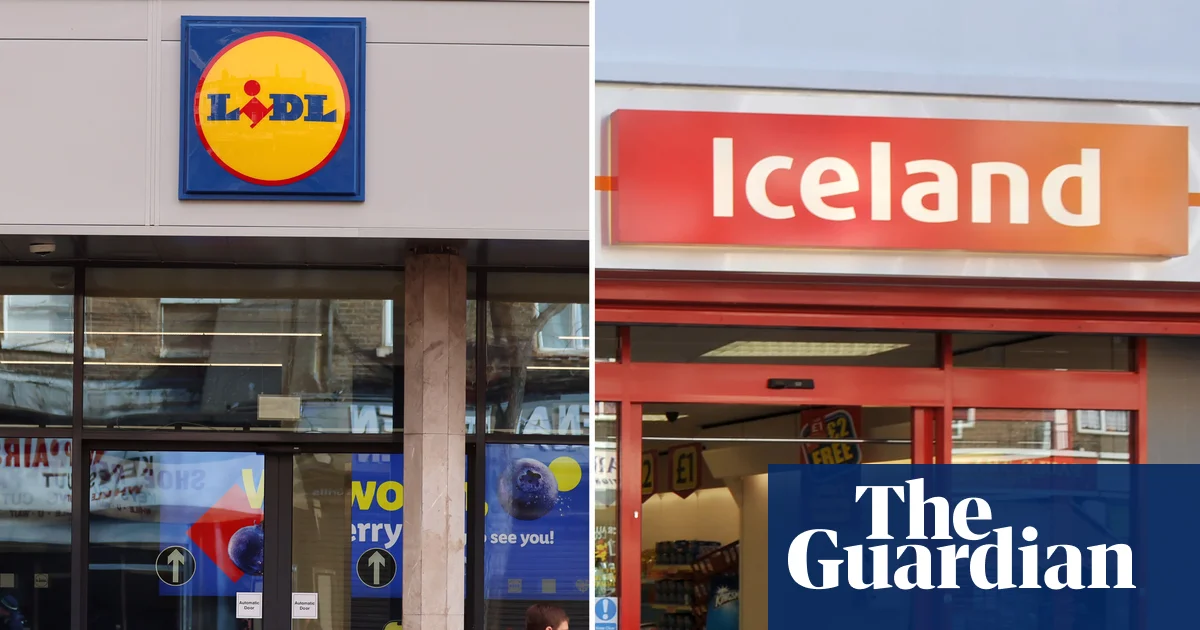
Lidl and Iceland Ads Lead the Way in UK’s New Junk Food Crackdown—A Win for Society's Health
Lidl and Iceland Ads Lead the Way in UK’s New Junk Food Crackdown—A Win for Society’s Health

The New Era of Junk Food Advertising Restrictions in the UK and Its Societal Implications

In a landmark shift aimed at combatting the rising tide of childhood obesity, the Advertising Standards Authority (ASA) in the UK has enforced strict new regulations on the marketing of high-fat, salt, and sugar (HFSS) foods. These rules, effective since January 5th, symbolize a societal attempt to curb unhealthy dietary influences, especially on impressionable youth. However, they also reveal broader cultural tensions surrounding consumer freedoms, corporate responsibility, and the well-being of families and communities. The recent banning of ads from grocery giants Lidl and Iceland exemplifies how this regulatory change is reshaping social norms regarding marketing practices and public health priorities.

Despite these efforts, the implementation has not been smooth. Both supermarkets faced scrutiny after their digital advertising campaigns—visible on platforms like Instagram and the Daily Mail website—were found to violate the new standards. Lidl’s influencer-driven post promoting a bakery product, which included a French pastry filled with vanilla cream and chocolate chips called pain suisse, was flagged for promoting a “less healthy” food item. Meanwhile, Iceland’s digital banners advertised sweets such as Swizzels treats and Haribo Elf Surprises, categorized as HFSS and therefore banned under the new nutrient profiling model. These incidents highlight the ongoing struggles within our society to balance commercial interests with the urgent necessity of fostering healthier environments for families and children.

This regulatory push underscores how social issues extend beyond individual choices and into the fabric of community life. Sociologists like Dr. Sophia Williams argue that cultural shifts towards immediate gratification and consumerism often undermine efforts to promote long-term health. For families, especially in underprivileged communities, such marketing strategies deepen existing disparities—exposing children to constant messages that glamorize unhealthy foods. The impact on education is profound: schools and parents are increasingly burdened with counteracting these pervasive advertising messages while trying to instill healthier habits. As Dr. Martin Keller, a historian specializing in social change, notes, public health campaigns must navigate a complex landscape of social influences that are deeply embedded within popular culture and economic interests.

  • Regulatory authorities seek to limit youth exposure to HFSS food advertising to promote better health outcomes.
  • Corporations often find loopholes or interpret rules narrowly, complicating enforcement of health-focused policies.
  • Communities grapple with the moral implications of restricting marketing freedoms versus protecting vulnerable populations.
  • Families face the ongoing challenge of navigating a marketplace flooded with unhealthy options, influencing children’s ongoing dietary habits.

While the bans signify a moral victory for health advocates, they also raise questions about societal priorities and the role of free enterprise. As social commentators like Emily Sharpe warn, the battle against unhealthy advertising is not just about regulations but about reshaping cultural attitudes towards food and consumption. Schools, parents, and community organizations continue to seek innovative ways to promote nutritious lifestyles amid a landscape dominated by aggressive marketing tactics. Ultimately, these efforts reflect a society striving to protect its most vulnerable members—its children—from long-term health consequences and from becoming unwitting participants in corporate schemes that prioritize profit over well-being.

As society faces this challenge, it becomes clear that the erosion of traditional values and guidelines around health, responsibility, and community support must be addressed holistically. Society’s future depends on whether families, educators, and policymakers can foster a cultural renaissance—one rooted in empathy, responsibility, and a collective commitment to the health of generations yet to come. Like a fragile seed beneath the soil, hope persists that through unwavering resolve and principled action, society will blossom into a landscape less marred by the shadows of greed and neglect—a testament to the enduring human spirit’s capacity for transformation.

Unilever strikes $44.8bn deal to merge food division with McCormick, reshaping the snack battlefront

Global Food Industry Shake-up: Unilever and McCormick’s Strategic Merger

The international landscape of consumer goods is witnessing yet another pivotal shift as Unilever, a historic titan in the sectors of beauty, personal care, and home products, embarks on a transformative journey by divesting its food division to US-based McCormick. This $44.8 billion deal marks a definitive change from nearly a century of unilever’s focus on broad consumer markets, signaling a deliberate repositioning aimed at sharpening its focus on high-growth sectors such as beauty and personal care. Analysts attribute this to strategic moves within the constraints of geopolitical uncertainties and shifting consumer preferences, emphasizing the importance of international agility in a rapidly evolving global economy.

The merger creates a formidable global flavour powerhouse, combining brands that dominate kitchens worldwide — from Knorr and Pot Noodle to McCormick’s French’s mustard, Cholula hot sauce, and Old Bay seasoning. According to leading economists and industry analysts, this consolidation is more than a corporate reorganization; it is a calculated geopolitical maneuver with tangible ramifications. The control of sprawling food brands spanning multiple continents could influence supply chains, pricing structures, and even national agricultural policies. While McCormick retains its headquarters in the US, the new entity will maintain a significant international presence through Unilever’s existing Dutch base, illustrating the ongoing trend toward corporate decentralization in global markets.

However, this strategic alignment comes with notable **geopolitical implications**. The divestment excludes parts of Unilever’s operations in India and renowned brands such as Horlicks and Boost, underscoring the company’s focus on core markets while signaling an exit from some of the most dynamic and rapidly growing economies. Moreover, the decline in stock prices—Unilever falling 7% and McCormick 5.6%—amid concerns over job security and integration complexities, highlights the risks embedded in such international consolidations. As historians like John Meehan and analysts emphasize, it showcases how **decisions made in boardrooms** can ripple through the geopolitical fabric, affecting employment, local economies, and forms of international cooperation or rivalry.

This amalgamation also signifies a transformative strategy, with Unilever shedding several sectors—ranging from spreads and teas to plant-based meats—to focus on its core personal care and home products. This deliberate shift reflects what some international strategists label as “a move to unlock trapped value”. Still, critics argue that reducing economies of scale could undermine efficiency, provoking a reevaluation of global trade dynamics. The fallout—potential job cuts, changing manufacturing hubs, and the reshaping of supply chains—may serve as a warning for other multinational corporations navigating geopolitical waters increasingly fraught with uncertainties. As the world watches, the decisions of these corporate giants will inevitably impact countless societies, shaping the very structure of consumer culture in the years ahead.

As history continues to unfold under the weight of new alliances and shifting economic power, the global community remains on edge. The marriage of food giants—with all its promise of innovation and efficiency—also exposes vulnerabilities rooted in geopolitical tensions and economic upheavals. From Europe to North America and Asia, the intricate web of corporate interests and national sovereignty teeters on a knife’s edge, making it clear that the forces shaping today’s food industry are also shaping the future stability and order of the international system. The next chapter is unwritten, but the echoes of this historic merger will resonate for generations to come, leaving society to grapple with questions of power, influence, and the true cost of globalization.

Iran War Could Hit Global Food Supplies, Fertilizer Exec Warns

In a striking warning to the international community, Svein Tore Holsether, CEO of the prominent Norwegian fertiliser giant Yara International, has sounded the alarm over the profound geopolitical impact of the ongoing conflict involving Iran. As the war drags on, it threatens to unleash a cascade of disruptions across the global food system, especially in regions already vulnerable to hunger and economic instability. Holsether’s comments highlight a critical juncture, emphasizing that the conflict’s regional tinderbox status could ignite a worldwide food crisis, if decisive international measures are not swiftly implemented.

The core of the crisis lies in the vital raw materials used in fertiliser production, predominantly sourced from the Gulf region. Since the conflict erupted two weeks ago, prices for key components like urea and ammonia have skyrocketed, with urea soaring from $487 to $700 per tonne. This surge, driven by the blockade of Gulf ports and the turmoil in Iran and Qatar, has slashed supply lines—constituting roughly a third of the world’s urea and a quarter of globally traded ammonia. As Holsether underscores, cutting off these critical supplies could reduce crop yields by up to 50%, jeopardizing the harvests of staples such as potatoes and cereals in Europe and beyond. The economic and nutritional impacts threaten to cascade into a broader famine scenario for impoverished nations, especially in Africa and Asia, where reliance on imported fertiliser is higher.

Adding to the crisis is the skyrocketing price of natural gas, fundamental for synthesizing nitrogen in fertiliser production. Holsether notes that gas prices have increased exponentially, forcing production cuts in key regions like Iran and Qatar while prompting Asian governments to ration supplies. This double impact—limited raw material availability and inflated energy costs—puts the entire global fertiliser industry on a fragile brink. The United Nations and numerous analysts warn that these disruptions are not confined to economic repercussions alone but threaten to dismantle the very fabric of global food security. As international institutions scramble to assess the potential for famine and social unrest, the message from many experts is clear: the world must act quickly before hunger becomes an unmanageable specter in the developing world.

The geopolitical impact of these events extends beyond mere economics, challenging longstanding alliances and regional balances of power. Europe, with its significant purchasing power, may outbid less wealthy nations, exacerbating inequalities and fueling international tensions. Countries like India and South East Asian nations are already considering gas rationing and stockpiling, foreshadowing a potential global scramble for vital resources. The discourse among historians and geopolitical analysts emphasizes a sobering reality: this conflict could reshape international trade and diplomatic relations for decades to come. As the attack on Iran persists, policymakers stand at a crossroads—whether to escalate the conflict or seek pathways toward de-escalation, understanding that the decisions made today will echo in the crises of tomorrow.

As the dust of this geopolitical upheaval begins to settle, if it ever does, history will remember this chapter as a defining moment—one where choices made amid the turmoil could either forge a more resilient global order or plunge humanity into an unanticipated era of scarcity and unrest. The fragile threads that bind global stability are stretching ever thinner, and in the shadows of this unfolding story lies a stark reminder: history’s weight is gathering, and the future remains unwritten—yet every day’s decision shapes the next wave of history’s relentless tide.

Noma’s head chef steps down amid abuse accusations, sparking questions about accountability in the food scene.

In the realm of international gastronomy and cultural influence, few names resonate as powerfully as René Redzepi, the Danish culinary icon celebrated for pioneering innovative Nordic cuisine. However, recent developments have cast a shadow over his reputation, as allegations from former employees at his renowned restaurant have accused him of fostering a toxic work environment. This controversy not only questions the integrity of one of Europe’s most acclaimed chefs but also underscores a broader debate about leadership ethics within global hospitality industries.

While Redzepi issued an apology, the incident exemplifies the increasing scrutiny faced by high-profile figures in the international cultural scene. Historians and labor advocates assert that such allegations have significant geopolitical impact, especially in a world where social justice movements and workplace reforms are gaining momentum. Governments and international organizations now watch these developments closely, as they reflect shifting societal expectations around ethical leadership. For nations that are heavily reliant on tourism and cultural exports, the reputation of iconic figures like Redzepi can influence perceptions, affecting everything from diplomatic relations to economic stability.

The controversy surfaces at a critical juncture for Europe, which is grappling with a series of socio-political upheavals—ranging from migration challenges to economic recalibrations. The leadership style endorsed by influential cultural ambassadors must align with advancing more ethical standards. International bodies such as the European Union, along with industry watchdogs, are increasingly advocating for a respectful, equitable work environment across all sectors. The fallout from such accusations can serve as a catalyst for broad reforms, compelling powerful entities to prioritize social responsibility and human rights beyond mere economic gains.

As the narrative unfolds, many analysts warn that the repercussions extend far beyond the kitchen, illustrating a global shift towards accountability. The geopolitical impact of enforcing corporate and cultural accountability is profound. Countries and industries that fail to adapt risk losing their influence on the world stage, especially as younger generations demand transparency and integrity from their leaders. The case of René Redzepi emphasizes that even venerable institutions face scrutiny in the age of social media and instant information sharing. International sentiment is turning against unchecked power and privilege, urging a re-evaluation of moral standards in leadership.

In this relentless, tumultuous dance of history, the verdict remains unwritten. Will Redzepi’s apology mark a genuine turning point toward reform, or merely serve as a fleeting chapter in a larger story of societal awakening? As nations watch, the world teeters on a precipice—where the cultural icons of today may either be champions of change or relics of a bygone era. The weight of this moment lies heavy on history’s scales, as the global community continues to define its moral compass amidst an era of profound transformation.

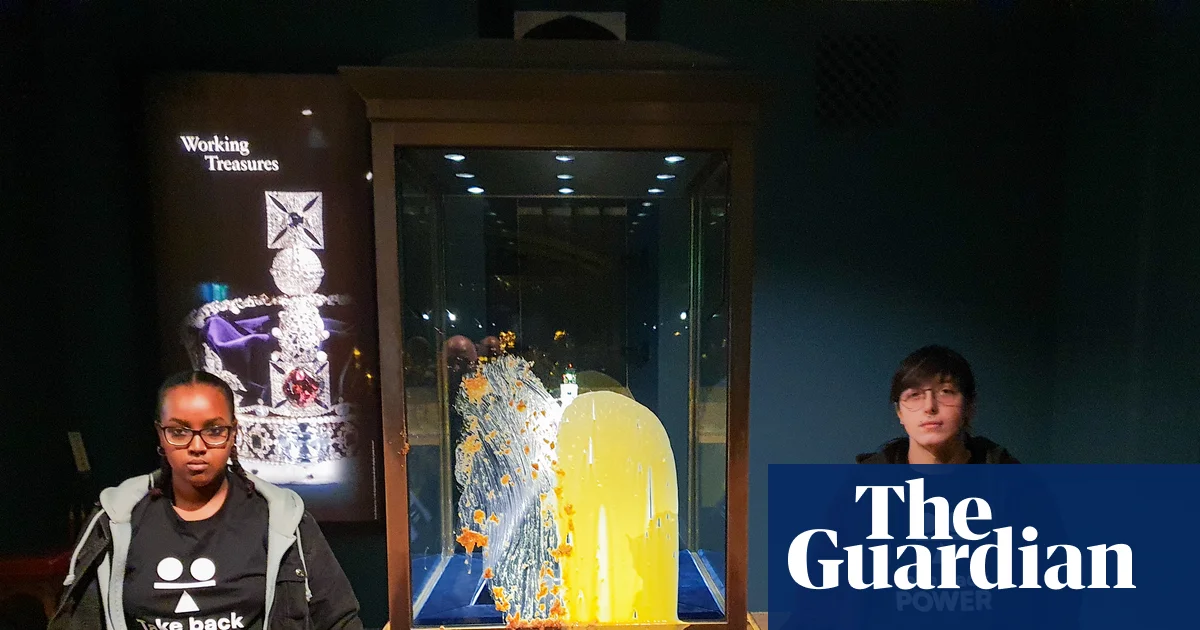
Tower of London reopens after protest over crown jewels display, food thrown during unrest

The recent demonstration at London’s Tower of London has ignited a wave of controversy that extends far beyond the gates of Britain’s historic citadel. On Saturday, a small but symbolic act of protest—the throwing of custard and apple crumble at the display case containing the Imperial State Crown—led to the temporary closure of part of one of the UK’s most iconic tourist sites. Conducted by the group Take Back Power, the action underscores growing discontent within Britain’s society over issues of inequality and governance. While the protesters describe their action as a non-violent civil resistance, it signals a deeper challenge to the established political and cultural order that continues to define Britain’s national identity.

Internationally, this event acts as a stark reminder of the tumult that often bubbles beneath the surface of seemingly stable nations. The protest’s message—demanding a permanent citizens’ assembly with the authority to tax extreme wealth and reform Britain’s governance—resonates with broader global patterns of populist discontent. Analysts note that Britain, historically seen as a resilient and constitutional monarchy, is now experiencing a fissure in its societal fabric. This fissure is partly driven by economic disparities, as the gap between the ultra-wealthy and common citizens widens. Global organizations such as the World Economic Forum have warned that rising inequality could spark more protests across Western democracies, challenging the legitimacy of long-standing political institutions.

In a wider geopolitical context, Britain’s internal struggles reflect a fracturing of trust that has significant repercussions on its international role. As the UK reevaluates its positioning post-Brexit, with declining influence in European and global affairs, such protests serve as a signal to allies and adversaries alike: the UK’s traditional institutions are under stress, and legitimacy is increasingly questioned from within. Historians like Dr. Elisabeth Meyers argue that these moments of civil unrest, regardless of their scale, *predict a transformative period for democracies worldwide*. Meanwhile, international watchdogs caution that unresolved grievances could lead to further destabilization, especially if economic tensions continue and political reforms stall.

The geopolitical impact of Britain’s internal discord may ripple outward—affecting alliances, security policy, and trade relations—while also shaping international narratives about Western resilience. For nations observing from afar, the spectacle of protesters targeting Britain’s crown jewels symbolizes a broader trend: that even the most venerable symbols of power are vulnerable when citizens feel unheard or ignored. The UK’s challenge now is to address these root issues without further fueling perceptions of decline or decay in what many still consider a global ideological and cultural beacon. History, as often noted by experts, reminds us that the fate of nations is etched into moments of crisis, and how Britain responds to this internal awakening may determine whether it emerges stronger or further divided.

As the dust settles and authorities investigate, the symbolism remains—an enduring reminder that history’s pages are still being written. In the shadow of this protest, the question lingers: Will Britain reaffirm its commitment to a more equitable society, or will it fall into the chaos of fractured trust? The next chapter depends on whether leadership recognizes that the true crown of a nation lies not in its jewels or monuments, but in the unity of its people and their unwavering quest for justice. The stones of the Tower of London have witnessed centuries of history, yet it is in moments like this that they seem to whisper of a future still undefined, waiting to be shaped by those brave enough to challenge the status quo.

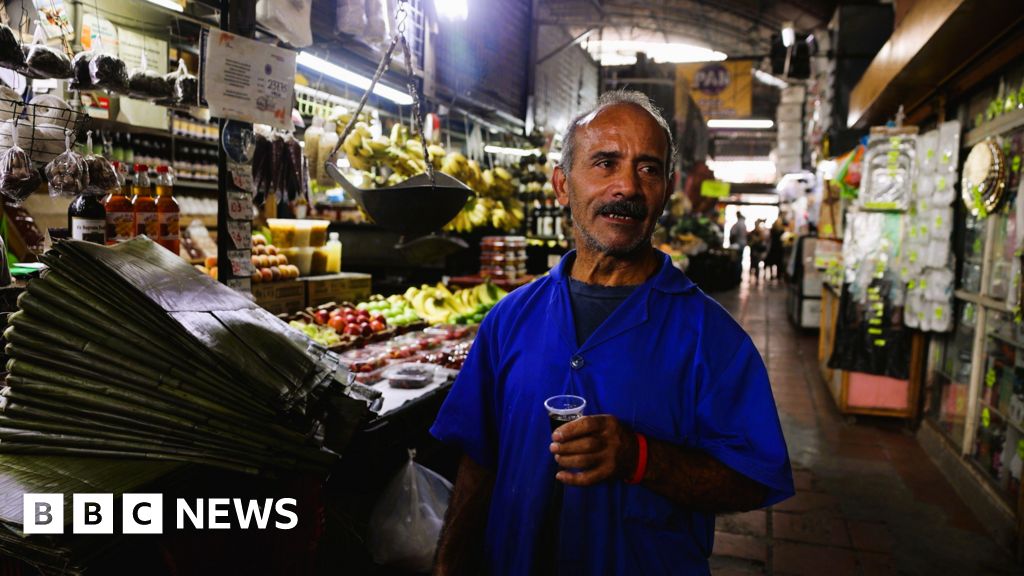
Venezuelans Fear Food Shortages Amid US Threats

Escalating Tensions in Venezuela: Geopolitical Impacts and Societal Struggles

The current crisis in Venezuela exemplifies the profound complexity of international conflicts and their ripple effects on societies. While global headlines focus on the military posturing of the United States and formal threats of invasion, the daily lives of ordinary Venezuelans remain overshadowed by economic despair and political repression. Despite aggressive troop deployments and heightened military activity near the country, the general mood on the streets of Caracas reflects prevailing **uncertainty and economic hardship** rather than imminent war. This divergence between geopolitical maneuvers and local realities underscores how decisions made in far-off corridors affect the lives of people caught in a web of **economic collapse and political repression**.

In recent weeks, Washington has escalated its military posture, deploying the largest warship in the world, USS Gerald R. Ford, along with thousands of troops and military assets near Venezuela. The move is presented as part of an effort to curb drug trafficking, yet critics and some analysts argue it is a thinly veiled attempt at regime change, echoing historical interventions in Latin America. An international wave of airlines cancelling flights and warning of **”heightened military activity”** signals a dangerous escalation that risks spiraling beyond diplomatic channels. Global institutions like the United Nations and international historians draw stark parallels with past Cold War crises, warning that such military brinkmanship could inadvertently ignite **regional conflict** or lead to humanitarian crises. The looming threat is not just a matter of military strategy but how such actions destabilize **sovereign nations** and threaten *fragile* social fabric*.

Meanwhile, the people of Venezuela face a harrowing reality marked by hyperinflation, food shortages, and pervasive fear. According to the International Monetary Fund, inflation could hit an unprecedented 629% by 2026 — the highest in the continent — ravaging purchasing power and deepening poverty. Even before the international tensions, Venezuelans were struggling to secure basic staples. Vendors such as Alejandro, who sells vegetables in a Caracas market, describe empty aisles and prices quadrupling, leaving most families unable to afford the **basic food basket**. Public sentiment reveals a dangerous mix of resignation and silent anxiety; many fear openly criticizing the regime or the burgeoning crisis, knowing repression has intensified since disputed elections in 2024. Opponents and analysts warn that **further repression and silence** may hide a growing insurgency or unrest that could explode if economic hardship persists or if international conflict engulfs the region.

How International Decisions Shape Societies

The decision to threaten military action or escalate tensions plays a significant role in shaping **how nations and societies evolve**. The United States’ posture signals its strategic interest in Latin America, but the aftermath often falls most heavily on local populations. As historians along with organizations like the Council on Foreign Relations warn, such show-of-force tactics risk undermining sovereignty and intensify **civil unrest**. Many Venezuelans, like Consuelo and Esther, express a sense of helplessness, caught between the fear of war and the daily fight for survival, with economic collapse overshadowing geopolitical concerns. Fear and repression have silenced protests and debates, creating an environment where hope is confined to whispers and secret exchanges. The international community’s role, whether through diplomatic engagement or sanctions, remains pivotal in either preventing disaster or unleashing a cascade of crisis that could leave history’s pages stained with the blood of innocence.

As the world watches a region teetering on the edge, the deeper truth emerges — nations are not isolated entities; they are intertwined in a web of **power struggles, economic interests, and human stories**. The convergence of military posturing, economic collapse, and political repression in Venezuela reminds us that the future is still to be written. Whether through diplomacy, confrontation, or catastrophe, history continues to unfold in the streets of Caracas, where everyday life persists amid an atmosphere heavy with uncertainty and the echoes of a legacy that will define generations to come. The full weight of history hangs in the balance, waiting to see if resolve or recklessness will shape the next chapter.

Supreme Court Upholds Trump’s Block on $4B Food Aid Boost, Youth Grip Tightens

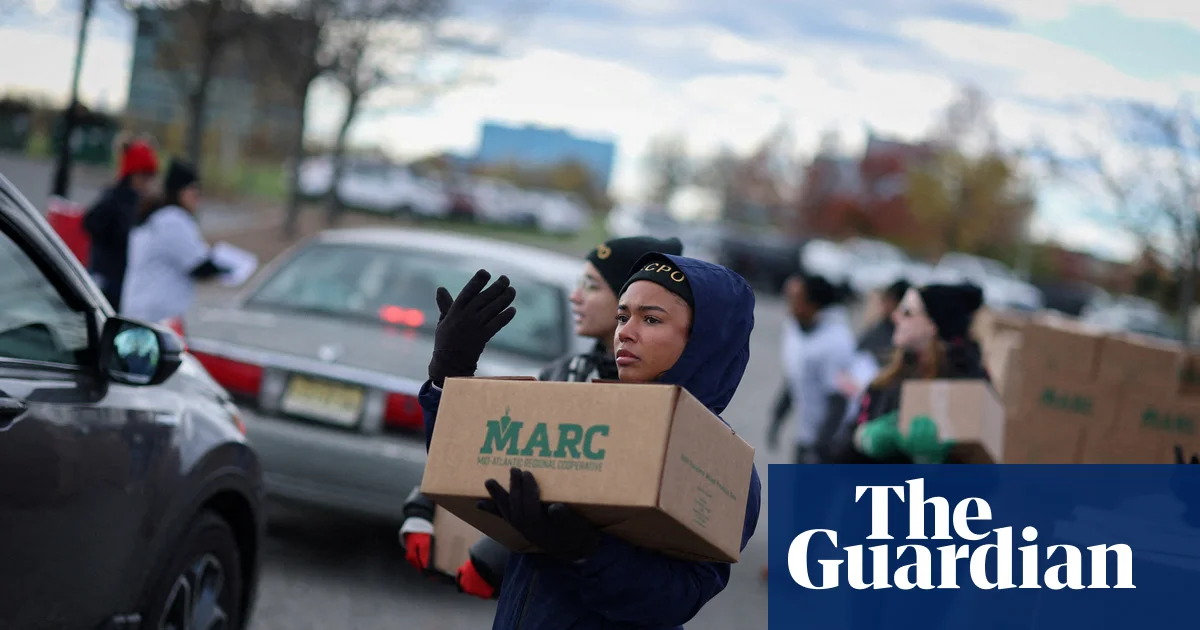
The United States finds itself at a critical juncture as a series of escalating political disputes threaten the social safety nets for millions. The Supreme Court recently upheld the Trump administration’s request to *pause* a federal judge’s order that would have apportioned $4 billion to the Supplemental Nutrition Assistance Program (SNAP). This decision has effectively frozen funds for the largest anti-hunger initiative in the nation, placing 42 million Americans—including countless vulnerable children and the elderly—at heightened risk of food insecurity during an already strained economic climate.

Analysts warn that this move not only jeopardizes immediate access to food for countless families but reflects a broader geopolitical impact. Plunging millions into uncertainty amidst internal political chaos underscores the fragile stability of America’s social fabric. As the House of Representatives prepares to vote on a package that could mark the end of the longest government shutdown in U.S. history, the Biden administration and Congress remain at loggerheads over federal funding. The administration insists that only through legislative compromise can vital programs be restored, a stance that continues to delay relief efforts and deepen the social crisis. The ongoing shutdown, intertwined with the clash over legislative priorities, continues to ripple outward, affecting states’ ability to deliver support and undermining public confidence in governance.

Meanwhile, the Department of Agriculture has issued directives for states to “immediately undo” benefits already disbursed, creating chaos at a local level where food pantries and community services are already overwhelmed. With only partial benefits issued for November, and no guarantee of federal reimbursement, the geopolitical ramifications extend beyond domestic borders, highlighting the profound impact of internal instability on local communities. According to observers like historians and social policy analysts, this episode exemplifies how political decisions—particularly those rooted in partisan deadlock—can have tangible consequences, exacerbating societal divisions and threatening the social contract.

The international community watches with concern as the United States, traditionally seen as a bastion of stability and economic power, falters in its moral obligation to protect its most vulnerable. As aid agencies scramble to fill the gaps, domestic disarray risks expanding into a broader crisis. The looming holiday season and the approaching winter threaten to intensify the suffering with no clear resolution in sight. This harrowing chapter in American history—marked by political infighting and social neglect—reminds the world that the internal stability of a nation often hinges on its ability to meet the basic needs of its citizens. Yet, the true cost may extend far beyond national borders, influencing global perceptions of U.S. leadership and stability.

As the pages of history continue to turn, the fate of the American social safety net remains in the balance, a stark reflection of a nation deeply divided. The unfolding drama raises profound questions about governance, moral responsibility, and international leadership—questions that will resonate long after the current crisis subsides. In a world where geopolitical shifts accelerate and alliances are tested, the true measure of a nation’s strength is revealed not in its wealth or military power, but in its capacity to care for its people during times of crisis. Whether the United States will rise from this moment stronger or succumb to internal disarray remains to be seen; yet, the weight of history presses heavily upon all—reminding us that in the darkest hours, the dignity of a society is truly tested.

Sudan kicks out UN Food Agency staff as chaos worsens

Sudan’s Humanitarian Crisis Deepens as Military Expels UN Aid Officials

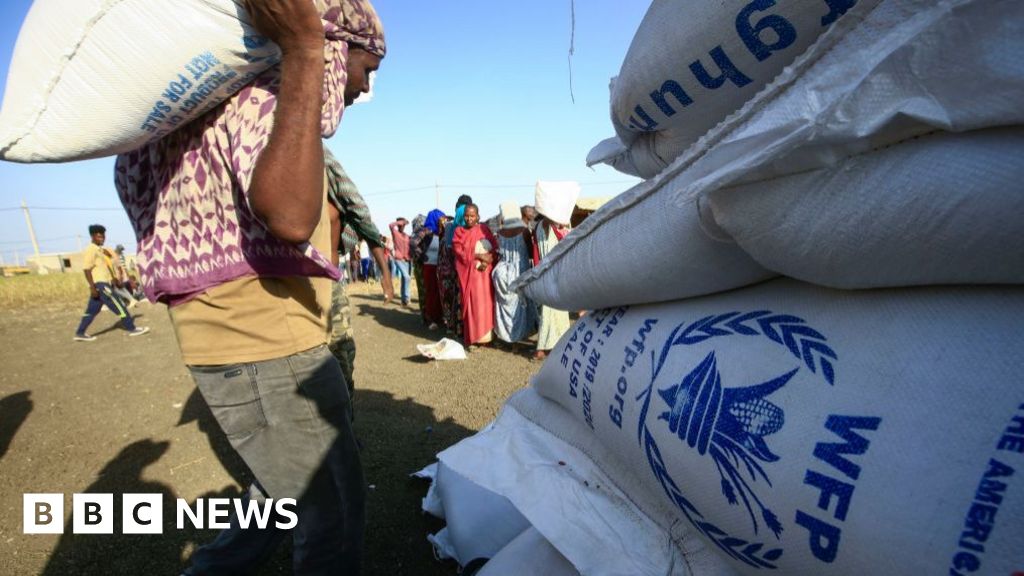
In a move that signals a troubling escalation, Sudan’s military government has ordered two senior officials from the United Nations’ World Food Programme (WFP) to leave the country within 72 hours. This unjustified expulsion comes amid a relentless civil war that has plunged the nation into an unprecedented humanitarian catastrophe. The ongoing conflict, which erupted in April 2023, has resulted in a catastrophic food blockade, leaving over 24 million Sudanese facing severe food insecurity. The removal of key aid personnel at this critical juncture is no coincidence; it underscores the regime’s intent to undermine crucial international aid efforts aimed at alleviating suffering in a conflict zone that has now become a battleground for influence and survival.

Conflict Escalation and Humanitarian Atrocity

  • The reprisals came days after the capture of el-Fasher in Darfur by the paramilitary Rapid Support Forces (RSF), a protracted victory following an 18-month siege that included a food blockade. This event has compounded fears that the violence in Darfur—once a region scarred by genocide—may be reawakened.
  • The fighting has directed international attention to the profound suffering of civilians caught amidst partisan violence, with reports of atrocities and mass killings spreading across the region.
  • Amidst rampant looting, shootings, and violations, eyewitnesses describe el-Fasher as a site of chaos and despair, reminiscent of Sudan’s darkest days during the early 2000s.

The situation illustrates a grim pattern: the resurgence of ethnic violence in Darfur’s rugged terrain, which has long been emblematic of regional instability. Historians and analysts warn that these events are a stark reminder of how internal conflicts can erupt into international crises, with regional and global consequences. The UN and regional bodies like the European Union and African Union have issued alarmed statements, condemning the escalation and calling for international intervention. Yet, the military government’s refusal to provide clear explanations for the expulsion of aid workers reveals an intention to clamp down on any external efforts to document or influence the conflict.

Geopolitical Ramifications and How International Decisions Shape Nations

The expulsions and escalating violence underscore a broader geopolitical shift where resilient regional powers and international organizations face renewed challenge in maintaining stability and order. As Sudan teeters on the brink of renewed genocide, the implications extend beyond Africa’s borders. The renewed violence threatens to destabilize neighboring countries, potentially fueling refugee flows, fostering militant recruitment, and creating fertile ground for larger regional conflicts.

Moreover, this crisis exposes the strategic weakness of international diplomacy, as the Sudanese military’s move to silence aid organizations indicates its defiance of Western and regional pressure. Experts point out that Sudan’s internal turmoil is emblematic of the failure of international efforts to broker lasting peace. If the situation continues to deteriorate, it could invite greater foreign intervention or, conversely, further entrenchment of regional conflicts, reshaping the geopolitical landscape of North-East Africa.

The academic and diplomatic community warns that actions taken today—whether through sanctions, peacekeeping, or diplomatic isolation—will ripple through the historical fabric of the region. How the global community responds to Sudan’s unfolding tragedy could determine whether the country slips further into chaos or emerges anew, scarred yet resilient. The weight of history is pressing heavily on this fragile nation, signaling a pivotal moment where choices made in the halls of power might either curb or catalyze the next chapter of its tumultuous story.

Conclusion: The Unfolding Shadow of History

As the world watches this unfolding tragedy, it becomes clear that Sudan’s plight is not merely a regional concern but a warning—a stark reminder that unchecked violence and international neglect can ignite a conflagration of human suffering that spans generations. The decisions made in the coming days could set a precedent for how the international community confronts future crises—whether with steadfast resolve or tragic indifference. The pages of history remain unwritten, and the shadow of Sudan’s unfolding chaos continues to cast a long and ominous pall over the pursuit of peace and stability in the 21st century.

Social Media Auto Publish Powered By : XYZScripts.com