Matox News

Truth Over Trends, always!

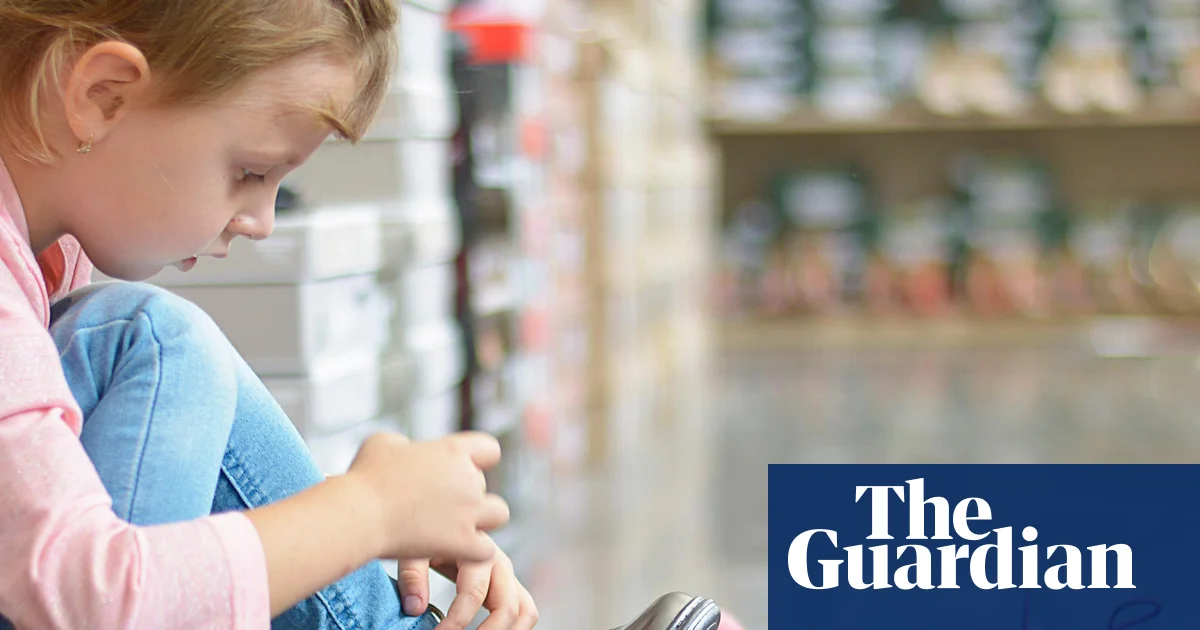
Kids’ shoe shops warn closures threaten children's foot health — retail warning shot
Kids’ shoe shops warn closures threaten children’s foot health — retail warning shot

Rising Health Concerns in Children’s Footwear Spark International Debate

Across Europe and the United Kingdom, experts are raising alarms over a disturbing trend—an increase in childhood foot health issues linked to ill-fitting footwear. Footwear specialists emphasize the importance of proper shoe fitting, likening it to the essential health priorities of eyes and teeth, yet data suggests many parents remain unaware of the long-term consequences of neglecting these guidelines. The decline in the number of physical shoe outlets, with more than 1,000 shops shuttering since 2020 — mostly driven by economic realignments—has worsened the problem, pushing families toward online purchases where proper fitting advice is often unavailable. Amidst this landscape, organizations like Footwear Hub are launching campaigns to raise awareness about how improper footwear can lead to issues such as bunions, fallen arches, and faulty gait, which could have lifelong repercussions.

This trend does not merely stay within domestic borders but sends a geopolitical impact that resonates beyond national health concerns. Global health experts, highlighted by the World Health Organization, warn that childhood foot problems, if left unaddressed, can contribute to increased healthcare burdens and potential social disparities. As nations grapple with aging populations, the focus on the health of younger generations signals an urgent need to reevaluate underlying social care frameworks. The importance of proper footwear—akin to preventative medicine— underscores the broader issue of how modern commerce and changing retail landscapes influence societal health outcomes. These decisions, whether in Britain or across the Atlantic, reveal the profound impact of economic shifts on everyday societal health, echoing through the corridors of public health policy corridors worldwide.

International analysts point to the disappearance of specialist shoe-fitting services as a warning sign. How nations respond to these health challenges reflects their priorities on future generations—the true stake in the game of geopolitics. Experts like Dr. Jill Ferrari, a noted podiatrist, warn that deeply ingrained habits of improper shoe choice could lead to more than just aesthetic deformities—they threaten functional mobility and overall quality of life, with risks extending into the realm of national productivity. As the children of Europe and North America struggle with preventable issues, the consequences reach beyond individual discomfort: they threaten the fabric of societal health and the economic stability that hinges on an active, healthy youth. Governments and civic societies must grapple with whether they continue to allow market forces and consumer habits to jeopardize childhood development or champion proactive health policies, including accessible professional guidance.

In the grand tapestry of history, these seemingly small details—shoes, feet, and the health of our youth—may seem insignificant amid the larger geopolitical stage. Yet, as nations teeter on the edge of economic, social, and health crises, the underlining message persists: our choices today carve the foundation of tomorrow’s history. Will future generations look back and see a society that prioritized effortless convenience over enduring health? Or will they recognize a critical turning point—where nations recognized their responsibility to nurture more than just their economies, but the very foundations of societal resilience? The future hinges on how well we heed these warnings—an enduring reminder that the smallest decisions can echo through the corridors of history for generations to come.
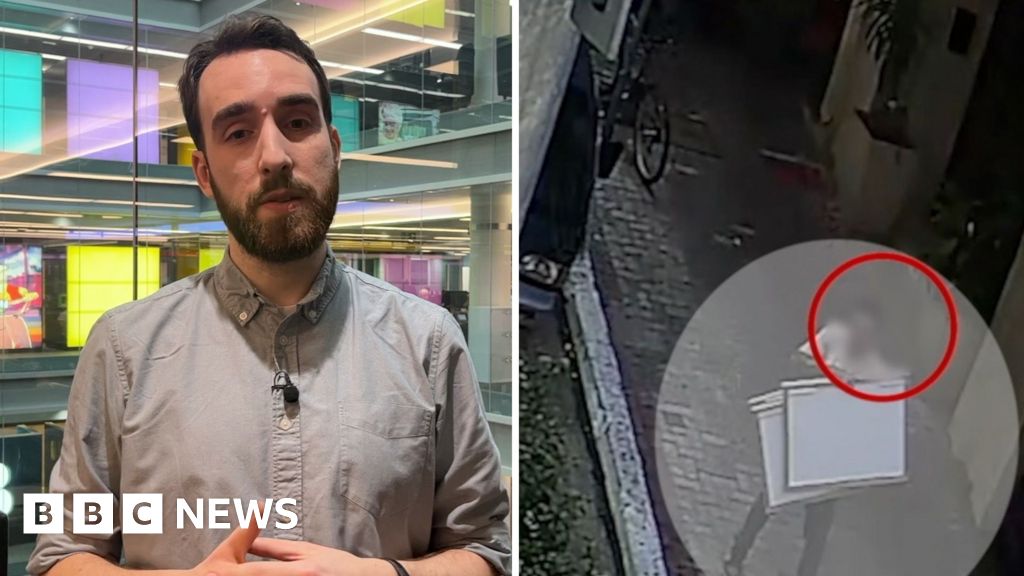

CCTV captures suspects fleeing on foot with stolen art—time for tougher crime crackdown

The recent theft of at least 13 priceless artworks from a library in São Paulo, Brazil, has sent shockwaves through the international art community and raised serious questions about security and geopolitical stability. Among the stolen items are eight engravings by the renowned French artist Henri Matisse, reflecting the cultural loss not only for Brazil but for the global heritage. The audacity and sophistication of the heist highlight a disturbing trend in transnational art theft, a crime that not only robs societies of their history but also fuels the black market on an international scale.

Authorities confirmed that they have located the “escape vehicle” linked to the crime and have arrested one suspect, yet the stolen artworks remain at large. Cooperation with Interpol underscores the severity of the case, as officials work tirelessly to recover the pieces before they are smuggled beyond national borders. Analysts warn that such thefts are often interconnected with larger networks operating across continents, shifting the balance of cultural influence and economic power. This incident serves as a stark reminder of the vulnerabilities faced by cultural institutions worldwide amid rising organized crime and a lack of robust security measures. As Brazilian law enforcement and international agencies collaborate, questions linger over the sophistication of the theft—was it merely a localized crime or part of a broader pattern involving transcontinental trafficking networks?

The unfolding situation highlights *how decisions made at the international governance level, such as border security and cooperation protocols, directly impact local and national efforts to safeguard cultural treasures*. According to international security experts, the theft underscores the necessity for stronger collaborations and technological innovations in protecting vital cultural assets. The incident also exposes the vulnerabilities of even seemingly secure cultural repositories in rapidly developing countries, where the appeal of black-market art trade continues to grow. Historians and analysts emphasize that this pattern, if unchecked, could result in irreversible losses of humanity’s shared cultural history, eroding the collective identity of nations and societies.

As the crisis unfolds, Brazil faces a pivotal moment that could influence regional stability and international norms surrounding cultural preservation. The compromised security at São Paulo’s library not only exemplifies the danger posed by organized crime but also raises urgent questions about how nations can protect their most precious cultural assets in an increasingly interconnected world. What remains at stake is not just a collection of artworks, but the integrity of history itself—an ongoing struggle where the stakes grow higher with each passing day. The world watches, and history hangs in the balance, waiting to see if justice and cultural recovery will triumph over the shadows cast by this audacious heist—one that may just rewrite the narrative of international cultural security forever.

Councils foot the bill for school transport for 470,000 pupils—money well spent on our future.

In today’s society, a troubling trend emerges: the increasing strain on local communities, families, and schools due to the dramatic rise in costs associated with funded transport for children with special educational needs and disabilities (Send). According to recent government estimates, nearly half a million under-16s in England depend on taxis, buses, and other subsidized transportation to access education centers—an essential service that is now becoming less sustainable under financial pressures. This issue underscores how social disparities are deepening, as families with children who require specialized transport are disproportionately impacted, often facing difficult choices that threaten their children’s right to education and their own economic stability.

The data, based on voluntary submissions from three-quarters of local authorities, reveals that in the 2023-24 financial year, £1.5 billion was spent on transport for under-16s with Send—more than double the amount spent just a decade ago. This upward trajectory highlights a profound social issue: the widening gap between resource allocation and demand. Many councils are now grappling with the harsh reality that fulfilling statutory responsibilities for transport is no longer financially feasible. The growing cost not only compromises the equity of educational opportunity but also raises questions about the long-term consequences for community cohesion and social mobility. The historian and sociologist Raymond Williams warned that such structural neglect risks eroding the social fabric, leaving marginalized children further behind in the race for knowledge.

This crisis hits hardest families of children with Send. For instance, Ailith Harley-Roberts, a parent and campaigner, shares the story of her 15-year-old daughter Talia, whose funded transport service will cease at 16. This change, mandated by her local council, threatens to impose hours of additional travel—sometimes requiring her family to drive several hours daily—adding immense stress and financial hardship. Such demographic shifts reveal an underlying moral dilemma: society’s commitment to equality of opportunity is challenged when vital services are reduced or eliminated. The British sociologist Stuart Hall argued that social policy must safeguard these rights, yet budgetary cuts threaten to undo years of progress toward inclusive education, marginalizing children with complex needs and their families.

Moreover, experts warn that these cuts are not merely logistical issues but social crises in the making. Rob Williams, senior policy advisor at the NAHT, emphasizes that funded transport plays a crucial role in enabling children to attend school regularly and develop independence. When councils reduce or withdraw transport provisions—often citing economic constraints—it exacerbates inequalities and threatens to deepen attainment gaps. The government’s delay in reforming the Send system, announced recently, underscores a failure to address these pressing social injustices, risking the collapse of a fragile support network.

As communities confront this social dilemma, the moral weight of ensuring every child’s right to education becomes clear. The cultural shift towards austerity threatens to overshadow commitments to social justice and inclusivity. Yet, amidst the economic chaos, there remains a quiet hope—a reminder that society is resilient, capable of transformation. As the philosopher Albert Camus once reflected, “In the midst of winter, I found there was, within me, an invincible summer.” Perhaps, with steadfast resolve, society can rekindle its sense of collective responsibility and forge a future where every child, regardless of their needs, can walk the path of learning free from undue hardship and neglect. It is this hope—embedded in the strength of our families and communities—that can serve as our guiding light in the turbulent times ahead.

Social Media Auto Publish Powered By : XYZScripts.com



