
Across the United Kingdom, a silent crisis is unfolding within the realms of adoption and foster care. Deep within families tasked with providing love and stability to society’s most vulnerable children, there is a disturbing narrative of neglect, misunderstanding, and broken support systems. An investigative report by the BBC reveals that numerous adoptive families are being pushed to the brink—being threatened, harassed, and sometimes driven to the point of despair, all while grappling with children who have suffered severe trauma before their placement. These families, often lauded as heroes of society for welcoming children in need, are instead becoming casualties of a system that fails to back them in their darkest hours.
This troubling scenario threatens the very fabric of families, communities, and the future of social cohesion. Sociologists such as Prof. Laura Machin have highlighted the devastating effects such failures have on families, noting that nearly 38% of adoptive parents consider returning their child to care amid the mounting crises. Many families report being misled about the level of post-adoption support and subjected to a culture of blame from social workers overwhelmed by caseloads and systemic limitations. When behavior problems emerge, instead of receiving compassionate intervention, adoptive parents often face the language of blame, legal threats, and even police involvement—an experience that can fracture communities that operate on trust and shared morals. The social impact is profound, with trauma routinely dismissed or misunderstood, leaving families feeling isolated and betrayed.”
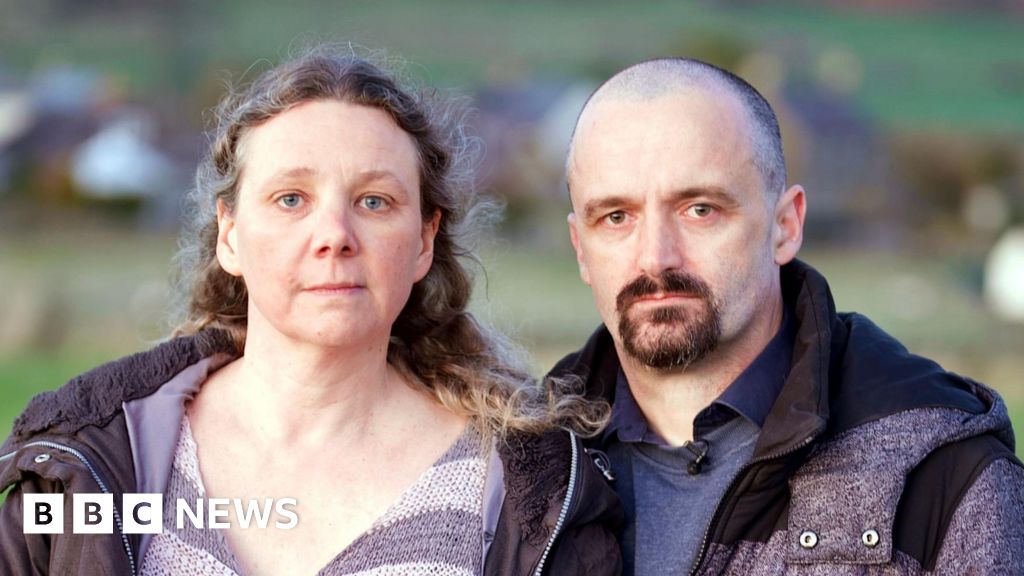
Within this chaos, family units are suffering as children with complex needs are returned to care or are left in environments unfit for healing. The BBC investigation uncovers a shocking number—more than 700 children—who are returned to care before their adoption is finalized, and hundreds more after, illustrating a failing system that lacks the preventative support necessary to keep families intact. These breakdowns are often precipitated by inadequate early intervention, with research from Lancaster University indicating that many such disruptions could be avoided with proper, timely help. Social workers, under immense pressure, sometimes resort to disinformation or blame parents for issues rooted in trauma, neglect, or abuse that originated long before adoption. The moral and human toll is immeasurable, with stories like that of Verity and Ian, who adopted their children from a violent environment, only to face threats of prosecution when their own efforts to protect and nurture were met with legal and bureaucratic hostility.
At the core of this social dilemma lies a profound need for reform—a society that recognizes the lifelong commitment of adoption and the essential role of support systems. Advocates like Fiona Wells from the grassroots group Patch emphasize that adoption should be a lifelong journey, backed by continuous, meaningful support. The current landscape, however, often leaves families to fight alone, with legislation outdated and social services strained beyond capacity. As Sarah, a seasoned social worker, admits, social workers on the ground frequently harbor a blame culture, and systemic neglect leaves many families in crisis. But in the light of this ongoing crisis, there is hope. Movements pushing for policy reforms and better resources are gaining momentum, advocating for early intervention, proactive mental health support, and a compassionate approach to trauma—cornerstones of restoring trust and healing fractured lives. Society must reckon with these painful stories, recognizing that behind every statistic are real families burdened by systemic failures, human suffering, and the need for societal compassion.
As society stands on the precipice of change, it reflects a timeless truth: that the strength of our communities is inherently linked to our ability to nurture the vulnerable with dignity and respect. Liam’s story, from trauma to independence, reminds us that amid systemic flaws there is potential for renewal—if society chooses to face its challenges head-on and build a future rooted in compassion and support. For in the quiet resolve of families fighting for their children, lies the hope that society’s moral compass can be recalibrated—toward justice, toward healing, and ultimately, toward a society that truly values every human life, no matter how scarred or lost it may seem.