
Matox News

Truth Over Trends, always!

Top Focus Apps for 2026: Focus Friend, Forest, Focus Traveller

Disruption in Focus Tech: How Innovative Apps are Reshaping Productivity

In the relentless pursuit of enhanced personal productivity, tech entrepreneurs and major corporations are pioneering novel solutions amidst a backdrop of declining attention spans fueled by the TikTok era. Leading this charge are emerging apps such as Focus Friend and Forest, which leverage gamification and behavioral psychology to disrupt traditional focus techniques and redefine the digital productivity toolkit. These innovations not only aim to combat distraction but also herald a new wave of market vitality, creating lucrative opportunities for startups and established players alike.

Focus Friend exemplifies this disruptive wave by integrating playful artificial companionship into focus routines. By offering users a digital bean that “knits” during work sessions, the app taps into a trend of emotional engagement, encouraging prolonged focus through contextual reward mechanisms. Unlike rudimentary timer apps, Focus Friend’s emphasis on emotional connection and customization—such as decorating the bean’s home—transforms the task of focus maintenance into an engaging experience. While monetization primarily hinges on aesthetic upgrades, the core functionality remains a straightforward stopwatch with added app-blocking features, representing an innovative blend of simplicity and emotional engagement that tech giants and venture capitalists find compelling.

In parallel, Forest revolutionizes focus management by integrating environmental stewardship into productivity. The app’s unique approach—growing virtual trees based on user focus—has garnered substantial attention, prompting partnerships with organizations like Trees for the Future. The game-like element of cultivating a digital forest taps into behavioral economics, incentivizing sustained engagement and making focus feel rewarding on multiple levels. Such models are heralded by analysts at Gartner as prime examples of disruption through gamification, fundamentally transforming how users perceive productivity tools and their motivational drivers. The success of Forest signals the potential for integrating environmental impact with personal efficiency, positioning these apps as front-runners in the $2.4 billion global focus app market.

Strategic Implications for Business and Industry

The rise of these focus tools highlights a broader industry shift towards immersive, emotionally resonant digital solutions that challenge conventional productivity paradigms. As startups and incumbents invest heavily in features like app-blocking, AI-driven personalization, and integration with wellness platforms, the business landscape is poised for dramatic transformation. Established giants such as Apple and Google are likely to incorporate native versions of these disruptive features into their OSes, further amplifying their reach. Tech analysts at MIT emphasize that the ultimate battleground is data: capturing user attention and behavioral patterns offers immense commercial value, enabling future monetization through targeted advertising and subscription models.

Moreover, these focus apps are pioneering market-driven environmental initiatives, promising positive social co-benefits—an essential differentiator in a climate-conscious era. Their partnerships with environmental nonprofits exemplify how digital disruption can generate tangible global impact, bolstering investor confidence and consumer loyalty. As Elon Musk and Peter Thiel highlight, the key to future innovation lies in harnessing technology’s disruptive potential to solve real-world problems—be it productivity, mental health, or sustainability—further accelerating the competitive race to dominate the next generation of digital tools.

Looking ahead, the trajectory suggests a convergence of AI, gamification, environmental ethics, and personal well-being, creating a fertile ground for a new ecosystem of productivity solutions. With major tech firms investing in augmented reality focus environments and startups experimenting with biofeedback-integrated apps, the industry’s evolution is both inevitable and urgent. The question for stakeholders is whether they can capitalize on this momentum before the market becomes saturated and competitors catch up. As the digital landscape continues to redefine how we work, think, and interact, the competitive edge will belong to those who prioritize disruption-driven innovation, embracing the inevitable shift toward emotionally engaging, purpose-driven technology.
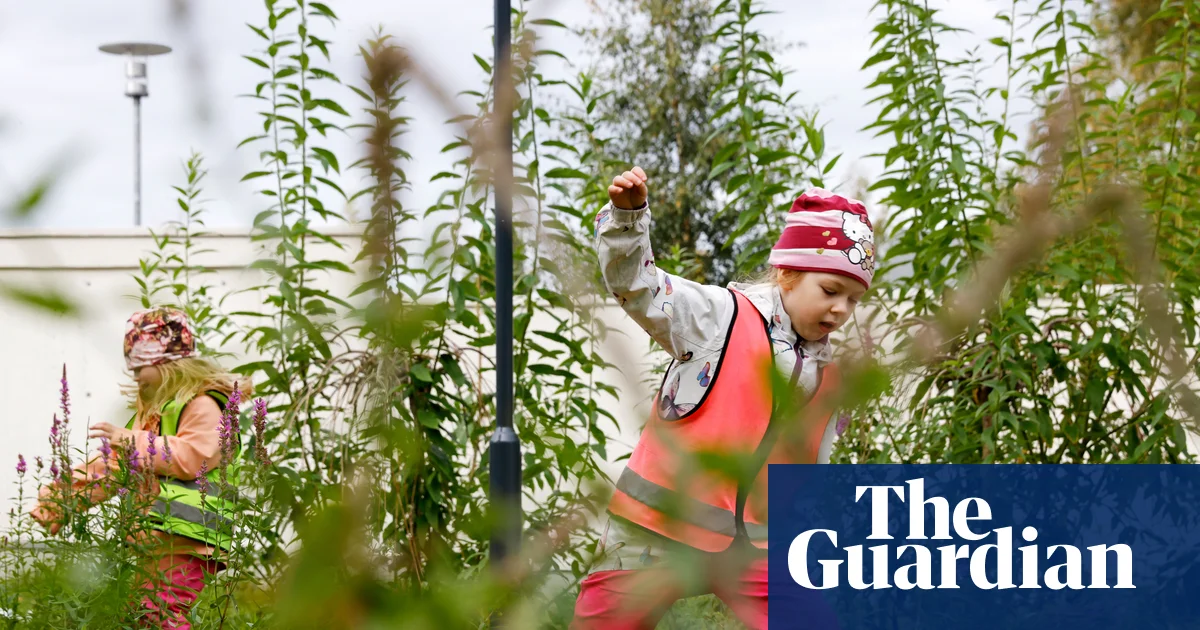
Turning Nature Into Education: How a Forest Preschool Boosts Kids’ Health and Future

Biodiversity and the Future of Society: Finland’s Rewilding Movement in Early Childhood Education

Imagine a society where our youngest generations are immersed in natural ecosystems from the very beginning. In Finland, a pioneering movement is reshaping how communities approach childhood development, emphasizing the profound importance of microbial biodiversity for health, learning, and societal resilience. At the core of this initiative are kindergarten yards transformed into vibrant, biodiverse landscapes—reclaimed from concrete and asphalt—where children are encouraged to dig in soil, forage for berries, and discover bugs. By exposing children early to the complex web of nature, educators aim to foster robust immune systems while instilling an enduring respect for the environment. Institutional efforts like these resonate with sociologists like Michael Foucault, who underscored the importance of spaces of knowledge and health, highlighting how societal structures can be reconfigured to favor *well-being* over sterile convenience.

The social implications of this shift extend beyond health, touching on questions of how communities organize space and prioritize collective health. As these rewilded daycare centers flourish, they challenge the prevailing sanitized model of childhood—characterized by synthetic mats, plastic toys, and limited contact with the natural world. Finland’s innovative project has been supported by €1 million in funding awarded to 43 centers to increase environmental diversity. The outcome has been a remarkable reduction in childhood disease-causing bacteria, such as Streptococcus, and an increase in immune cells critical to preventing autoimmune diseases, as shown by recent research. This is a testament to how social policies rooted in environmental realism can paradoxically cultivate healthier, more resilient human bodies and communities. Families and educators are discovering that nurturing microbiodiversity is not just an environmental priority in isolation but a societal imperative for nurturing the next generation of citizens able to withstand the health challenges of the modern age.

But the social benefits reach further, as studies reveal that this engagement with nature enhances cognitive development and emotional well-being. According to research from the University of Sheffield, green barriers, such as plant hedges, have effectively reduced harmful air pollutants like nitrogen dioxide around school playgrounds. Such approaches demonstrate that the move outside is essential not only for health but for cultivating a sense of community and environmental stewardship among children. Finnish educators emphasize that they want to move the “action from inside to outside,” highlighting a societal shift towards integrating ecological consciousness into daily life. This vision echoes the ideas of environmental thinkers who advocate for a society where human activities harmonize with natural processes—an urgent response to the *demographic and ecological shifts* threatening our collective future.

As society grapples with environmental loss and public health crises, these Finnish initiatives serve as both a vision and a call to action. The underlying message is clear: by integrating biodiversity into the very fabric of childhood learning environments, we instill values that transcend individual health—values rooted in understanding our interconnectedness with the Earth’s ecosystems. Perhaps, in nurturing this respect and resilience from the earliest age, society can begin to repair the fractured relationship it has with nature. This is not merely an experiment in education but a blueprint for societal renewal—where hope emerges from understanding the intricate dance of microbes, trees, and human life, reminding us that the path to a sustainable future begins with the smallest hands in the dirt and the boldest visions for a society that values health, community, and the environment equally.

New Forest Pony Branding Is an Unjust Practice Against Our Heritage

Unseen Battles in Our Society: The Struggle to Preserve Values and Protect Future Generations

In various corners of our society, urgent issues threaten the fabric that holds communities together. From the controversial treatment of animals in the New Forest to the ongoing debate over housing policies and social cohesion, these challenges reflect a deeper struggle to preserve tradition, human dignity, and moral responsibility. The recent reports of wild ponies being rounded up, branded, and having their tails cut serve as a stark reminder that human habits often clash with animal welfare and ethical standards. Such practices not only raise concerns about how our society values life and respect for nature, but they also impact families’ connection to the land and their cultural heritage, especially in rural communities where these traditions are deeply rooted.

Meanwhile, social policy initiatives such as the proposal for prefabricated homes highlight a society grappling with the crises of homelessness and affordable housing. Labour MP Siobhain McDonagh emphasized that these quick-assembly dwellings, reminiscent of postwar resilience, could again be a crucial solution for families and children living without security or stability. The absence of adequate housing affects the growth and development of children, burdening their education and health, and fraying the social ties that keep communities strong. As historians like Eric Hobsbawm have noted, societal progress hinges on addressing the root causes of inequality, transforming lives through pragmatic, community-centered policies rather than populist rhetoric or neglect.

However, societal tensions are also evident in everyday interactions, such as the debate surrounding pedestrian and cyclist relations. Critics point out that the hierarchy of road users must be clearly understood and respected for safety’s sake. The Highway Code reinforces pedestrian priority, yet questions about mutual awareness and courtesy threaten to divide communities further. Such conflicts elucidate the challenge of fostering a shared sense of responsibility, essential for maintaining social order in increasingly busy and diverse urban spaces. Sociologists warn that failure to promote mutual respect could escalate tensions, weakening the social bonds that form the foundation of a cohesive society.

Amid these social issues, voices of concern like Marilyn Adams underscore the importance of civic engagement in the fight against far-right ideologies and political reform movements. Her call to explain and defend democratic values echoes the moral urgency of the moment. Building a resilient society necessitates active participation, informed by a collective understanding that morality and human dignity are non-negotiable. Education, community outreach, and open dialogues are vital in shaping a future where families are secure, children flourish, and social divisions are healed. History informs us that societal transformation is difficult but possible when its members stand united with conviction and moral clarity.

In the arts, as critics highlight the diminished quality of modern drama, with mumbled dialogues overshadowing content, society faces a metaphorical reflection: how often do we sacrifice clarity and purpose for superficial pleasures? Without clear communication and shared purpose, societal cohesion risks becoming like poor dialogue—ineffective and lost in the noise. Yet, just as the society struggles with these challenges, there remains a glimmer of hope—an enduring belief that through proactive engagement, moral responsibility, and respect for tradition and progress, a better society is within reach. Perhaps, in this ongoing story, every individual’s effort to uphold values and foster understanding is a vital stitch in the broader fabric of a nation yearning for renewal, justice, and hope for the next generation.

Social Media Auto Publish Powered By : XYZScripts.com