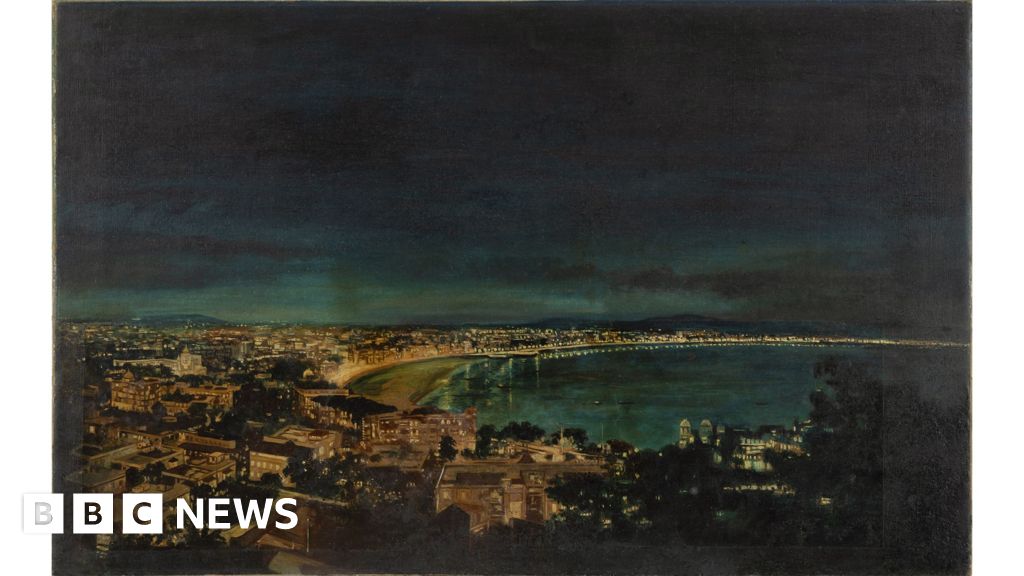

A groundbreaking exhibition has recently opened its doors, offering a panoramic view of Bombay’s transformation over the centuries through an extensive collection of paintings, photographs, and prints. This display not only highlights the city’s artistic and cultural evolution but also underscores its geopolitical significance within the broader Asian landscape. As the world’s attention shifts towards this historic metropolis, the exhibit serves as a reminder of how layered histories shape contemporary geopolitics.
Central to the exhibition’s narrative is Bombay’s role as a rising commercial hub during colonial times, particularly under British dominance. Historians and analysts note that the city’s architecture, from colonial-era buildings to sprawling port facilities, reflects decades of strategic economic positioning. As India emerged from colonial rule, Bombay became a microcosm of the nation’s ambitions—showcasing resilience amid upheaval. International organizations such as the United Nations and regional think tanks cite Bombay’s historical growth as indicative of how urban centers in emerging markets are shaping regional power dynamics today.
The exhibit also draws attention to the complex cultural layers within Bombay, which continue to influence its geopolitical stance. The city’s diversity—its mix of colonial influences, indigenous traditions, and immigrant communities—mirrors the broader challenges faced by many nations navigating globalization. As these societies grapple with rapid urbanization and economic transformation, their histories—like those painted and photographed in this exhibit—serve as a testament to resilience and adaptation. Analysts warn that understanding this layered history is vital for grasping current conflicts over identity, governance, and regional influence, especially in a landscape where local identities often clash with global ambitions.
Crucially, the exhibition arrives at a time of significant geopolitical recalibration. Major powers such as China, the United States, and regional neighbors see Bombay as a strategic linchpin—its port, economy, and cultural vibrancy offering both opportunities and challenges. Regional security experts point out that with ongoing infrastructural expansions and economic initiatives, Bombay’s trajectory will profoundly impact how nations in South Asia manage their sovereignty and influence. As currents of trade, diplomacy, and strategic alliances continue to shift, the city’s legacy remains a vital thread in the fabric of international relations.
Ultimately, the story of Bombay is a reflection of the relentless march of history—an unfolding epic where past meets present and future. As historian Dr. Amira Patel reflects, “The city’s images, preserved in art and print, are more than relics; they are living testaments to the resilience of a society that has weathered colonization, independence, and modernization.” With each stroke of paint and snap of the camera, the narrative of this iconic city persists—a symbol of enduring strength amidst the tumult of global change. History continues to write itself, and Bombay remains at its fiery heart—an unstoppable force shaping the pages yet to come.