Matox News

Truth Over Trends, always!

UN Climate Talks Fail to Deliver New Fossil Fuel Commitments

Global Climate Diplomacy Faces Standoff at COP30 in Belém

As the United Nations Climate Summit COP30 wrapped up in Belém, Brazil, a palpable sense of frustration and disillusionment echoed across the international community. Despite weeks of tense negotiations, the final deal—dubbed the Mutirão—failed to include a direct reference to the core issue gripping sky-high global temperatures: the reliance on fossil fuels. This outcome underscores a deepening divide between developed nations and oil-producing countries, revealing the entrenched interests that threaten serious climate action.

The summit, taking place amid a backdrop of chaotic protests, devastating weather, and even a fire in the venue, was marked by a struggle of ideals and power. Over 80 countries, including the UK and sweeping European Union, had sought commitments to accelerate reductions in oil, coal, and gas use. However, the fierce resistance from OPEC nations like Saudi Arabia and major fossil fuel exporters meant that those calls were ultimately sidestepped. A clear shift in diplomatic tone became evident: the large oil-producing nations insist on their “sovereign right” to exploit fossil fuel reserves, branding such pursuits as essential for their economic growth. This stance has sparked intense scrutiny from historians and analysts, many warning that these fixed positions threaten the very fabric of future international climate policies.

Notably, the absence of a delegation from the United States—after President Trump’s declaration to withdraw from the Paris Agreement—symbolized a troubling trend of American retreat. While many nations, like India, praised the outcome as “meaningful,” the global effort to limit warming to 1.5°C remains elusive. The UN itself expressed concern that current trajectories jeopardize this target, highlighting that global efforts are “failing.” Meanwhile, representatives of poorer nations, especially small island states, emphasized that the final agreement’s promises to bolster climate finance—like the newly established Tropical Forests Forever Facility—are crucial for their survival. The geopolitical impact of this exchange is clear: the world’s poorest are demanding recognition and assistance, yet the divisions over fossil fuel exploitation threaten to deepen inequalities.

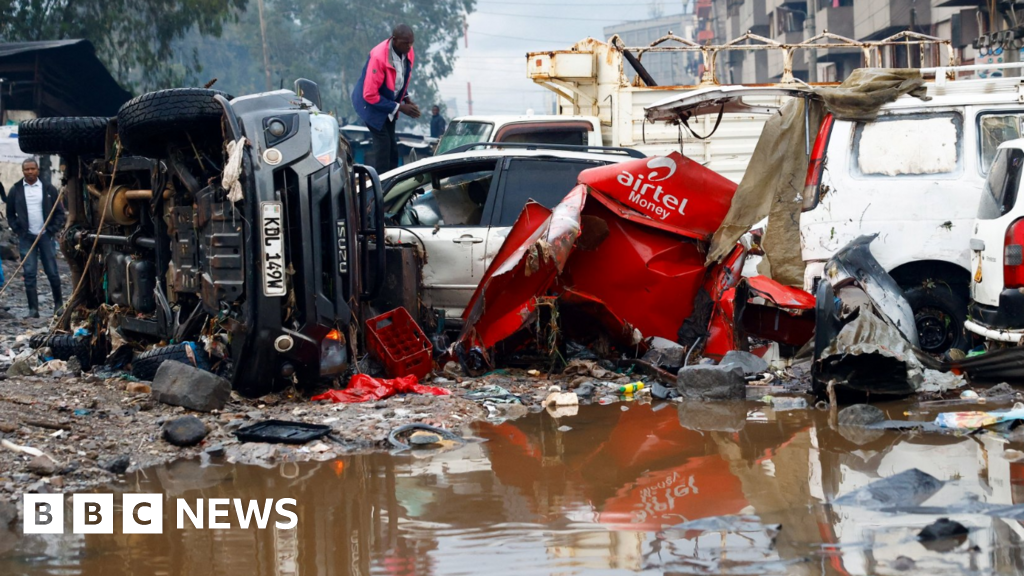
The Belém summit was plagued not only by diplomatic stalemates but also by logistical chaos—outdated infrastructure, weather disruptions, and even security breaches temporarily overshadowed the proceedings. As the summit drew to a close, a common thread emerged: nations are increasingly driven by self-interest rather than collective action. While countries like India advocate for “meaningful” progress, and a coalition of small island states push for urgent deforestation action, the larger geopolitical chess game continues. The global community stands at a crossroads—an inflection point where the choice to forge a sustainable, equitable future or succumb to the entrenched interests of fossil fuel dominance will define a new chapter of history. The weight of these decisions echoes loudly, leaving us all to wonder: will this be the moment that global climate action finally takes root, or are we merely witnessing a prolongation of the same deadly game, with the planet paying the highest price?

UN Climate Summit Drops Fossil Fuel References from Draft Deal

World Stands at a Crossroads as COP30 Negotiations Enter Critical Final Phase

The COP30 climate summit in Belém, Brazil has reached a pivotal moment, with international leaders and activists watching closely as the negotiations approach their conclusion. At its core, the summit aims to forge a comprehensive global response to the escalating climate crisis, but deep divisions threaten to undermine the very goals it seeks to achieve. The intense diplomatic standoff revolves around one of the most contentious issues: the future of fossil fuels. Despite mounting scientific consensus—highlighted by climate experts from organizations like the Intergovernmental Panel on Climate Change (IPCC)—the draft deal now omits any direct mention of fossil fuels, the largest contributor to modern climate catastrophe. This omission marks a significant turning point, signaling the growing influence of oil-producing nations’ interests over global climate action.

In recent years, international forums such as COP have made progress on renewable energy adoption and conservation efforts. However, the current negotiations reveal a stark reality: the global elite remains fractured along geopolitical lines, pitting powerful oil-exporting nations against the push for accelerated transition to clean energy. Countries including Saudi Arabia, Russia, and India actively oppose stronger language targeting fossil fuels, citing economic dependency and sovereignty concerns. French Environment Minister Monique Barbut warned that these nations are effectively blocking the deal; their stance is driven by fears of economic destabilization and political influence, all while the climate crisis accelerates unabated. The latest proposals, which included pathways to phase out fossil fuels, have been dropped under these pressures, frustrating advocates who see this as a dire setback in global climate governance.

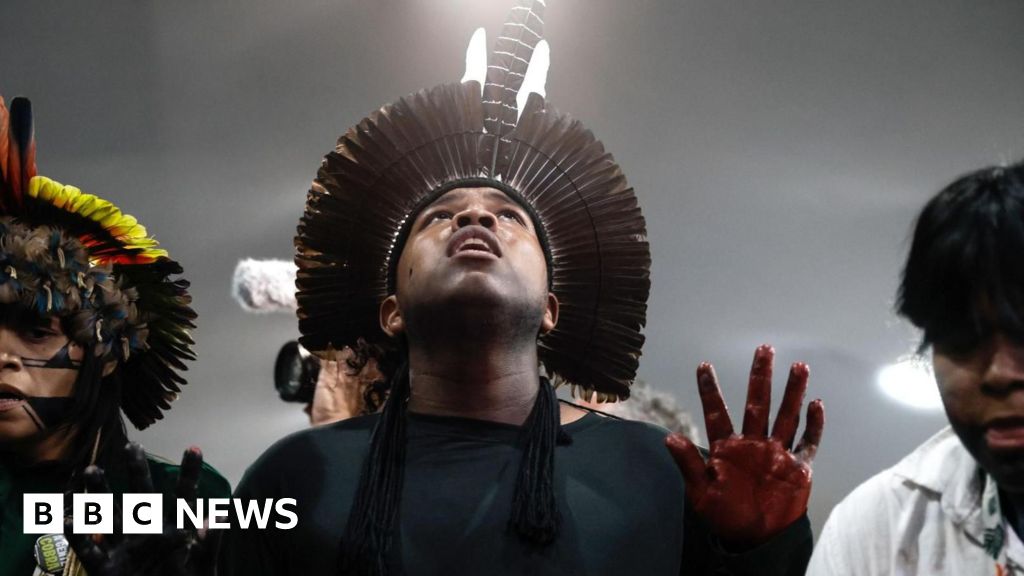
The summit has also been overshadowed by on-the-ground unrest, with indigenous groups and environmental activists vehemently protesting what they perceive as a betrayal of their future. At the summit’s edge, members of the Munduruku indigenous movement demonstrated fiercely, insisting their land and livelihoods are being sacrificed for corporate profits. Throughout the summit’s duration, campaigners have carried banners reading “Stop Amazon oil,” and chanted “Fossil fuels out,” emphasizing the impact of deforestation and resource extraction. As the Brazilian Amazon faces increasing deforestation—an issue that normally would be central to discussions—language on this front has also been watered down, igniting criticism from conservationists and indigenous leaders alike. Kelly Dent, from World Animal Protection, lamented that “for a COP hosted in the Amazon, it’s shattering that deforestation is taking a back seat,” highlighting how environmental and cultural concerns continue to be marginalized during these high-stakes negotiations.

Throughout its two-week course, the summit has been marked by dramatic interruptions—including evacuations prompted by protests and fires—underscoring the volatile intersection of environmental activism and geopolitics. Many analysts warn that the outcome of COP30 will largely depend on whether the 194 participating nations can break their deadlock. While some representatives, including President Luiz Inácio Lula da Silva, advocate for immediate and ambitious measures, the reality remains tangled in geopolitical interests. The debate over climate finance adds another layer of complication, with poorer nations demanding stronger commitments—or risk being left behind in the global effort to combat climate change. The draft now calls for the tripling of climate financing by 2030, yet critics dismiss this as insufficient, harking back to last year’s criticisms of COP’s unfulfilled promises.

As history continues to unfold in Belém, the choices made—and the compromises accepted—will determine whether this summit becomes a turning point for hope or another chapter in a long saga of broken promises. With each fiery protest, each diplomatic capitulation, the future of our planet hangs by a fragile thread, teetering on the edge of irreversible change. Whether the world awakens to its collective responsibility or sinks further into geopolitical paralysis remains the most urgent question of our time.

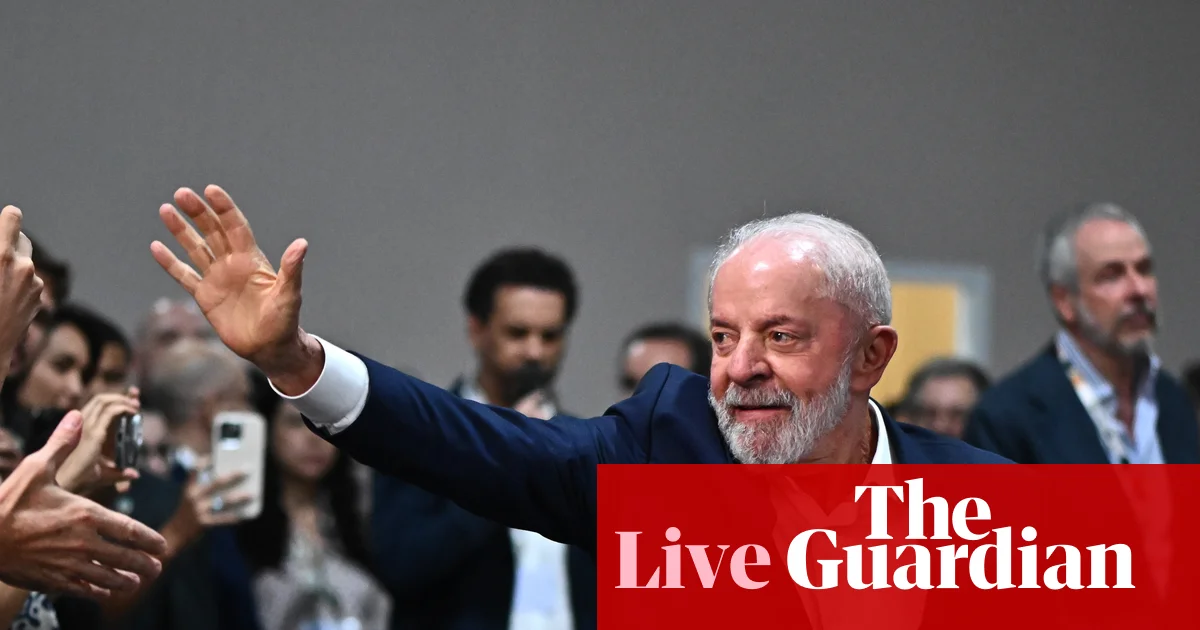
Lula Urges Summit to End Reliance on Fossil Fuels—A Wake-Up Call for the Future

As the UN Climate Summit (COP30) reaches its climax in Belém, Brazil, the international community faces a pivotal moment that could determine the future trajectory of global climate policy. The summit, an arena where nations negotiate the delicate balance between environmental responsibility and sovereignty, is marked by intense debate and unresolved tensions over crucial issues such as climate finance, fossil fuel reduction, and trade measures. Despite claims from Brazilian President Luiz Inácio Lula da Silva that consensus will prevail, many analysts warn that the summit’s outcome may not deliver the decisive agreements needed to stave off the worst of climate catastrophe.

According to seasoned climate diplomats and expert commentators, this summit is more complex than previous years, featuring multiple negotiation tracks articulated in arcane acronyms and confidential drafts that leave many observers bewildered. Historically, late stages of COP negotiations tend to coalesce around key issues, but this year, the absence of clear resolutions on emissions reductions and financial commitments underscores the deep fissures among nations. The staging of high-level ministerial meetings, aimed at forging consensus, has not yet succeeded in producing the much-anticipated finalized text. The delay underscores the challenges of balancing global ambitions with political and economic realities.

President Lula’s comments earlier in the summit hint at a more flexible approach, emphasizing “building the way to live without fossil fuels” without imposing strict timelines on nations for their reduction efforts. His assertion that negotiations are rooted in respecting sovereignty and fostering consensus echoes the broader narrative of naively optimistic diplomacy. However, critics cite persistent disagreements over climate finance, especially concerning aid to vulnerable Pacific island nations and lesser-developed countries, which remain highly contentious. The core question remains: can the world’s political leadership overcome these divisions and agree on a clear roadmap to phase out fossil fuels? Many believe that without tangible commitments, the summit risks ending in mere rhetoric, leaving the pressing crisis unaddressed.

The ***geopolitical impact*** of the summit’s missed deadlines extends far beyond the conference halls in Brazil. As climate negotiations become a battleground for influence, nations like China, the United States, and European countries are under relentless scrutiny. Intergovernmental organizations, including the IPCC, continue to warn that the window of opportunity to limit global warming to manageable levels is closing rapidly. Broad concerns also persist about unilateral trade measures and financial obligations, which threaten to undermine collective efforts. The unfolding drama in Belém could set the precedent for future international cooperation or, conversely, fuel a fractured geopolitical landscape where climate action becomes a battleground for national interests rather than a collective effort to save the planet.

As the summit lurches toward its eventual conclusion, with many late-night negotiations on the horizon, the international community is left to ponder whether this gathering will mark a turning point or fade into the annals of missed opportunities. With the world watching and the weight of history bearing down, the words and decisions made in these final days will echo through generations to come. The looming question remains: **will humanity unite in time to forge a resilient, sustainable future, or are we witnesses to the last chapter of collective climate responsibility**? The unfolding narrative of COP30 continues to write itself—one of hope tested by discord, and of a planet’s fragile future hanging in the balance.

Global fossil fuel projects endanger health of 2 billion youth—new report exposes the risk

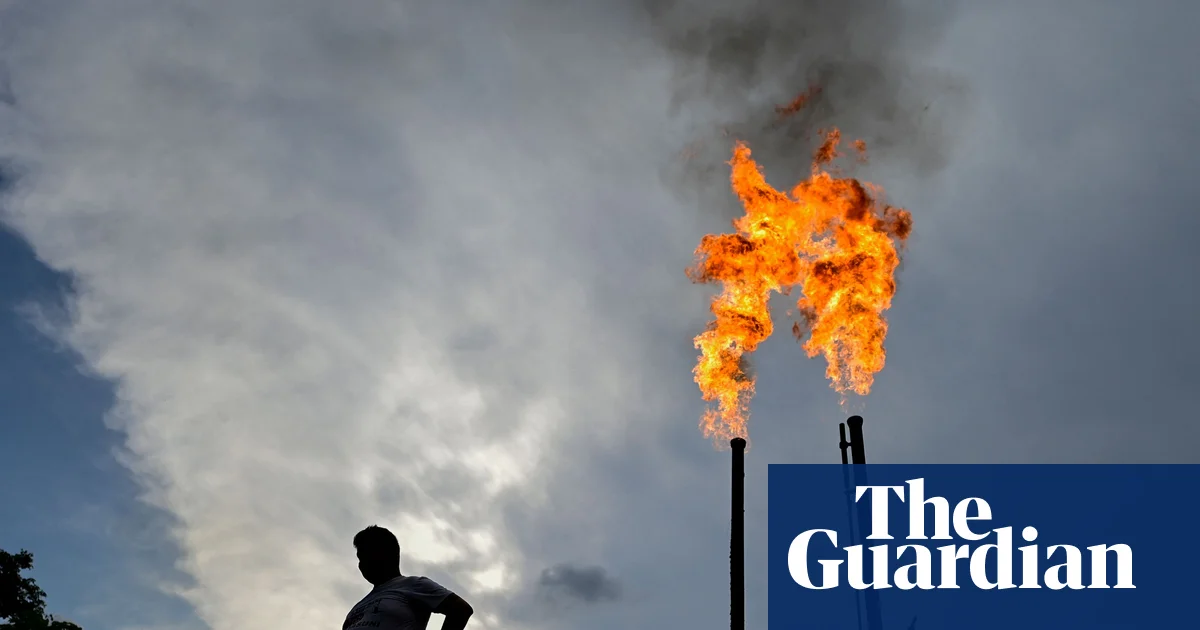
Recent research reveals a sobering reality: a quarter of the world’s population lives within just three miles of active fossil fuel projects. This proximity isn’t just an inconvenient statistic—it’s a looming threat to public health, especially for communities residing near drilling wells, pipelines, and processing plants. According to studies from organizations like Amnesty International, those living closest to these industrial sites face increased risks of cancer, respiratory and heart conditions, premature births, and even death. Yet, what makes this environment even more troubling is the unequal burden carried by marginalized groups, particularly Indigenous communities and low-income families, who often find themselves living in “sacrifice zones”—areas heavily contaminated, with little regard for their safety or rights. This environmental injustice, rooted in systemic inequality, underscores how economic interests often override human dignity and community welfare.

In fact, near half a billion people, including over 124 million children, live within one kilometer of fossil fuel infrastructure. As plans circulate for thousands of new sites, this number could swell, exposing even more to dangerous fumes, oil spills, and ecological devastation. These advancements tend to exacerbate tensions within societies, especially when indigenous land defenders and local fishermen voice their opposition. For instance, Tsakë ze’ Sleydo (Molly Wickham), a Wet’suwet’en land defender in Canada, speaks to a broader story of intergenerational fatigue and resistance. She emphasizes that these communities, which have long been deprived of their rights, are often criminalized when they stand up to protect their territories from destructive infrastructure. Such struggles highlight how social and environmental issues are deeply intertwined, affecting families’ health, cultural heritage, and livelihood.

The global political landscape remains fractured in the face of this crisis. At the 30th annual climate negotiations in Belém, Brazil, world leaders, except for the United States, grapple with the urgent need to end reliance on fossil fuels. Meanwhile, lobbyists for the fossil fuel industry have unprecedented access to global policymaking forums, working tirelessly to block climate action and sustain profits at the expense of the planet. As researchers from the University of Colorado Boulder point out, over a third of oil, coal, and gas sites intersect with critical ecosystems—biodiverse wetlands, forests, and river systems—placing entire natural habitats at risk of collapse. This confluence of corporate greed and systemic neglect underscores a key challenge: how to protect the Earth’s natural inheritance while safeguarding human rights. The humanitarian toll is undeniable; children and vulnerable populations suffer disproportionately, with environmental toxins becoming a national security issue that demands our collective moral responsibility.

As history reminds us, the issues surrounding fossil fuel dependence are embedded in narratives of progress, greed, and systemic injustice. Sociologists like Naomi Klein and environmental historians have long documented how environmental degradation is often a social mirror of inequality. Yet, hope persists in the form of resilience—indigenous leaders, local activists, and youth movements are increasingly demanding the end of an era that has prioritized profits over people. The challenge ahead lies in transforming these social and environmental crises into catalysts for meaningful change—reclaiming land, restoring ecosystems, and asserting rights that have been trampled. Society stands at a crossroads: will we continue to ignore the invisible toll of pollution, or will we, as a community, choose to forge a future rooted in respect, justice, and sustainability? Amidst the shadows of destruction, a quiet promise whispers—that society’s capacity for renewal remains, waiting for the moment we rise to meet the challenge, offering hope that one day, the land and all who live upon it might breathe freely again.

Social Media Auto Publish Powered By : XYZScripts.com