Matox News

Truth Over Trends, always!

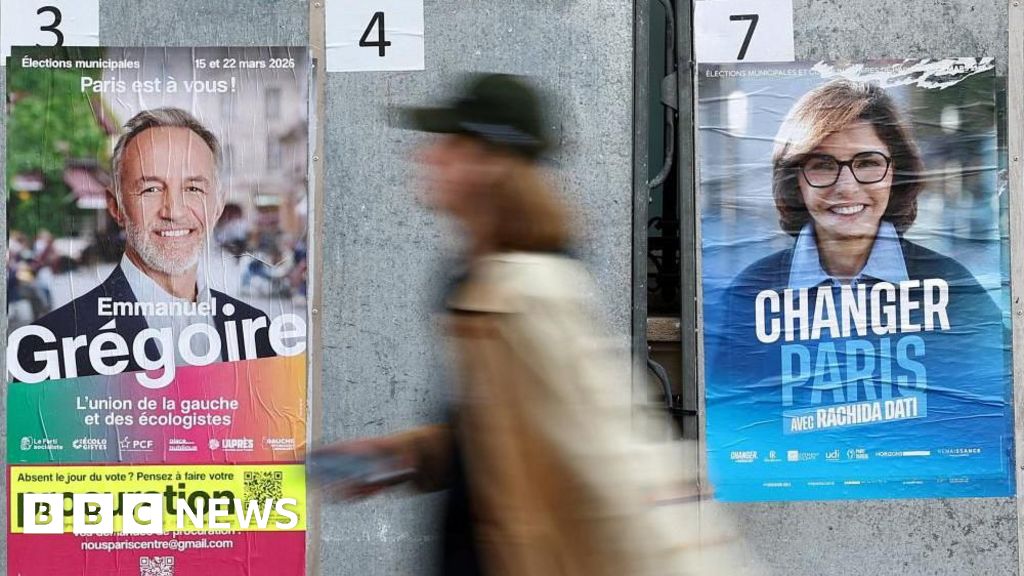
Socialists Fight to Keep Paris as France's Mayoral Races Heat Up
Socialists Fight to Keep Paris as France’s Mayoral Races Heat Up

The political landscape of the capital city may be on the verge of a historic transformation. After over a quarter-century of socialist governance, the electoral contest is now centered around a pivotal figure: Rachida Dati. Her potential victory could not only redefine the city’s political orientation but also wield significant geopolitical impact on a broader national scale, as analysts warn that this shift might signal a broader realignment towards the right across the country. As the city’s electoral race intensifies, the stakes extend beyond local governance, touching on fundamental questions about the future of policy, identity, and international relations.

For 25 years, the socialist ideology has deeply influenced the city, shaping its policies, social programs, and diplomatic outlook. Yet, mounting dissatisfaction among voters—fueled by economic challenges, immigration concerns, and a perceived disconnect from traditional values—has created fertile ground for conservative alternatives. The upcoming election represents a critical pivot point, with observers from institutions like the International Institute for Democratic Studies emphasizing how the result could resonate across the national political spectrum. Should Rachida Dati win, critics argue that it might herald a strategic shift towards a more nationalist and conservative agenda, aligning the city’s policies with those of other right-leaning administrations globally.

Historian and geopolitical analyst Dr. Jean-Luc Moreau suggests this election is indicative of a mounting global trend: the resurgence of right-wing politics in urban centers traditionally seen as bastions of leftist ideology. Such a shift could influence the international perception of the nation’s stability and direction. Moreover, this change might prompt neighboring nations to reassess their diplomatic and economic engagements with France. The implications extend beyond mere local governance; they touch on how societies navigate multiculturalism, security, and economic reform in an era of global upheaval.

Key events highlight the stakes:

  • The formal endorsement of Dati by conservative leaders signals a strategic campaign to rally the electorate around conventional values and national sovereignty.
  • Opposition parties have responded with intensified campaigns focused on social solidarity, but recent polls indicate a narrowing gap that could swing the outcome.
  • International observers warn that a victory for Dati might send a message of change and resistance to liberal policies championed by socialist regimes.

The potential shift in the city’s political landscape raises questions about the future of policy-making, international alliances, and societal cohesion. As political tensions escalate and narratives of tradition versus progress collide, the world watches with growing interest. The outcome promises to influence the global geopolitical architecture, reaffirming that the decisions made within city halls ripple across continents and history’s fabric.

As history continues to unfold, the coming days will determine whether this city’s election results echo a broader conservative resurgence or cement the long-standing socialist influence. The palpable tension underscores a fundamental truth: in an era marked by rapid change, the choices of a single city can ignite new ideological currents, forcing nations into reconsideration and reaffirming the enduring power of collective will. The world remains on the edge of a pivotal moment—the pages of history turning, yet still unwritten, awaiting the verdict of the ballot box and the voices of a society at a crossroads.


France’s Sarkozy Sent to Prison: A Bold Step Forward for the Nation

In an unprecedented chapter of French political history, former President Nicolas Sarkozy has become the first ex-leader to serve time behind bars, marking a rare moment of accountability within a nation long celebrated for its political resilience. Sarkozy, who held office from 2007 to 2012, was sentenced to five years in prison for conspiring to illicitly finance his election campaign with funds from the late Libyan dictator Muammar Gaddafi. This conviction not only tarnishes Sarkozy’s legacy but sends a powerful message about transparency and justice at the highest levels of government. His appeal against this verdict signifies that the judicial process remains active, yet the symbolism of his incarceration continues to reverberate globally.

The legal proceedings stem from a complex web of international influence and clandestine dealings that underscore the shifting sands of geopolitical power. According to experts and international organizations, Sarkozy’s case exemplifies the darker side of foreign interference in Western democracies. Historians highlight that the Libyan connection reflects broader strategies employed by authoritarians to wield influence abroad, often exploiting political systems for survival and expansion. The BBC’s Paris Correspondent Hugh Scofield described Sarkozy’s imprisonment as “a big moment” for France—possibly a turning point that signals a new era where international scrutiny and domestic accountability converge, setting a precedent for future political conduct.

Within the broader context, the ongoing debate about foreign influence and national sovereignty gains new urgency. France, a key pillar of the European Union, finds itself at the crossroads of internal reform and external threats. In light of rising geopolitical uncertainties, some analysts see Sarkozy’s fall as symptomatic of a broader shift—one where the old guard’s influence is being challenged, re-evaluated, or even eradicated to make way for a new political order. International observers warn that such high-profile legal actions could inspire similar scrutiny across other democracies, potentially unsettling longstanding political establishments. These developments underscore the fragile balance of democratic integrity and the relentless pursuit of justice, even for those who once wielded immense power.

As history continues to unfold, the repercussions of Sarkozy’s convictions extend beyond France. The case acts as a stark reminder that no leader, regardless of stature, is immune from the weight of their actions. The decision to imprison a former head of state reflects a broader international tendency towards transparency and the rule of law, championed by organizations committed to rooting out corruption. Yet, it also raises profound questions about the price of power and the ongoing struggle to curb international crime, influence, and embedded corruption infiltrating democratic institutions. As nations observe this landmark case, they are reminded that history’s true battle is for the very soul of sovereignty—an enduring clash between the desire for control and the imperative of justice, left unresolved and yet ever crucial. The legal drama surrounding Sarkozy may mark a chapter closed, but the larger story of geopolitics, morality, and national integrity continues to be written—an unfolding narrative that leaves the specter of history looming just beyond the horizon.

France’s Frustration Mounts Over Shein’s Fast Fashion Frenzy

Shein’s Bold Leap Into France: A Turning Point in Global Fast Fashion

In a striking display of how geopolitical shifts and market forces intertwine, Shein, the Chinese-founded fast fashion juggernaut, is venturing into the heart of France’s renowned fashion industry. Despite vocal opposition—evidenced by graffiti calling out exploitation and forced labor—Shein announced plans to establish permanent stores within prestigious district names like Galeries Lafayette and BHV in Paris. This move reflects a broader strategy, emphasizing the company’s relentless drive to dominate global markets, even in societies with rich cultural traditions of craftsmanship and durability. Such expansion signifies more than mere retail growth; it underscores a paradigm shift in how international trade, labor practices, and cultural values collide and influence societal landscapes.

The Cultural Clash and Economic Power Play

Historically, France has revered its tradition of quality craftsmanship and the idea of objects—clothing included—being treasured and passed down through generations. Yet, the rise of ultra-fast fashion like Shein disrupts this ethos by promoting ephemeral trends, rapid turnaround, and mass production, often in questionable supply chains. Analysts highlight that Shein’s model—listing thousands of new items daily and shipping directly from Chinese factories—marks a decisive break from France’s traditional approach, which valued savoir-faire and sustainability.

Despite widespread protests, including a petition with over 270,000 signatures seeking to ban Shein, economic realities prove compelling. In 2022, Shein posted net profits exceeding $1 billion, bolstered by its ability to rapidly flood markets with trend-driven apparel. This aggressive growth highlights how geopolitical influence and market deregulation create space for transnational corporations to undermine local industries—challenging France’s cultural identity and economic sovereignty.

Globalization, Labor Criticism, and Cultural Resistance

Critical scrutiny of Shein’s supply chain reveals allegations of forced labor and child exploitation—issues the company publicly denies but cannot entirely dispel. Critics, including renowned historians and industry observers, warn that such practices threaten to tarnish global trust and reinforce a narrative of exploitation embedded within the fabric of fast fashion. The debate echoes the history of France’s own textile districts, like Sentier, which once thrived on local production but ultimately succumbed to international competition and delocalization efforts by major brands like Zara and H&M.

These developments serve as a stark warning: the fragile balance between economic growth and moral responsibility is under threat, with societal values—particularly those centered around environmental sustainability and fair labor—being pitted against the immediacy of consumer demand. The pushback from cultural institutions and consumers alike demonstrates that in a globalized economy, the decisions of corporate giants can sway national identity and social cohesion, often at tremendous cost.

The Future of Fashion and Society’s Role in Shaping It

Industry insiders and academics stress that regulation alone cannot undo the inherent overproduction and disposable culture that companies like Shein have engineered. Instead, they call for a fundamental reimagining of fashion—moving toward durability, repairability, and a respect for craftsmanship. France’s historic tradition of keeping objects and valuing savoir-faire could serve as a blueprint for resisting the commodification of clothing in the digital age.

As the story of Shein continues to unfold, so too does the larger narrative of international power, cultural resilience, and ethical responsibility. The choices taken at this juncture—whether to accept the relentless tide of ultrafast capitalism or to champion a renewed respect for tradition—will shape the legacy of generations to come. With history echoing from the past and the future still unwritten, the world watches as the forces of globalization threaten to redefine the fabric of society itself—fast, fleeting, and yet, profoundly consequential.

Social Media Auto Publish Powered By : XYZScripts.com



