
Uncovering Spain’s Hidden History: Echoes of a Repressive Regime
Nearly fifty years after the death of Francisco Franco, Spain is grappling with a past long concealed beneath the veneer of its modern democracy. Historians and international organizations continue to spotlight the systematic abuses committed within the patronato institutions, where thousands of women and girls deemed “rebellious” or “fallen” were detained, re-educated, or worse, subjected to barbaric treatments. The revelations emerging from testimonies like that of Mariona Roca Tort serve not only as a stark reminder of repression but as a critical juncture in the nation’s pursuit of justice and accountability. The decision to revisit these dark chapters will undoubtedly reshape geopolitical impact—prompting debates over historical memory, reparations, and the ongoing fight against authoritarian legacies.
The atrocities committed under Franco’s regime, especially through institutions managed by religious entities, remain shrouded in silence. The patronato system—a network of residential institutions—embodied state and church collusion, targeting women who deviated from conservative Catholic moral standards. Details from survivor accounts like those of Mariona portray a dystopian world where girls and young women were imprisoned for surreptitious acts of personal independence or political dissent. The turning point came when Mariona, a spirited teenager engaged in anti-Franco activism, was forcefully detained and subjected to violent “treatments” such as electric shock and insulin coma therapy, intense methods now universally condemned for their lethality and cruelty. International observers, including critics from the United Nations, have condemned such practices, emphasizing the importance of truth and reparations to reshape historical consciousness.
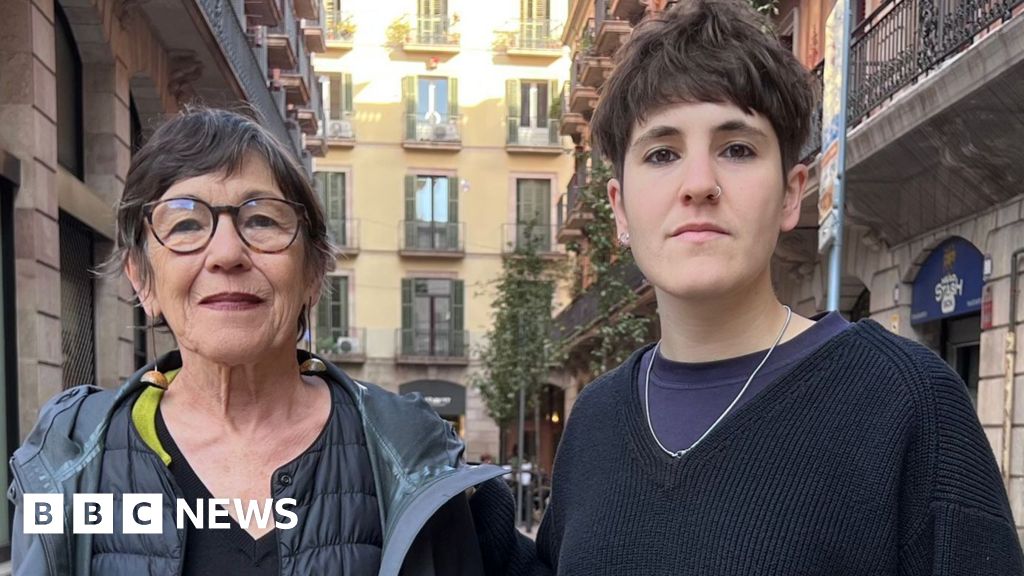
The 50th anniversary of Franco’s death now sparks renewed calls for justice, with survivors and their families demanding formal recognition of their suffering. The documentary “Els Buits” (meaning “The Spaces”) by Marina Freixa and her mother, Mariona, is catalyzing international focus on Spain’s continued struggles with its authoritarian past. The film exposes the systematic erasure of memory—blank spaces in history that survivors now aim to fill. According to international analysts, such efforts have the potential to influence geopolitical stability by setting a precedent for other nations grappling with similar legacies, especially in transitioning from authoritarian regimes. The Spanish Minister for Democratic Memory, Ángel Víctor Torres, has publicly expressed openness to re-examining these historical wounds, signaling a shift towards accountability, even if decades late.
How decisions made in these critical moments ripple through societies and nations is profound: they affect international relations, domestic legal frameworks, and societal perceptions of justice. As Spain wrestles with its history, the international community watches closely. Historians warn that forgetting these atrocities could pave the way for the re-emergence of repressive ideologies, especially as current political climates oscillate between progress and regression. The ongoing tour of “Els Buits” exemplifies how truth-telling and remembrance bolster societal resilience and global moral standards. Yet, the fight for full acknowledgment remains fraught with resistance, and the weight of history continues to hang heavily—as a silent judge—reminding us that the crucial lessons of the past are the foundation for any future built on justice.