Matox News

Truth Over Trends, always!

Swedish officials suggest suspected Russian drone targeted French carrier—raises tension in Europe

STOCKHOLM— In a striking display of regional concern, Swedish Prime Minister Ulf Kristersson addressed the nation from the deck of a military carrier, emphasizing the gravity of recent military incidents that have escalated tensions along the Nordic border. In a candid assessment, Kristersson declared the event, which he characterized as serious, to be not entirely unexpected, signaling a brewing storm that threatens to alter the security landscape of Northern Europe.

Kristersson’s remarks highlight a disturbing pattern, as many analysts interpret the incident as part of a broader Russian strategy aimed at projecting power beyond its traditional spheres of influence. “It is very difficult to see as a coincidence,” he remarked, pointing to the persistent tempo of Russian military movements and provocative actions that mirror tactics observed in other regions where Russia has sought to assert dominance. Historically, such behaviors have been a prelude to more aggressive policies, raising alarms both within NATO and among neighboring nations wary of increased Russian assertiveness.

International organizations and security experts have sounded the alarm over these developments. The NATO alliance, already on edge after recent provocations, views these incidents as a potential preamble to further destabilization. According to analysts from the International Crisis Group, “This pattern of behavior signifies a calculated effort by Russia to challenge the existing security order in the region, and while escalations may seem isolated, they are part of a larger strategy of intimidation and influence.” The implications of such actions extend beyond regional borders, threatening the fragile balance of peace and risking a broader confrontation that could ignite across Europe.

Decisions made today echo profoundly on the geopolitical stage. Sweden’s decision to bolster its military readiness signifies a clear shift in policy, aligning with NATO’s efforts to deter Russian expansionism. The analyses of historians like Dr. Eric L. Hanley suggest that these moments could serve as either a reaffirmation of Western resilience or, conversely, a catalyst for renewed conflict if diplomatic channels fail to contain the crisis. Meanwhile, international institutions such as the United Nations have expressed concern but lack the decisive authority to curb such aggressive maneuvers without a unified response from the West.

As the world watches, the unfolding series of provocations and countermeasures signals a pivotal chapter—one that could determine the stability of Europe for generations. The weight of history presses heavily on today’s leaders, whose choices will shape a continent teetering on the edge of a potential new Cold War. The tense silence before the next move is deafening, and the eyes of history remain fixed on the unfolding narrative, where every decision could either forge a new era of peace or plunge the region into chaos, echoing the tumult of the 20th century’s darkest hours.


Top French Politician Resigns from Leading Institute Over Epstein Ties

European Influence in Crossfire as French Cultural Icon Faces Epstein Scandal

France has found itself embroiled in an international controversy that extends its shadow across diplomatic and cultural landscapes. The fallout from the Jeffrey Epstein scandal, which has rocked the global political and social order, continues to unearth disturbing revelations about prominent figures within European spheres of influence. Jack Lang, a revered cultural figure in France and a former Minister of Culture under François Mitterrand, has been forced to resign from his post as head of the prestigious Institut du Monde Arabe. This decision follows a disturbing investigation by French authorities into his alleged contacts with the convicted sex offender and financier, Jeffrey Epstein, who died in prison in 2019 under controversial circumstances.

Recent disclosures, stemming from files released by the US Department of Justice, have publicly linked Lang and his daughter, Caroline, with Epstein, revealing over 600 references in private correspondence. While Lang maintains his innocence, insisting his interactions were purely philanthropic, the **geopolitical impact** of this scandal reverberates far beyond France’s borders. How European elites are intertwined with American financial networks and illicit social circles is now under scrutiny, adding a new layer of complexity to international relations and perceptions of transparency. International organizations, including human rights and anti-corruption watchdogs, warn that such revelations threaten to erode trust in cultural and political institutions, fueling a narrative of decadence and moral decay among Europe’s ruling classes.

How Decisions Shake Societal Foundations and International Relations

  • The investigation underscores the persistent vulnerability of high-profile individuals amid rising demands for accountability in an era of heightened transparency.
  • Lang’s resignation and the ongoing probes highlight how **international diplomacy** is increasingly shaped by scandals that threaten to destabilize diplomatic goodwill and cultural diplomacy.
  • European nations face mounting pressure to confront internal hypocrisies, as the Epstein revelations expose uncomfortable truths about the network of elite influence that spans continents.

Comments from analysts and international organizations point to a **shift in the global perception** of Western moral authority. “This scandal exemplifies how clandestine networks operated by the elite are now being exposed at an unprecedented rate,” notes Dr. Marie Dubois, a geopolitical analyst. Such disclosures are likely to fuel populist sentiments across Europe, demanding greater scrutiny of both political and cultural elites. Moreover, historians warn that these crises serve as stark warnings of how unchecked power and influence can undermine societal foundations, leading to a potential crisis of legitimacy.

International Repercussions and the Broader Power Struggle

The Epstein case has become a litmus test for **international accountability**. The scandal’s reach extends into other global centers of power, raising questions about the extent of influence wielded by shadowy financial figures. As investigative authorities continue to scrutinize the connections between Epstein’s network and political figures across Europe, the **geopolitical landscape** may experience shifts in alliances and trust structures. Nations dependent on diplomatic goodwill, especially with *France*, now find themselves confronting uncomfortable truths that threaten to challenge their societal narratives.

Meanwhile, some political commentators argue that these revelations might catalyze reform, pushing nations to address systemic corruption. Conversely, others suggest that the scandal could entrench populist and nationalist movements, which thrive on anti-elite rhetoric. The **real legacy of this crisis** will hinge on how effectively international institutions and governments respond to the calls for transparency and justice. As history watches, the unfolding story of deception, power, and accountability remains a stark reminder of how **secret networks** can threaten the very fabric of modern democracy.

As the dust settles, one truth remains undeniable: the weight of history is still being written, and the actions taken today will shape the global narrative for generations to come. The scandal underscores perhaps the most profound lesson of our era—that the corridors of influence are fraught with peril and that the true price of power is often paid in the currency of integrity and trust. The emerging story is not merely about scandal but a test of societal resilience in an age where shadows often eclipse the light of truth.

French MPs move to block social media for kids under 15

France Moves to Ban Social Media Access for Under-15s as Global Trend Intensifies

In a decisive stride towards safeguarding youth mental health, France‘s National Assembly has passed initial legislation aiming to prohibit social media access for children under 15 years old. Backed by President Emmanuel Macron, this legislation marks a significant chapter in the international push to regulate the digital environment for impressionable generations. As the bill advances before the upper house, the Senate, the diplomatic and societal implications are reverberating well beyond French borders.

The proposed law is rooted in mounting concerns over the mental health crises linked to platforms like Instagram, Snapchat, and TikTok. Lawmakers, inspired by global trends—including recent laws enacted in Australia and ideas circulating across Europe—argue that social networks, which promised to unite and inform, have instead often darkened the emotional well-being of youth. Laure Miller, a key architect of the bill, emphasized that social media companies are not harmless, warning they have manipulated users into social isolation and information overload. Macron’s government, recognizing the growing evidence of harm, is determined to limit children’s exposure, with the aim of enforcing this by the upcoming September school term.

Geopolitical Shifts and International Responses

This potential legislation signals a notable shift in how nations are choosing to defend their young populations. In the broader context, it is part of a global reassessment of digital regulations, as countries confront the pervasive influence of social media giants. Nations such as Denmark, Greece, Spain, and Ireland are actively contemplating similar restrictions, while the UK has launched a consultation on banning social networks for under 16s. Analysts point to this international movement as a response to the undeniable rise in mental health issues among teenagers—a phenomenon that some experts attribute partly to the addictive nature of these platforms.

International organizations, including the European Commission, have voiced concerns over the inadequate regulation of social media giants, echoing calls for stronger oversight to protect young users. Historians warn that these initiatives reflect a critical crossroads in how societies shape digital governance, with some fearing that overreach may stifle free expression, while others argue that protecting vulnerable youth is an overarching necessity. The European Court of Justice has previously ruled on issues related to online data and privacy, setting a legal precedent that may influence France’s legislative direction. As nations tangle with complex legal and ethical questions, the international community appears to be heading toward a new era of digital accountability.

Implications for Society and the Future Path

Implementing such restrictions has far-reaching consequences—altering societal norms and redefining the digital landscape. For France, the move signifies a proactive attempt to shield a new generation from what many view as manipulated digital environments designed solely for profit. The legislation’s success may set a benchmark for future policies globally, forcing tech giants to reconsider user age verification mechanisms and content regulation. Importantly, the law’s emphasis on parental approval for less harmful content underscores an acknowledgment of individual family dynamics and rights, while also raising questions about state overreach in personal education.

Moreover, the debate around banning mobile phones in senior schools reveals the broader societal struggle to regulate technology that has become inseparable from daily life. As French authorities grapple with these questions, international observers from the United States to Asia are watching closely, aware that such policies could induce a domino effect. Some critics argue this approach risks infringing on personal freedoms, while advocates see it as a necessary step in an era where the influence of digital platforms is unmatched in shaping societal youth. As history continues to unfold, one cannot help but sense the weight of generations past watching this new digital frontier with cautious optimism—and certain skepticism.

Ultimately, the legislative battles and societal debates unfold amidst a backdrop of accelerating technological change—facing not just the question of what is legal, but what is right. The decisions made today will carve paths for the digital world of tomorrow, shaping the minds, morals, and freedom of youth across borders. As the French government pushes forward, the shadow of history looms large: how nations choose to regulate the digital age could define the legacy of our era, echoing through generations yet to come, as the world watches with bated breath.

Farmers protest French blockades over cattle cull crackdown

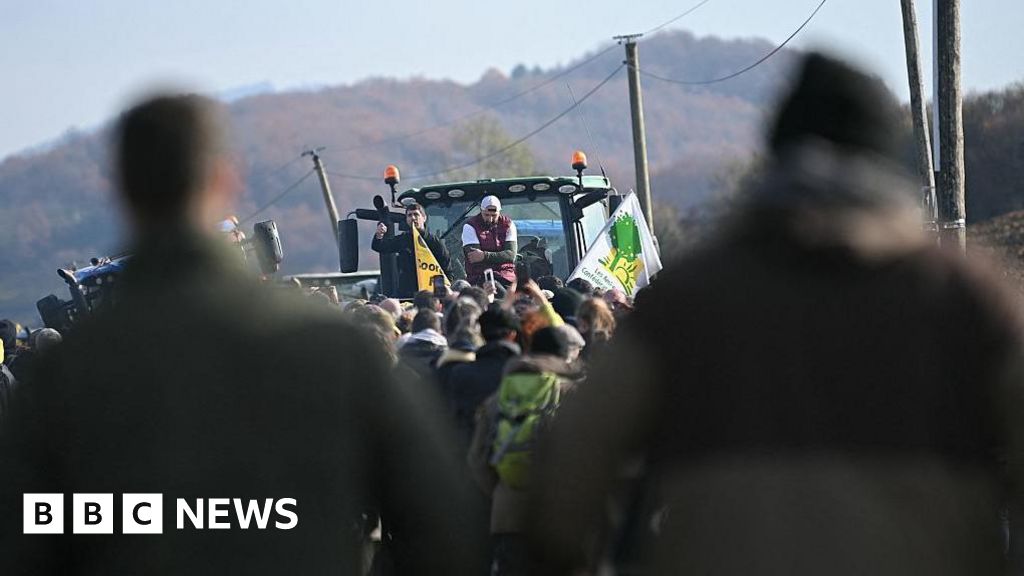
Amid mounting protests and widespread unrest, France finds itself at a crucial crossroads in an ongoing battle over agricultural sovereignty and economic stability. Angry farmers, disillusioned by government policies and EU directives, have staged intense demonstrations across rural regions, notably in the southern Ariège department, where clashes erupted between riot police and protestors over the controversial slaughter of cattle amid the outbreak of Lumpy Skin Disease (LSD). This highly contagious bovine affliction, transmitted predominantly through fly-bites, has ignited passions within France’s farming communities. Although the disease is rarely fatal, its economic toll—rendering cattle unsaleable and severely damaging milk production—has become a flashpoint in the broader struggle to preserve local agriculture and traditional ways of life.

The French government’s response, involving the mass slaughter of entire herds following isolated infections, has been met with fierce opposition from key farmers’ unions such as Conféderation Rurale and Conféderation Paysanne. These groups argue that the policy is an overreach, asserting that more nuanced methods like selective culling and vaccination could contain the disease without devastating farmers’ livelihoods. Nonetheless, most veterinary experts, including Stephanie Philizot, head of the SNGTV vets’ union, warn that the virus often appears in symptomless animals, making whole-herd slaughter a necessary, if harsh, precaution. With approximately 110 outbreaks since June, primarily in France’s east and increasingly spreading into the southwest, the situation underscores the challenge of balancing public health measures with economic survival in a climate of escalating farm crises.

Beyond the immediate health concerns, the crisis illustrates a broader geopolitical tension over EU policies, agrarian independence, and international trade. The French government fears that mounting protests and farmer unrest could escalate into a wider movement, fueling resistance against what many perceive as overreach by EU institutions. Upcoming protests scheduled in Brussels during an EU summit highlight the national frustration over policies perceived to threaten their economic sovereignty. These grievances extend beyond disease control; farmers vehemently oppose the impending EU free-trade agreement with South American nations. Many alarmed farmers see this treaty as a gateway for increased imports of cheaper food—often produced under looser environmental and sanitary regulations—posing a direct threat to France’s agricultural sector and its cultural identity.

International analysts and organizations continue to watch these developments closely, recognizing them as a microcosm of broader struggles faced by EU member states. Historian Dr. Marie Dubois notes that “the current unrest echoes the historical tension between national sovereignty and supranational mandates, reminiscent of past crises when local interests clashed with overarching EU directives.” The European Commission and national governments alike are under immense pressure to navigate these volatile waters—striving to enforce health policies without igniting societal backlash that could fracture the unity of the European project itself. The outcome of this confrontation—whether it leads to policy concessions, political upheaval, or a reevaluation of EU integration—remains uncertain, but the stakes could not be higher.

As France’s farmers brace for more protests and stand at the edge of an increasingly uncertain future, history’s pen continues to write its own story. The struggle for agricultural sovereignty, national identity, and economic survival is unfolding in real time, leaving the continent on the brink of a new chapter in its ongoing saga. The next few months may redefine not only French rural policy but also the very fabric of Europe’s unity—reminding the world that beneath every diplomatic handshake and treaty lies a fragile human pulse, beating with the hopes and fears of generations. History is watching, and what is written now will echo for decades to come.

Three French teens drown in tragic pool crash—another scary reminder to stay safe.

In a heartbreaking incident that has shocked France and reignited debates over safety standards, three teenagers lost their lives in a freak accident in the town of Alès. The tragedy unfolded in the early hours of a rainy Wednesday night when their vehicle unexpectedly skidded off the road, smashing through a low-level garden wall, and ending up inverted in a private pool. According to authorities, the teenagers, aged 14, 15, and 19, found themselves trapped inside the submerged vehicle, unable to escape, and tragically drowned. The youngest victim is believed to have been the driver, an alarming detail that intensifies the ongoing investigation into the circumstances surrounding this catastrophe.

This catastrophe underscores broader issues of road safety and surveillance, especially during adverse weather conditions. The incident happened during a night marked by heavy rain, which played a critical role in the unpredictable series of events that followed. Public prosecutor Abdelkrim Grini described the accident as ‘the height of horror,’ emphasizing how the teenagers’ inability to escape—their doors jammed—proved fatal in the icy depths of the pool, which was only about 1.5 meters deep. The fact that it took hours for emergency services to be alerted and to respond highlights deficiencies in emergency response protocols and highlights the peril of unmonitored private properties. The event is a stark reminder of how unpredictable and tragic accidents can occur when minor safety lapses combine with adverse environmental conditions.

Adding complexity to this tragic event are reports indicating the presence of recreational drugs, specifically canisters of nitrous oxide, found in the vehicle. Known for its psychoactive effects—relaxation, dizziness, lightheadedness—nitrous oxide usage has become a rising concern among youth across Europe, fueling debates on drug regulation and youth safety. As analysts and international organizations scrutinize the surge in recreational drug use, critics argue that such substances contribute to impaired judgment and accidents. The presence of these canisters in the vehicle raises questions about whether drug impairment played a role in the accident, a suspicion that authorities are still investigating. The incident feeds into a larger discourse on how societal shifts—ranging from drug culture to infrastructure neglect—affect the safety and well-being of young citizens.

  • The accident happened amidst discussions over road safety laws and emergency preparedness.
  • France’s government faces increased pressure to review safety measures in private properties and improve youth substance abuse policies.
  • International bodies like the World Health Organization have issued warnings about rising recreational drug use among youth, linking it to increased accident rates.

As France mourns losing three young lives, international analysts warn of a pattern—that such tragic events are a reflection of deeper societal issues that transcend borders. Historians like Norman Davies and sociologists point out that youth violence and accidents often mirror the failures of social safety nets and community oversight. The event raises pressing questions about how nations safeguard their most vulnerable—whether through infrastructure, education, or drug policy—and how international organizations can influence effective reforms. Meanwhile, officials in France are compelled to navigate the delicate balance of preserving freedoms while tightening safety regulations, a challenge that echoes across democracies grappling with similar crises.

In the aftermath of this tragedy, the weight of history presses heavily. The eerie silence of that night in Alès, punctuated only by the distant wail of sirens and the cold undertone of grief, leaves a haunting question: How many more lives will be lost to circumstances that could have been foreseen and prevented? As the forensic examinations proceed and investigations unfold, the broader implications remain embedded in the collective consciousness of societies that must confront their vulnerabilities. This event, tragic as it is, serves as a stark reminder that the fabric of our safety is woven with threads of vigilance, responsibility, and societal commitment—elements that, if neglected, can unravel in moments of unforeseen chaos, leaving history to record yet another avoidable loss amid its pages of human tragedy.

Ukraine Lands 100 French Rafale F4 Jets in Landmark Deal

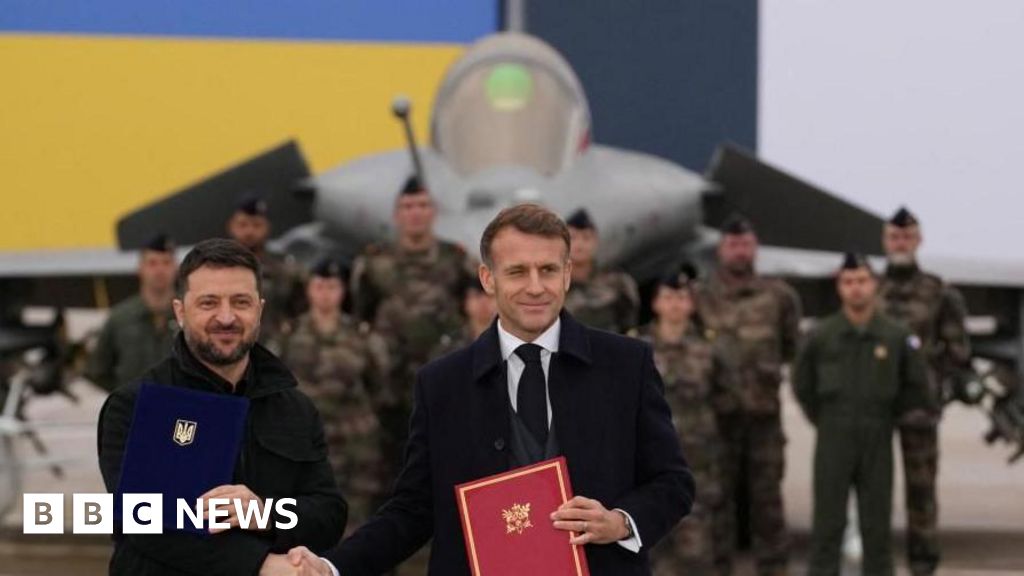
In a move that signals a significant shift in the ongoing Ukraine-Russia conflict, Ukraine has secured a historic agreement with France to receive up to 100 Rafale F4 fighter jets along with advanced air defense systems. This agreement, signed by Ukrainian President Volodymyr Zelensky and French President Emmanuel Macron, marks a strategic milestone in Kyiv’s efforts to bolster its military capabilities amidst relentless Russian assaults. The delivery timeline, set to conclude by 2035, underscores the long-term nature of Western military support—a crucial factor for Ukraine’s battle to defend its sovereignty.

This development must be understood within the broader context of the increasingly volatile geopolitical landscape. Russian President Vladimir Putin has escalated drone and missile attacks targeting vital infrastructure—energy grids and railroads—causing widespread blackouts and civilian casualties. The recent strike in Balakliya, which left three dead and fifteen wounded, exposes the brutal toll of Moscow’s strategy to undermine Ukraine’s resilience. Western analysts and organizations, such as the Royal United Services Institute (RUSI), emphasize that the effectiveness of these advanced Western arms—like the Rafale jets—will depend heavily on training, logistics, and sustained support, revealing the complex, long-term nature of such military aid.

Moreover, the agreement’s financial underpinnings reflect a broader controversy and geopolitical tug-of-war. France reportedly plans to leverage EU financing and access frozen Russian assets—an initiative that has stirred debate within the 27-member bloc. While some nations, particularly those wary of provoking Russia or violating international law, balk at the move, others see this as a necessary step to sustain Ukraine’s military efforts. The debate over seizing and reallocating Russian assets underscores the profound shift in international legal and economic norms responding to the Ukraine crisis. The stakes are high: whether these funds will support Ukraine’s defense or fuel diplomatic discord back home will shape Europe’s cohesion and resolve.

Kyiv’s leadership continues to navigate a complex web of geopolitical pressures. Alongside its military modernization, Ukraine is engaging diplomatically with countries like Spain and Greece to secure further support—including upcoming liquefied natural gas imports—highlighting how energy and military strategies are intertwined in the theater of international influence. Yet, the core question remains: how sustainable is this support, and what will be the long-term repercussions for European security and U.S.-led NATO efforts? The Ukrainian conflict has become a litmus test for Western resolve; its outcome will determine not only the fate of Ukraine but also the future stability of the entire region.

As Kyiv braces for what could be a protracted conflict, history still unfolds with relentless momentum. The decision to arm Ukraine with some of Europe’s most advanced fighter jets, while vital, also underscores the fragile and often uncertain path of international intervention. Will this be enough to shift the tides against Moscow’s slow but persistent advances? Or will it serve as a bridge towards an elusive peace? The world watches as Ukraine, Russia, and the West write the next chapters of this defining struggle—where every missile, every diplomatic move, and every treaty bears the weight of history, forging a future that remains perilously uncertain.

Second brother of French anti-drugs activist shot dead in Marseille—another tragic blow to the fight against crime

Marseille Violence: The Tragedy of Gang Warfare and Its Global Implications

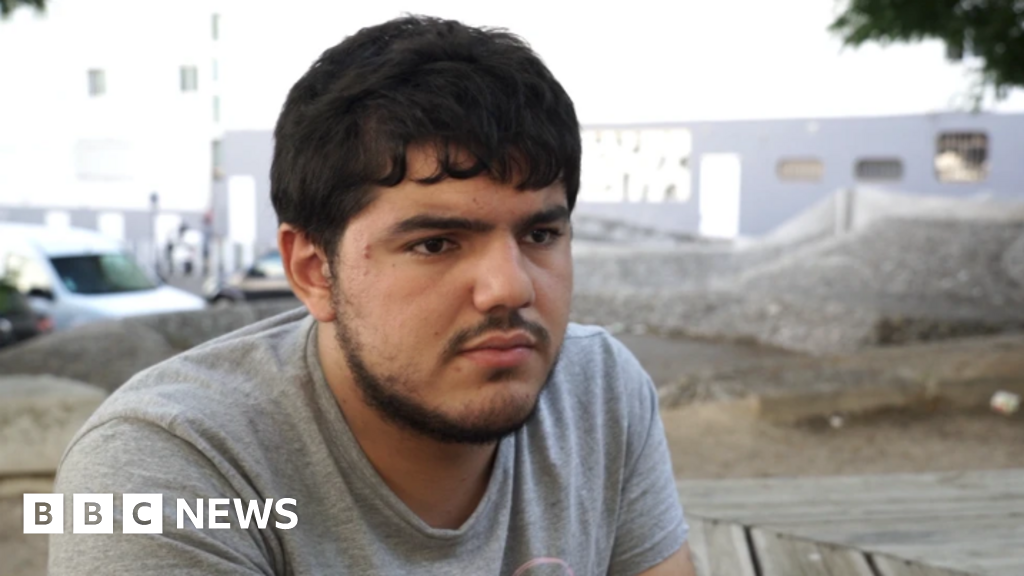
The recent brutal murders in Marseille, France, underscore a critical escalation in urban violence, with profound geopolitical repercussions that extend beyond local boundaries. The killing of two brothers from the same family—Brahim in 2020 and now Mehdi in 2023—illuminates the destructive power of organized crime and its enduring grip over the city’s most vulnerable communities. The tragic pattern, with youth as young as 15 pulled into violent vendettas, serves as a stark reminder of the erosion of social stability within Western nations, challenging political leaders and law enforcement agencies alike. The fact that a young anti-drugs activist, Amine Kessaci, whose work aimed to mitigate this chaos, receives death threats underscores an unsettling turning point—a confrontation with the fracture lines in French society and the wider Western world.

Marseille’s endemic violence is emblematic of a broader uprising of urban insurgencies affecting many Western city-states. As gangs continue to carve out turf within high-immigration neighborhoods, their warfare spills into street-level shootings, often occurring in broad daylight, as seen with Mehdi’s murder by motorcycle gunfire. Local authorities acknowledge that these crimes are not isolated; they are part of a harrowing cycle of revenge and territorial disputes, often fueled by drug trafficking networks that have entrenched themselves in the city’s fabric. The European and international community, including analysts and historians, highlight that such violence threatens the very fabric of civil society, prompting urgent calls for comprehensive reforms. Yet, the persistence of these conflicts raises uncomfortable questions about how nations can reform immigration, law enforcement, and social policy to prevent a slide into lawless chaos.

The Shadow of Organized Crime and Political Reckoning

  • The murder of Brahim, linked to drug gang vendettas, encapsulates the threat posed by criminal organizations that often operate with impunity and difficulty for authorities to dismantle.
  • Mehdi’s murder, seemingly unrelated to gangs, is feared to be a warning aimed squarely at Amine, whose outspoken activism and political ambitions made him a target—symbolizing how criminal violence intersects with political activism.
  • Amine’s establishment of Conscience, an NGO dedicated to aiding families affected by drugs violence, underscores a new wave of civic activism aimed at combating these structures from within.

Such developments signal a warning of a wider societal breakdown, with international watchdogs cautioning that, without decisive action, these localized conflicts could spiral into a broader crisis of governance and security. The French government’s response, characterized by police protection for activists like Amine, reflects a recognition of the seriousness of these threats. Still, critics argue that current policies lack the strategic depth needed to truly unravel the roots of criminal networks. The European Union and other international bodies continue to monitor the situation, with some alarmed by the increasing youth involvement in gangs—an issue that threatens to undermine future generations’ prospects and social cohesion.

Consequences for Europe and Beyond

The violence in Marseille epitomizes a continuing challenge for EU nations attempting to balance multicultural integration with national security. As analysts point out, the situation could serve as a harbinger for similar strains across other European borders, especially in cities with large immigrant populations. The ongoing crisis also raises questions about international cooperation—whether global institutions will rise to the occasion or become overwhelmed by the complexity of such urban war zones. The historical perspective warns that neglecting these issues risks turning once-thriving urban centers into lawless enclaves, where de facto warlord rule replaces civil authority, echoing patterns seen in failed states worldwide.

As history unfolds, the death of Mehdi and Brahim Kessaci will be remembered not only as isolated tragedies but as symbols of a war within cities that threaten to rewrite the social contract. The weight of this moment challenges leaders and societies to confront uncomfortable truths about governance, integration, and the true cost of neglecting the roots of urban decay. The future remains uncertain—balancing on the precipice of change, where each decision could either mend a fractured society or plunge it further into the shadows of chaos. History, it seems, is still writing its darkest chapters, and the fate of Marseille may well serve as a cautionary tale for cities worldwide struggling beneath the weight of their own internal conflicts.

Meet ‘Fedora Man’: Dapper French Teen Revealed as Louvre Heist Hero in Viral Photo | France

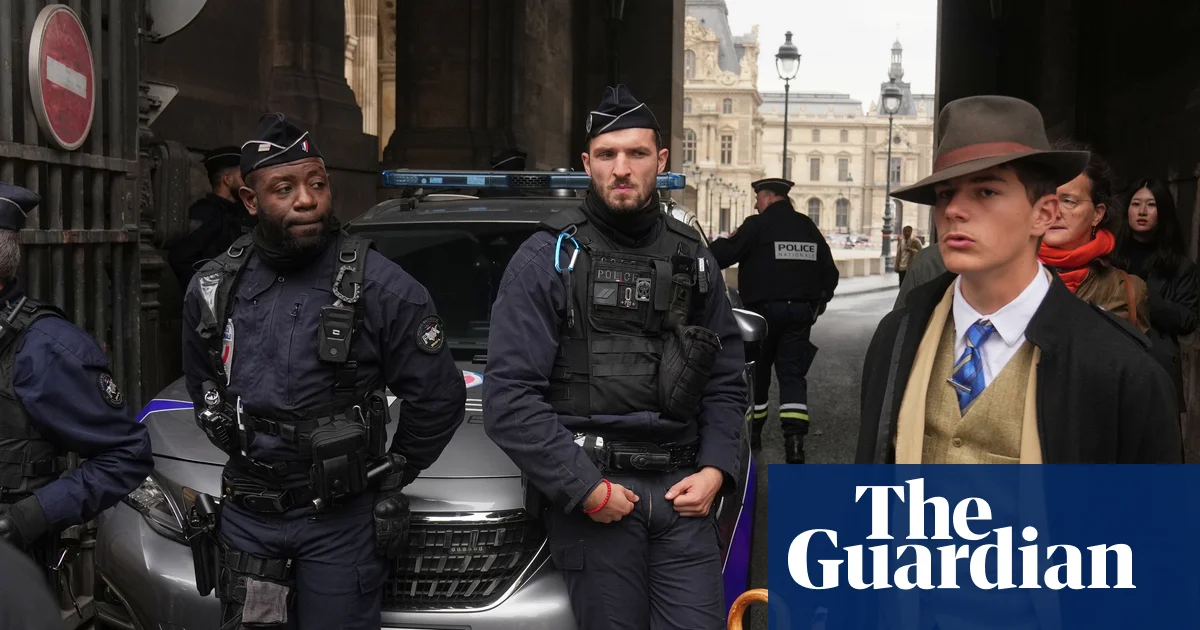
In a striking manifestation of how digital imagery can shape global narratives, a 15-year-old French youth, Pedro Elias Garzon Delvaux, inadvertently became an international phenomenon through a single photograph. His image, captured by Associated Press photographer Thibault Camus amidst the chaos of the French crown jewel heist, captured the imagination of millions across the world. Clad in vintage fashion, including a fedora, Pedro’s unintended role in this modern-day mystery showcases how media, perception, and historical aesthetics converge into a powerful symbol that transcends national borders. This phenomenon underscores a key geopolitical impact: how cultural symbols and images can ignite transnational stories that influence public sentiment and societal outlooks.

  • Pedro, a lover of 20th-century history and classic detectives, was merely passing through when police barricades closed access to the Louvre. His coincidental presence in the frame turned him into an eerie chess piece in a worldwide narrative concerning art theft, national identity, and cultural heritage. The image sparked online debates on whether the “fedora man” was an AI fabrication or a true shadow figure of the underworld. Such narratives challenge perceptions of authenticity and the digital age’s influence on reality, with analysts from institutions like INTERPOL emphasizing the need for cautious verification amid rapid information dissemination.
  • The viral spread of his image, with over 5 million views and headlines across continents, demonstrates the power of visual storytelling in shaping public discourse. As international commentators dissect the implications, many note how image-driven narratives reflect a broader cultural shift: one where individual stories are magnified into symbols of societal anxieties or aspirations. In this case, Pedro’s vintage attire and mysterious aura evoke an era-long gone, yet their resonance in the digital age emphasizes how cultural memory is harnessed and repurposed in contemporary geopolitics.

Historians and analysts recognize this event as emblematic of a new era where images serve as potent flags in the ongoing battle for cultural influence. The incident highlights an ongoing phenomenon: the blending of historical aesthetics with modern storytelling, fueling debates about identity, authenticity, and the role of digital media in shaping perceptions. As European nations remain vigilant over their cultural treasures, the story of Pedro not only offers a glimpse into the power of visual imagery but also signals how global narratives about legality, art, and history are increasingly constructed through social media’s lens.

As the episode concludes with Pedro’s relaxed outlook—publicly waiting for film roles—one cannot ignore how this small story echoes larger themes in international relations and societal values. The innocence of a boy unwittingly caught in a global myth reminds us that, in this era, history is perpetually in the making, and every image carries the potential to reshape perceptions and influence global affairs. In the end, this story remains a testament to a critical turning point: the digital age’s capacity to transform humble moments into enduring symbols, shaping the course of history in unpredictable ways, with the weight of the future still counting down in the shadows of the past.

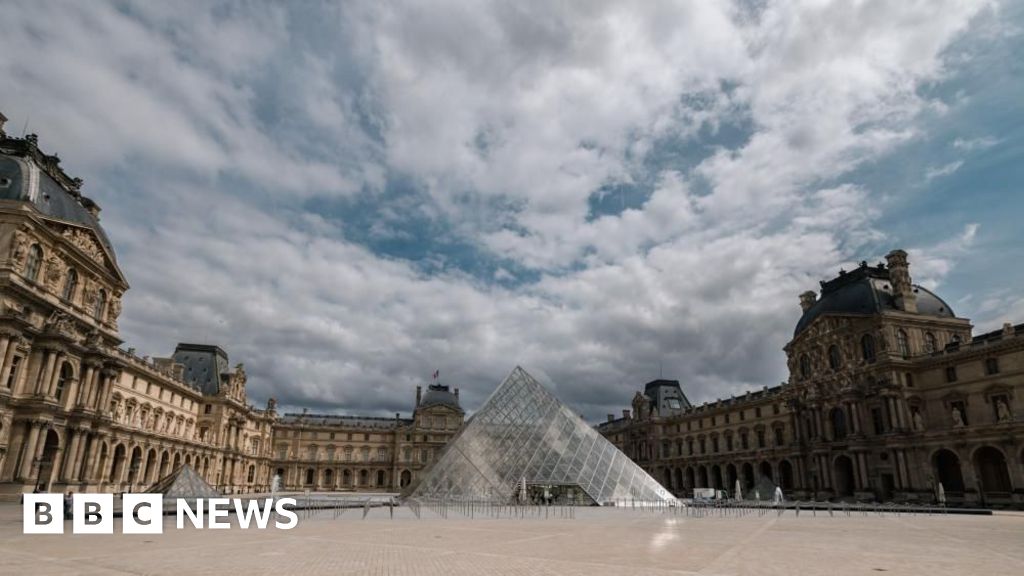
Louvre in Paris Closes After Heist – French Culture Minister Confirms

The recent robbery at the Louvre Museum in Paris marks a disturbing escalation in the ongoing challenge of safeguarding cultural heritage amidst increasing global unrest. The world’s most visited museum, renowned for housing priceless artworks and invaluable artifacts, was targeted early Sunday morning as it prepared to open its doors. Reports indicate that jewelry was stolen during this breach, a loss that transcends mere material value, threatening to erode a pillar of global cultural identity. France’s culture minister, Rachida Dati, confirmed the incident, and police are now engaged in a detailed investigation, reflecting the gravity with which the country is treating this unprecedented event.

The geopolitical impact of such thefts, particularly at iconic sites like the Louvre, resonates globally. Museums, monuments, and cultural institutions serve as symbols of national pride and history. Their vulnerabilities expose deeper fissures in international security protocols and cultural diplomacy. Experts warn that the theft could facilitate the illicit trade of priceless antiquities and artworks, fueling a transnational black market that weakens the cultural fabric of nations. Analysts from organizations like INTERPOL emphasize that this event signals a complex interplay of organized crime and geopolitical instability, as art thefts are increasingly linked to geopolitical conflicts and militant groups seeking to destabilize societies by targeting their cultural symbols.

Historically, such breaches serve as strategic provocations or indicators of chaos, with some specialists comparing recent trends to the looting of Iraq’s museums during the early years of the Gulf War. How nations respond to these acts will define their cultural resilience and sovereignty in the digital age. The Louvre incident underscores the urgent need for international cooperation on security measures, intelligence sharing, and the recovery of stolen assets. Various voices, including international organizations and cultural watchdogs, warn that failure to adapt and strengthen protections could lead to a wave of similar threats, ultimately dismantling the collective memory and identity of societies.

In the broader scope, the incident at the Louvre echoes a warning for the international community: the preservation of history is a battlefield where progress and chaos collide. As nations grapple with geopolitical shifts, economic upheavals, and technological forces, the security of our shared heritage remains fragile. The relentless pursuit of power and profit ensures that, one day, the history-makers and art custodians of today may become prey in a relentless underworld of theft and smuggling. With the weight of history pressing down, the world must ask itself: how long can we protect the treasures that define our identity before they are lost to the shadows?

Thursday’s Must-Know: French Cabinet Shake-Up, Bold Naked Cyclists & the Heroic Pup | Life & Style

In an era where lifestyle shifts and personal impact take center stage, the way we engage with entertainment, technology, and even wellness is transforming rapidly. From the nostalgic allure of legendary artists like Kate Bush to the latest innovations in corporate security, today’s cultural landscape reflects a dynamic intersection of tradition and innovation. It’s not just about passing time; it’s about embracing a lifestyle that fuels inspiration and personal growth, even amid the fatigue of modern life.

Consider the cultural phenomenon of the Thursday news quiz, a digital tradition that taps into youthful curiosity and the desire for wellness through knowledge. It challenges participants to stay informed with playful questions — from the number of Academy Awards won by venerable actresses like Katharine Hepburn to a quirky, yet impactful protest by naked cyclists in Portland. This quiz isn’t merely about trivia; it embodies a lifestyle of continuous learning. Through engaging with such content, young minds find a space for sharp wit, cultural awareness, and even a bit of rebellion against the mundane, fostering a sense of ownership over their lifestyle and self-improvement.

Meanwhile, the way wellness is evolving is embodied in developments like the biometric access control system at a Manhattan skyscraper — an embodiment of technological integration with personal privacy considerations. The push towards embracing cutting-edge tech doesn’t merely enhance convenience; it represents a commitment to personal security and health in the digital age. Wellness experts like Dr. Daniel G. Amen advocate for deliberate tech use, emphasizing that balanced integration can empower us without compromising privacy or mental well-being. These shifts highlight an essential truth: living intentionally with technology can elevate one’s lifestyle, making health and leisure not just possibilities but everyday realities.

Ultimately, life is about the journey—a constant interplay of discovery, resilience, and embracing the new while respecting the roots. Whether it’s celebrating a heroic dog like Hendrix, who led a rescue in Florida, or finding inspiration in an artist like Kate Bush, whose music fuels charitable acts, the narrative remains clear: a lifestyle rooted in curiosity, adaptability, and purpose leads to a more vibrant, well-lived life. As these stories interweave, they remind us that our personal impact—health, leisure, knowledge—is a reflection of our willingness to engage with the world authentically. It’s a pursuit that, ultimately, turns daily living into an ongoing story of empowerment and inspiration.

Social Media Auto Publish Powered By : XYZScripts.com