Matox News

Truth Over Trends, always!

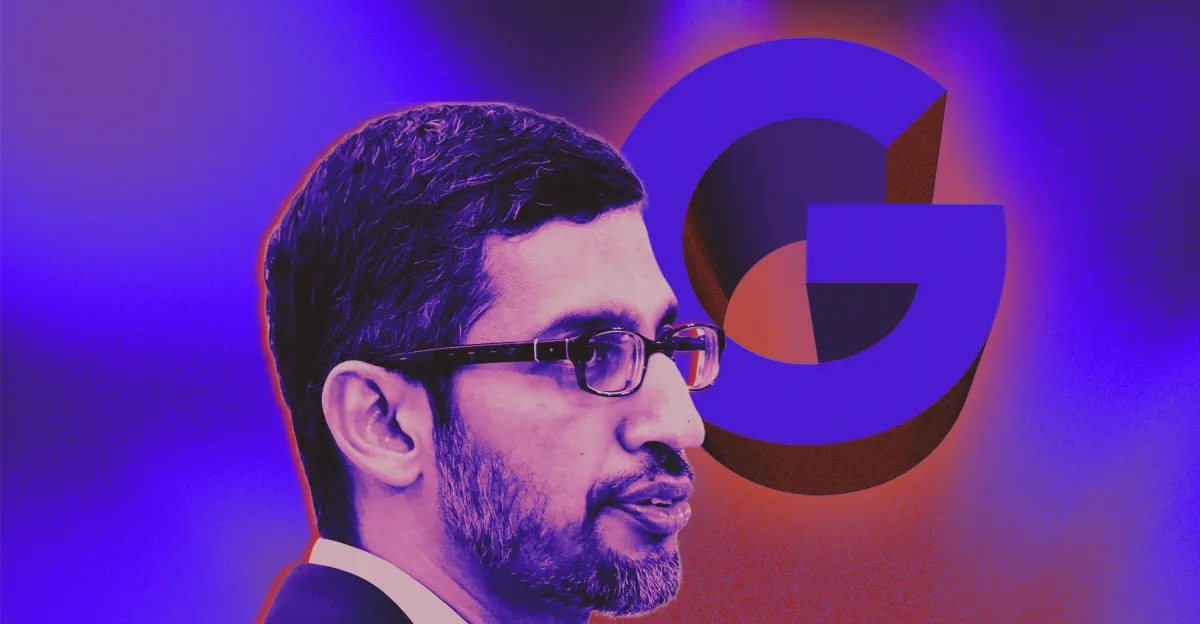
Google and Pentagon reportedly strike deal to unlock ‘any lawful’ AI use—tech’s new frontier

Google’s Classified AI Deal with the U.S. Department of Defense: A Paradigm Shift in AI and National Security

The tech landscape is witnessing a significant disruption as Google enters a high-stakes, classified agreement with the U.S. Department of Defense (DoD) to leverage its powerful AI models for “any lawful government purpose.” Less than 24 hours after internal protests from Google employees—who voiced concerns about the ethical ramifications of military applications—this deal signals a bold move toward the integration of cutting-edge artificial intelligence within national security frameworks. According to The Information, the confidentiality surrounding this deal underscores an increasingly complex intersection between advanced AI innovations and government security priorities, raising critical questions about ethical boundaries and corporate responsibility.

This collaboration marks a significant installment in the ongoing saga of disruption in the defense and AI sectors. Google’s decision to engage with the Pentagon puts a spotlight on how major tech companies are navigating the evolving landscape of AI-driven warfare, surveillance, and autonomous systems. The agreement explicitly stipulates that Google’s AI tools should not be employed for domestic mass surveillance or autonomous weapon systems without human oversight, yet the language of the deal suggests a potentially loose oversight framework. The deal is characterized as more of an “amendment” to existing government contracts, rather than a comprehensive policy overhaul, which indicates the pace at which the private sector must adapt to emerging military needs—often ahead of public consensus or regulatory clarity.

From a business perspective, this strategic alliance might be interpreted as a harbinger of future government contracts for leading AI firms. Companies like Microsoft and Amazon are actively vying for dominance in this lucrative niche, challenging the conventional boundaries of technological innovation in government applications. Industry analysts such as Gartner and MIT researchers emphasize that the integration of proprietary AI systems into military hardware and decision-making processes may accelerate the development of autonomous, AI-enabled warfare tools. The implications are profound: faster deployment of AI in defense could translate into disruptive shifts in geopolitical power dynamics, potentially setting the stage for a new arms race based on AI supremacy.

However, this rapid evolution calls for cautious optimism. Industry critics warn about the dangers of unchecked AI deployment in sensitive areas, emphasizing the need for clear regulatory frameworks and ethical oversight. Elon Musk, Peter Thiel, and other leading voices have articulated concerns about “uncontrollable autonomous systems” that could escalate conflicts or violate human rights if left unregulated. As AI becomes increasingly entangled with government interests, the urgency for transparent, accountable innovation becomes paramount.

Looking ahead, the unfolding scenario underscores a pressing necessity for stakeholders—public sector leaders, tech innovators, and ethical watchdogs—to collaboratively shape a responsible AI future. The race to harness AI’s disruptive potential in national security is accelerating, but without rigorous oversight and global cooperation, the risk of unintended consequences grows. As industry leaders and policymakers navigate this perilous frontier, the imperative remains clear: AI innovation must be matched with ethical foresight, ensuring that advancements serve humanity rather than undermining it. The coming months will be critical in determining whether this technological revolution leads to safer, smarter security or opens Pandora’s box to unforeseen threats. Either way, one thing is certain: the future of AI and defense is unfolding with unprecedented urgency and scale, demanding proactive, forward-thinking strategies.


Lehane’s Challenge: Navigating OpenAI’s Bold New Frontier

OpenAI’s Quest for Disruption Treads a Fine Line Between Innovation and Ethical Controversy

OpenAI continues to redefine the artificial intelligence landscape through groundbreaking innovations, yet behind the scenes, it faces mounting questions about ethical boundaries and societal impact. During a recent Elevate conference in Toronto, insiders observed a company grappling with contradictions—striving to lead a technological revolution while contending with concerns over misuse, energy consumption, and legal intimidation tactics. The company’s push for disruptive AI tools, such as advanced video generation systems, underscores its commitment to innovation but also raises alarms about sustainability and morality.

Technological progress driven by OpenAI’s models demonstrates an unprecedented merger of utility and power. From generic chat assistants to hyper-realistic deepfakes, the innovations threaten to redefine the very fabric of digital communication. While experts like Gartner and MIT recognize AI as a catalyst for economic modernization, critics warn that these breakthroughs could be detrimental if deployed irresponsibly. AI’s energy footprint—particularly for high-intensity tasks like video synthesis—poses a formidable business challenge, requiring massive energy inputs that could exacerbate climate concerns. As exemplified by recent estimates, AI operations can consume gigawatts of energy weekly, with comparable figures cited from China’s recent nuclear build-up. This reality compels a re-evaluation of AI’s sustainability while solidifying the necessity for a competitive energy infrastructure, especially for democratic nations vying to lead the AI race.

Corporate Strategies and Legal Battles Signal a Shift Toward Coercion and Control

Amid the innovation, OpenAI finds itself embroiled in controversy over its aggressive legal tactics against critics. When nonprofit advocate Nathan Calvin was served a subpoena as he discussed AI policy at the California legislature, it exposed a darker aspect of the company’s strategy—weaponizing legal influence to silence dissent. Critics argue that these actions hint at a broader effort to consolidate AI dominance through intimidation, potentially stifling opposition from academia, regulators, and independent voices. Such heavy-handed tactics could undermine the company’s credibility, especially among a growing base of younger tech consumers who value transparency and corporate responsibility.

This internal conflict is echoed by startling admissions from senior staff. As reported by TechCrunch, high-level employees like Josh Achiam openly questioned whether OpenAI’s trajectory risks transforming it into a “frightening power” rather than a “virtuous” leader—an admission that signals a profound crisis of conscience from within. This internal discord highlights an industry-wide reckoning: are the benefits of AI innovation worth the societal costs and ethical dilemmas it creates?

Future Outlook: The Race to AI Supremacy Is a Call to Action

The narrative unfolding around OpenAI signifies a pivotal moment for the tech industry. With its race toward artificial general intelligence (AGI), the stakes have never been higher—not only in terms of technological dominance but also global influence over energy policies, regulatory frameworks, and societal norms. Industry analysts argue that the company’s strategies—be they energetic resource investments or legal maneuvering—are setting the tone for how AI will integrate into daily life. As Elon Musk and others caution about unchecked AI power, the question remains: will OpenAI and its competitors manage to balance innovation with responsibility? Or will the pursuit of disruptive tech threaten to spiral into a new era of corporate overreach and societal upheaval?

The contemporary landscape demands urgent attention from policymakers, business leaders, and technologists alike. The window to shape a responsible AI future narrows, and as skeptics and advocates clash, the global community must act decisively. The coming years will determine whether this technological revolution elevates humanity or ensnares it in unforeseen consequences—making it imperative that innovation is paired with ethical vigilance and strategic foresight.

Social Media Auto Publish Powered By : XYZScripts.com


