
Matox News

Truth Over Trends, always!

FTC: Teens and young adults dropped $2.1B to social media scams in 2025—are your funds safe?


Social Media Scams Surge to $2.1 Billion in 2025: Industry Disruption and Future Outlook

Social Media Scams Reach New Heights, Major Disruption to Consumer Trust

The landscape of digital commerce and social interaction is experiencing a disruptive shift, with social media scams escalating alarmingly in 2025, culminating in estimated consumer losses of $2.1 billion. According to a recent FTC report, these scams have seen an eightfold increase over previous years, signaling an urgent need for innovation and resilience within the digital ecosystem. The data underscores a troubling trend: social media platforms are becoming critical vectors for economic disruption, threatening not only individual consumers but also the integrity of online commerce infrastructure.

Facebook, WhatsApp, and Instagram have emerged as primary battlegrounds, with Facebook leading the pack as the biggest source of financial loss according to victim reports. Nearly 30% of scam victims trace the origin of their losses to social media, with Facebook alone accounting for significantly higher damages compared to email or text scams. This industry shift exposes the vulnerabilities of current social media architectures, prompting experts like MIT’s Sloan School of Management to advocate for innovative authentication mechanisms and AI-powered fraud detection systems. The rise of scams that revolve around shopping, investments, and romance illustrates how malicious actors exploit platforms’ virality, leveraging social proof and emotional manipulation to maximize disruption.

Significant milestones include the proliferation of shopping scams, which account for more than 40% of social media-related losses. These schemes typically involve fake websites, counterfeit brand offers, and deceptive advertising promising unbeatable discounts. Meanwhile, investment scams—often launched through targeted ads or WhatsApp groups—have led to losses exceeding $1.1 billion, highlighting a dangerous trend of financial pseudoscience that threatens to undermine trust in legitimate FinTech innovations. Another disturbing trend is the rise of romance scams, affecting nearly 60% of victims, which strategically exploits human psychology by fabricating crises and fostering fake relationships to mEvade user defenses.

The implications for businesses and platform operators are profound. Major companies face mounting pressure to implement disruption-resistant security protocols and cultivate a culture of transparency. Industry leaders recognize the necessity of integrating advanced AI systems capable of identifying and blocking scam-related activity before it impacts millions of users. As Peter Thiel and Elon Musk have warned, unchecked exploitation of digital spaces could erode the foundational trust necessary for scalable innovation.

  • Enforcement of stricter verification methods for online sellers and advisors
  • Deployment of real-time scam detection algorithms
  • Enhanced user education on spotting fraudulent activity

Looking ahead, the future of social media and digital commerce demands unwavering innovation, with a sense of urgency. Industry analysts from Gartner emphasize that companies failing to act swiftly risk falling behind in the race to secure user trust and transactional integrity. The rapid evolution of AI, blockchain, and biometric authentication offers promising solutions, but they must be deployed thoughtfully and at scale. As malicious actors become increasingly sophisticated, the next frontier of disruption will likely involve integrated AI defense frameworks and decentralized verification systems. Stakeholders across the digital economy must view this challenge not merely as a regulatory issue but as an imminent battlefield for technological dominance, where ongoing innovation will determine who leads the future of honest, secure, and disruptive digital innovation.
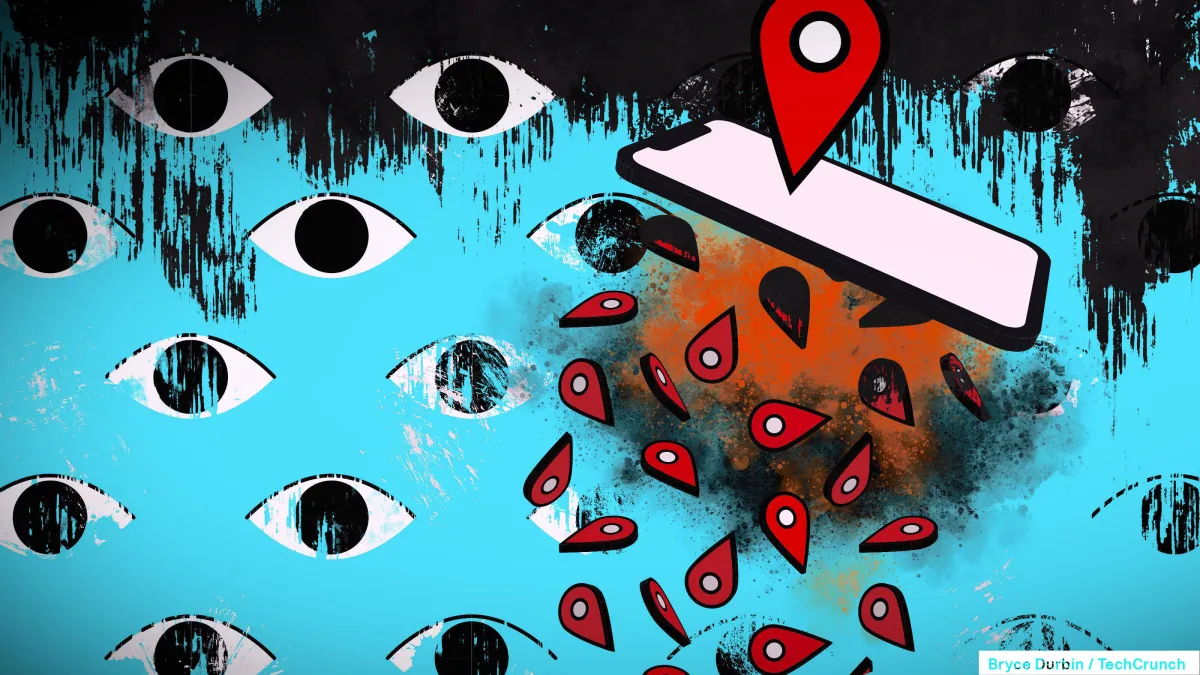

FTC stands firm: Stalkerware pioneer Scott Zuckerman banned, tech watchdogs celebrate

The Federal Trade Commission (FTC) has decisively upheld its 2021 ban against Scott Zuckerman, the controversial founder behind Support King and its associated stalkerware products. This move underscores the ongoing clash between relentless disruption of traditional privacy norms and regulatory measures aimed at protecting consumers and vulnerable individuals from invasive surveillance technology. The FTC’s stance remains firm despite Zuckerman’s recent petition to revoke or modify the ban, citing mounting financial and operational burdens.

At the heart of this controversy lies the alarming pattern of innovation in illicit surveillance. When it first enacted the ban, authorities highlighted that Zuckerman’s product SpyFone facilitated stalking by secretly monitoring personal devices, exposing users’ most sensitive data. A major breach in 2018, involving over 3,600 phones, revealed that the company had left sensitive content—including selfies, messages, and audio recordings—vulnerable online due to extremely lax security protocols. This incident not only exposed personal information but also exposed the inherent risks of disruptive business models built around invasive monitoring.

  • Innovative breach exploitation exposed vulnerabilities in stalkerware security.
  • Demonstrated the potential for hackers to hijack sensitive personal data stored by these apps.
  • Highlighted the failure of regulatory frameworks to keep pace with rapidly evolving surveillance tech.

The case reveals a disturbing trend: repeat offenders attempting to circumvent regulation through clandestine operations. Less than a year after the FTC ban, evidence suggested Zuckerman’s team was running a clandestine secondary operation, SpyTrac, with ties back to the original Support King empire. Leaked data showed direct links to SpyFone and access keys to OneClickMonitor, raising questions about whether regulatory crackdowns can truly contain such disruptive entrepreneurs whose innovations push legal boundaries. Experts like MIT’s cybersecurity researchers warn that these activities threaten to erode privacy standards, fueling a clandestine market that’s difficult to regulate.

Industry analysts such as Gartner warn that the continued proliferation of such invasive technologies signals a need for robust enforcement and innovative reforms. The implications extend beyond individual privacy; they threaten to reshape the competitive landscape, driving legitimate tech firms to innovate smarter security and privacy solutions. As Peter Thiel and others argue, disruption in the surveillance tech realm could redefine the boundaries of personal liberty and corporate responsibility. The FTC’s refusal to relax the ban is a statement: regulation must evolve in tandem with innovation—crucial for safeguarding future technological progress.

Looking ahead, this high-stakes case serves as a stark warning to entrepreneurs and investors betting on disruptive tech: without strong ethical boundaries and regulatory compliance, even the most innovative ideas risk becoming regulatory casualties. As the industry braces for a wave of new innovations, the importance of urgently establishing clear legal and ethical frameworks will determine which companies lead the next revolution and which fall by the wayside. The future of technology rests on striking the right balance—fostering innovation while fiercely defending individual rights against invasive surveillance. Time remains of the essence; the clock is ticking for regulators and entrepreneurs alike to shape a secure, responsible digital frontier that can withstand the disruptive forces at play.

Social Media Auto Publish Powered By : XYZScripts.com


