Matox News

Truth Over Trends, always!

UN Climate Summit Drops Fossil Fuel References from Draft Deal

World Stands at a Crossroads as COP30 Negotiations Enter Critical Final Phase

The COP30 climate summit in Belém, Brazil has reached a pivotal moment, with international leaders and activists watching closely as the negotiations approach their conclusion. At its core, the summit aims to forge a comprehensive global response to the escalating climate crisis, but deep divisions threaten to undermine the very goals it seeks to achieve. The intense diplomatic standoff revolves around one of the most contentious issues: the future of fossil fuels. Despite mounting scientific consensus—highlighted by climate experts from organizations like the Intergovernmental Panel on Climate Change (IPCC)—the draft deal now omits any direct mention of fossil fuels, the largest contributor to modern climate catastrophe. This omission marks a significant turning point, signaling the growing influence of oil-producing nations’ interests over global climate action.

In recent years, international forums such as COP have made progress on renewable energy adoption and conservation efforts. However, the current negotiations reveal a stark reality: the global elite remains fractured along geopolitical lines, pitting powerful oil-exporting nations against the push for accelerated transition to clean energy. Countries including Saudi Arabia, Russia, and India actively oppose stronger language targeting fossil fuels, citing economic dependency and sovereignty concerns. French Environment Minister Monique Barbut warned that these nations are effectively blocking the deal; their stance is driven by fears of economic destabilization and political influence, all while the climate crisis accelerates unabated. The latest proposals, which included pathways to phase out fossil fuels, have been dropped under these pressures, frustrating advocates who see this as a dire setback in global climate governance.

The summit has also been overshadowed by on-the-ground unrest, with indigenous groups and environmental activists vehemently protesting what they perceive as a betrayal of their future. At the summit’s edge, members of the Munduruku indigenous movement demonstrated fiercely, insisting their land and livelihoods are being sacrificed for corporate profits. Throughout the summit’s duration, campaigners have carried banners reading “Stop Amazon oil,” and chanted “Fossil fuels out,” emphasizing the impact of deforestation and resource extraction. As the Brazilian Amazon faces increasing deforestation—an issue that normally would be central to discussions—language on this front has also been watered down, igniting criticism from conservationists and indigenous leaders alike. Kelly Dent, from World Animal Protection, lamented that “for a COP hosted in the Amazon, it’s shattering that deforestation is taking a back seat,” highlighting how environmental and cultural concerns continue to be marginalized during these high-stakes negotiations.

Throughout its two-week course, the summit has been marked by dramatic interruptions—including evacuations prompted by protests and fires—underscoring the volatile intersection of environmental activism and geopolitics. Many analysts warn that the outcome of COP30 will largely depend on whether the 194 participating nations can break their deadlock. While some representatives, including President Luiz Inácio Lula da Silva, advocate for immediate and ambitious measures, the reality remains tangled in geopolitical interests. The debate over climate finance adds another layer of complication, with poorer nations demanding stronger commitments—or risk being left behind in the global effort to combat climate change. The draft now calls for the tripling of climate financing by 2030, yet critics dismiss this as insufficient, harking back to last year’s criticisms of COP’s unfulfilled promises.

As history continues to unfold in Belém, the choices made—and the compromises accepted—will determine whether this summit becomes a turning point for hope or another chapter in a long saga of broken promises. With each fiery protest, each diplomatic capitulation, the future of our planet hangs by a fragile thread, teetering on the edge of irreversible change. Whether the world awakens to its collective responsibility or sinks further into geopolitical paralysis remains the most urgent question of our time.

Global fossil fuel projects endanger health of 2 billion youth—new report exposes the risk

Recent research reveals a sobering reality: a quarter of the world’s population lives within just three miles of active fossil fuel projects. This proximity isn’t just an inconvenient statistic—it’s a looming threat to public health, especially for communities residing near drilling wells, pipelines, and processing plants. According to studies from organizations like Amnesty International, those living closest to these industrial sites face increased risks of cancer, respiratory and heart conditions, premature births, and even death. Yet, what makes this environment even more troubling is the unequal burden carried by marginalized groups, particularly Indigenous communities and low-income families, who often find themselves living in “sacrifice zones”—areas heavily contaminated, with little regard for their safety or rights. This environmental injustice, rooted in systemic inequality, underscores how economic interests often override human dignity and community welfare.

In fact, near half a billion people, including over 124 million children, live within one kilometer of fossil fuel infrastructure. As plans circulate for thousands of new sites, this number could swell, exposing even more to dangerous fumes, oil spills, and ecological devastation. These advancements tend to exacerbate tensions within societies, especially when indigenous land defenders and local fishermen voice their opposition. For instance, Tsakë ze’ Sleydo (Molly Wickham), a Wet’suwet’en land defender in Canada, speaks to a broader story of intergenerational fatigue and resistance. She emphasizes that these communities, which have long been deprived of their rights, are often criminalized when they stand up to protect their territories from destructive infrastructure. Such struggles highlight how social and environmental issues are deeply intertwined, affecting families’ health, cultural heritage, and livelihood.

The global political landscape remains fractured in the face of this crisis. At the 30th annual climate negotiations in Belém, Brazil, world leaders, except for the United States, grapple with the urgent need to end reliance on fossil fuels. Meanwhile, lobbyists for the fossil fuel industry have unprecedented access to global policymaking forums, working tirelessly to block climate action and sustain profits at the expense of the planet. As researchers from the University of Colorado Boulder point out, over a third of oil, coal, and gas sites intersect with critical ecosystems—biodiverse wetlands, forests, and river systems—placing entire natural habitats at risk of collapse. This confluence of corporate greed and systemic neglect underscores a key challenge: how to protect the Earth’s natural inheritance while safeguarding human rights. The humanitarian toll is undeniable; children and vulnerable populations suffer disproportionately, with environmental toxins becoming a national security issue that demands our collective moral responsibility.

As history reminds us, the issues surrounding fossil fuel dependence are embedded in narratives of progress, greed, and systemic injustice. Sociologists like Naomi Klein and environmental historians have long documented how environmental degradation is often a social mirror of inequality. Yet, hope persists in the form of resilience—indigenous leaders, local activists, and youth movements are increasingly demanding the end of an era that has prioritized profits over people. The challenge ahead lies in transforming these social and environmental crises into catalysts for meaningful change—reclaiming land, restoring ecosystems, and asserting rights that have been trampled. Society stands at a crossroads: will we continue to ignore the invisible toll of pollution, or will we, as a community, choose to forge a future rooted in respect, justice, and sustainability? Amidst the shadows of destruction, a quiet promise whispers—that society’s capacity for renewal remains, waiting for the moment we rise to meet the challenge, offering hope that one day, the land and all who live upon it might breathe freely again.

India Bus Fire: Smoldering Smartphones Fuel Massive Blaze

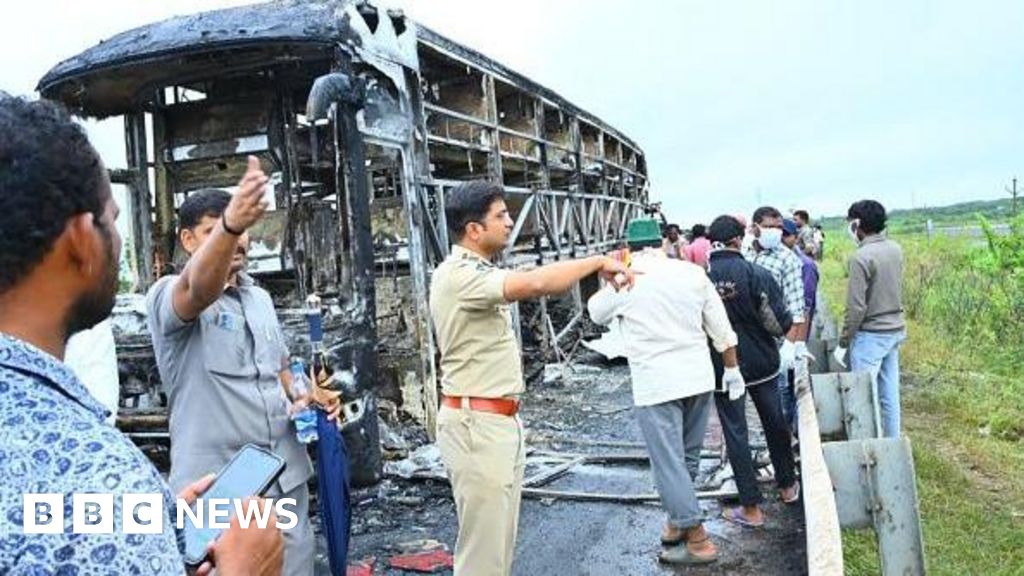
The recent tragic bus fire in India has reignited urgent questions about the nation’s safety protocols, infrastructure resilience, and the broader implications for its economic and geopolitical stability. The incident, which claimed at least 20 lives and was intensified by hundreds of smartphones onboard, underscores the perilous combination of outdated safety standards and the rapid technological integration within a rapidly developing economy. As investigators probe the cause, the specter of negligent oversight looms large—raising alarms that extend beyond national borders and signaling an urgent need for systemic reform.

Initial reports indicate that the blaze erupted after a collision involving a motorcycle, which ruptured the fuel tank and triggered a devastating explosion. However, forensic officials have pointed out that the flames’ ferocity was significantly exacerbated by the presence of lithium-ion batteries in hundreds of smartphones, valued at millions of rupees, being transported from Hyderabad to Bengaluru. This underscores a broader industrial predicament: lithium-ion batteries, while vital for today’s consumer electronics, pose grave fire risks when damaged. Their propensity for thermal runaway—an uncontrollable rise in temperature—can cause fires that defy conventional firefighting methods, with catastrophic consequences. This incident exemplifies how the intersection of burgeoning e-commerce logistics and inadequate safety controls can lead to tragedy, with potential ripple effects across South Asia’s supply chains.

  • The fire’s devastation was compounded by the explosion of electrical batteries used for the bus’s air conditioning system, according to local fire officials, who described fragments of bones and ash amidst the wreckage—a stark reminder of the event’s brutality.
  • Authorities are investigating whether negligent driving or poor maintenance contributed, especially considering the bus driver fled the scene and the motorcyclist, who was involved in the crash, is among the deceased.
  • India’s widespread issues with overcrowded buses and lax safety regulations remain a longstanding concern, with the nation recording the highest number of road accident fatalities globally last year. Such incidents reveal systemic vulnerabilities that threaten both domestic stability and international perceptions of India’s infrastructure capabilities.

The embedded challenges extend far beyond individual tragedies, echoing broader geopolitical consequences. As analysts and international organizations observe, India’s persistent safety lapses threaten its rising economic stature and foreign investment prospects. The incident serves as a haunting reminder that, while India seeks to position itself as a global economic hub, its internal systemic issues—corruption, outdated regulations, and underfunded safety standards—put its trajectory at risk. As noted by geopolitical experts, the *stability of infrastructure and safety standards directly influences international confidence*—a critical factor as India assumes greater responsibilities within the BRICS alliance and as a pivotal player in the Indo-Pacific strategic landscape.

Looking ahead, the incident raises vital questions about the how decisions made today will shape the future of South Asia. Will there be meaningful reforms in safety protocols and supply chain security? Or will economic ambitions overshadow caution, risking more tragedies and undermining efforts for sustainable growth? Once a symbol of cultural resilience, India now finds itself at a crossroads—where the weight of history demands improved accountability and infrastructural resilience. The fire’s ashes serve as a grim portent of what may come if systemic shortcomings remain unaddressed, leaving future generations to grapple with the consequences of today’s perilous neglect. The unfolding narrative reminds the world that as history continues to be written, every decision bears the power to either forge a resilient nation or fuel the flames of chaos and destabilization.

Fiji's HIV Surges as Blue-tooth Parties, Chemsex & Needle Sharing Fuel Rise
Fiji’s HIV Surges as Blue-tooth Parties, Chemsex & Needle Sharing Fuel Rise

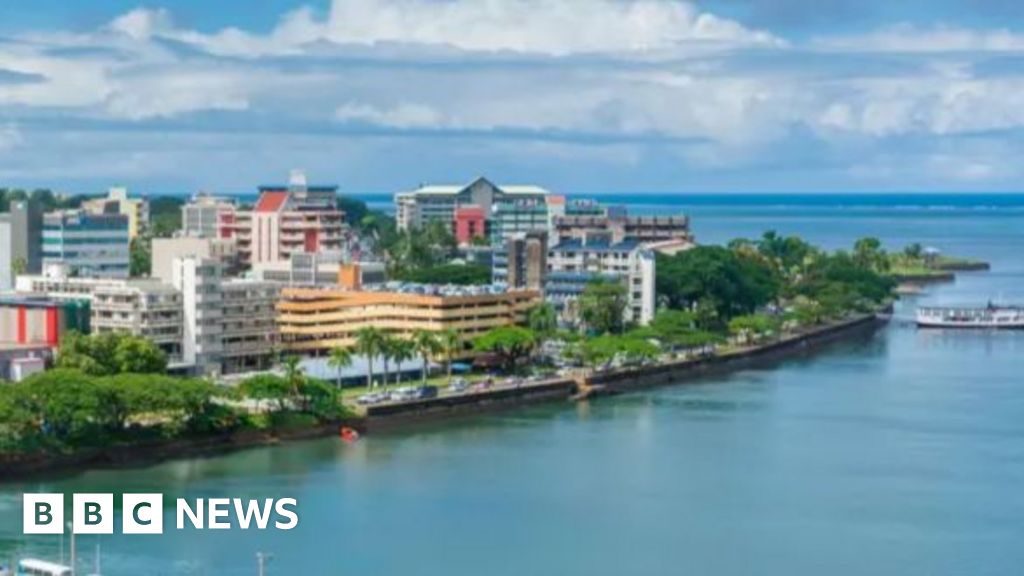
In the remote and strategically positioned Pacific island of Fiji, a devastating health crisis is unfolding at an alarming rate. Once a nation with relatively modest HIV prevalence, Fiji now faces an epidemic on the brink of catastrophe, with official figures indicating a thirteenfold increase in cases over the past five years. From fewer than 500 infected individuals in 2014 to nearly 6,000 in 2024, the nation exemplifies how poorly managed drug policies, social stigma, and illicit trafficking can combine to unleash a humanitarian disaster that threatens regional stability. The global health community has sounded the alarm, warning of the “avalanche” approaching Fiji—a metaphor that international analysts like José Sousa-Santos from New Zealand’s University of Canterbury describe as “a perfect storm brewing.”

The core drivers of this crisis are deeply rooted in rising intravenous drug use, unsafe sexual practices, and a cultural phenomenon known as bluetoothing, where blood is shared during drug injections, facilitating the rapid spread of bloodborne viruses like HIV. Frontline advocates and NGOs, such as Drug Free Fiji, have documented firsthand evidence of these dangerous practices. Despite social stigma diminishing, the illegal circulation of drugs such as methamphetamine and the absence of adequate harm reduction programs, including needle-syringe exchanges, have exacerbated the epidemic. Fiji’s geographic vulnerability as a trafficking hub between East Asia and Australasia further fuels the crisis, culminating in a surge of young users, with children increasingly falling victim—some as young as ten. Such alarming trends have aligned with the international community’s concerns over the country’s capacity to manage the burgeoning outbreak, with official projections estimating over 3,000 new HIV cases by the end of 2025.

This crisis, however, extends far beyond Fiji’s borders. It exposes the broader geopolitical implications of drug and health security in the Indo-Pacific region. Countries like Australia and New Zealand, with their significant Pacific refugee populations and strategic interests, face the direct repercussions of an unstable Fiji—one where infectious diseases could jump borders if not contained. Historians and regional security experts note that Fiji’s governance and healthcare system are under immense strain, hampered by shortages in medical supplies, insufficient staffing, and outdated communication infrastructure. The Global Alert and Response Network has highlighted that these logistical failures undermine the entire regional effort to contain infectious diseases, allowing the epidemic to metastasize into a regional threat. As analysts warn that the current measures are insufficient, many fear an irreversible slide into widespread societal destabilization that could take generations to recover from.

The unfolding story of Fiji’s HIV epidemic is a stark reminder of how fragile stability is when neglected by international policymakers and local authorities alike. As the international community debates solutions, the ticking clock remains—the infection rate has already surged, and the support systems necessary to reverse this trend are critically inadequate. The experts warn that this is not merely a local tragedy but a harbinger of widespread instability across the Indo-Pacific. The weight of history presses heavily upon the shoulders of Fiji and its neighbors, as they teeter on the brink of an unprecedented health and security crisis. The unfolding chapters of this story will determine whether the tide will turn or whether Fiji, with its rich culture and resilient people, will succumb to the mounting chaos. In this crucible of national peril, the world watches—as lives hang in the balance, and history awaits its next decisive act.

Factor Protein Plus Meals (2025): Fuel Your Day Without the Fat

Emerging Tech Disrupts Food Industry: The Rise of Smart Reheating and High-Protein Diets

In a landscape dominated by rapid innovation and a relentless quest for efficiency, companies like Factor and Ninja are redefining the way consumers approach meal preparation and nutrition. The latest breakthrough involves the integration of advanced kitchen appliances such as the Ninja Crispi, which, equipped with a novel air fryer—featuring a 380-degree Fahrenheit recrisp setting—delivers restaurant-quality leftovers with minimal effort. This technological refinement exemplifies how disruption in kitchen tech promises to overhaul traditional heating modalities, steering towards smarter, faster, and more satisfying consumer experiences. This shift isn’t just about convenience; it underscores a broader trend of innovation spurred by consumer demand for premium, customizable culinary tools that blur the line between home-cooked and restaurant dining.

Simultaneously, a new wave of health-focused, high-protein meal kits—such as Factor’s Protein Plus line—are charting a disruptive course in the nutrition industry. These ready-to-eat meals, boasting over 30 grams of protein per serving, cater to a burgeoning demographic of youthful, health-conscious consumers influenced by social media trends and lifestyle fads. While critics warn against the extremes of diets pushed by online influencers—highlighting the questionable wisdom of 200 grams of whey daily or meat-only regimens—the business implications for food tech giants are profound. Companies are now leveraging data, AI, and processing innovations, setting a new standard for health, taste, and convenience—aligning perfectly with industry leaders like Gartner, who forecast that the “digitalization of food” will be a dominant trend shaping the next decade.

This wave of innovation signals an industry in transition—from traditional mass production to personalized, tech-enabled nutrition solutions. The integration of smarter appliances and tailored meal offerings doesn’t just enhance consumer engagement; it transforms the very infrastructure of food preparation and dietary health. As products become more sophisticated—providing features like real-time temperature control or nutrient tracking—businesses are positioning themselves for exponential growth in a market that values both convenience and well-being. Experts such as Elon Musk, known for his disruptive ventures, and institutions like MIT’s Food and AI research labs, are increasingly emphasizing that the next big leap rests on merging AI, IoT, and bioengineering to revolutionize dietary habits at scale. This synergy promises to create a new food ecosystem—one that emphasizes sustainability, personalization, and high-tech adherence to evolving consumer preferences.

However, the clock is ticking, and the urgency to innovate is palpable. As health trends evolve rapidly and consumer expectations skyrocket, established players and disruptive startups alike face the imperative to harness technological breakthroughs swiftly. The market is primed for a renaissance—where the boundaries of conventional food and nutrition are pushed beyond the limits of traditional paradigms. Industry analysts warn that those who fail to adapt risk obsolescence in a landscape where innovation accelerates at lightning speed. Forward-looking stakeholders must capitalize on the confluence of AI, smart appliances, and personalized nutrition to lead the next wave of disruption, shaping a future where culinary innovation is inseparable from technological mastery. The race is on—those who recognize the stakes early will not only thrive but define the food tech landscape for decades to come.

Social media and weight loss meds fuel UK surge in male and 40s facelifts—why more young guys are chasing the trend

In recent years, a quiet revolution has taken hold among the young and the ambitious: facelifts are no longer the exclusive domain of Hollywood starlets or aging celebrities. Society’s shifting standards of beauty, combined with radical innovations in surgical techniques, have made cosmetic procedures more accessible and appealing to a broader demographic. According to the British Association of Aesthetic Plastic Surgeons, the number of facelifts performed in the UK has swollen by 8% in 2024, with a striking 26% increase among men alone. This trend signals not just a superficial obsession with youth but a deeper cultural shift in how society perceives vitality, success, and self-confidence.

Experts such as Nora Nugent, president of Baaps, emphasize that the appeal of modern facelifts lies in their ability to deliver natural and durable results without the relentless maintenance that fillers demand. This quest for longevity and authenticity feeds into a broader societal narrative: the desire to age gracefully without surrendering to the ravages of time or societal pressure. With technological innovations like endoscopic “scarless” facelifts and multifactorial techniques targeting deeper facial structures, surgical options have become less invasive and more tailored to individual needs. These advancements not only enhance the aesthetic outcomes but also bolster the social acceptability of getting cosmetic procedures—transforming what was once taboo into a normative lifestyle choice.

However, beneath the surface of this trend lies a more complex social narrative. As psychologist Helena Lewis-Smith points out, “appearance pressure in society has never been stronger”. Public figures like Kris Jenner, who openly speak about aging and cosmetic enhancements, serve as influential role models that normalize procedures. The messaging resonates especially with the younger generation, who are racking up surgical stats at an unprecedented rate. Importantly, this phenomenon isn’t solely about vanity; many view these procedures as a form of self-care, resilience, and societal capital. Yet, critics express concern about the risks—scarring, nerve damage, and the misconception that these surgeries are risk-free or quick fixes. Medical professionals warn that facelifts, while increasingly refined, remain major surgeries requiring psychological assessments and a commitment to long-term health.

On a social level, the normalization of cosmetic procedures raises pertinent questions about the future of youth culture, societal standards of beauty, and the commodification of self-image. The rise of weight loss drugs like Ozempic has added another layer to this dynamic—rapid fat loss often leaves faces looking gaunt, prompting a surge in both facial and body contouring surgeries. Is this relentless pursuit of perfection creating a new form of societal discontent or merely empowering individuals to take control of their appearance? As social media amplifies this conversation, the next big question becomes: are we witnessing the emergence of a society where leaving aging behind becomes less an aspiration and more a cultural mandate?

Social Media Auto Publish Powered By : XYZScripts.com