Matox News

Truth Over Trends, always!

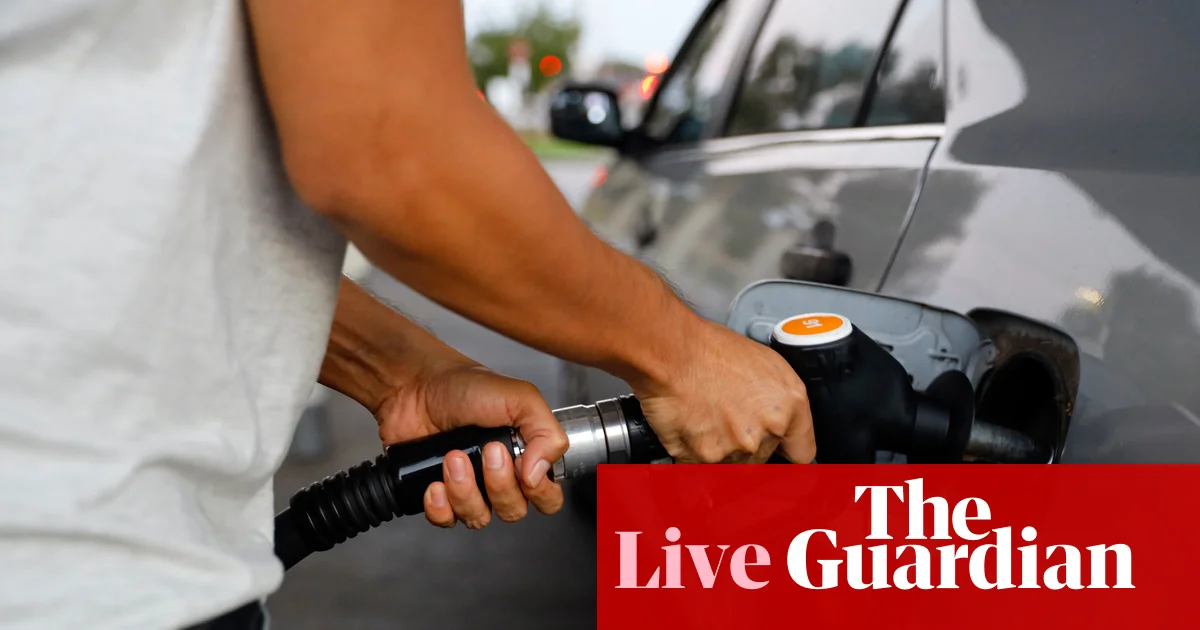
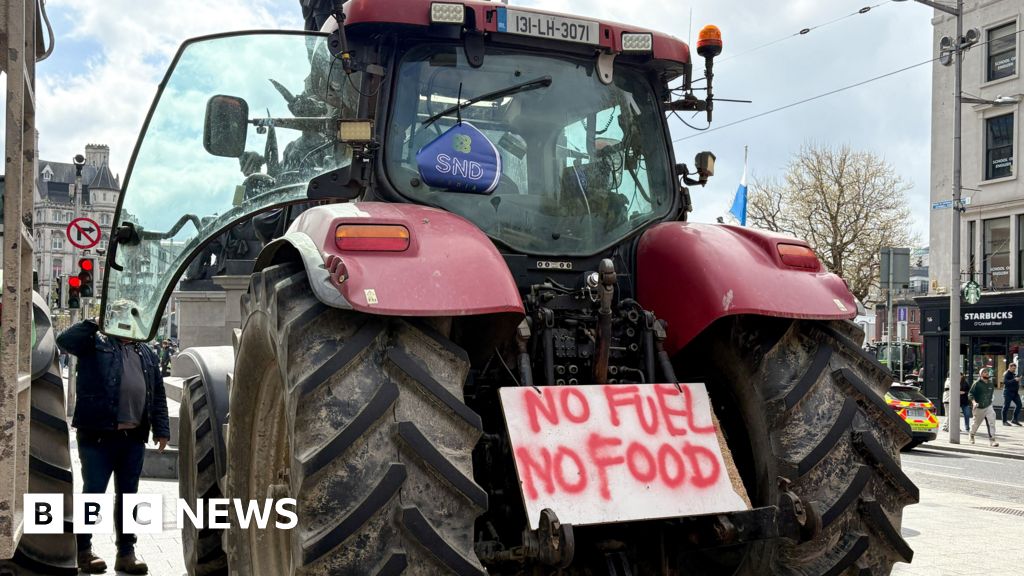
Irish police clear fuel protesters at oil refinery amid rising tensions

Recent demonstrations centered around rising costs have erupted across multiple regions, shedding light on the profound geopolitical impact of the escalating US-Israeli confrontation with Iran. As protests ripple through cities and highways, the broader consequences extend beyond mere discontent, signaling shifts in international stability and economic resilience. This unrest, driven significantly by economic pressures exacerbated by the ongoing conflict, reflects a society strained under the weight of war and the ripple effects of superpower diplomacy.

At the heart of recent upheaval are the sharp increases in fuel prices and commodities—an outcome of sanctions, tanker rerouting, and disrupted supply chains that have deepened economic vulnerabilities. Experts from the International Monetary Fund and geopolitical analysts argue that these economic disturbances are not isolated; instead, they are harbingers of a broader destabilization that could influence international alliances and power dynamics for years to come. Historian Dr. Jane Roberts warns that history teaches us conflict not only reshapes borders but also ripples through societal stability and civil order. The demonstrations highlight how local populations are affected by decisions made in distant capitals, underscoring the interconnectedness of modern geopolitics.

This surge in unrest coincides with heightened tensions between the United States, Israel, and Iran, where diplomatic efforts and military posturing are shaping a precarious global landscape. The recent military strikes and sanctions against Iran have sharply increased prices and supply uncertainties in global markets, fueling inflation and consumer distress. Countries across the Middle East and beyond face pressures to navigate these turbulent waters, with some analysts warning that any misstep could ignite a broader regional conflict. The United Nations warns that such instability undermines international peace efforts and feeds into anti-globalist sentiments worldwide.

Moreover, the geopolitical landscape is undergoing a profound transformation as alliances shift under the burden of war. Countries such as Russia remain watchful, evaluating how these conflicts open avenues for strategic gains or weaknesses. Decisions made now, including military support, sanctions, and diplomatic overtures, will reverberate long after the dust settles, shaping the post-war order and influence of global powers. International organizations, united in their pursuit of peace, continue to warn that escalation risks drawing a divided world into deeper chaos, with civilians caught in the crossfire.

As the protests continue to obstruct traffic and draw international attention, they serve as a stark reminder: the flow of history is unpredictable, yet often driven by moments of crisis. In the shadows of rising prices and unrest, the true test lies in whether nations can pursue stability amid upheaval or succumb to the chaos that war engenders. The world watches, holding its breath, as the tide of geopolitical currents carries us toward an uncertain future.
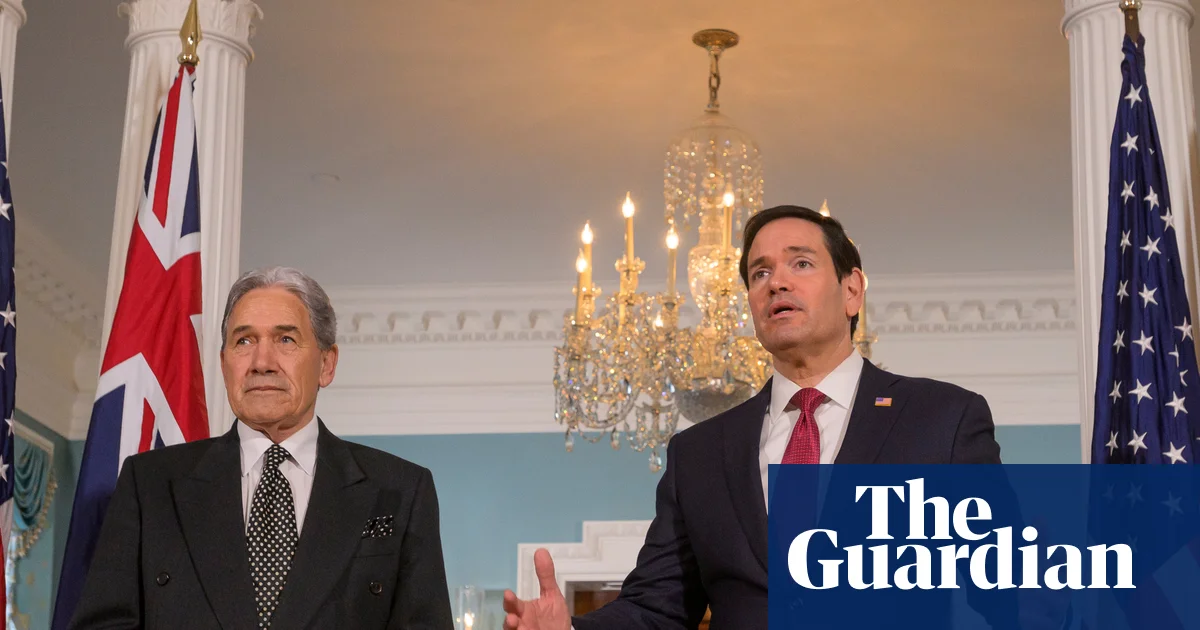

New Zealand Urges US for Fuel Tankers to Support Pacific Amid Iran Tensions

The escalating conflicts in the Middle East are exerting unprecedented pressure on regional economies, prompting a diplomatic response that could reshape the geopolitical landscape of the Pacific. New Zealand, a nation long regarded as a middle power with a cautious approach to international alliances, has called on the United States to deploy fuel tankers to alleviate the pressing fuel shortages impacting Pacific island nations. This development underscores a broader geopolitical shift, illustrating how small nations are now actively engaging with global superpowers to safeguard their economic futures amid turbulent times. Meanwhile, the US seeks to avoid escalation in Iran after diplomatic efforts led to a temporary ceasefire, reflecting how interconnected global security is becoming.

During a high-stakes meeting in Washington, Winston Peters, New Zealand’s foreign minister, explicitly highlighted how the war’s ripple effects threaten the stability of the entire Pacific region. He stressed that the war’s economic fallout is not confined to the Middle East but extends to Pacific nations heavily dependent on imported fuel.

  • The Pacific island nations, such as Samoa and Tonga, have already expressed their fears over potential fuel shortages, with leaders appealing for international assistance.
  • New Zealand has taken the initiative to lobby for emergency fuel supplies, requesting the US to prepare ancillary tankers—a move that could set a precedent for regional cooperation in crisis management.

Such requests expose the vulnerabilities of a region that, historically, has relied on external suppliers for critical resources. The geopolitical impact of this shift is profound; Washington’s response will not only influence regional stability but may also serve as a test of its commitment to its allies amidst an era of strategic retrenchment.

Adding further complexity, the recent diplomatic breakthrough between US and Iran, facilitated by Pakistan, demonstrates the delicate balance of global diplomacy. While a two-week ceasefire may suggest a temporary thaw, the implications reverberate far beyond the immediate conflict zone. Some analysts warn that such short-term measures mask deeper geopolitical rivalries and could reset the clock for renewed conflict, especially considering the US president’s overt threats against Iran—warnings pointedly dismissed by officials like Peters as reckless. This international subplot exemplifies the precariousness of current diplomacy: fragile agreements that could quickly unravel, dragging the Pacific and beyond into further instability.

As New Zealand and its Pacific neighbors brace for economic shocks, their reliance on external powers places them at a geopolitical crossroads. Countries in the Pacific are increasingly caught between major influences—be it the US, China, or regional actors—and must navigate this shifting terrain with adept diplomacy. The stakes are high: economic lifelines hinge on international cooperation, but the broader picture signals that the era of relative regional stability may be giving way to a new chapter of strategic contestation. History is still being written through these pivotal moments—each decision, each alliance, shaping the future of a region and the world at large, in ways that could echo for generations to come.

Australia News Live: Albanese Fights Fuel Crisis, Roberts-Smith Headed to Court

In a world witnessing seismic shifts in energy diplomacy and geopolitical alignments, Australia finds itself at a pivotal crossroads. Recent high-level discussions between Prime Minister Anthony Albanese and Chinese Premier Li Qiang reveal a cautious yet strategic approach to regional energy security amidst rising tensions and uncertain global markets. As regional and international power equations evolve, nations are recalibrating their alliances and resource dependencies with a mixture of diplomacy and assertiveness, recognizing that today’s decisions will echo through the corridors of history for decades to come.

The core of these diplomatic efforts centers on securing vital fuel supplies, with China playing a critical role as either partner or rival in the future energy landscape. The agreement to increase communication and cooperation on energy matters underscores a diplomatic acknowledgment that stability in fuel imports, particularly jet fuel, is fundamental to Australia’s economic resilience. However, international analysts, such as those from the International Energy Agency, warn that regional cooperation might be fragile, heavily impacted by the ongoing conflicts in the Middle East and escalating tensions with Iran. The ever-present risk of supply disruptions has prompted leaders like Albanese to prioritize diplomatic engagement, but the real question remains—how long can the fragile balance hold before geopolitics and competition threaten to unravel these fragile agreements?

Simultaneously, domestic political actors like Matt Canavan of Australia’s Nationals advocate for a more assertive, tariff-led economic revival. His proposals include reviving tariffs and closing borders to mass migration, emphasizing a nationalist, protectionist stance aimed at shielding Australia’s industries from global economic pressures. Such rhetoric taps into wider fears of economic encroachment, and even echoes echoes of America’s Trump-era policies. Historians and policy experts warn this path risks deepening international tensions and reintroducing economic nationalism as a primary tool of sovereignty. Yet, in an era of changing alliances, the decision to pursue such protectionism will profoundly influence how Australia positions itself within the broader Indo-Pacific arc of influence.

Moreover, the trial of Ben Roberts-Smith, Australia’s most decorated soldier, for alleged war crimes in Afghanistan, brings into focus the darker dimensions of military engagement and national identity. His courtroom appearance not only scrutinizes Australia’s military conduct but also raises questions about the toll of global conflicts and the responsibilities of modern states. International organizations and defense analysts warn that such debates have geopolitical repercussions, shaping perceptions of Australia’s global role. This ongoing saga reminds the world that history’s unfolding often bears scars—both visible and unseen—that influence foreign policy, domestic stability, and moral authority. As the legal proceedings unfold, the weight of history looms, echoing both the heroism and the moral ambiguities of a nation shaped by war and diplomacy alike.

In the broader canvas of world affairs, these intersecting developments reveal a landscape where strategic energy partnerships, nationalist policies, and military reckonings are interconnected strands of a complex geopolitical tapestry. As leaders and citizens grapple with the choices before them, they are writing a new chapter—one that may redefine alliances, resource control, and the moral fabric of nations. The future belongs to those who understand that in the theatre of history, every decision, every conflict, and every accord is a stroke on the vast canvas of human destiny—an unfolding story that demands vigilance, resilience, and a keen awareness of how the dynamics of today will shape the history of tomorrow.

Victorians Score Free Public Transport for a Month to Tackle Fuel Crisis

The recent decision by the Victoria government to make public transport free for a month highlights a significant national response to the ongoing international fuel crisis brought about by the war in the Middle East. The move, announced amidst soaring fuel prices and shortages, underscores how localized policies can reflect and attempt to mitigate global upheavals. The energy shock resulting from conflict in regions critical for oil production demonstrates the intense interconnectedness of geopolitics and domestic economies. Governments are now caught in a balancing act: managing immediate economic relief while addressing the broader, unsettling geopolitical realities that threaten energy security worldwide.

Analysts from prominent international organizations, including the International Energy Agency (IEA), warn that the recent disruptions are likely to have enduring repercussions. Historically, such conflicts have served as catalysts for energy market volatility, often leading to sustained price increases and supply chain vulnerabilities. The current situation casts a spotlight on the contentious matter of energy independence; many nations, especially in the West, are increasingly recognizing the imperative for diversified energy sources. Meanwhile, some geopolitical analysts suggest that these crises could accelerate shifts in alliances and strategic partnerships, as countries seek to secure reliable energy supplies amid political instability.

At the domestic level, the Australian government’s attempts to alleviate this crisis—such as offering free public transport—highlight a strategic acknowledgment of how economic hardship and geopolitical shifts influence societal stability. Despite the increased cost of petrol—upwards of $20 more weekly for many households—Australians are yet to markedly reduce driving, indicating a reliance on personal vehicles that complicates government efforts to curb fuel consumption. Such policies, while primarily aimed at easing the immediate burden, inevitably underscore the fragility of energy-dependent lifestyles and the pressing need for resilient infrastructure. Critics, however, argue that these measures are temporary palliatives that sidestep the deeper issue of energy independence—issues that, if left unaddressed, could threaten national security as dependence on unstable global suppliers grows.

As leaders and historians analyze the unfolding crisis, a somber truth remains: the conflicts reshaping the Middle East are no longer isolated events but pivotal moments in history with the potential to redraw the geopolitical landscape. The decisions made by governments today—whether to diversify energy sources, bolster strategic alliances, or implement social support measures—will resonate in the annals of history. As governments scramble to navigate this turbulent era, it becomes clear that the ripple effects of geopolitical upheaval extend well beyond borders, impacting every societal fabric from economic stability to personal mobility. The weight of history continues to unfold in real time, leaving future generations to judge whether current policymakers successfully steered through this turbulent epoch or allowed it to spiral into a new, uncertain world order.

Australia Politics Live: Labor dismisses fuel rationing talks; rejects $40 cap, says it's too soon for price controls
Australia Politics Live: Labor dismisses fuel rationing talks; rejects $40 cap, says it’s too soon for price controls

Unfolding Crises and Strategic Dilemmas: Australia’s Role on the Global Stage

In an era marked by turbulent geopolitical currents, Australia finds itself at a crucial crossroads amidst internal crises and external pressures. Recent developments reveal a nation grappling with economic vulnerability, security threats, and the daunting task of balancing national sovereignty with international commitments. While the Australian government publicly downplays the possibility of fuel rationing or drastic price caps, the underlying tensions expose the fragile state of the country’s supply chains and economic resilience. This unfolding scenario demands a careful evaluation of how decisions made today will echo through the corridors of global influence for generations to come.

Amid mounting concerns over fuel shortages and rising prices, Canberra has employed measures to bolster supply, including relaxing fuel standards and contemplating increased ethanol integration—a move supported by regional stakeholders like the NRMA. The government’s careful public stance—emphasizing that “it’s too soon to talk about rationing”—belies the mounting pressure from economic analysts who warn that persistent inflation, driven in part by regional conflicts such as the ongoing crisis in the Middle East, could cripple the economy if swift, strategic action is not taken. Critics argue that such measures are only postponing the inevitable, highlighting the urgent need for long-term energy independence.

Security Concerns and Domestic Instability

Security experts and international observers signal that **Australia’s internal stability is being tested by covert threats and ideological radicalization**. The recent thwarting of a terrorist attack at an Invasion Day rally—an incident revealing a homemade explosive device weighted with screws and ball bearings—has rekindled debates about national security strategies. *Tony Burke*, the home affairs minister, expressed a somber tone, noting that “we were incredibly lucky” that no harm was inflicted. Such incidents underscore that the threat matrix has fundamentally shifted, with radicalization increasingly occurring online rather than in traditional training camps.

World analysts like Dr. Lucinda Harris, a geopolitical security specialist, caution that Australia’s vulnerabilities are emblematic of a broader regional instability. As alliances are tested and the Middle East’s turmoil pushes oil prices upward, **the country’s internal security and social fabric face compounded stress**, threatening to erode public confidence. These developments are casting a shadow on Australia’s international reputation—raising profound questions about how sovereignty can be safeguarded in an interconnected, risky world.

Trade, Energy, and Divergent Visions for the Future

The recent agreement to deepen trade relations with the European Union—dubbed a “win-win” by *Trade Minister Don Farrell*—epitomizes Australia’s attempt to diversify its economic partnerships. Yet, critics argue the deal primarily favors European markets, leaving Australian producers and regional industries vulnerable to the volatile energy landscape. Notably, support for the Australian Tomago aluminium smelter—a critical node in regional economic stability—receives a lifeline through a $2bn taxpayer subsidy aimed at maintaining its viability into the future. Such investments are strategic, seeking to protect key industries from the unpredictable winds of international geopolitics.

Internationally, Australia’s stance on energy independence and resource development remains ambiguous. While publicly dismissing ideas like a $40 fuel cap, the government quietly considers broad reforms—ranging from tax concessions to windfall gas levies—that seek to balance fiscal responsibility with regional growth. Historical analysts like Dr. Robert Gibbs warn that “oscillating between resilience and reform shapes a nation’s geopolitical destiny”. As regional powers and traditional allies reconsider their commitments, Australia’s ability to chart a stable course amidst tumult will ultimately determine its future role on the world stage.

Conclusion: The Weaving Tapestry of History

As the wheels of history continue to turn, the choices of today carve the contours of tomorrow’s global landscape. Australia’s internal battles—fuel shortages, security fears, economic reforms—are a mirror for the complex, interconnected chessboard on which global power is contested. With each policy decision, the nation writes a new chapter in its story, a narrative shaped by resilience, caution, and the relentless pursuit of sovereignty amidst the shadows of rising regional and global conflicts. This is not merely a tale of national survival but an epic saga of a country striving to forge its destiny amid the thunderous march of history’s relentless advance.

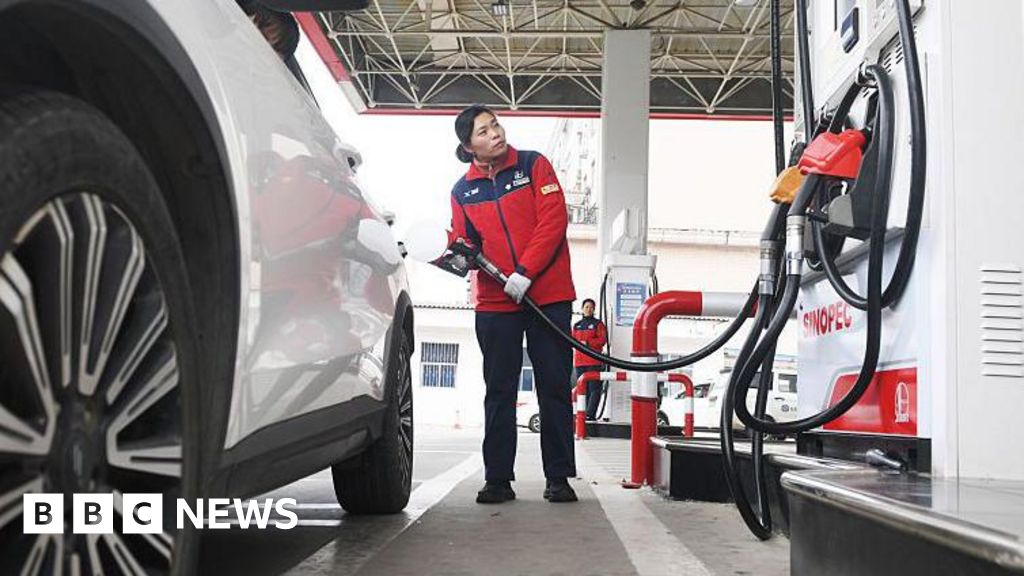
China eases fuel price hikes to lighten drivers’ load

Global Tensions Rise as Countries Confront Soaring Fuel Prices

In the midst of escalating global energy prices, nations worldwide find themselves at a critical juncture, grappling with economic stability and geopolitical stability. Fuel costs have surged dramatically, driven by a complex mix of international supply chain disruptions, geopolitical tensions, and shifts in global energy markets. As a result, many governments are implementing a variety of measures—ranging from domestic policy adjustments to strategic diplomatic maneuvers—in an effort to shield their populations from the economic fallout. This volatile environment underscores the fragile interconnectedness of global economies and signals a potential redefinition of geopolitical alliances.

Across the European Union, many member states are under mounting pressure to support their energy sectors amidst these turbulent prices. Some have accelerated plans to diversify away from Russian energy, while others face internal discord over subsidy schemes and strategic reserves. The crisis has reignited debates among analysts about the sustainability of current energy dependencies. The United States has responded with strategic petroleum reserves release and increased domestic oil production, aiming to stabilize its market. Yet, experts warn that these measures are only temporary fixes in a broader struggle for energy sovereignty. The International Energy Agency (IEA) has issued a stark warning: without significant structural reforms and diversification, global economies could face prolonged economic pain, especially in energy-dependent sectors.

Meanwhile, Russia and OPEC-aligned nations hold a pivotal influence on global supplies, and their decisions continue to ripple across markets. The recent decision by OPEC+ to modestly cut production quotas has triggered renewed fears of supply shortages, exacerbating inflationary pressures around the world. Leading geopolitical analysts underline that such moves are less about market economics and more about signaling power struggles amid shifting alliances. These developments risk inflaming tensions with Western powers, which view the cuts as a strategic attempt to leverage energy resources for geopolitical advantage. The repercussions of these actions are felt not only in stock exchanges and energy markets but also in the diplomatic corridors of major capitals, as debates intensify over energy independence and security.

The geopolitical shift is not merely an economic issue but also a profound societal challenge. Countries are forced to make difficult choices—cutting subsidies, rationing fuel, or seeking new alliances—to cope with the crisis. These measures carry long-term consequences, potentially reshaping regional power dynamics and internal political stability. Historians and geopolitical analysts warn that this turbulence could accelerate the decline of certain traditional energy-dependent alliances and herald the rise of new blocs committed to energy sovereignty. The International Crisis Group emphasizes that failure to address these core issues could lead to instability, unrest, and even conflicts over resources. As nations scramble to secure their futures, the global stage seems poised for an uncertain transformation, where the decisions made today could echo through history.

The ongoing saga of energy geopolitics is a stark reminder that history continues to be written in moments of crisis. The decisions taken now—whether to push for independence from unreliable suppliers, bolster domestic industries, or reshape international treaties—will determine the course of the future. The world watches as powers assert their influence amidst rapidly changing circumstances, and the weight of their choices hangs heavy in the balance. As the geopolitical landscape shifts once again, humanity must confront the daunting realities of a new energy era—one where the echoes of these decisions will resonate long into the future, shaping the course of history on a scale unprecedented in recent memory.

Breaking: Bowen confirms Aussie fuel reserves rise despite canceled imports; missing Japanese tourist, 81, found alive in Tasmania—Australia news

In a strategic sea of turmoil, Australia finds itself navigating complex international waters that extend well beyond its shores. Recent reports reveal that since the outbreak of hostilities involving Iran, six out of the 81 ships ferrying fuel to the island nation have been canceled, reflecting an unsettling shift in global supply chains. Australia’s energy Minister, Chris Bowen, acknowledged the delicate nature of this situation, emphasizing that while shipments have continued, some have been diverted or canceled amid the ongoing conflict. Such international disruptions exemplify how conflicts in the Middle East ripple across the globe, directly impacting nations like Australia—a country heavily dependent on imported energy sources. Analysts warn that this could further destabilize already strained fuel markets, forcing Australia to reconsider its long-held energy security strategies.

  • Since the start of maritime disruptions, Australia has seen a marked increase in its fuel reserve, now securing a 38-day supply of petrol and 30 days of diesel and jet fuel, bolstering national resilience in uncertain times.
  • However, these efforts are under pressure, as Bowen concedes that some foreign oil exporters, primarily from Asia, are prioritizing their own needs, potentially limiting exports to Australia amidst rising global tensions.
  • The International Energy Agency has labelled this crisis as “the largest supply disruption in the history of the global oil market,” underscoring the severity and international scale of the problem.

The impact of these decisions extends far beyond fuel supplies, touching on the core of geopolitical stability and how nations respond to international conflicts. Fortified reserves and contingency planning are crucial, yet analysts caution that Australia’s reliance on foreign energy sources exposes it to vulnerability. While China and other regional powers may attempt to capitalize on the chaos, Australia seeks to strengthen local energy infrastructure, exemplified by the recent opening of Goulburn’s pioneering community-owned solar farm and battery—an emblem of resilience against global uncertainties.

International organizations and seasoned geopolitical analysts warn that the role of global supply chains in regional stability cannot be overstated. As the world faces this new era of resource scarcity, Australia’s strategic choices—such as increasing fuel reserves and promoting local renewable initiatives—become critical. Yet, the specter of international collusion, supply cuts, and escalating conflicts in the Middle East remains a stark warning that the geopolitical landscape continues to shift rapidly. In this unfolding story, the decisions made today will resonate through history, shaping the fabric of the region and the world itself in ways that could last for generations.

Unlock Your Best Night: 12 Essential Products That Rejuvenate Our Sleep and Fuel Our Day

In today’s fast-paced, youth-driven culture, transforming our relationship with sleep is becoming a defining lifestyle shift. More than just a biological necessity, sleep now embodies the pursuit of _wellness_, _productivity_, and _personal optimization_. These days, consumers are meticulously curating their sleeping environments with an awareness rooted in science, wellness experts’ insights, and a desire for rejuvenation that fuels their daily lives. From innovative sleep masks to the plushest pillows, the sleep industry is experiencing an awakening of its own—transforming bedrooms into sanctuaries for the health-conscious and adventure-seekers alike.

The surge in sleep tech and lifestyle products is backed by a growing body of focused research from authorities like Dr. Michael Breus and wellness advocates such as Arianna Huffington, emphasizing the *crucial link between quality sleep and overall vitality*. Celebrities and influencers, inspired by the holistic health movement, are showcasing their nightly routines, often highlighting personalized strategies—from white noise machines to adjustable pillows—that deepen the personal impact of rest on health, leisure, and inspiration. These shifts signal that our nightly ritual is no longer purely functional but an expression of self-care, identity, and a desire to maximize mental resilience amid the chaos of modern life.

Sleep gear our writers rely on

Passionate about transforming their sleep, many lifestyle writers are turning to the latest innovations. Loop Dream earplugs, for example, have garnered recognition for helping insomniacs overcome environmental noise. Elizabeth Brownfield, a travel and lifestyle writer, shares, _”When noise and jet lag threaten to ruin my night, these earplugs are my saving grace—allowing me to sleep undisturbed regardless of my surroundings.”_ Pricey for earplugs, yet their value is immeasurable for those who prioritize quality rest. Similarly, the Loop Dream Earplugs have become a staple in curated bedtime routines.

Further enhancing personal comfort, the Nest Easy Breather Pillow elegantly marries plush support with sleek design. Its lightweight linen fabric and adjustable loft exemplify the rise of _lifestyle-specific_ bedding that aligns with the desire for _monthly renewal_ of comfort. For those battling noise or cold, devices like the Kipcush White Noise Machine or the Renpho Fabric Heating Pad are natural allies in creating personalized cozy zones—highlighting an understanding that wellness extends beyond mere sleep to encompass holistic comfort adjustments.

Wellness innovations shaping the sleep lifestyle

The pace of life demands adaptable tools—like the Soco Hoodie, a giant, cozy wearable blanket that doubles as both apparel and comfort. For tech aficionados, the Yoto Player (3rd Generation) offers auditory relaxation through curated stories that help transition young or insomniac listeners into restful states, illustrating how *lifestyle technology* now supports both relaxation and mental wellness in bed time routines.

As we redefine our approaches to wellness, the collective shift towards *_personalized, multi-sensorial sleep environments_* exemplifies our broader cultural embrace of _self-optimization_—because genuine relaxation is a strategic investment in health, leisure, and the pursuit of inspiration. This lifestyle isn’t just about sleeping better; it’s a vivid reminder that, in a dynamic world, refinement of our personal sanctuary can serve as a catalyst for transformation, resilience, and ultimately, the full embrace of life itself.

In the end, choosing a lifestyle rooted in wellness and comfort underscores a profound truth: _the journey to embracing our best selves begins with a single, restful night._

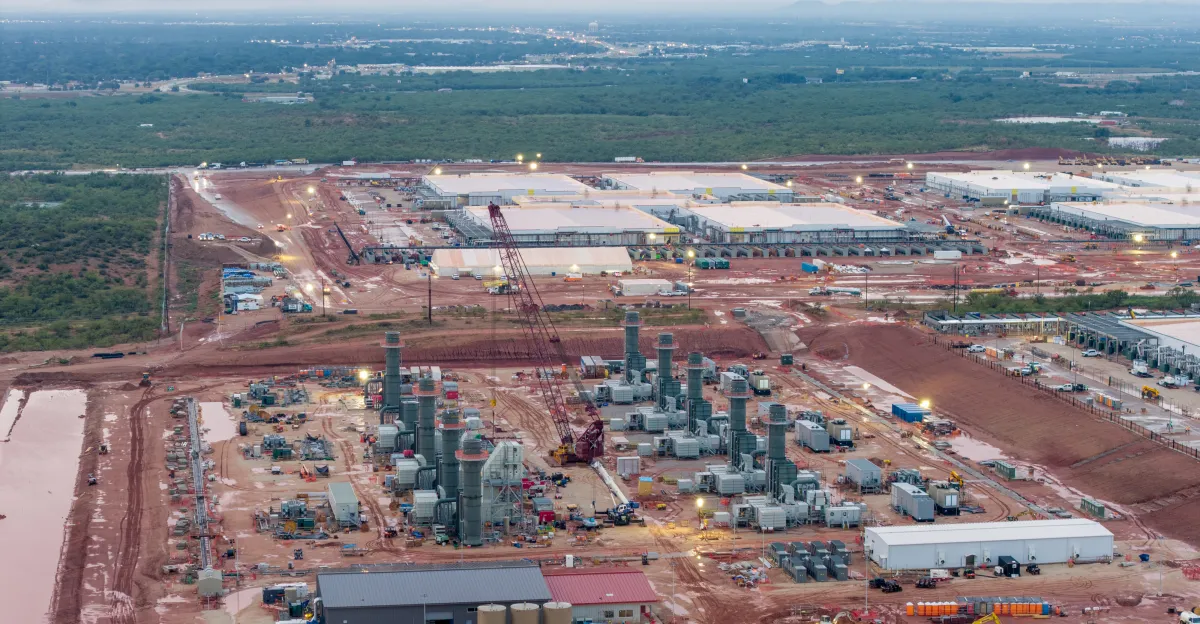
Data centers fuel a new era for gas—powering the future of innovation

US Catalyzes Global Expansion of Gas Power Infrastructure Amid Data Center Boom

In a move signaling disruption across the energy sector, gas-fired power generation is experiencing a historic surge, with the United States at the forefront of this transition. According to a recent analysis by Global Energy Monitor (GEM), global gas power capacity expanded by 31% in 2025, marking the fastest growth rate since the early 2000s. Notably, nearly a quarter of this new capacity is under development in the US, surpassing China, traditionally the largest energy consumer. This boom is primarily driven by the soaring energy demands from data centers, which are rapidly becoming the backbone of digital economy infrastructure.

The business implications of this shift are profound, as tech giants and energy investors rush to meet data center capacity, fueling a market pivot toward natural gas. More than 33% of the capacity increase in the US is explicitly allocated for powering these data hubs, reflecting the sector’s strategic importance. Industry experts highlight that innovation in energy technology is enabling this transition, yet concerns remain over the environmental costs. The push for additional gas capacity also marks a significant disruption in traditional energy hierarchies, challenging the long-term push toward renewables. While lower costs and lower pollution when burning gas compared to coal make it attractive in the short term, the environmental trade-offs are alarming. Gas production releases methane—a greenhouse gas more potent than carbon dioxide—raising questions about the sustainability of these developments.

Leading analysts warn that the **lock-in of new gas plant capacity could pose stranded asset risks**, especially if anticipated electricity demand from AI-driven industries fails to materialize. Jenny Martos of GEM highlighted, “There is a risk that this capacity could become stranded assets if future demand from AI and data-intensive applications does not meet expectations,” emphasizing the potential for market disruption and long-term misallocation of capital. Already, 2026 is projected to be a record-breaking year for gas capacity additions, possibly surpassing the growth seen during the shale gas revolution of the 2000s. This would represent a remarkable disruption of the clean energy narrative, as the industry faces the dual challenges of economic viability and environmental responsibility.

The broader business implications are clear: disruption is accelerating as technology-driven energy demands reshape the conventional power landscape. Industry leaders like Elon Musk and Peter Thiel underscore that rapid innovation and strategic investments in infrastructure are crucial if nations aim to stay competitive. Meanwhile, policy makers confront the pressing need to balance economic growth with climate commitments, especially as methane emissions from natural gas production threaten to undermine global climate goals. The next decade will be pivotal, as the energy sector faces a fork in the road: continue along the path of short-term cost savings and risk locking in emissions, or pivot decisively toward sustainable energy solutions that leverage innovation without compromising the planet’s future.

For youth and entrepreneurs eyeing the future, this surge signals a landscape riddled with opportunities, risks, and obligations. Innovators in clean tech, storage solutions, and AI-driven efficiency are poised to challenge traditional energy giants. Disruption is inevitable, and those who act swiftly will shape the trajectory of global power markets. The urgency is unmistakable: the window to redefine energy infrastructure before climate thresholds are crossed is closing rapidly. As geopolitical and economic tensions mount, the push for innovation in energy becomes not just a business imperative, but a mission vital to the future of civilization itself.

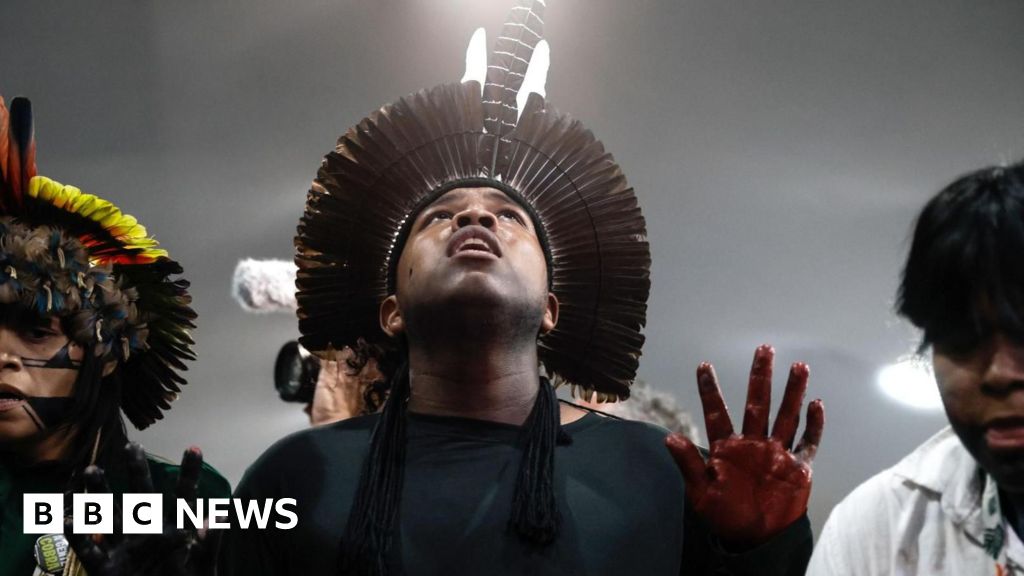
UN Climate Talks Fail to Deliver New Fossil Fuel Commitments

Global Climate Diplomacy Faces Standoff at COP30 in Belém

As the United Nations Climate Summit COP30 wrapped up in Belém, Brazil, a palpable sense of frustration and disillusionment echoed across the international community. Despite weeks of tense negotiations, the final deal—dubbed the Mutirão—failed to include a direct reference to the core issue gripping sky-high global temperatures: the reliance on fossil fuels. This outcome underscores a deepening divide between developed nations and oil-producing countries, revealing the entrenched interests that threaten serious climate action.

The summit, taking place amid a backdrop of chaotic protests, devastating weather, and even a fire in the venue, was marked by a struggle of ideals and power. Over 80 countries, including the UK and sweeping European Union, had sought commitments to accelerate reductions in oil, coal, and gas use. However, the fierce resistance from OPEC nations like Saudi Arabia and major fossil fuel exporters meant that those calls were ultimately sidestepped. A clear shift in diplomatic tone became evident: the large oil-producing nations insist on their “sovereign right” to exploit fossil fuel reserves, branding such pursuits as essential for their economic growth. This stance has sparked intense scrutiny from historians and analysts, many warning that these fixed positions threaten the very fabric of future international climate policies.

Notably, the absence of a delegation from the United States—after President Trump’s declaration to withdraw from the Paris Agreement—symbolized a troubling trend of American retreat. While many nations, like India, praised the outcome as “meaningful,” the global effort to limit warming to 1.5°C remains elusive. The UN itself expressed concern that current trajectories jeopardize this target, highlighting that global efforts are “failing.” Meanwhile, representatives of poorer nations, especially small island states, emphasized that the final agreement’s promises to bolster climate finance—like the newly established Tropical Forests Forever Facility—are crucial for their survival. The geopolitical impact of this exchange is clear: the world’s poorest are demanding recognition and assistance, yet the divisions over fossil fuel exploitation threaten to deepen inequalities.

The Belém summit was plagued not only by diplomatic stalemates but also by logistical chaos—outdated infrastructure, weather disruptions, and even security breaches temporarily overshadowed the proceedings. As the summit drew to a close, a common thread emerged: nations are increasingly driven by self-interest rather than collective action. While countries like India advocate for “meaningful” progress, and a coalition of small island states push for urgent deforestation action, the larger geopolitical chess game continues. The global community stands at a crossroads—an inflection point where the choice to forge a sustainable, equitable future or succumb to the entrenched interests of fossil fuel dominance will define a new chapter of history. The weight of these decisions echoes loudly, leaving us all to wonder: will this be the moment that global climate action finally takes root, or are we merely witnessing a prolongation of the same deadly game, with the planet paying the highest price?

Social Media Auto Publish Powered By : XYZScripts.com