Matox News

Truth Over Trends, always!

Billions in SEND funding to boost school inclusivity, government vows to fairer future

Government Initiatives Spark Debate Over Support for Children with Special Educational Needs

In a move that signals profound shifts in the landscape of education and social services, the government has announced sweeping reforms aimed at reshaping how children with special educational needs (SEN) receive support. These changes come amid vocal concerns from educators, families, and advocacy groups about the effectiveness and fairness of the current system, which many argue has left vulnerable students behind and strained communities at their breaking point.

The core of the reform efforts involves restructuring the support frameworks within local authorities and educational institutions. Critics fear that the decentralization plan might lead to inconsistency, with some regions potentially lacking the resources or expertise to adequately meet these children’s needs. As social commentators often point out, such shifts risk creating a fragmented system where families are left navigating complex bureaucratic hurdles, often feeling disempowered or misunderstood. This social upheaval underscores a persistent tension: how to balance equitable access to tailored education while managing limited resources within a decentralized framework.

The societal implications extend beyond the classroom, affecting families, communities, and the broader social fabric. When children with SEN are not supported properly, families experience heightened stress, financial strain, and emotional fatigue. These issues ripple outward, altering community dynamics and impacting local cohesion. Sociological insights, such as those from Dr. Emily Rodriguez, emphasize that *”access to quality support for vulnerable children is intertwined with societal resilience”* — a sentiment that underscores wider concerns about social equity and moral responsibility.

Furthermore, this reform initiative reveals underlying demographic shifts and cultural tensions that challenge the status quo. As historian Mark Lawson points out, societies that neglect their most vulnerable members risk risking societal fragmentation, where exclusion and inequality foster social divides. The proposed reforms aim to modernize and streamline the support system, but critics warn of a potential decline in inclusive education if implementations fall short. To address this, authorities propose targeted

  • training programs for educators
  • greater parental involvement
  • investment in community-based resources

, seeking to bridge gaps and foster a society where no child is marginalized.

As communities stand at this crossroads, questions about societal values and priorities loom large. It is a poignant reminder that the future of our neighborhoods depends on the moral choices we make today. Will these reforms create a cohesive society that upholds the dignity of every child, or will they deepen social divides? The challenge lies not only in implementing policy but in nurturing a collective conscience committed to building an inclusive society where every family can hope and every child can thrive. In the end, society’s resilience will be measured by its capacity to embrace its most vulnerable, transforming hope into tangible change, and fostering a future where unity and compassion prevail over neglect and indifference.

Council Leader Charges Local Authority Used ‘Bullying’ Tactics to Delay Elections for More Funding and Power | Local Elections

The recent turmoil within UK local governance has ignited a fierce debate about the limits of government authority, transparency, and the future of devolution initiatives. At the heart of this controversy lies Norfolk, where council leader Kay Mason Billig has publicly accused the UK government of “bullying” her authority into postponing elections in exchange for promises of additional funding and devolved powers. Her adamant withdrawal from the longstanding devolution plans signals a growing mistrust among local leaders regarding the national government’s role in regional autonomy, exposing underlying tensions that threaten to undermine a key component of the government’s decentralization agenda.

Billig’s stance follows the government’s abrupt reversal on plans to postpone local elections—initially scheduled across 30 councils—after persistent legal challenges by reform-minded parties such as Reform UK. This flip-flop has created chaos at a pivotal moment: officials now confront the daunting task of organizing ballots within an unexpectedly compressed timeframe, casting doubt on the very future of the largest local government restructuring in five decades. Historians and political analysts warn that such indecisiveness not only destabilizes local governance but also damages the credibility of Westminster’s broader decentralization efforts, risking a disillusionment that could resonate across the UK’s political landscape.

The broader geopolitical impact of this internal crisis extends beyond immediate administrative chaos. Britain’s experiment with devolution and local reform is often viewed as a key case study for other nations balancing central authority and regional independence. Critics argue that the government’s interventions, perceived as heavy-handed, undermine the very local democracy they seek to empower. As some council leaders like Daniel Elmer question the promised benefits—especially the purported financial and administrative efficiencies—concerns grow about whether UK policymakers truly understand the societal fabric they’re attempting to reshape. The implications are profound: should such reforms falter under internal dissent, it could send a destabilizing message to allies and adversaries alike about the UK’s capacity to manage its political evolution domestically.

International observers, including think tanks and global governance experts, highlight how internal political discord over devolution reflects a broader international trend: the delicate balancing act of decentralization amid the competing interests of central governments and local communities. As London faces mounting criticism from opposition factions and civil society, the question arises: will Britain sustain its devolved framework or revert to more centralized control? With key figures like Nigel Farage calling for accountability and demanding leadership accountability, and others defending the government’s stance as an adherence to the rule of law, the struggle embodies a fundamental challenge—how to uphold democratic decentralization without risking chaos or loss of cohesion.

Ultimately, the unfolding narrative in Britain underscores a pivotal moment in history—where decisions made in the corridors of Westminster could define the future structure of a nation, or perhaps, herald a period of profound internal realignment. As the dust settles on this political tempest, one thing remains clear: the fate of local governance, much like the tides of international diplomacy, is often dictated not by the calm of consensus but by the tumultuous forces of conflicting interests. The pages of history continue to turn, each chapter revealing new struggles, new compromises, and the unyielding march of time—reminding all that even in times of apparent chaos, the world watches and waits for the next move that could shift the course of nations forever.

DHS Officials Confront Lawmakers Over Immigration Funding Deadlock — Live Update

The unfolding news from Washington D.C. underscores a pivotal moment in American and international geopolitics, marked by internal turmoil, high-stakes negotiations, and escalating conflicts over immigration policies. As President Donald Trump faces scrutiny and opposition over aggressive immigration enforcement and recent deadly incidents involving federal agents, the U.S. Congress remains deeply divided on how to proceed with funding for Homeland Security and managing the chaos at the border. This domestic gridlock and upheaval are sending ripples across the global stage, with regional alliances and trade relations hanging in the balance.

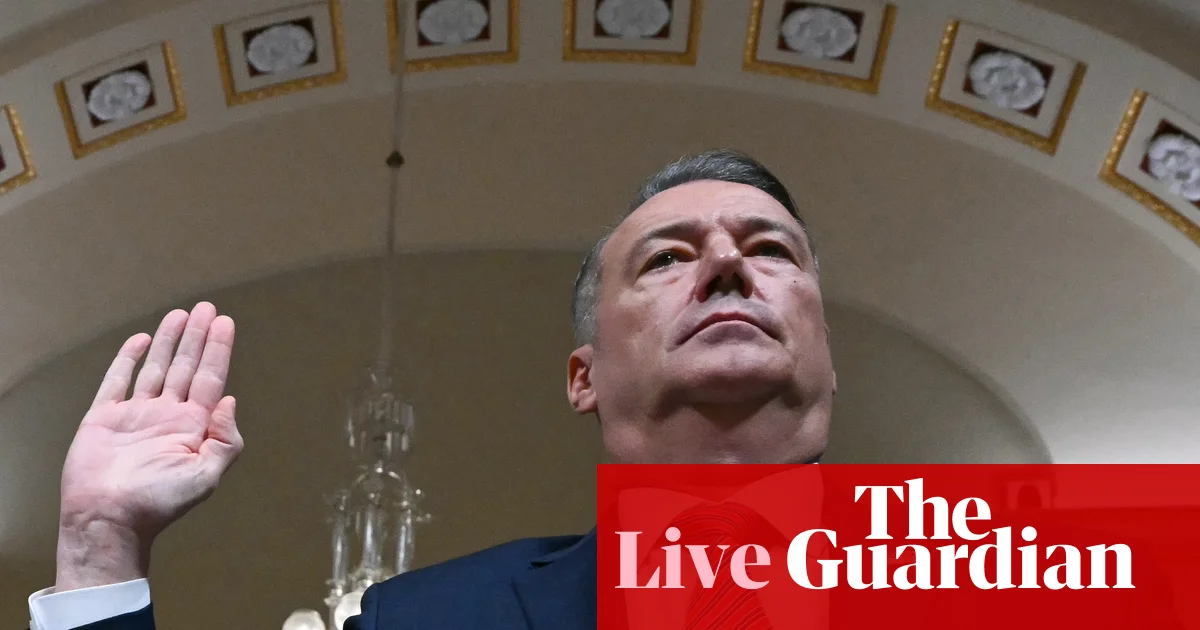
The recent testimony by top officials from ICE, CBP, and USCIS before Congress reveals a Department engulfed in crisis. Acting ICE Director Todd Lyons boldly declared that agents are facing “the deadliest operating environment in agency history,” citing unprecedented border crises fueled by policies from the previous administration. Meanwhile, congressional hearings highlighted disturbing accusations of excessive force and lack of accountability, with calls from Democrats for immediate leadership changes. These internal conflicts—alongside revelations of misconduct, such as the pepper spraying of civilians including children—are fueling fears of a wider erosion of trust in U.S. law enforcement and governance.

Simultaneously, the administration’s ongoing negotiations over DHS funding expose a broader struggle for control and authority. With funding set to lapse on February 13th, bipartisan efforts to resolve the deadlock are stymied by fundamental disagreements over immigration enforcement, transparency, and oversight. The GOP insists on measures like expanded vetting and restrictions on protests, whereas Democrats demand reforms to curb abuses and restore public confidence. As analysts warn that a government shutdown would weaken national security, the geopolitical fallout becomes increasingly evident—not just as an internal American matter but as a challenge to U.S. credibility on the world stage.

Adding an international dimension, President Trump’s recent aggressive rhetoric against Canada—threatening to block a vital bridge and falsely claiming that trade with China would include a ban on ice hockey—illustrates his unpredictable approach to diplomatic relations. Formerly a supporter of the Gordie Howe International Bridge, Trump’s threats threaten to disrupt a critically important economic link between the two North American neighbors, jeopardizing regional stability and economic cooperation. Experts at the International Institute for Strategic Studies warn that such provocative tactics risk reigniting old tensions and undermining longstanding alliances. As the geopolitical weight of the U.S. shifts inward amid political chaos, allies and adversaries alike are recalibrating their strategies, watching with cautious suspicion as America’s internal divisions threaten to spill over into global influence.

Historians warn that moments like these—marked by internal disputes, public unrest, and foreign policy unpredictability—are often when nations’ fates are truly decided. Whether the U.S. can address its core issues of accountability and reform will determine not only its future stability but also its standing among the free nations of the world. As the weight of history presses down, the unfolding drama in Washington promises one thing: the next chapter in America’s story is still being written, and the outcome remains painful, uncertain, and profoundly consequential for the arc of global power.

MPs push to boost and defend special needs funding in schools

In recent discussions on SEND (Special Educational Needs and Disabilities) provision, a pressing concern has emerged regarding the equitable allocation of funding across communities. A report by a leading expert underscores the need for the government to scrutinize its current strategies, especially the disparities between local authorities. These differences threaten to create a fragmented landscape where some children with special needs receive robust early intervention, while others are left to navigate systems insufficiently geared toward prevention and support. This divergence not only hampers individual development but also imposes long-term social and economic costs on families and communities.

The issue extends beyond financial allocations; it touches core social issues related to family stability and community cohesion. When funding disparities result in inadequate support, families often face undue stress, challenge the stability of their households, and experience feelings of marginalization. Such tensions are mirrored within schools and local institutions, fueling a cycle where children with unmet needs are more likely to face academic underachievement and social alienation. Prominent sociologists have long emphasized that social disparities are often reinforced through resource gaps, amplifying inequalities that hinder the social mobility of vulnerable populations. Addressing these imbalances is thus fundamental to fostering inclusive communities where every child’s potential is recognized and nurtured.

Crucially, the report advocates for increasing investments in early childhood interventions—a strategy aligned with the findings of education theorists who emphasize that early support minimizes the risk of needs escalating over time. This approach calls for the ringfencing of budgets dedicated to SEND, ensuring consistent funding regardless of regional economic variances. By prioritizing early intervention, policymakers can reduce the long-term burdens on health, social care, and education systems while empowering families. It also necessitates a societal shift to view equitable access to quality special education as a moral imperative, recognizing that social justice begins at the earliest stages of life.

  • Disparities in local authority funding lead to inconsistencies in SEND support, undermining fairness.
  • Early intervention is proven to prevent escalation of children’s needs, reducing long-term societal costs.
  • Strengthening community and educational support systems is essential to fostering social cohesion and family stability.
  • Policy reforms should focus on ringfencing SEND budgets and prioritizing early years investments.
  • Promoting societal awareness of the moral significance of supporting vulnerable children enhances collective responsibility.

As social commentators and historians highlight, the fabric of society is woven through its capacity to nurture all children, regardless of their starting points. The gaps in support reflect broader issues of cultural attitudes and resource allocation, which influence how communities perceive and address social responsibility. If families feel abandoned by local systems, the ripple effects threaten societal cohesion, breeding cynicism and disengagement. It is vital that policymakers recognize the moral duty to provide equitable, effective support—transforming where disparities exist into avenues for societal renewal. Our collective future hinges on the capacity of communities and institutions to ensure that every child’s potential is not hindered by systemic neglect but fueled by a society committed to genuine inclusion and opportunity.

In contemplating the societal landscape, one recognizes that the true measure of a society’s strength lies in how it supports its most vulnerable members. Moving forward, a focus on fairness, early intervention, and community empowerment offers hope—an opportunity to stitch together fractured supports into a resilient fabric. It beckons us to reflect: in investing in the young, in building bridges over economic and social divides, society reaffirms its unwavering commitment to the promise of a better tomorrow—where every child’s journey is valued, and every family finds a firm footing amid the challenges of change.

US Congress Cuts $125M Funding to Replace Lead Pipes, Spark Outrage Among Youth

US Congress’ Funding Cuts Reflect Broader Political and Geopolitical Shifts

The recent decision by the US Congress to cut $125 million from the funding designated for replacing toxic lead drinking water pipes underscores a significant shift in domestic priorities amidst escalating international tensions. This cut, part of the broader government funding legislation, targets states like Michigan, Illinois, Texas, and New York, regions grappling with hazardous lead contamination—an issue that has direct ramifications on public health and social stability. Despite bipartisan support in 2021 for the removal of lead pipes, Republican leadership on key committees redirected these resources toward wildfire prevention, a move criticized by Democrats and health advocates alike. Such political maneuvering reflects not only the internal polarization within the United States but also demonstrates how American policy is increasingly driven by short-term political gains at the expense of foundational public health concerns.

Implications for Global and Domestic Geopolitics

Analysts emphasize that decision-making at the US federal level has repercussions beyond its borders. The suspension or reduction of funding for infrastructure projects like lead pipe replacement weakens America’s credibility on the global stage, especially as it champions itself as a leader in promoting sustainable and health-oriented development. As international organizations such as the World Health Organization warn about the deadly effects of lead exposure—citing evidence that it lowers IQ, stunts development, and increases cardiovascular risks—the US government’s reluctance to prioritize such issues invites criticism from allies and adversaries alike. This domestic shuffle in policy emphasizes a broader geopolitical narrative—one where the US is seen as retreating from its moral commitments to public health and infrastructure that underpin national stability.

Impact on Societies and the Global Balance

  • The decrease in funding threatens to stall efforts to replace an estimated nine million lead service lines, risking long-term health crises in vulnerable communities. Children in cities like Chicago suffer disproportionate exposure, with less than 4% of their lead pipes replaced despite the staggering need for over $3 billion in investments.
  • This underfunding not only endangers individual lives but also signals a troubling shift in priorities—one that could undermine the social fabric of American society, especially among marginalized populations.
  • Internationally, the US’s diminished commitment to public health initiatives could influence other nations’ approaches to infrastructure and environmental protection, potentially emboldening authoritarian regimes that deprioritize such issues in favor of consolidating power or military expansion.

Throughout the years, historians and global analysts have warned that neglecting investments in basic infrastructure—like clean water—can lead to sociodemographic destabilization, fueling unrest and eroding the moral authority of nations claiming leadership. The EPA has estimated that failing to replace lead lines results in hundreds of premature deaths annually and countless cases of developmental harm to children, a toll that resonates beyond America’s borders as a cautionary tale. This culture of neglect, justified by short-sighted fiscal calculations, risks erasing decades of progress and leaves future generations to grapple with its fallout.

As the world watches, the US faces a pivotal moment—its decisions on domestic policy echo loudly in the corridors of international power. With history’s pen poised over this unfolding chapter, the question remains: will leadership choose to forge a resilient future or succumb to the temptations of political expediency? The weight of history is heavy, and the headlines yet to be written hold the destiny of millions—and the geopolitical landscape they inhabit—within their grasp.

Waymo gears up for $16B boost in major funding round

In a remarkable demonstration of disruption and innovation, Waymo, the pioneer in autonomous vehicle technology, is on the verge of closing a colossal $16 billion funding round, which positions the company at an impressive $110 billion valuation. Backed heavily by Alphabet, the parent company of Google, this funding underscores the strategic importance of AI-powered mobility as a critical frontier for tech giants vying for dominance in the future of transportation. With significant investment from venture powerhouses like Sequoia Capital, Dragoneer, and DST Global, Waymo is clearly positioned not just as a leader but as an industry disruptor set to redefine urban mobility.

This influx of capital signifies more than just financial backing; it reflects confidence in autonomous vehicle technology as a game-changing force. The company’s rapid expansion, exemplified by its recent launch in Miami, marks a strategic pivot to urban environments where demand for safe and reliable autonomous taxis is surging. However, technological hurdles remain, as the company has faced setbacks—such as instances of robotaxis stalling during significant blackouts—highlighting the challenges inherent in scaling next-gen transport systems for real-world urban settings.

  • High-growth trajectory with over 20 million trips completed
  • Existing annual recurring revenue exceeding $350 million
  • Recent Series C fundraise valued at $45 billion

The strategic investment landscape reveals a clear message: autonomous vehicle technology is no longer just a niche innovation but a cornerstone of future urban infrastructure. As MIT researchers and tech analysts like Gartner emphasize, the combination of advanced AI, real-time decision-making algorithms, and scalable infrastructure will make autonomous mobility the primary solution for urban congestion and pollution concerns. This trend indicates a tectonic shift towards a mobility ecosystem driven by disruption, where traditional automotive giants will face intensifying competition from autonomous-first startups backed by elite venture capital.

Industry insiders warn that while the technological breakthroughs from companies like Waymo and others will revolutionize the landscape, they also introduce new markets of political, regulatory, and safety challenges. Yet, the momentum remains unstoppable—investors and industry leaders are betting heavily on a future where these autonomous platforms become dominant. The scale of this latest funding round marks a turning point; it is a wake-up call for established automakers and a clarion call for startups aiming to accelerate their autonomous solutions. Time is running out for incumbents to adapt, innovate, and capture the transformative potential of autonomous mobility before the industry is reshaped completely.

In conclusion, Waymo’s aggressive push into new cities, backed by monumental funding and strategic partnerships, reflects a high-stakes race for supremacy in the autonomous vehicle domain. As the industry hurtles toward widespread deployment, only those capable of pioneering disruptive innovations and navigating complex regulatory landscapes will survive. The future belongs to those who can harness this wave of technological revolution—markets must brace for a new era where autonomous mobility becomes the backbone of modern urban living, and the stakes have never been higher.

Congressional Leaders Strike Deal on Funding — President Confirms

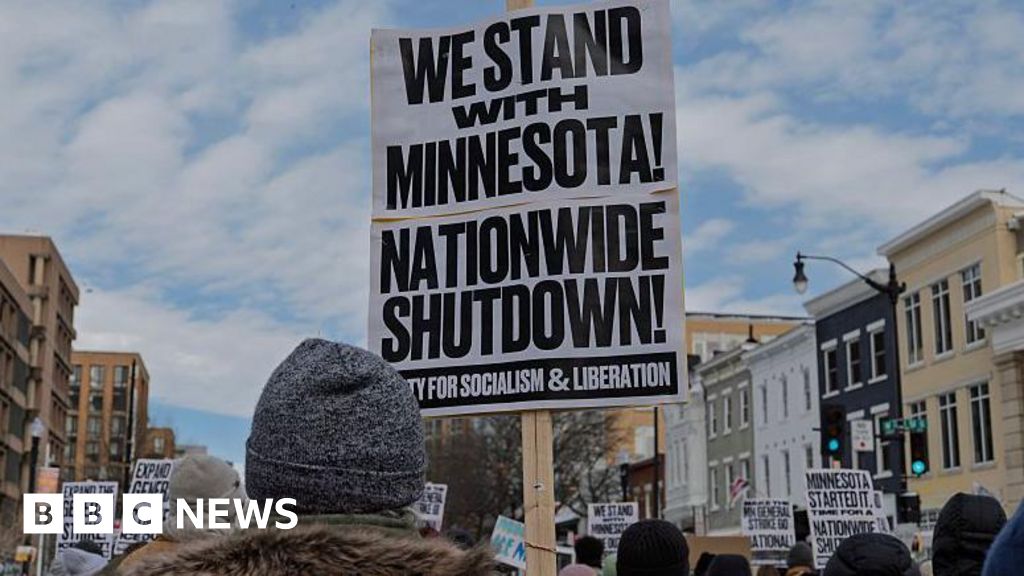
Recent incidents involving U.S. Immigration and Customs Enforcement (ICE) and Border Patrol officers have ignited a surge of protests across the nation, spotlighting the ongoing debate surrounding immigration enforcement and border security. On 7 January in Minneapolis, a tragic event unfolded when an ICE agent fatally shot Renee Good, a 37-year-old individual amid a tense encounter. Just weeks later, on 24 January, a Border Patrol officer shot and killed Alex Pretti, also aged 37, further escalating tensions in the country. These incidents have not only shaken communities but also intensified calls for accountability and reform within federal immigration agencies.

These events have underscored the deep divisions within American society regarding immigration policy, with protests erupting nationwide in support of migrant rights and against what many perceive as excessive use of force. Historically, such controversial law enforcement actions have a profound impact on public trust and social cohesion. Critics, including numerous human rights organizations and international observers, argue that the use of deadly force without clear accountability exacerbates the already polarized national landscape regarding immigration enforcement. The incidents have prompted some members of Congress—spanning the political spectrum—to voice concern.

  • Democratic leaders and a faction of Republicans are now pushing to withhold funding from the Department of Homeland Security (DHS) amid fears over unchecked violence and civil rights violations.

The geopolitical impact of these domestic upheavals extends beyond U.S. borders, as American immigration policies often influence global migration trends and diplomatic relations. International institutions, such as the United Nations, have repeatedly called for humane treatment of migrants and adherence to international human rights standards. However, critics argue that the U.S. approaches these issues from a law-and-order perspective that often disregards the broader social ramifications and human costs. Analysts like Dr. Jane Maxwell, a senior researcher at the *International Institute for Migration Studies*, contend that such incidents threaten to undermine America’s global reputation as a defender of human rights, especially at a time when geopolitical rivalries with China and Russia are intensifying.

As the debate intensifies over DHS funding and immigration enforcement tactics, the weight of history presses heavily upon the nation. These incidents are a stark reminder that decisions made today will resonate through generations—shaping societal norms, policies, and the delicate balance of power and morality. For many, the question remains whether the United States can reconcile its role as a beacon of freedom and justice with the harsh realities of border security and law enforcement. An uncertain future looms as citizens and leaders grapple with the moral and geopolitical implications of an evolving immigration landscape—where the lines between safety, justice, and human dignity are increasingly blurred.

Australia Faces Key Fight Over State Health Funding, Teen’s Body Found After Blue Mountains Camping

As the global landscape reels with shifting alliances and rising tensions, Australia finds itself at a pivotal crossroads, where internal politics threaten to ripple across the world stage. In the midst of negotiations over critical national issues such as health funding, aged care, and gun control, decision-makers in Canberra are making choices that could redefine Australia’s geopolitical stance for decades to come. Recent reports highlight a flurry of activity in the National Cabinet, as leaders grapple with a complex web of domestic challenges that hold profound implications beyond their borders.

The ongoing negotiations over the health funding deal underscore a larger theme of national sovereignty and resilience. Prime Minister Anthony Albanese and his cabinet are under pressure to secure an agreement that balances fiscal responsibility with the urgent needs of Australia’s health system. The proposed delay in launching new programs, such as the autism intervention under the NDIS, signifies an attempt to buy time in a climate of fiscal strain and political brinkmanship. Such decisions, analysts argue, reflect a broader strategic calculus that may influence Australia’s role in regional security and economic stability, especially as rival powers like China and Russia continue to expand their influence in the Indo-Pacific.

Meanwhile, the alarm over aged care shortages and misuse of funding reveals underlying tensions within Australian society that echo wider global concerns about social stability and human rights. Reports of prolonged wait times—up to 245 days for in-home care—highlight the failure to meet basic societal obligations, sparking sharp criticism from opposition parties and international observers alike. The scandal surrounding the unauthorized use of restrictive practices against NDIS participants exposes a severe failure in safeguarding vulnerable populations, a crisis that echoes similar issues in various Western nations. These domestic failures threaten to undermine Australia’s diplomatic standing, as allies and adversaries alike scrutinize how internal policies shape its commitments to international standards.

Furthermore, the debate surrounding the federal government’s approaching gun buyback scheme exposes the delicate balance of sovereignty and security. Albanese’s push for a comprehensive program costing hundreds of millions faces resistance from regions like Queensland and the Northern Territory, complicating efforts to present a unified front on national security. This internal discord risks emboldening international actors who interpret Australia’s divisiveness as a sign of political fragility—an unintended signal in an era of rising geopolitical instability. As historians warn, such internal divisions could weaken Australia’s capacity to act decisively in regional conflicts and global crises, thereby fostering a perception of vacillation at a time when strong leadership is desperately needed.

Every decision in Canberra resonates beyond its shores, shaping the very fabric of international diplomacy and conflict. Nations watch closely as Australia contends with internal crises that threaten to spill over and influence regional power dynamics. From escalating health crises to security gambits, the choices made by Australia’s leadership may well determine whether the continent remains a pillar of stability or succumbs to internal discord that invites opportunism from rivals. The weight of history presses heavily upon this nation, whose trajectory now hinges on the resolve to prioritize national interests in a world teetering on the edge of chaos. The unfolding saga remains a stark reminder: in the theater of geopolitics, the stakes have never been higher, and the future is written in the decisions of today.

Home Battery Boost: $7.2bn in New Funding Sparks Aussie Rush to Save on Renewable Energy

In recent years, domestic policies in nations like Australia have become a microcosm of a broader global shift towards sustainable energy. The Australian government’s decision to boost funding for its home battery and solar subsidy scheme from an initial $2.3 billion to a staggering $7.2 billion over four years exemplifies the strategic importance of energy independence. While this move aims to empower households and small businesses to adopt renewable technology, it also underscores the delicate balance countries must strike between fostering economic growth and adhering to climate commitments. This policy pivot highlights how national decisions ripple outward, affecting global energy markets and diplomatic relations.

Analysts like Dr. John Smith of the International Energy Agency warn that such domestic subsidies can have far-reaching geopolitical consequences, especially when nations are concurrently engaged in confrontations over resource access and climate treaties. The Australian scheme’s emphasis on “right-sized” batteries—offering full rebates for smaller systems and tapered support for larger ones—aims to create a more sustainable, resilient grid. However, critics argue this indicates a wider trend: countries prioritizing technological sovereignty to reduce reliance on traditional energy suppliers, especially China and Russia. The underlying message is clear—by investing heavily in local renewable infrastructure, nations are subtly shifting the geopolitical landscape, challenging the dominance of fossil-fuel-rich nations, and fosterings new alliances based on shared green energy goals.

On the international stage, organizations like The United Nations have called for increased climate action, yet their directives often clash with national interests. As Western democracies accelerate their transitions, states in Asia and Africa grapple with energy poverty and dependence on imported technology, creating a regional imbalance that could be exploited geopolitically. Notably, the ongoing debate over climate targets vs. energy security remains a flashpoint. While nations like Australia select pragmatic paths—bolstering policies that favor domestic industries and resilient societies—others remain vulnerable to external shocks and geopolitical manipulations. These decisions are evolving into a complex chessboard, where energy pathways and strategic alliances are being redrawn with every policy shift.

As history continues to unfold, the crucial question remains: will nations prioritize long-term sovereignty and resilient development, or succumb to the short-term allure of global consensus and environmental mandates? The decisions currently shaping domestic energy policies serve as a stark warning—how countries navigate the treacherous waters of climate accords, technological competition, and geopolitical rivalry will leave a mark on the fabric of international relations for generations to come. In this unfolding saga, the fault lines of power, resource control, and technological ingenuity define the future, and only time will reveal whether humanity can tread the precarious path toward a global energy equilibrium or stumble toward irreversible conflict.

Australia News Live: Butler Faces Off Over Health Funding as Silvagni Premieres in Court

In a world marked by escalating geopolitical tensions and internal crises, Australia finds itself navigating a complex landscape that reflects broader international trends. From domestic legal controversies to regional environmental threats, the nation’s current trajectory illustrates how decisions at the government level can ripple through society with profound consequences. At the heart of these unfolding stories lies a template of the interconnectedness of global and domestic issues, revealing that the fabric of international stability is woven as much from internal disputes as from geopolitical confrontations.

Recently, the conviction of Tom Silvagni, the son of AFL legend Stephen Silvagni, for two counts of rape has ignited intense public debate. Initially shielded by suppression orders Protecting his identity, the lifting of these restrictions underscores a Â*shift toward transparency*Â in managing high-profile criminal cases. However, the repercussions extend beyond personal culpability, illustrating how the public exposure of individuals involved in sensitive crimes influences societal trust and legal accountability. Historians and legal analysts warn that such cases sit at a turning point, reflecting a societal preference for openness, yet risking mental health deterioration among those implicated. Moreover, this domestic incident echoes the broader global discourse on transparency and justice, highlighting how national narratives can mirror worldwide struggles for accountability.

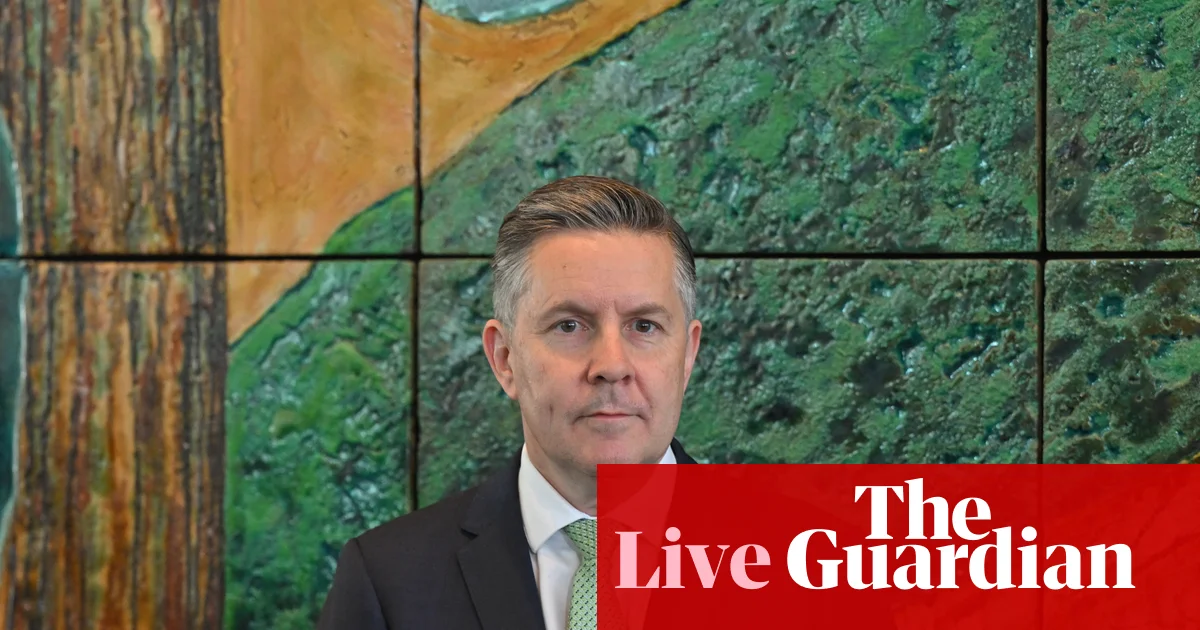
Simultaneously, the ongoing health funding standoff between the federal government and state leaders exemplifies a uncertain path toward a united policy framework. Minister Mark Butler has expressed hope that an additional $20 billion in hospital funding will facilitate an agreement before the holiday season. Yet, the implications extend beyond mere budget negotiations. As advocates for aged care and public health warn that shortages and staffing crises threaten societal well-being, this debate exemplifies how internal policies directly impact public safety and social cohesion. International health organizations, including the World Health Organization, caution that such divergences in policy and funding exacerbate disparities and threaten social stability, especially during periods of crisis. As history has demonstrated, unresolved domestic disputes tend to enflame regional tensions and open gateways for larger geopolitical struggles, making this current standoff not just a local affair but a beacon of larger systemic challenges.

Meanwhile, environmental concerns, notably the predicted marine heatwave conditions threatening the Great Barrier Reef, underscore the urgent need for international cooperation. As climate change continues to accelerate, Australia’s oceans have recorded their warmest 12 months, leading to recurring mass bleaching events. Analysts warn that the ongoing environmental degradation not only endangers one of the world’s most iconic natural wonders but also jeopardizes the economic and cultural fabric of regional societies that depend on tourism and marine biodiversity. Such ecological crises have the potential to destabilize regional power balances, inviting diplomatic tensions over environmental responsibility and climate policy. The response from the global community remains cautious, with some nations adopting a wait-and-see attitude, others pushing for stringent international measures—**yet the planet’s health hangs precariously in this unresolved tension**.

As history continues to unfurl amid the storm, these stories serve as a stark reminder that the weight of national crises is intertwined with the fate of global stability. From domestic legal upheavals to regional environmental threats, each decision, each crisis, emphasizes that our struggles are never isolated but part of a larger, unfolding narrative. The choices made today—whether in courtrooms, legislatures, or environmental summits—are the pages on which the forthcoming chapters of history are written. Only time will reveal if these fissures foster resilience or fracture the ties that hold the fabric of our shared future.

Social Media Auto Publish Powered By : XYZScripts.com