Matox News

Truth Over Trends, always!

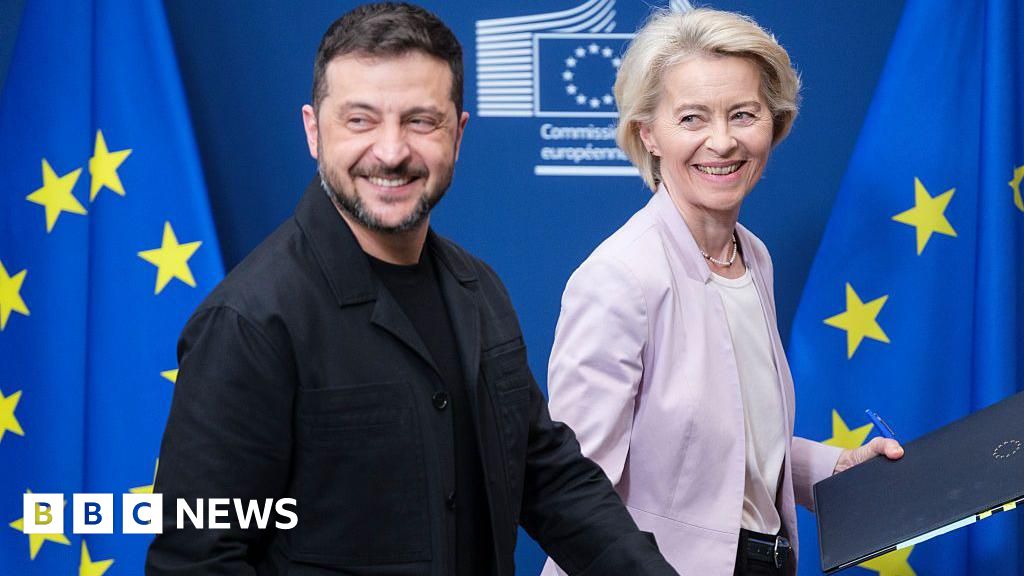
Russia pushes back against Europe’s move to loan Moscow’s frozen funds to Ukraine

In a development that could redefine the bounds of international law and the balance of economic power, the European Union is racing against time to implement a plan that involves using frozen Russian assets to fund the reconstruction of Ukraine. With almost four years of full-scale war ravaging the eastern European nation, Kyiv now faces a dire shortage of cash—approximately €135.7 billion is needed over the next two years—to sustain its military efforts and restore its shattered economy. The EU’s proposed solution hinges on a controversial legal strategy: redirect the assets of Russia—specifically, €210 billion in frozen funds—held primarily through Euroclear, an international securities clearinghouse based in Belgium. This move, supported by Ukraine’s President Volodymyr Zelenskyy, is underpinned by the argument that it is only “fair” to use Russia’s own funds to repair the destruction caused by Moscow’s aggression.

Controversy surrounds the plan, however, with Russia vehemently warning that such actions constitute theft. Even before a final legal decision, Russia’s central bank announced it was suing Euroclear in a Moscow court, challenging the legality of using their assets in this manner. Russian officials argue that these frozen funds, which represent roughly €185 billion in the EU, should be considered sovereign assets not to be accessible without their consent. Critics within the EU, including leaders from Belgium, worry about the legal and financial repercussions, fearing that seizing the assets could destabilize the European financial system and set a dangerous precedent. Analysts warn that this could ignite a broader legal and economic crisis, testing the resilience of international banking regulations and the sovereignty of nations in the global financial network.

‘Only fair’ to seize Russian assets, says Kyiv

Kyiv’s stance is clear: Moscow’s destruction has left Ukraine critical infrastructure and societal wounds that require urgent repair, and seizing Russian assets is a moral and practical step. Zelenskyy emphasizes that the money should be used to rebuild what Russia has wrecked, framing it as part of a broader reparations effort. Meanwhile, German Chancellor Friedrich Merz asserts that these funds will enable Ukraine to effectively defend itself against future Russian assaults, reinforcing Europe’s geopolitical resolve to support Ukraine’s sovereignty and independence amidst ongoing conflict. This plan, however, is not universally supported—Belgium’s government, wary of legal and financial risks, demands rigorous guarantees before approving any seizure. Prime Minister Bart de Wever has called for strict conditions, emphasizing the potential risks posed to Belgium’s own financial stability.

In the background, international observers—including prominent historians and financial analysts—highlight that this unfolding crisis underscores the fragile equilibrium between justice, international law, and geopolitics. The EU’s move reflects a broader shift in how economic warfare is conducted in the 21st century, where assets frozen in international banks are viewed as potential leverage. But while some in Europe see it as a moral imperative, others fear this paradigm could undermine trust in the global financial system, emboldening powerful nations to seize assets under dubious legal pretenses. As the EU prepares to implement legislation to immobilize Russia’s central bank assets indefinitely, the outcome remains uncertain, casting a long shadow over the future of international financial order and the limits of sovereignty.

Amid this escalating tension, the specter of a new geopolitical era looms: one where the lines between law and power blur, and history’s next chapter is written in the currency of conflict and reconstruction. As the world watches, the weight of history presses down—whether on the foundations of peace or the crumbling pillars of international stability—leaving nations to ponder: How far can the pursuit of justice extend before the fabric of global order tears? Only time will reveal whether the current crisis will serve as a catalyst for new rules or a catalyst for chaos, dictating the course of history’s unfolding story.
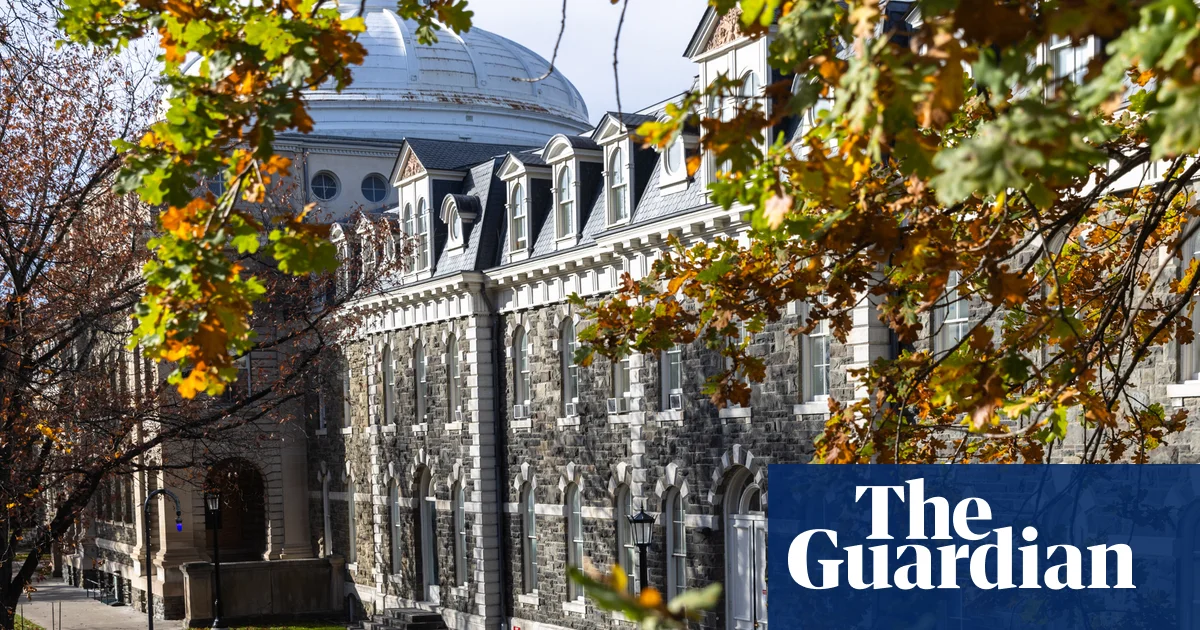

Cornell reaches deal with Trump admin to bring back $250M in university funds

The United States continues to exert unprecedented influence over its higher education institutions, deploying a mixture of intimidation and strategic leverage that extends beyond academic boundaries. Recent developments reveal the Trump administration reaching settlement agreements with prominent private universities such as Cornell, Columbia, Brown, and the University of Pennsylvania. These settlements are emblematic of a broader pattern: a government increasingly willing to scrutinize and manipulate educational autonomy under the guise of combating antisemitism and enforcing ideological conformity. The shift signals a fundamental recalibration of the international perception of American academic freedom, alarming allies and adversaries alike.

At the heart of this confrontation lies a controversial “compact” offered to universities—an agreement promising favorable access to federal funds in exchange for compliance with the administration’s ideological standards. Critics argue that this represents an erosion of institutional independence and a drift toward censorship under political pressure. Leading voices, including international analysts and historians, warn that such government overreach could have lasting geopolitical impact—not merely domestically but globally. Universities serve as epicenters of free thought and innovation, and their compromised autonomy risks diminishing the United States’ traditional standing as a bastion of academic freedom, thereby emboldening authoritarian regimes that have long sought to undermine Western values.

Furthermore, the administration’s use of anti-discrimination legislation as a means of extending political control raises urgent questions about the limits of state interference. When the focus shifts from protecting minority rights to silencing dissent, the very foundation of democratic discourse begins to shake. As international organizations such as the United Nations and human rights watchdogs scrutinize these actions, the global narrative increasingly depicts the US as adopting tactics reminiscent of regimes that misuse legislation to justify repression. Historians specializing in authoritarian studies warn that the ongoing pressure on higher education institutions could foster a new era of ideological conformity and intellectual stagnation, undermining the very qualities that have historically allowed American universities to innovate and lead the world.

Ultimately, the unfolding scenario underscores a pivotal moment in modern geopolitics. As international observers watch closely, the decisions made within these halls of power could redefine the future landscape of global education and influence. With each university that capitulates — or resists — the trajectory of American influence is written in real time. The weight of history presses down even as factions clash over the soul of higher learning. As new alliances form and old paradigms fracture, the world waits, studded with the shadows of what has been lost and the uncertain promise of what remains to be forged — a destiny still being written, one decision at a time.

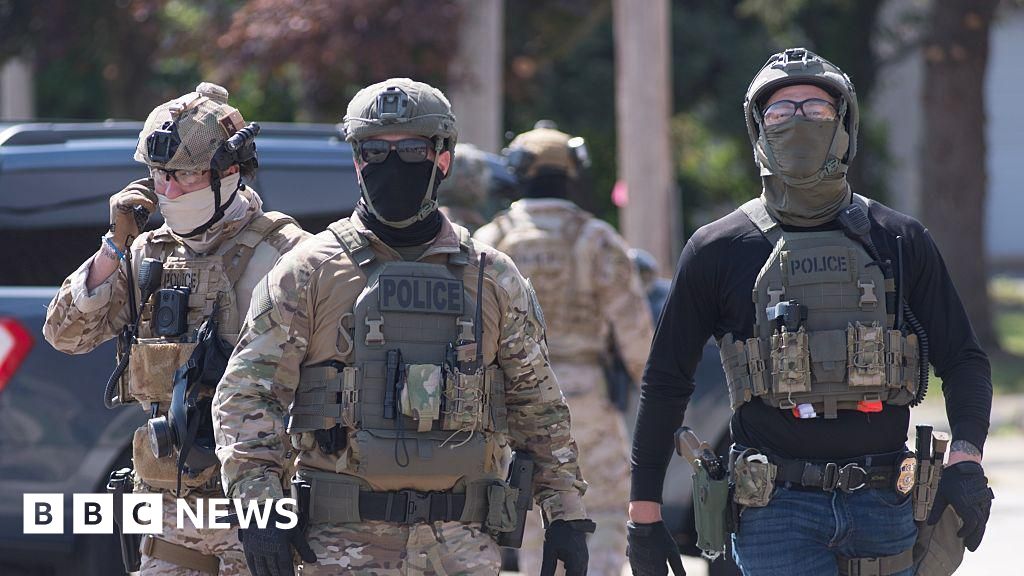
Trump supporter Timothy Mellon funds $130M to secure troop pay amid shutdown

In a startling display of private influence over public policy, timing and financial dominance converge as news broke of an anonymous donation that temporarily eased the burdens of U.S. troops during the prolonged federal shutdown. According to The New York Times, the donor, identified only as Timothy Mellon, committed a staggering $130 million to the U.S. government — a move unprecedented in its clandestine nature and its implications for americas’ political landscape. Mellon’s history as a major Republican benefactor and heir to an industrialist legacy underscores a broader trend: wealthy private actors increasingly shape governmental functions, blurring the lines between citizen participation and covert influence.

This infusion of private capital raises critical questions about how international and domestic policy decisions are influenced by billionaires. The donation, accepted under the Pentagon’s “general gift acceptance authority,” was reportedly aimed solely at subsidizing service members’ salaries and benefits. Yet, the controversy lurks in the potential violations of the Antideficiency Act, which explicitly prohibits federal agencies from spending beyond their congressional appropriations or accepting voluntary services outside emergencies involving human safety. Such measures drift dangerously towards undermining the checks and balances fundamental to American democracy, where the power of the purse traditionally rests with elected representatives, not anonymous magnates.

Historically, figures like Mellon symbolize a nexus of wealth, political influence, and ideological confrontations. As research by analysts and historian suggest, Mellon’s substantial campaign contributions — totaling over $165 million in recent election cycles — exemplify how interwoven private fortunes are with the fabric of candidate support and policy advocacy. His recent backing of intense border projects in Texas, and support for antitrust ideological movements, reveal a strategic effort to shape regional and national narratives aligned with a broader conservative resurgence.

The geopolitical impact of such private influence extends beyond American borders. As international organizations warn of increasing transnational power struggles, the US’s internal reliance on billionaire benefactors risks destabilizing the foundational principles of democracy in favor of a shadowy corporatocracy. The actions of Mellon and similar donors set a precedent where financial might can quietly mold policy outcomes, often at odds with citizen interests. Their role invites scrutiny from global governance bodies, which are already observing the fragility of the American political order amidst growing societal divisions.

As history continues to unfold in the corridors of power, the weight of these clandestine financial maneuvers threatens to redefine the very notion of sovereignty. With each secret donation, each act of influence, the dividing lines between the public and private sphere blur further, raising urgent questions about accountability and transparency. As nations look on, they recognize the inescapable reality that the future of free societies hangs by a thread, woven with the invisible threads of wealth and power, leaving the world to ponder — whose interests truly shape the course of history?

Trump administration seeks funds to pay federal officers amid shutdown dominance

U.S. Government Shutdown and Its Global Geopolitical Impact

The prolonged shutdown of the United States federal government, now entering its third week, underscores a deepening political crisis that extends beyond domestic borders. Despite repeated votes in the Senate, the legislature remains deadlocked, illustrating a growing rift between Democrats and Republicans. The inability to pass funding legislation not only halts regular government operations but also sets a troubling precedent for the stability of the world’s leading superpower. International analysts warn that such internal chaos can weaken America’s standing on the global stage, complicating diplomatic relations and economic strategies worldwide.

Financial Strains and Alternative Measures with Global Consequences

Faced with the crisis, the Trump administration has begun exploring alternative ways to finance critical programs. While the government remains paralyzed, essential services such as military operations are being maintained through previously allocated funds, raising concerns about the long-term sustainability of such decisions. Officials confirm that approximately 750,000 federal employees have already been furloughed, a figure with serious social and economic repercussions that ripple through markets, affecting global investors and allied nations reliant on U.S. stability.

  • The federal workforce faces significant financial uncertainty, with ongoing layoffs impacting multiple agencies.
  • The administration has sought cost-effective ways to sustain essential services, including using tariff revenue to fund nutritional aid programs for vulnerable populations.
  • The military remains operational, yet the question of funding continuity remains unresolved, with warnings of further disruptions looming.

International commentators, including financial analysts and political historians, indicate that the U.S. political impasse threatens the reliability of American policy and economic commitments. This internal discord may embolden geopolitical opponents, who see in America’s weakness an opportunity to expand influence in regions like Eastern Europe, the Indo-Pacific, and beyond. Such instability could result in shifts in alliances, emergent regional conflicts, and a recalibration of international power dynamics.

Turning Point or Prelude to Greater Turmoil?

The unresolved dispute over funding for critical programs, such as welfare for women and children and law enforcement agencies, signals a fragile domestic landscape. The potential for further financial hardship, coupled with rhetorical escalations from leaders, suggests a turning point in American governance that could redefine its influence for decades to come. Historians warn that prolonged governmental deadlock not only undermines domestic trust but also erodes international credibility.

As the world watches, the unfolding crisis in the US offers a stark reminder: in a time of shifting alliances and rising powers, internal stability remains the cornerstone of a nation’s capacity to lead. The decisions made within the halls of Congress now reverberate across continents, shaping the global order and determining whether the future will be one of renewed strength or unprecedented decline. The pages of history are turning — and only time will tell what chapter they will write next.

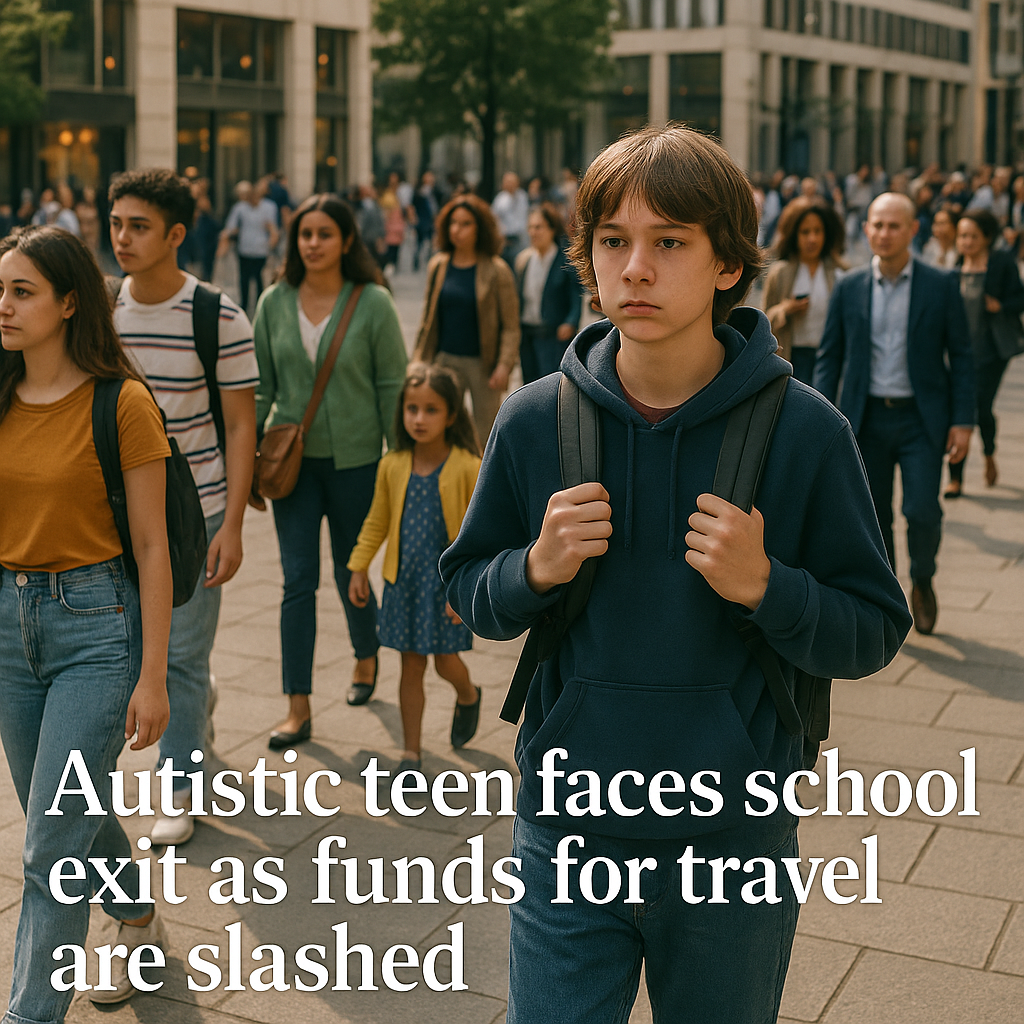
Autistic teen faces school exit as funds for travel are slashed

In a society that prides itself on fairness and compassion, the unfolding crisis in special educational needs and disability (Send) support exposes a harsh reality: families caring for children with complex needs are facing systemic neglect and social insensitivity. As communities increasingly rely on local governments to bridge gaps left by austerity-driven cutbacks, the stark disparities in support serve as a wake-up call to reevaluate societal priorities. The story of Luke, a fourteen-year-old autistic boy with sensory processing disorder and ADHD from Somerset, exemplifies how families are being left to shoulder the burden of inadequate social services, impacting not only the well-being of individual children but also the fabric of their families and communities.

With the transition to post-16 education, families like Luke’s find the support structures that once provided essential aid suddenly dissolving. Somerset Council’s decision to cease paying for Luke’s specialized transport—a taxi and in-car support worker—highlight the increasing disconnect between policy and human need. Now, his family faces a difficult choice: to bear the financial weight of costly travel alternatives or to risk safety by navigating unpredictable, unsupervised journeys. This shift not only endangers children like Luke but also underscores a broader societal failure to protect vulnerable youth. Social commentators and sociologists warn that when communities fail to provide adequate support, they risk fragmenting under the weight of inequality, with families bearing the brunt of systemic neglect.

‘Not safe’: The Human Cost of Systemic Austerity

Luke’s mother, Tatjana, describes her son as having “no road safety, no danger safety,” emphasizing that in his current state, he cannot transition to independent travel without significant risk. Her account sheds light on a fundamental moral challenge: the ethical obligation of society to safeguard its most vulnerable members. Since reaching age 16, Luke’s family has been offered a mere “Personal Travel Payment” of fifty pence per mile. Yet, with specialist taxi costs reaching nearly £97 per journey, this amount is grossly insufficient. The loss of dedicated, trained support for children with complex needs often translates into families sacrificing their financial stability and mental health.

Social historian Dr. Helen Miles notes the deterioration in support for families with special needs children, warning that “the long-term consequences threaten to erode social cohesion.” Families, especially those with physical or emotional hardships, become isolated as they struggle to fill the void left by underfunded government programs. Tatjana’s story—her partner’s spinal condition, her former husband’s leg amputation—epitomizes that the social safety net is fraying for those who need it most. Without sufficient support, children like Luke may face a future marred by instability, frustration, and the risk of educational failure, which inevitably impacts families’ stability and the community’s social fabric.

‘The system is broken’: Calls for reform and renewed hope

Former MP Gideon Amos articulates a bitter reality: “The Send system is broken.” His comments reflect a growing frustration among politicians, social workers, and families alike, who observe that “the current approach fails not just in policy but in moral substance.” The Department for Education’s promise to reform and “transform outcomes” signals an opportunity but also a challenge: society must reimagine how it cares for its children. Local authorities like Somerset claim they put “care and consideration” into decisions but admit their resources are stretched thin.

  • The current figures show approximately 120 post-16 Send children in Somerset rely on transport support, a number that is unlikely to decline given demographic trends.

This ongoing crisis is a stark reminder that without fundamental systemic overhaul, support for vulnerable children risks becoming a token gesture rather than a societal commitment.

As society stands at a crossroads, the question remains: will society’s collective moral conscience awaken to the plight of children like Luke? The stories behind policies are rooted in human faces—families torn between love and survival, children with dreams hindered by systemic neglect. The challenge ahead is not merely administrative but moral: to build a society where every child’s safety, potential, and dignity are prioritized, regardless of age or ability. In this moment of societal reflection, hope lies in collective action, reform, and an unwavering commitment to transform social failure into a future where every child can find their place. Only then can society truly claim to be just, compassionate, and resilient—qualities that define the strength of a civilization.

Social Media Auto Publish Powered By : XYZScripts.com