
Sudan’s Escalating Crisis: A Grim Turning Point in Africa’s Last Civil War
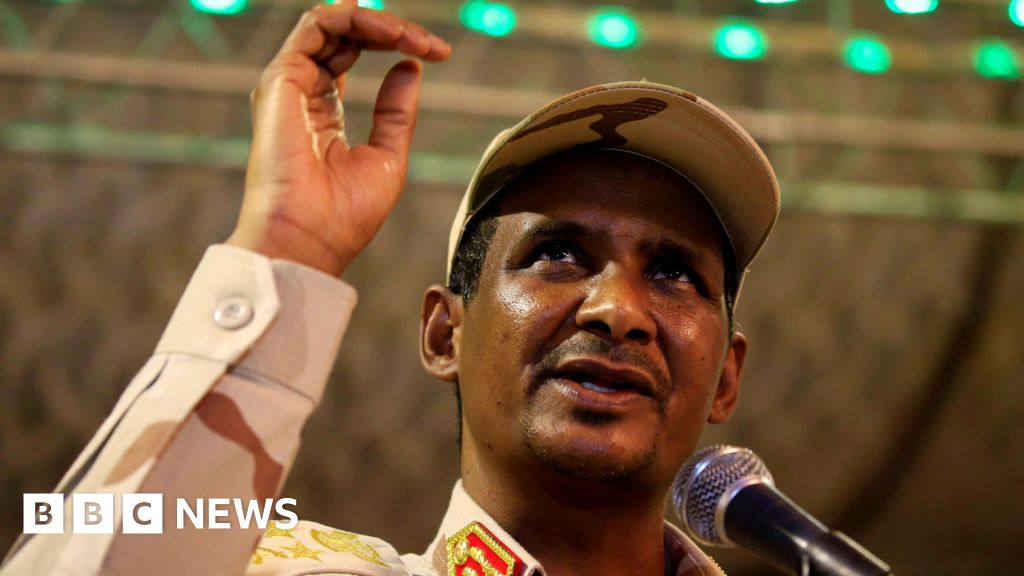
The conflict in Sudan has reached a devastating new phase, with widespread reports of violence that threaten regional stability and expose the profound failures of international diplomacy. The recent seizure of el-Fasher by the Rapid Support Forces (RSF)—a paramilitary group led by Gen Mohamed Hamdan Dagalo—marks a severe escalation in a civil war now in its third year. An investigation into human rights violations has been announced, but mounting evidence confirms the brutal reality on the ground: mass killings, ethnic targeting, and a humanitarian catastrophe that few in the international community can ignore. The United Nations Security Council is convening amidst growing outrage, exemplifying the crisis’s bipartisan concern but also underscoring the international community’s limited leverage in halting the bloodshed.
Eyewitness accounts and verified footage reveal a disturbing pattern of violence—particularly in the besieged city of el-Fasher. Reports from the WHO and humanitarian agencies depict scenes of chaos, with over 460 civilians shot dead at the last hospital alone, many of them unarmed and vulnerable. Social media videos, analyzed by BBC Verify, show RSF fighters executing civilians—an atrocity that compounds long-standing fears of ethnic violence and targeted killings of non-Arab populations. The RSF denies these accusations, claiming their actions are not ethnically motivated, but discrepancies between official statements and documented evidence deepen suspicions. As analysts warn, such denials only delay acknowledgment of a crisis rooted in deep-seated societal divisions and decades of failed state governance.
The geopolitical impact of the Sudanese conflict extends beyond its borders, igniting fears of regional destabilization and broader humanitarian fallout. Egypt and Ethiopia, along with other neighbors, monitor the chaos as refugees flee in the hundreds of thousands, many trapped in limbo, suffering violence, starvation, and disease. The role of external actors has come under scrutiny—most notably the United Arab Emirates (UAE), which faces persistent accusations of supplying military aid to the RSF despite official denials. This involvement signifies a dangerous tilt toward proxy conflicts that threaten to ignite a broader regional crisis, reminiscent of the chaos that engulfed Libya and Yemen in recent years. International organizations, including the African Union, call for urgent humanitarian corridors and neutral investigations to prevent further atrocities, but the challenge lies in enforcing these efforts amidst entrenched factional rivalries.
Historically, Sudan’s fragile statehood has been marred by persistent *exclusion* and tribal tensions—issues that the AU, UN, and regional powers have repeatedly failed to resolve. Analysts such as Dr. Mohamed Ibn Chambas emphasize that without addressing these root causes, military solutions are futile. The ongoing splintering of the country’s geography—control now divided between the RSF in the west and the Sudanese army in the capital—foreshadows a prolonged, possibly genocidal conflict that risks engulfing the entire region in chaos. As history watches silently, the narrative of Sudan remains a stark reminder: when societies are fractured by exclusion and power struggles, the true cost is paid by the innocent. The weight of history presses heavily, and the question remains—will the international community muster the resolve to prevent this crisis from spiraling into a new chapter of African hell, or will it be yet another chapter written in silence?